
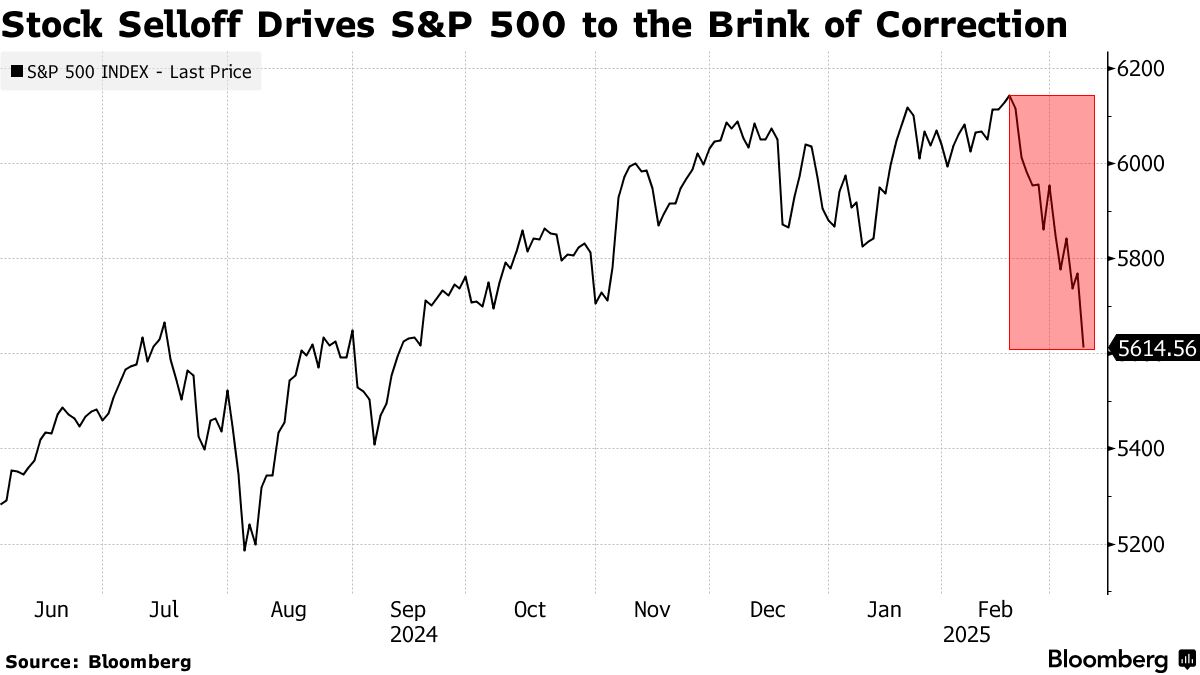
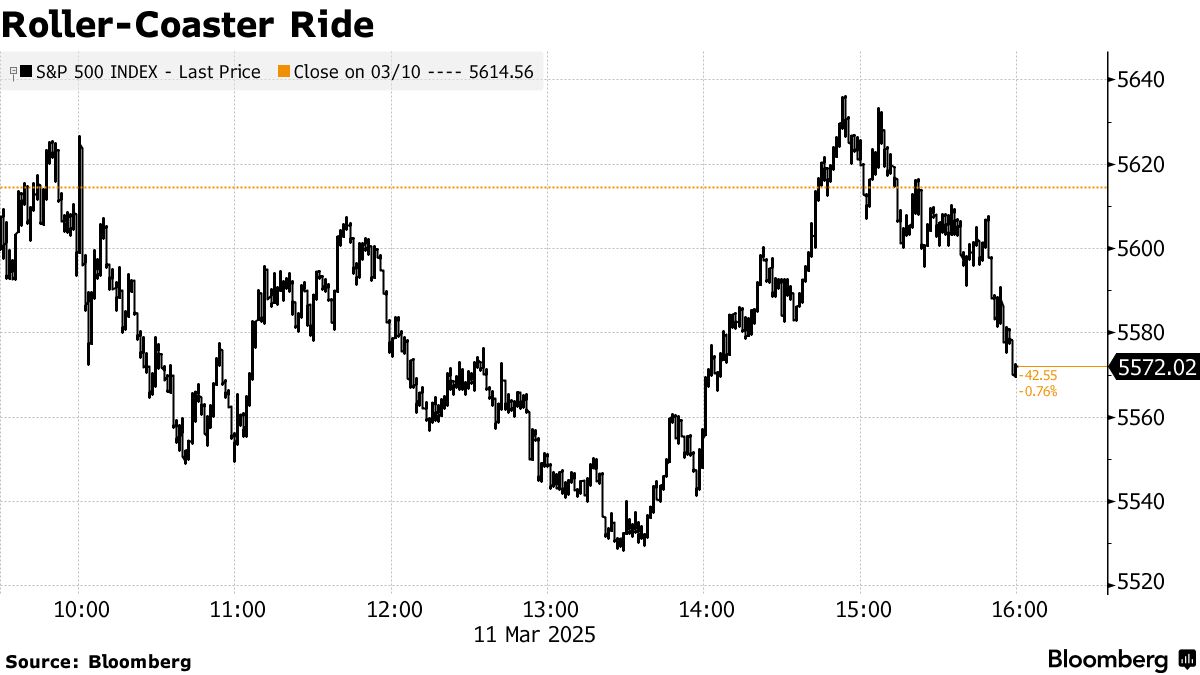
The financial markets today were defined by a tense tug-of-war between resilient economic data and the looming specter of persistent interest rates. As investors parsed through the latest influx of corporate earnings and macroeconomic indicators, the indices experienced significant intraday volatility, reflecting a market that is currently struggling to find a clear directional conviction. For individual investors and institutional fund managers alike, today served as a poignant reminder that we are in a transition phase, moving away from the era of “easy money” toward a period of fiscal normalization.
Macroeconomic Headwinds and Market Sentiment
The primary driver of today’s price action was the release of updated labor market statistics, which continue to show an economy that refuses to cool down as quickly as the Federal Reserve might hope. While a robust job market is generally a positive signal for long-term growth, in the current climate, it has become a double-edged sword. Investors are increasingly concerned that strength in employment will grant the central bank the “breathing room” required to keep borrowing costs elevated for longer than previously anticipated.
The Interest Rate Narrative
Bond yields saw a modest uptick following the morning session, creating immediate pressure on growth-oriented sectors. When the risk-free rate—typically proxied by the 10-year Treasury note—rises, the present value of future earnings for tech and high-growth companies is compressed. This mathematical reality led to a rotation out of speculative assets and into defensive staples, as institutional capital sought shelter from the potential volatility induced by interest rate sensitivity.
Inflation Expectations and Consumer Spending
Supplementary data regarding consumer sentiment suggested that while shoppers remain confident, they are becoming increasingly price-sensitive. Retailers mentioned in the midday briefing highlighted a shift toward value-based purchasing, a clear indicator that the cumulative impact of inflation is beginning to weigh on household budgets. This shift is critical for investors to track, as it provides early evidence of a possible contraction in discretionary spending, which historically serves as a leading indicator for broader economic slowdowns.
Sector Performance and Divergence
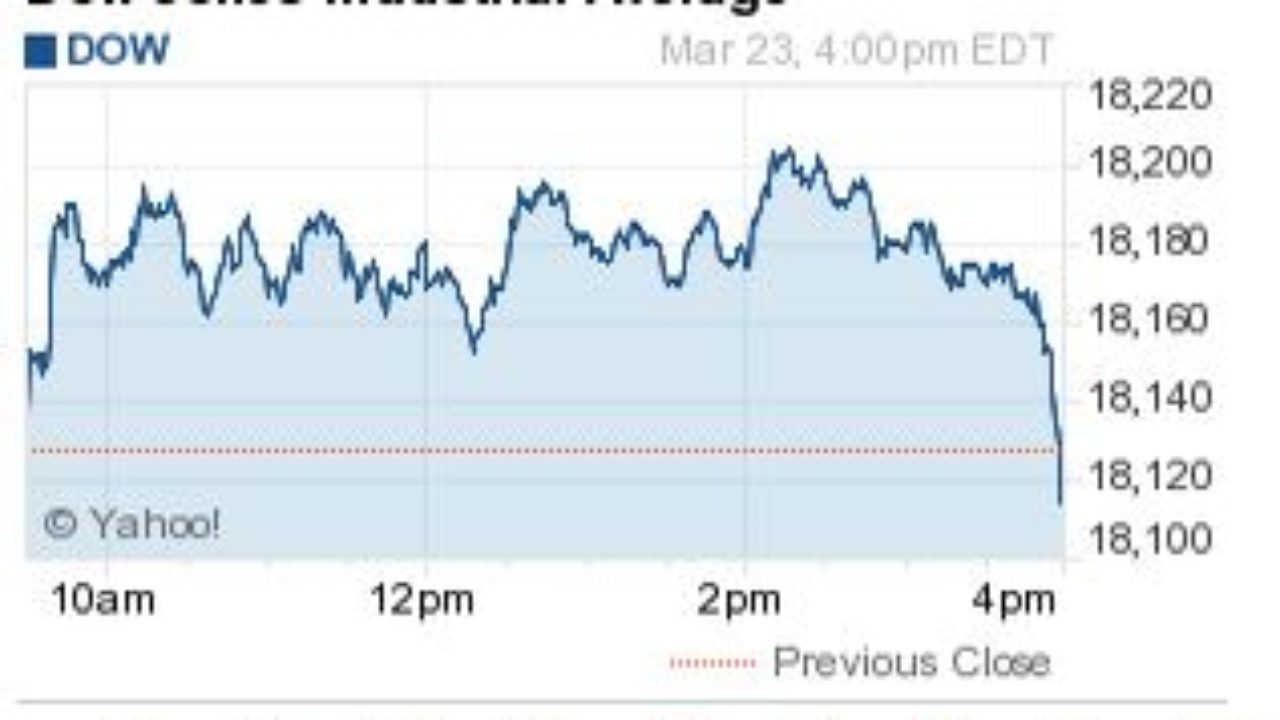
Today’s trading session was characterized by a distinct lack of uniformity across the major indices. While the S&P 500 managed to maintain a baseline level of support, the divergence between the technology-heavy Nasdaq and the more industrially focused Dow Jones Industrial Average revealed a market deeply divided on where to allocate capital in the current environment.
The Defensive Pivot
Energy and utility stocks emerged as the day’s clear winners. As market participants grew wary of the interest rate outlook, they migrated toward sectors that offer predictable cash flows and dividends. Energy stocks, in particular, were buoyed by a slight rebound in crude oil prices, fueled by ongoing geopolitical tensions that continue to threaten global supply chains. For investors, this sector rotation suggests a defensive posture, prioritizing stability over the aggressive capital appreciation seen in previous quarters.
Tech and Growth Under Pressure
Conversely, the technology sector faced significant selling pressure. Mid-cap and small-cap tech stocks, which are particularly reliant on venture funding and debt financing for growth, bore the brunt of the session’s losses. Investors are currently re-evaluating the valuation multiples of companies that have yet to achieve profitability. The prevailing sentiment is that in a high-interest-rate regime, the “growth at any cost” model is no longer tenable, and companies must now demonstrate clear paths to operational efficiency and sustained margins.
Earnings Season Insights: What the Data Says
We are currently in the thick of the quarterly earnings cycle, and today provided a masterclass in why bottom-line performance matters more than top-line revenue growth in the current cycle. Several high-profile companies reported results that beat analyst expectations on revenue but missed on guidance, leading to sharp localized sell-offs.
The Guidance Gap
The trend emerging from the current earnings season is that companies are increasingly cautious about their future outlooks. Even firms reporting strong current-quarter growth are tempering expectations for the next six months. This “cautious guidance” is causing significant downward pressure on stock prices, as the market is forward-looking by nature. When management teams cite concerns over input costs, labor shortages, and uncertain demand cycles, Wall Street responds by aggressively de-risking portfolios.
Quality as the New Currency
The most successful companies today were those that demonstrated “pricing power”—the ability to raise prices without losing market share. In an inflationary environment, the businesses that can pass costs onto the consumer while maintaining their net margins are the ones that are attracting institutional capital. Investors are moving away from speculative growth stories and toward high-quality balance sheets with low debt-to-equity ratios and consistent dividend payouts.
Navigating Volatility: Strategies for the Individual Investor
For the average individual investor, days like today can be unsettling. The combination of erratic news cycles, algorithmic trading, and shifting macro expectations creates an environment that seems designed to punish reactionary behavior. However, volatility is not synonymous with risk; it is simply a feature of a healthy, functioning market.
The Case for Dollar-Cost Averaging
The most effective way to weather the current market environment remains a disciplined approach to dollar-cost averaging. By maintaining consistent investment contributions regardless of daily price swings, investors can avoid the pitfall of trying to time the market. Today’s fluctuations underscore that attempting to predict short-term bottoms or peaks is a losing game; instead, focusing on a long-term allocation strategy allows the investor to capture the benefits of compound growth while ignoring the “noise” of the daily ticker.
Diversification Beyond the Index
Many retail investors find that their portfolios are too heavily concentrated in the same mega-cap stocks that dominate the major indices. Today’s sector divergence highlights the importance of holding assets that do not move in perfect correlation with one another. International equities, commodities, and even short-duration bonds have provided a buffer for portfolios that might otherwise be decimated by a downturn in the tech sector. Assessing one’s risk tolerance and ensuring that asset classes are balanced correctly is the best defense against the uncertainty that defined today’s market.
The Path Forward: What to Watch Next
Looking ahead, the market’s focus will shift toward the next set of inflation data and the subsequent Federal Reserve meeting. The key takeaway for investors is that the “pivot” from a hawkish monetary policy to a more accommodative stance is likely to be slower than the market initially hoped. As we navigate the coming weeks, the themes of earnings quality, margin resilience, and interest rate sensitivity will remain the dominant drivers of equity valuations.
Investors should remain vigilant regarding corporate debt obligations. Companies with high levels of floating-rate debt will face increasing pressure to refinance at higher costs, which will ultimately eat into their earnings potential. Those that have already locked in low-interest, long-term debt are better positioned to weather the storm and perhaps even gain market share by investing in innovation while their competitors are forced to pull back.
Ultimately, today’s market performance confirms that we are in a “stock-picker’s market.” The rising tide that once lifted all boats has receded, leaving individual company fundamentals as the primary determinant of success. By prioritizing quality, maintaining a long-term perspective, and refusing to be rattled by the day-to-day volatility of the indices, investors can find opportunities even in an environment defined by uncertainty and change. Stay focused on the underlying health of the businesses in your portfolio, and ignore the headlines that aim to foster fear rather than clarity.
aViewFromTheCave is a participant in the Amazon Services LLC Associates Program, an affiliate advertising program designed to provide a means for sites to earn advertising fees by advertising and linking to Amazon.com. Amazon, the Amazon logo, AmazonSupply, and the AmazonSupply logo are trademarks of Amazon.com, Inc. or its affiliates. As an Amazon Associate we earn affiliate commissions from qualifying purchases.