
In the complex ecosystem of global finance, few names carry as much historical weight and institutional gravity as Barclays. To the casual observer, it might simply be a blue eagle logo seen on high-street corners or the former title sponsor of the English Premier League. However, for those navigating the worlds of personal finance, corporate investment, and global markets, Barclays represents a “universal bank”—a financial behemoth with operations that span the globe and services that touch almost every aspect of the monetary cycle.
Understanding what Barclays is requires looking beyond its physical branches. It is a multinational British universal bank, headquartered in London, that operates through two primary divisions: Barclays UK and Barclays International. Supported by a history spanning over 330 years, it has evolved from a small goldsmith banking business into a systemic pillar of the global economy. This article explores the multifaceted nature of Barclays, its structural divisions, its historical significance, and its role in the modern financial landscape.

Understanding the Structure: A Universal Banking Powerhouse
Barclays is defined by its “universal” model. In the financial world, a universal bank is one that provides a comprehensive suite of services, including retail banking, wholesale banking, and investment banking. This structure allows the institution to weather different economic cycles; when consumer spending is down, investment banking might thrive, and vice versa.
Barclays UK: The High-Street Presence
For the average consumer in the United Kingdom, Barclays is synonymous with retail banking. Barclays UK encompasses personal banking, wealth management, and business banking services tailored specifically for the British market. This division handles everyday transactions, savings accounts, mortgages, and personal loans. It is the face of the bank for millions of individuals, providing the infrastructure for daily financial life.
Barclays International: Global Markets and Investment
The Barclays International division is where the bank’s global reach becomes evident. This arm consists of the Corporate and Investment Bank, as well as the Consumer, Cards, and Payments business. Unlike the retail side, this division works with multinational corporations, governments, and institutional investors. It facilitates large-scale mergers and acquisitions (M&A), provides capital through debt and equity markets, and manages complex trading operations in London and New York.
The Role of Barclaycard
A significant sub-component of the Barclays ecosystem is Barclaycard. Launched in 1966, it was the first credit card in the UK. Today, it remains a dominant force in the global payments industry. By acting as both an issuer (providing cards to consumers) and an acquirer (helping merchants process payments), Barclaycard serves as a vital bridge in the “Money” niche, facilitating billions of pounds in transactions annually.
The Historical Evolution of a Financial Legacy
One cannot fully grasp what Barclays is without acknowledging its longevity. The bank’s roots go back to 1690 in the City of London. This historical depth provides the bank with a level of perceived stability and institutional knowledge that few competitors can match.
From Goldsmiths to Global Players
The bank was founded by John Freame and Thomas Gould, who operated as goldsmith bankers. The name “Barclays” became associated with the firm in 1736 when James Barclay, Freame’s son-in-law, became a partner. In the late 19th and early 20th centuries, Barclays underwent a series of massive mergers with smaller English banks, transforming from a private partnership into a joint-stock bank with a massive national footprint. This aggressive expansion set the stage for its eventual move into the international arena.
Pioneering Financial Technology
Barclays has frequently been at the forefront of financial innovation. In 1967, the bank installed the world’s first automated teller machine (ATM) in Enfield, London. This was a revolutionary moment in the history of money, moving the world away from teller-dependent banking toward the 24/7 digital accessibility we take for granted today. Later, the bank was a pioneer in the adoption of online banking and mobile payment solutions, consistently reinvesting its capital into the infrastructure of modern finance.
Surmounting Global Crises
Throughout the 20th and 21st centuries, Barclays has navigated numerous financial storms, including the Great Depression and the 2008 Global Financial Crisis. Unlike many of its UK peers, Barclays famously avoided a direct government bailout in 2008, instead raising private capital from international investors. This decision allowed the bank to maintain a higher degree of operational independence, though it also brought increased regulatory scrutiny and a focus on restructuring its “ring-fenced” retail operations to protect consumer deposits from investment risks.
Barclays in the Modern Economy: Services and Strategic Reach
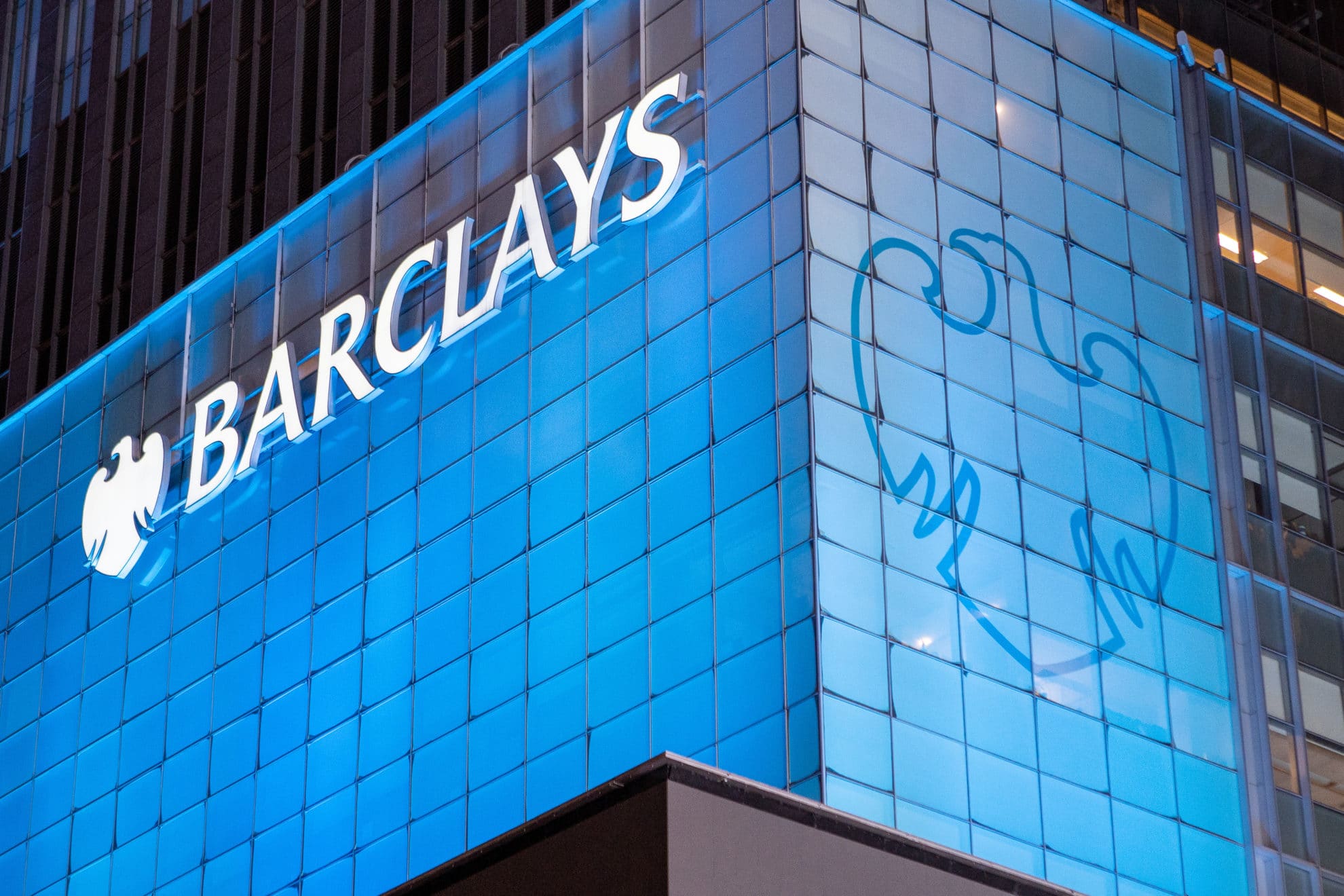
Today, Barclays operates as a critical intermediary in the flow of global capital. Its services are designed to manage, protect, and grow wealth for a diverse range of clients, from students opening their first accounts to sovereign wealth funds managing billions.
Wealth and Asset Management
For high-net-worth individuals, Barclays provides sophisticated wealth management services. This goes beyond simple savings; it involves bespoke investment strategies, tax planning, and estate management. By leveraging its global research teams, Barclays helps clients navigate volatile markets, identifying opportunities in emerging technologies, real estate, and international equities.
Corporate Banking and Liquidity
For businesses, Barclays acts as a vital partner for growth. Small and medium enterprises (SMEs) rely on the bank for credit lines and payroll management. Large corporations, meanwhile, utilize Barclays for its “liquidity” services—ensuring they have the cash flow necessary to operate across multiple borders and currencies. The bank’s trade finance department helps facilitate international commerce by providing the guarantees and letters of credit that allow goods to move safely between countries.
Digital Transformation and Fintech Integration
In the current era, Barclays is as much a technology company as it is a bank. The rise of “Fintech” (Financial Technology) has seen the bank invest heavily in its digital platforms. The Barclays mobile app is one of the most highly-rated financial tools in the UK, offering features like spending analytics, credit score monitoring, and instant loan approvals. Furthermore, through its “Rise” innovation hubs, Barclays partners with startups to develop the next generation of financial tools, ensuring it remains competitive in an increasingly digital-first economy.
Navigating the Financial Landscape with Barclays
For a consumer or investor asking “what is Barclays,” the answer often lies in the specific utility the bank provides to their financial journey. The bank offers a gateway to various financial instruments that can help build long-term security.
Personal Finance and Savings
Barclays offers a range of savings products, from traditional ISAs (Individual Savings Accounts) to fixed-term bonds. In an environment of fluctuating interest rates, the bank’s role is to provide a secure environment for capital preservation while offering competitive yields. For many, Barclays is the primary vehicle for achieving milestones like homeownership, through its extensive mortgage lending portfolio.
The Investment Bank’s Impact on Markets
On the macro level, Barclays’ investment banking arm influences the prices of stocks and bonds globally. When Barclays “underwrites” an Initial Public Offering (IPO), it is helping a company go public and raise the funds needed for expansion. Its analysts produce influential reports that move markets, providing “buy” or “sell” recommendations that institutional investors follow closely. This makes Barclays a central node in the “Money” ecosystem, where information and capital intersect.
Security and Fraud Prevention
In an age of digital threats, a major part of what Barclays provides is security. The bank invests hundreds of millions of pounds annually into cybersecurity and fraud prevention. For the account holder, this means sophisticated encryption, two-factor authentication, and “Eagle Eye” fraud detection systems that monitor transactions for suspicious activity. In the world of finance, trust is the primary currency, and Barclays works to maintain that trust through rigorous digital defense.
The Future of Barclays: Sustainability and the New Finance
As we look toward the future, Barclays is shifting its focus to meet the demands of a changing world, particularly regarding Environmental, Social, and Governance (ESG) standards.
Green Finance and ESG Initiatives
The bank has committed to becoming a net-zero bank by 2050. This involves not only reducing its own operational footprint but, more significantly, “greening” its lending portfolio. This means Barclays is increasingly prioritizing loans for renewable energy projects and sustainable infrastructure while reducing its exposure to high-carbon industries. For investors, this shift represents a strategic move to mitigate the long-term risks associated with climate change and to capitalize on the “green transition.”
The Evolution of Digital Currencies
While traditional banking remains the core, Barclays is actively exploring the potential of Central Bank Digital Currencies (CBDCs) and blockchain technology. The bank participates in various pilot programs to understand how these technologies can make cross-border payments faster and cheaper. By staying at the cutting edge of these developments, Barclays ensures that it will remain relevant even as the very definition of “money” continues to evolve.
Conclusion
Barclays is far more than a simple financial institution; it is a complex, global engine of economic activity. From its origins in a 17th-century goldsmith shop to its current status as a leader in digital banking and international finance, it has consistently adapted to the needs of the era. Whether you are an individual looking to save for the future, a business seeking to expand, or an investor navigating global markets, Barclays provides the infrastructure, expertise, and security required to manage money in the modern world. Its blend of historical stability and forward-thinking innovation makes it a definitive pillar of the global financial landscape.
aViewFromTheCave is a participant in the Amazon Services LLC Associates Program, an affiliate advertising program designed to provide a means for sites to earn advertising fees by advertising and linking to Amazon.com. Amazon, the Amazon logo, AmazonSupply, and the AmazonSupply logo are trademarks of Amazon.com, Inc. or its affiliates. As an Amazon Associate we earn affiliate commissions from qualifying purchases.