
Gift cards have evolved far beyond their origins as a simple, last-minute present for the hard-to-buy-for relative. In the modern financial landscape, they represent a versatile tool for personal finance management, a mechanism for capturing significant discounts, and a way to optimize credit card rewards. Understanding where to buy gift cards is no longer just about convenience; it is about strategic purchasing to ensure your capital works as hard as possible.
Whether you are looking to shave 20% off your monthly grocery bill, maximize travel points, or find a secure way to manage a strict budget, the source of your gift card purchase matters immensely. This guide explores the primary, secondary, and strategic markets for gift cards, framed through the lens of financial optimization.
1. Primary Retail Channels for Direct Purchases
The most common way to acquire gift cards is through primary retailers. While these sources rarely offer deep discounts on the face value of the card itself, they provide the highest level of security and convenience, which is a critical component of any sound financial strategy.
Big-Box Retailers and Supermarkets
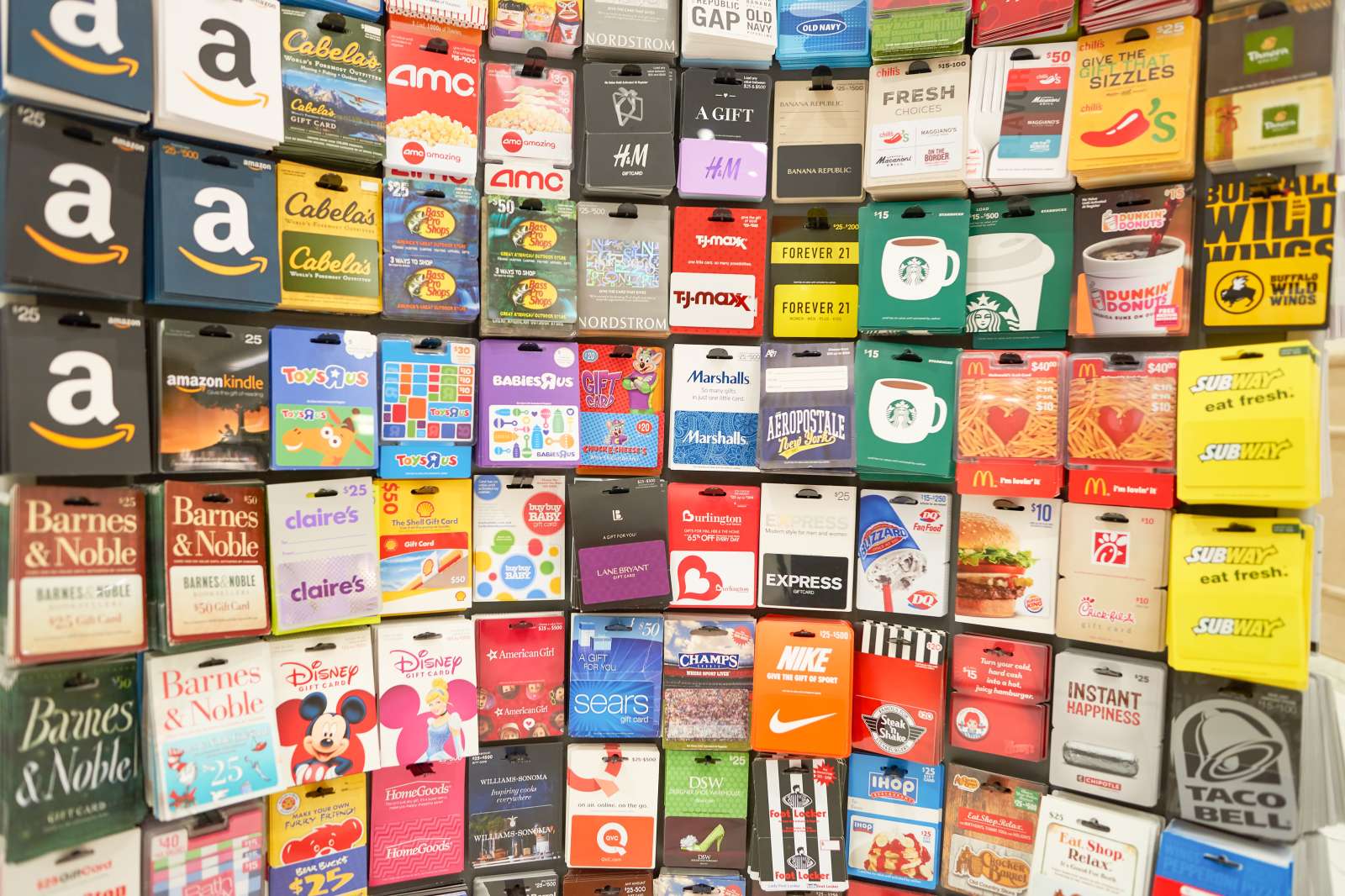
Supermarkets like Kroger, Publix, and Safeway, along with big-box giants like Target and Walmart, serve as the most accessible hubs for gift card acquisition. From a “Money” perspective, the value here lies in “category bonuses.” Many credit cards offer 3% to 6% cash back at supermarkets. By purchasing gift cards for other services (such as Amazon, Netflix, or Shell Gas) at a supermarket, a savvy consumer effectively extends their supermarket cash-back rate to those other categories. This is a foundational tactic in reward optimization.
Direct Brand Portals and Official Websites
Purchasing directly from the brand’s official website (e.g., Apple.com, Starbucks.com) ensures the highest degree of fraud protection. For high-value transactions, this is often the safest route. Furthermore, many brands offer “bonus periods”—such as during the holiday season or “Prime Day”—where purchasing a $100 gift card might net you an additional $20 promotional credit. Financial efficiency dictates waiting for these windows to “pre-load” your spending for the year.
Warehouse Clubs: The Instant Discount
For those with memberships to Costco, Sam’s Club, or BJ’s Wholesale, these retailers are among the few primary sources that offer “built-in” discounts. It is common to find bundles, such as four $25 gift cards for a restaurant or movie theater, priced at $79.99. This represents an immediate 20% return on investment (ROI) on money you were already planning to spend, which far outpaces the interest rates of most high-yield savings accounts.
2. Secondary Markets: The Financial Advantage of Discounted Gift Cards
The secondary market is where gift card acquisition transforms from a simple purchase into a sophisticated financial maneuver. This market consists of platforms where individuals sell unwanted gift cards for cash, allowing buyers to purchase them at a discount.
Reputable Resale Platforms
Platforms like Raise, CardCash, and GiftCardGranny act as intermediaries in the secondary market. On these sites, you can often find gift cards for clothing retailers, home improvement stores, or specialized services at discounts ranging from 2% to 30%. For a homeowner planning a $1,000 renovation at Home Depot, purchasing discounted gift cards can result in an instant $50 to $100 in savings. This is essentially “found money” that improves the net worth of the household.
Peer-to-Peer Marketplaces and Risks
While platforms like eBay or Facebook Marketplace offer gift cards, they fall into a higher-risk category. From a financial security standpoint, these should be approached with caution. The “Money” niche emphasizes risk management; therefore, only platforms that offer a 45-day or 90-day money-back guarantee should be utilized. Avoiding unverified peer-to-peer transactions prevents the total loss of capital due to drained or fraudulent balances.
Arbitrage and Timing
Prices on the secondary market fluctuate based on supply and demand. Following major holidays, the supply of unwanted gift cards surges, leading to steeper discounts. A financially disciplined individual can practice “gift card arbitrage” by purchasing these cards when supply is high and spending them throughout the year, effectively lowering the cost of living across multiple categories.
3. Leveraging Gift Cards for Cash Back and Rewards
Beyond the face value of the card, the method of purchase can yield additional financial layers. Modern personal finance often involves “stacking” rewards—using multiple tools simultaneously to lower the effective price of a good or service.
Credit Card Optimization
Strategic gift card purchasing is a cornerstone of the “credit card churning” and rewards community. Many cards have rotating 5% categories. If a credit card offers 5% back at home improvement stores in Q2, a consumer might buy $500 worth of gift cards for their favorite coffee shop or airline at Lowe’s during that window. This allows the consumer to lock in a 5% discount on future spending that would otherwise only net 1% back.
Shopping Portals and Rebate Apps
Before purchasing a gift card online, utilizing shopping portals like Rakuten or TopCashback can add an extra layer of savings. Some portals offer cash back specifically for gift card malls. Additionally, apps like Ibotta or Fetch Rewards often provide points or rebates for scanning receipts that include gift card purchases. When combined with a discounted card and a high-rewards credit card, the total “yield” on a single purchase can exceed 15-20%.
Employee Benefit Programs
Many large corporations offer employee perk programs (such as PerkSpot or BenefitHub). These portals often feature “always-on” discounts for digital gift cards. From a payroll and budgeting perspective, if your employer offers a 7% discount on grocery gift cards, routing a portion of your monthly paycheck through these cards is a zero-risk way to increase your disposable income.
4. Gift Cards as a Personal Finance and Budgeting Tool
The utility of a gift card extends into the realm of behavioral economics. They can be used as a physical or digital “envelope” to control spending and manage cash flow.
The “Envelope Method” for Digital Spending
The “Envelope Method” is a classic budgeting technique where cash is placed in envelopes for specific categories. Gift cards allow for a digital version of this. By loading a set amount onto a Starbucks card or a gas station card at the beginning of the month, you create a hard ceiling for discretionary spending. Once the card is empty, the budget for that category is exhausted. This prevents “budget creep” and ensures that financial goals, like aggressive debt repayment or emergency fund building, remain on track.
Managing Subscriptions and Recurring Costs
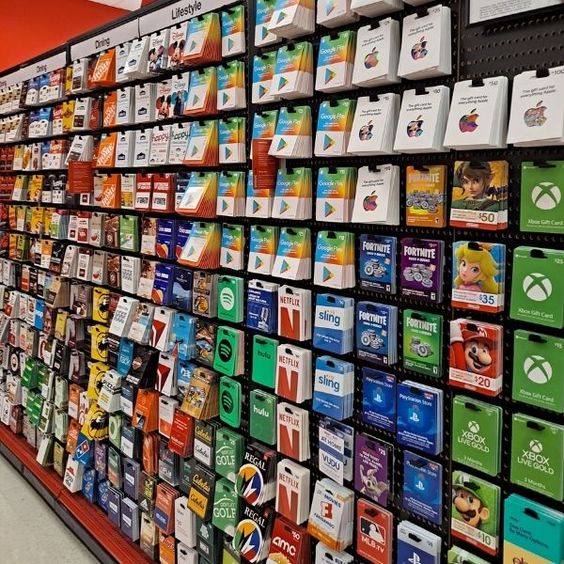
Recurring subscriptions are a notorious “leak” in many personal budgets. By using gift cards to pay for services like Netflix, Hulu, or Spotify, you eliminate the risk of automated renewals hitting an empty bank account or incurring unexpected debt. It also forces a conscious decision to “re-up” the service, providing a natural checkpoint to evaluate whether the subscription still provides value to your life.
Tax-Free Gifting and Financial Planning
In the context of wealth transfer and financial planning, gift cards can be a simplified way to stay within the annual gift tax exclusion limits. While usually applied to larger sums, using gift cards for specific needs (like a student’s textbooks or a family member’s groceries) ensures the funds are used for the intended purpose while providing a documented trail of financial support that doesn’t complicate one’s tax filing status.
5. Avoiding Scams and Protecting Your Financial Assets
No discussion of gift card finance is complete without addressing security. Gift cards are essentially “bearer instruments”—whoever holds the code holds the value. Protecting this value is paramount to maintaining financial health.
Identifying Common Gift Card Fraud
A common scam involves bad actors asking for payment via gift cards for “taxes,” “utilities,” or “bail money.” No legitimate government agency or corporation will ever demand payment in gift cards. From a financial literacy standpoint, recognizing that gift cards are for retail use only is the first line of defense against significant capital loss.
Verifying Physical Integrity
When buying gift cards in physical stores, always inspect the back of the card. Ensure the silver “scratch-off” coating is intact and hasn’t been tampered with. Scammers often record the codes and wait for a customer to activate the card at the register before draining the balance remotely. For maximum security, ask the cashier for a card from behind the counter rather than picking one from the public display rack.
Digital Security and Storage
For digital gift cards, use a dedicated, secure folder in your email or a password-protected app to store codes. Treat these codes with the same level of security you would a debit card PIN. If a platform offers two-factor authentication (2FA), enable it. In the event of a platform breach, having a record of the purchase receipt is essential for recovering lost funds through the retailer’s customer service department.

Conclusion
Determining where to buy gift cards is a strategic decision that touches on nearly every aspect of personal finance—from cash flow management and budget discipline to reward optimization and risk mitigation. By moving away from impulse purchases at the checkout line and toward a calculated approach involving warehouse clubs, secondary markets, and reward-stacking, you can effectively lower your cost of living. In an era of inflation and economic uncertainty, mastering the “Gift Card Economy” is a sophisticated way to ensure that every dollar in your wallet retains its maximum possible value.
aViewFromTheCave is a participant in the Amazon Services LLC Associates Program, an affiliate advertising program designed to provide a means for sites to earn advertising fees by advertising and linking to Amazon.com. Amazon, the Amazon logo, AmazonSupply, and the AmazonSupply logo are trademarks of Amazon.com, Inc. or its affiliates. As an Amazon Associate we earn affiliate commissions from qualifying purchases.