
For the modern investor, the world of finance is a complex tapestry of moving parts, where timing is often as critical as the assets themselves. Whether you are a retail investor managing a retirement portfolio or a day trader looking for intraday volatility, the question of “what time do markets open” is the foundation of every trading strategy. In an era of 24/7 digital connectivity, it is easy to assume that financial markets are always accessible. However, the world’s major stock exchanges still operate on strict schedules governed by geography, tradition, and regulatory requirements.
Understanding the opening and closing bells of global markets is not just about knowing when to click “buy” or “sell.” It is about understanding liquidity, volatility, and the “hand-off” of economic momentum from one continent to another. This guide explores the operational hours of the world’s most influential financial hubs and the nuances of trading across different time zones.
The Major Players: North American and European Equity Markets
The heartbeat of the global financial system is undoubtedly centered in the West, specifically within the New York and London corridors. These markets represent the highest concentrations of capital and institutional volume, setting the tone for global risk appetite.
Wall Street: The NYSE and NASDAQ Schedule
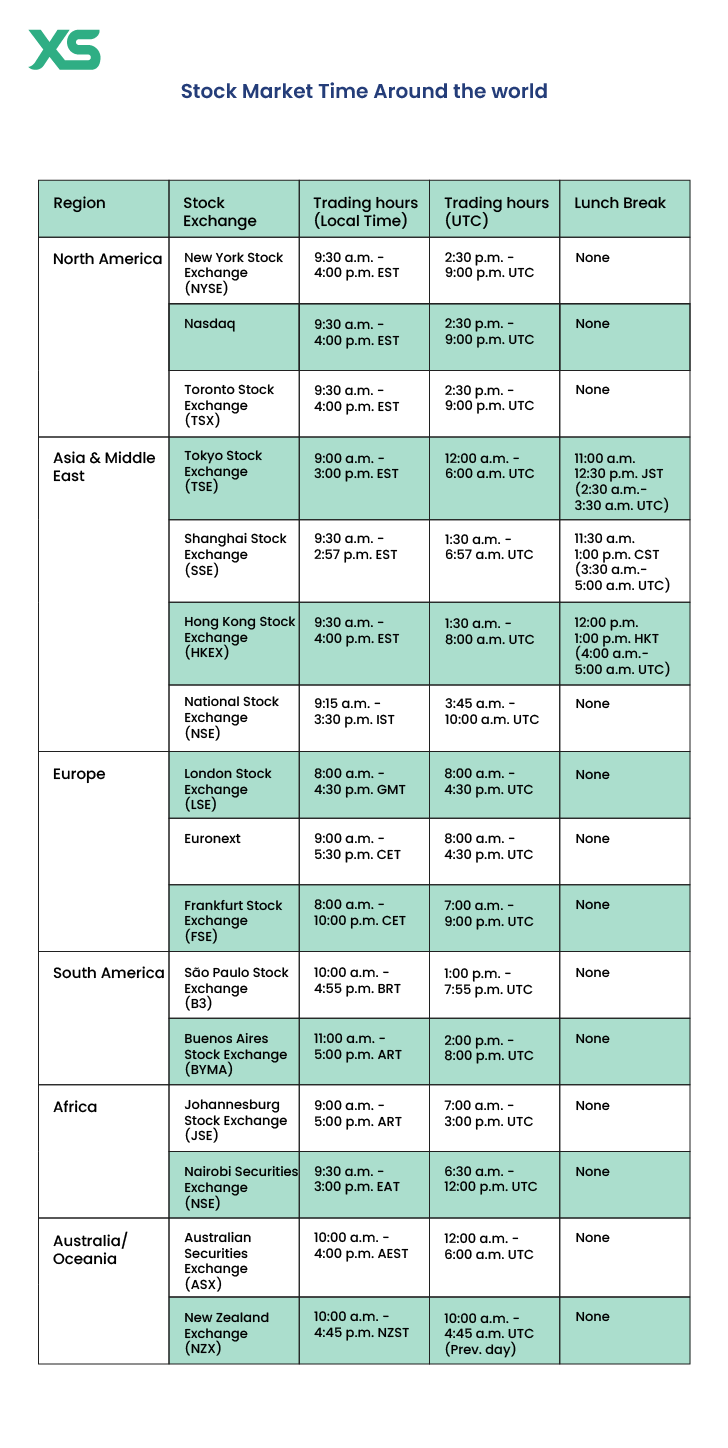
The New York Stock Exchange (NYSE) and the NASDAQ are the two largest stock exchanges in the world. For most investors, the “trading day” refers to the standard session in New York, which runs from 9:30 AM to 4:00 PM Eastern Time (ET), Monday through Friday.
The 9:30 AM opening bell is one of the most significant moments in the financial world. This is when the accumulated news from the overnight session—corporate earnings, geopolitical shifts, or economic data—is finally priced into the market. Consequently, the first 30 minutes of the opening session are often characterized by high volatility and heavy trading volume. For the disciplined investor, this period offers both opportunity and risk, as prices can swing wildly before finding a stable direction.
The European Landscape: London, Frankfurt, and Paris
Across the Atlantic, the European markets provide the next major wave of liquidity. The London Stock Exchange (LSE), one of the world’s oldest and most prestigious, opens at 8:00 AM and closes at 4:30 PM Greenwich Mean Time (GMT).
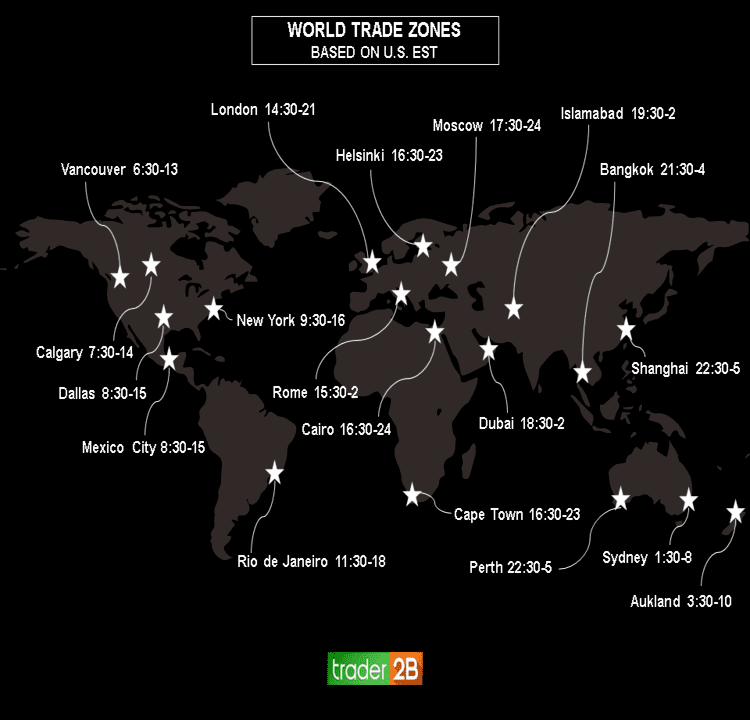
Other major European hubs, such as the Euronext Paris and the Deutsche Börse (DAX) in Frankfurt, operate on Central European Time (CET), usually opening at 9:00 AM and closing at 5:30 PM. A critical window for global traders is the “overlap” period. Between 9:30 AM and 11:30 AM ET, both the New York and London markets are open simultaneously. This two-hour window often sees the highest trading volume of the day, as institutional players in both hemispheres execute large-scale trades.
The Asian and Pacific Powerhouses: Trading the “Far East”
As the sun sets in the West, the focus shifts to the East. The Asian markets are essential for understanding global supply chains and the health of the world’s second-largest economy, China. Unlike Western markets, many Asian exchanges include a mid-day “lunch break,” which pauses trading and splits the day into two distinct sessions.
Tokyo, Hong Kong, and Shanghai: Navigating the East
The Tokyo Stock Exchange (TSE) in Japan opens at 9:00 AM and closes at 3:00 PM local time (JST), with a lunch break from 11:30 AM to 12:30 PM. As the first major market to open each day (relative to the international date line), Tokyo often provides the first reaction to global events that occurred after the US market closed.
The Hong Kong Stock Exchange (HKEX) and the Shanghai Stock Exchange also follow a split-session format. Hong Kong typically trades from 9:30 AM to 4:00 PM local time, with a break between 12:00 PM and 1:00 PM. These markets are vital for investors interested in emerging technologies, manufacturing giants, and the evolving Chinese financial landscape.
The Australian Securities Exchange (ASX)
Often overlooked but highly significant for the commodities sector, the Australian Securities Exchange (ASX) in Sydney opens at 10:00 AM and closes at 4:00 PM local time. Because Australia is rich in natural resources, the ASX opening can provide early signals for the pricing of gold, iron ore, and other raw materials, which in turn influences global inflationary expectations.
Beyond Standard Hours: Pre-Market and After-Hours Trading
In the digital age, the “opening bell” is more of a formality than a hard barrier. Electronic Communication Networks (ECNs) allow investors to trade outside of the traditional 9:30 AM to 4:00 PM window. This is known as extended-hours trading.

How Extended Trading Works
Pre-market trading in the US can begin as early as 4:00 AM ET, though the bulk of the activity occurs after 8:00 AM. After-hours trading begins immediately at 4:00 PM ET and can run until 8:00 PM. These sessions were once reserved for institutional investors, but most modern retail brokerages now offer access to extended hours to their clients.
The primary driver for extended-hours trading is news. Publicly traded companies almost always release their quarterly earnings reports either before the market opens or after it closes to prevent the news from causing immediate, chaotic disruptions during the main session.
Risks and Opportunities in the “Shadow” Markets
While trading at 6:00 AM or 7:00 PM might seem advantageous, it comes with significant caveats. The most prominent risk is lack of liquidity. Since there are fewer participants, the “bid-ask spread”—the difference between what a buyer is willing to pay and what a seller is willing to accept—can be much wider than during the regular session. This can lead to “slippage,” where an investor ends up buying at a much higher price or selling at a much lower price than anticipated. Additionally, price movements in the pre-market do not always translate to the regular session; a stock that is “up” 5% at 7:00 AM may give back all those gains by 10:00 AM once the full weight of the market enters the fray.
Non-Equity Markets: Forex and Cryptocurrency Cycles
While the stock market has rigid opening and closing times, other financial markets operate on much more fluid schedules. For those looking for flexibility, the foreign exchange (Forex) and cryptocurrency markets offer around-the-clock opportunities.
Forex: The 24/5 Global Exchange
The Forex market is the most liquid financial market in the world. It does not have a centralized physical exchange; instead, it is a global network of banks and brokers. Forex is open 24 hours a day, five days a week. It begins its week on Sunday evening (ET) as the markets in Sydney and Tokyo open, and it remains open continuously until Friday afternoon in New York.
The “opening” of the Forex market is less about a bell and more about the “sessions.” The market moves through the Asian session, the European session, and the North American session. Traders often look for “cross-overs,” such as the London/New York overlap, to find the highest volatility in currency pairs like the EUR/USD.
Cryptocurrencies: The Market That Never Sleeps
Digital assets like Bitcoin and Ethereum have completely redefined the concept of market hours. Cryptocurrency exchanges operate 24 hours a day, seven days a week, 365 days a year. There are no holidays, no weekends, and no closing bells.
For the investor, this means constant exposure. While this allows for unparalleled flexibility, it also means that significant market-moving news can happen at 3:00 AM on a Sunday morning. This “always-on” nature requires a different level of risk management, as there is no “overnight” period to digest news before the market opens again.
Why Timing Matters: Strategic Considerations for Investors
Knowing what time markets open is only the first step. The more important question for an investor is how to use that timing to improve financial outcomes. Market hours dictate the “rhythm” of the trading day, and understanding this rhythm is essential for professional-grade personal finance management.
The Opening Bell and Volatility
Statistically, the highest volatility occurs at the open and the close. The first hour of trading (9:30 AM to 10:30 AM ET) is often called the “amateur hour” by seasoned pros, not because only amateurs trade then, but because the price action is often driven by emotional reactions to overnight news. Many professional traders wait for the “initial balance” to be set—usually after the first 30 to 60 minutes—before committing to a position.
Conversely, the “Power Hour” (3:00 PM to 4:00 PM ET) is when institutional investors and fund managers rebalance their portfolios. This often leads to significant price trends that can define the market’s direction for the following day.
Managing Time Zones and Economic Calendars
For the global investor, success requires a “macro” view of time. One must be aware of not just when the NYSE opens, but when the Federal Reserve is scheduled to release interest rate decisions (usually at 2:00 PM ET) or when the Bureau of Labor Statistics releases jobs reports (8:30 AM ET).
Furthermore, global holidays can impact liquidity. If the US market is closed for Thanksgiving, but European markets are open, trading volume in global equities will likely be thin, leading to erratic price movements. A professional approach to money management involves maintaining a global economic calendar that aligns market opening times with key data releases.
In conclusion, while technology has made it possible to trade from anywhere at any time, the traditional market hours still dictate the flow of global capital. By mastering the schedule of the opening bells—from New York to Tokyo—investors can better navigate volatility, find the best periods of liquidity, and execute their financial strategies with greater precision. Whether you are seeking a side hustle through day trading or managing a long-term investment portfolio, the clock is just as important as the ticker symbol.
aViewFromTheCave is a participant in the Amazon Services LLC Associates Program, an affiliate advertising program designed to provide a means for sites to earn advertising fees by advertising and linking to Amazon.com. Amazon, the Amazon logo, AmazonSupply, and the AmazonSupply logo are trademarks of Amazon.com, Inc. or its affiliates. As an Amazon Associate we earn affiliate commissions from qualifying purchases.