
The term “Wall Street” is often used in headlines, news broadcasts, and casual conversations as a shorthand for the entire American financial system. Yet, to the uninitiated, the term can seem like a monolithic, impenetrable fortress of wealth and complexity. In reality, Wall Street is a multifaceted entity that functions as a physical location, a historical landmark, and a symbolic powerhouse of global capitalism.
For anyone interested in personal finance, investing, or business, understanding Wall Street is essential. It is the engine that drives capital allocation, influences the global economy, and dictates the growth of individual retirement accounts. This guide explores the depths of Wall Street, from its historical roots to its modern-day functions and its direct impact on your financial life.
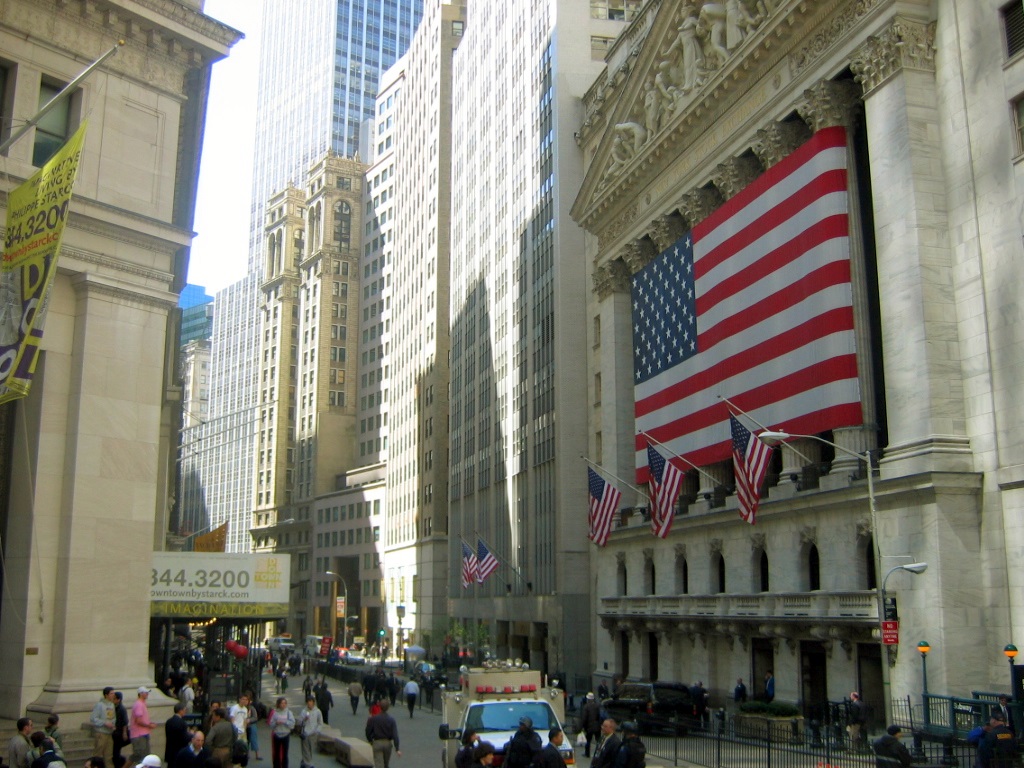
The Geographic and Symbolic Identity of Wall Street
While Wall Street is an actual eight-block-long street in Lower Manhattan, New York City, its meaning extends far beyond its physical borders. It represents the collective financial markets of the United States and the institutions that operate within them.
From a Defensive Wall to a Global Hub
The history of Wall Street dates back to the 17th century when New York was still the Dutch settlement of New Amsterdam. In 1653, a wooden wall was constructed by the Dutch to protect the colony from potential English invasions and Native American attacks. While the wall was eventually dismantled in 1699, the path it followed became a permanent fixture of the city’s layout.
By the late 18th century, the area had become a center for commerce. In 1792, the Buttonwood Agreement was signed by 24 stockbrokers under a buttonwood tree on Wall Street, marking the birth of what would become the New York Stock Exchange (NYSE). Over the next two centuries, the street transformed from a local trading post into the financial capital of the world, surviving crashes, wars, and technological revolutions.
The Symbolism of American Capitalism
In the modern vernacular, Wall Street is often contrasted with “Main Street.” While “Main Street” represents the real economy of small businesses, consumers, and workers, “Wall Street” represents the world of high finance, investment banking, and the elite financial institutions.
This symbolic identity carries weight. When people say, “Wall Street is nervous,” they are referring to a decline in investor confidence or a spike in market volatility. When they speak of “Wall Street’s success,” they are highlighting the profitability of corporations and the rising value of equity markets. It is the barometer of the capitalist system, reflecting the health and sentiment of the global economy.
How Wall Street Functions: The Mechanics of the Market
At its core, Wall Street is a massive marketplace where buyers and sellers trade financial instruments. This ecosystem facilitates the flow of money from those who have it (investors) to those who need it (corporations and governments).
The Role of the New York Stock Exchange (NYSE)
The NYSE is perhaps the most iconic institution on Wall Street. Located at 11 Wall Street, it is the world’s largest stock exchange by market capitalization. The NYSE provides a platform for publicly traded companies to sell shares to the public. These shares represent ownership stakes in the company.
The exchange operates as an auction market. In the past, this involved traders shouting on a “trading floor.” Today, while the iconic floor still exists for television cameras and specialized trades, the vast majority of the work is handled by sophisticated computer systems that match buyers and sellers in microseconds.
NASDAQ and the Electronic Evolution
While not physically located on Wall Street (it is headquartered in Times Square), the NASDAQ is an integral part of the “Wall Street” financial ecosystem. Unlike the NYSE’s auction model, NASDAQ is a “dealer market.” It was the world’s first electronic stock market, and it remains the home for many of the world’s leading technology giants.
The coexistence of the NYSE and NASDAQ ensures a competitive environment that provides liquidity—the ability to buy or sell an asset quickly without causing a significant movement in its price.
Investment Banks and Financial Intermediaries
Wall Street is also synonymous with the “Bulge Bracket” investment banks, such as Goldman Sachs, J.P. Morgan, and Morgan Stanley. These institutions perform several critical functions:
- Underwriting: They help companies “go public” through Initial Public Offerings (IPOs).
- Mergers and Acquisitions (M&A): They advise corporations on buying or merging with other businesses.
- Market Making: They act as intermediaries, holding inventories of stocks and bonds to ensure that trades can always be executed.
The Key Players: Who Moves the Market?
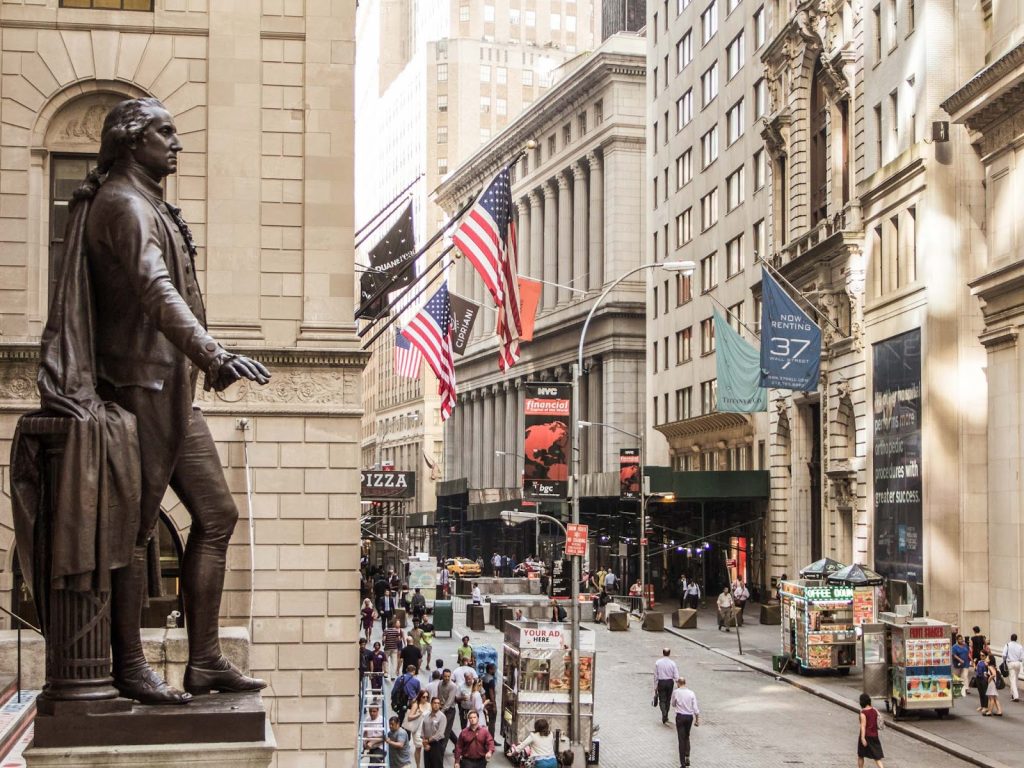
To understand how Wall Street works, one must look at the participants. The market is not a single entity but a collection of diverse actors with different goals, risk tolerances, and strategies.
Institutional Investors vs. Retail Investors
The “big money” on Wall Street comes from institutional investors. These include pension funds, mutual funds, insurance companies, and endowment funds. Because they manage billions of dollars, their trades have the power to move market prices significantly.
Retail investors, on the other hand, are individual people buying and selling stocks through personal brokerage accounts (like Vanguard, Fidelity, or Robinhood). Historically, retail investors had little influence, but the rise of digital platforms and social-media-driven movements has increased their collective power in recent years.
Hedge Funds and Private Equity
Hedge funds are private investment partnerships that use complex strategies—including leverage, short-selling, and derivatives—to earn high returns for their wealthy clients. They are often seen as the “aggressive” side of Wall Street.
Private equity firms operate differently; they raise capital to buy entire companies, take them off the public market, restructure them, and eventually sell them for a profit. These players focus on long-term value creation and corporate governance, often influencing the strategic direction of entire industries.
Regulators and the SEC
Because Wall Street deals with the public’s money, it is heavily regulated. The Securities and Exchange Commission (SEC) is the primary “policeman” of Wall Street. Its mission is to protect investors, maintain fair and orderly markets, and facilitate capital formation. The SEC ensures that public companies disclose essential financial information, preventing insider trading and fraud to maintain the integrity of the system.
Why Wall Street Matters to the Average Individual
It is a common misconception that Wall Street only matters to the wealthy. In reality, the activities on Wall Street have a profound impact on the financial well-being of nearly every citizen in a modern economy.
Influence on Retirement and Savings
If you have a 401(k), an IRA, or a pension plan, you are a participant in Wall Street. These retirement vehicles invest heavily in the stocks and bonds traded on Wall Street exchanges. The growth of your personal wealth over decades is directly tied to the performance of these markets. When Wall Street thrives, your retirement nest egg grows; when it falters, your long-term financial security may require adjustment.
Economic Indicators and Market Sentiment
Wall Street acts as a leading indicator for the broader economy. Stock prices often reflect what investors expect to happen six to nine months in the future. A bull market (rising prices) suggests optimism about corporate earnings and economic growth. A bear market (falling prices) can signal an impending recession. By watching Wall Street, policymakers and individuals can gain insights into the future health of the labor market and consumer prices.
Access to Capital for Business Growth
Beyond individual investing, Wall Street provides the capital that businesses need to innovate and expand. When a company wants to build a new factory, develop a new drug, or expand into international markets, it often raises the necessary funds by issuing stock or bonds on Wall Street. This process creates jobs, fosters innovation, and drives the GDP of the nation.
The Future of Wall Street in the Digital Age
Wall Street is currently undergoing its most significant transformation since the invention of the telegraph. Technology is redefining what it means to be a financial center.
Fintech Disruptions and Algorithmic Trading
Financial Technology (Fintech) is decentralizing Wall Street. Mobile apps have democratized access to the markets, allowing anyone to trade with zero commissions. Meanwhile, “Quant” funds use complex algorithms and Artificial Intelligence (AI) to execute trades in fractions of a second, far faster than any human could. This high-frequency trading now accounts for a significant portion of daily market volume.
Decentralization and New Assets
The rise of blockchain technology and cryptocurrencies represents a potential challenge to the traditional Wall Street structure. Decentralized Finance (DeFi) aims to remove intermediaries like banks and brokers altogether. While Wall Street was initially skeptical, many major firms are now integrating digital assets into their offerings, recognizing that the future of money may be digital and borderless.
The Shift Toward Sustainable Investing (ESG)
Finally, Wall Street is seeing a massive shift in how capital is allocated. Environmental, Social, and Governance (ESG) criteria are becoming central to investment decisions. Investors are increasingly demanding that their money goes toward companies that are not only profitable but also socially responsible. This shift ensures that Wall Street’s influence is being used to address global challenges like climate change and social inequality.
In conclusion, Wall Street is far more than a street in New York. It is a complex, evolving engine of the global economy. For the individual investor, it is the primary venue for wealth creation and financial security. By understanding its history, its mechanics, and its future, you can better navigate the world of money and leverage the power of the markets to achieve your personal financial goals.
aViewFromTheCave is a participant in the Amazon Services LLC Associates Program, an affiliate advertising program designed to provide a means for sites to earn advertising fees by advertising and linking to Amazon.com. Amazon, the Amazon logo, AmazonSupply, and the AmazonSupply logo are trademarks of Amazon.com, Inc. or its affiliates. As an Amazon Associate we earn affiliate commissions from qualifying purchases.