
The stock market is often viewed through two extremes: a high-stakes casino where fortunes are made and lost overnight, or a complex, impenetrable fortress reserved for the financial elite. In reality, the stock market is one of the most accessible and effective tools for building long-term wealth. Investing is not about timing the market or finding the next “moonshot” stock; it is about the disciplined allocation of capital into productive businesses over time.
For many, the hurdle isn’t a lack of funds, but a lack of clarity. Understanding how to navigate the terminology, platforms, and psychological challenges of investing is the first step toward financial independence. This guide will walk you through the essential components of stock market participation, moving from foundational concepts to execution and long-term strategy.
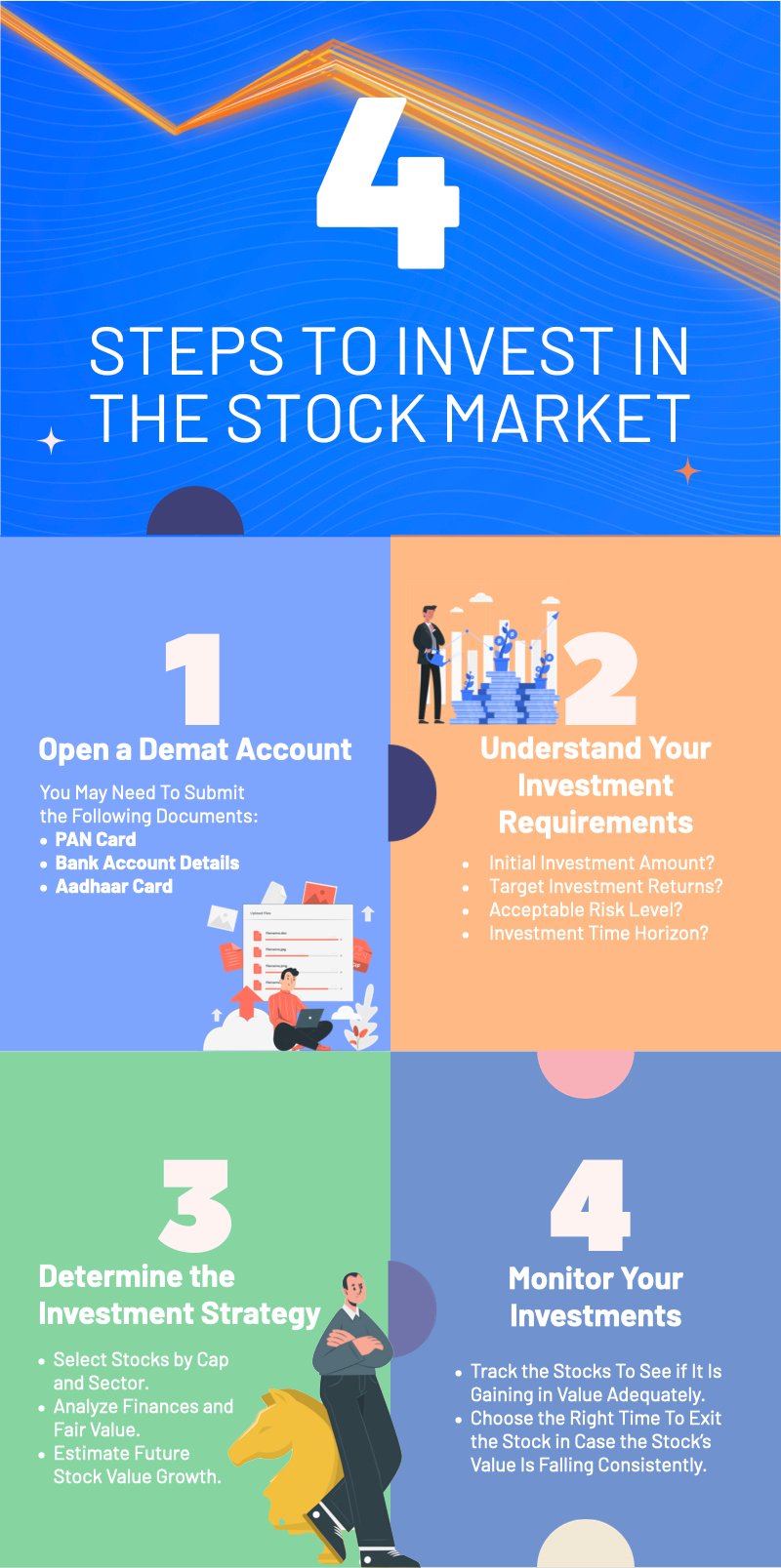
1. Laying the Foundation: Understanding Market Fundamentals
Before deploying a single dollar, it is crucial to understand what the stock market represents. At its core, the stock market is a collection of exchanges where shares of publicly held companies are issued, bought, and sold. When you purchase a share of a company, you are purchasing a fractional ownership stake in that business.
What Does It Mean to Own a Stock?
Owning a stock means you have a claim on a portion of the company’s assets and earnings. If the company grows and becomes more profitable, the value of your shares generally increases. Some companies also distribute a portion of their profits directly to shareholders in the form of dividends. Historically, the stock market has provided an average annual return of approximately 10% (before inflation), significantly outperforming savings accounts and bonds over long horizons.
The Relationship Between Risk and Reward
In the world of finance, risk and reward are inextricably linked. Higher potential returns typically come with higher volatility—the frequency and intensity of price swings. To be a successful investor, you must determine your risk tolerance: how much of a market decline can you stomach without panic-selling? Understanding that the market moves in cycles of “bull” (rising) and “bear” (falling) markets is essential for maintaining a professional perspective on your portfolio’s performance.
2. Financial Prerequisites: Preparing to Invest
Investing should never be the first step in a financial plan. It is the engine that accelerates wealth, but the vehicle must be structurally sound before you hit the gas. Throwing money into the market while your financial foundation is crumbling is a recipe for disaster.
Building a Robust Emergency Fund
The stock market is volatile in the short term. If you invest money that you might need for a car repair or a medical bill three months from now, you may be forced to sell your positions during a market downturn, locking in losses. Professional financial planning dictates that you should have three to six months of living expenses in a high-yield savings account before you begin investing. This “cash cushion” allows your investments to remain untouched, giving them the time they need to compound.
Eliminating High-Interest Debt
Not all debt is created equal, but high-interest debt—typically credit card balances with interest rates north of 15%—is a wealth killer. If the stock market returns an average of 10% and your credit card charges you 20%, you are effectively losing money by investing instead of paying off the debt. Prioritize clearing high-interest liabilities to ensure that your investment returns are actually working for your net worth, rather than just offsetting interest payments elsewhere.
3. Selecting Your Strategy: Passive vs. Active Investing
Once your finances are in order, you must decide how you will approach the market. There are two primary schools of thought: active investing and passive investing. Your choice will depend on your interest level, your time availability, and your ultimate financial goals.
The Case for Passive Investing and Index Funds
For the vast majority of people, passive investing is the most effective path. This strategy involves buying “index funds” or Exchange-Traded Funds (ETFs) that track a specific segment of the market, such as the S&P 500. Instead of trying to pick the “best” company, you buy a small piece of every major company.
The primary advantage here is diversification. If one company in an index of 500 fails, the impact on your total portfolio is minimal. Furthermore, passive funds generally have much lower fees (expense ratios) than actively managed funds. Over long periods, the overwhelming majority of professional fund managers fail to beat the performance of the broader market index, making “buying the haystack” a statistically superior move to “looking for the needle.”
Active Investing: Individual Stock Picking
Active investing involves researching individual companies, analyzing their financial statements, and trying to identify undervalued stocks that will outperform the market. This requires a significant time commitment and a deep understanding of business fundamentals. While the potential for outsized gains exists, so does the risk of significant loss. Most seasoned investors recommend a “Core and Satellite” approach: putting the majority of your capital into diversified index funds (the core) while allocating a small percentage to individual stocks you believe in (the satellite).
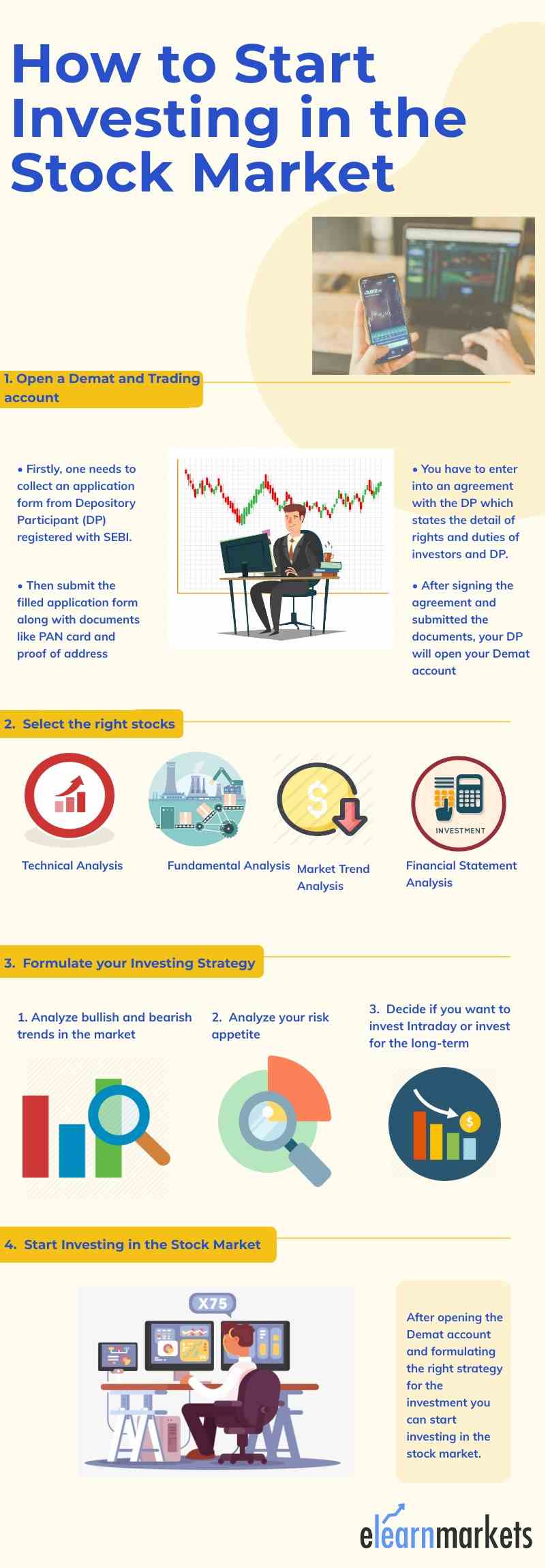
4. Execution: Opening and Managing Your Brokerage Account
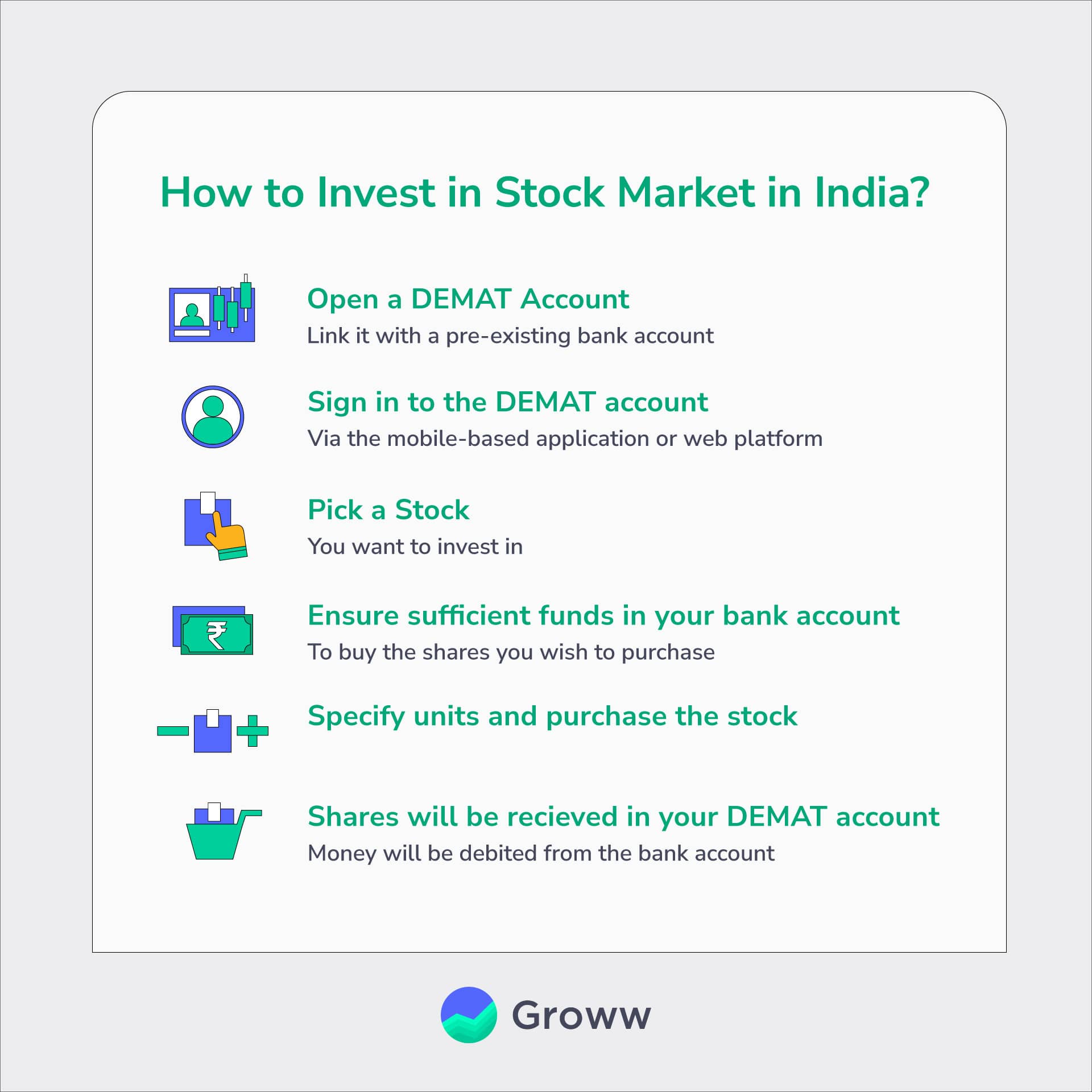
To buy stocks, you need a brokerage account. In the modern era, the barrier to entry is lower than ever, with many reputable firms offering zero-commission trades and user-friendly interfaces.
Choosing the Right Brokerage and Account Type
When selecting a broker, look for established institutions with low fees and robust educational resources. Beyond the platform, you must choose the right type of account based on your goals:
- Tax-Advantaged Accounts (IRAs/401ks): These are designed for retirement. They offer significant tax breaks, either by lowering your taxable income today (Traditional) or allowing for tax-free withdrawals in the future (Roth).
- Taxable Brokerage Accounts: These offer the most flexibility. You can withdraw your money at any time without penalty, but you will owe taxes on any capital gains or dividends earned.
The Mechanics of Buying a Stock
Once your account is funded, you place an “order.” A Market Order executes the trade immediately at the current market price. A Limit Order allows you to set a maximum price you are willing to pay; the trade only executes if the stock hits that price. For long-term investors, the exact entry price is often less important than the “time in the market,” but understanding these tools helps you manage your trades with precision.
5. Mastering the Long-Term Mindset: The Power of Compounding
The final, and perhaps most difficult, aspect of investing is the psychological discipline required to stay the course. The stock market rewards patience and punishes emotional reactivity.
Harnessing Compound Interest
Albert Einstein reportedly called compound interest the “eighth wonder of the world.” Compounding occurs when the earnings on your investments begin to earn their own earnings. In the early years, the growth may seem slow. However, over decades, the curve becomes exponential. A consistent investment of $500 a month into a market-tracking fund can grow into over a million dollars over 30 years, not because of a “lucky break,” but because of the mathematical certainty of compounding.
Diversification and Periodic Rebalancing
A professional portfolio is never “static.” Diversification means spreading your investments across different sectors (tech, healthcare, energy) and different asset classes (stocks, bonds, real estate). Over time, some assets will grow faster than others, causing your portfolio to become lopsided. For example, if tech stocks have a massive year, they might represent 80% of your portfolio when you only intended for them to be 50%. Rebalancing—the act of selling some of your “winners” and buying more of your “underperformers”—ensures that you are constantly selling high and buying low, maintaining your desired risk profile.
In conclusion, investing in the stock market is a marathon, not a sprint. By building a solid financial foundation, choosing a diversified strategy, and maintaining the discipline to stay invested through market fluctuations, you transform your labor into capital. In the world of finance, time is your greatest asset. The best time to start was ten years ago; the second best time is today.
aViewFromTheCave is a participant in the Amazon Services LLC Associates Program, an affiliate advertising program designed to provide a means for sites to earn advertising fees by advertising and linking to Amazon.com. Amazon, the Amazon logo, AmazonSupply, and the AmazonSupply logo are trademarks of Amazon.com, Inc. or its affiliates. As an Amazon Associate we earn affiliate commissions from qualifying purchases.