
The question “What’s the Dow at?” is perhaps the most frequently asked query in the world of finance. Whether it is whispered on the floor of the New York Stock Exchange, typed into a search engine during a mid-day coffee break, or discussed during a quarterly earnings call, the Dow Jones Industrial Average (DJIA) serves as the shorthand for the health of the American economy. However, for the serious investor, the number itself is only the beginning of the story. Understanding what moves that number, why it matters, and how it relates to a broader financial strategy is essential for anyone looking to navigate the complexities of modern markets.
Decoding the Dow Jones Industrial Average
To understand “what the Dow is at,” one must first understand what it actually represents. Established in 1896 by Charles Dow and Edward Jones, the index began as a simple average of 12 industrial companies. Today, it has evolved into a sophisticated, albeit unique, benchmark of 30 “blue-chip” American companies.
What is the DJIA?
The Dow Jones Industrial Average is a price-weighted measurement of 30 prominent companies listed on stock exchanges in the United States. Unlike other indices that may track thousands of small-cap stocks, the Dow focuses exclusively on the titans of industry—companies that are leaders in their respective sectors and possess a reputation for sustained growth and reliability. Because these companies represent a cross-section of the U.S. economy (excluding utilities and transportation, which have their own indices), the Dow is often viewed as a barometer for the general health of the domestic market.
How the Dow is Calculated: Price-Weighted vs. Market Cap
One of the most critical distinctions between the Dow and other indices like the S&P 500 is its “price-weighted” nature. In a price-weighted index, companies with higher share prices exert more influence over the index’s movement than those with lower share prices, regardless of the company’s actual size or total market capitalization. To keep the index consistent over time—accounting for stock splits and dividends—the sum of the component prices is divided by the “Dow Divisor.” This mathematical constant ensures that a stock split doesn’t cause a massive, artificial drop in the index level.
The 30 Blue-Chip Components
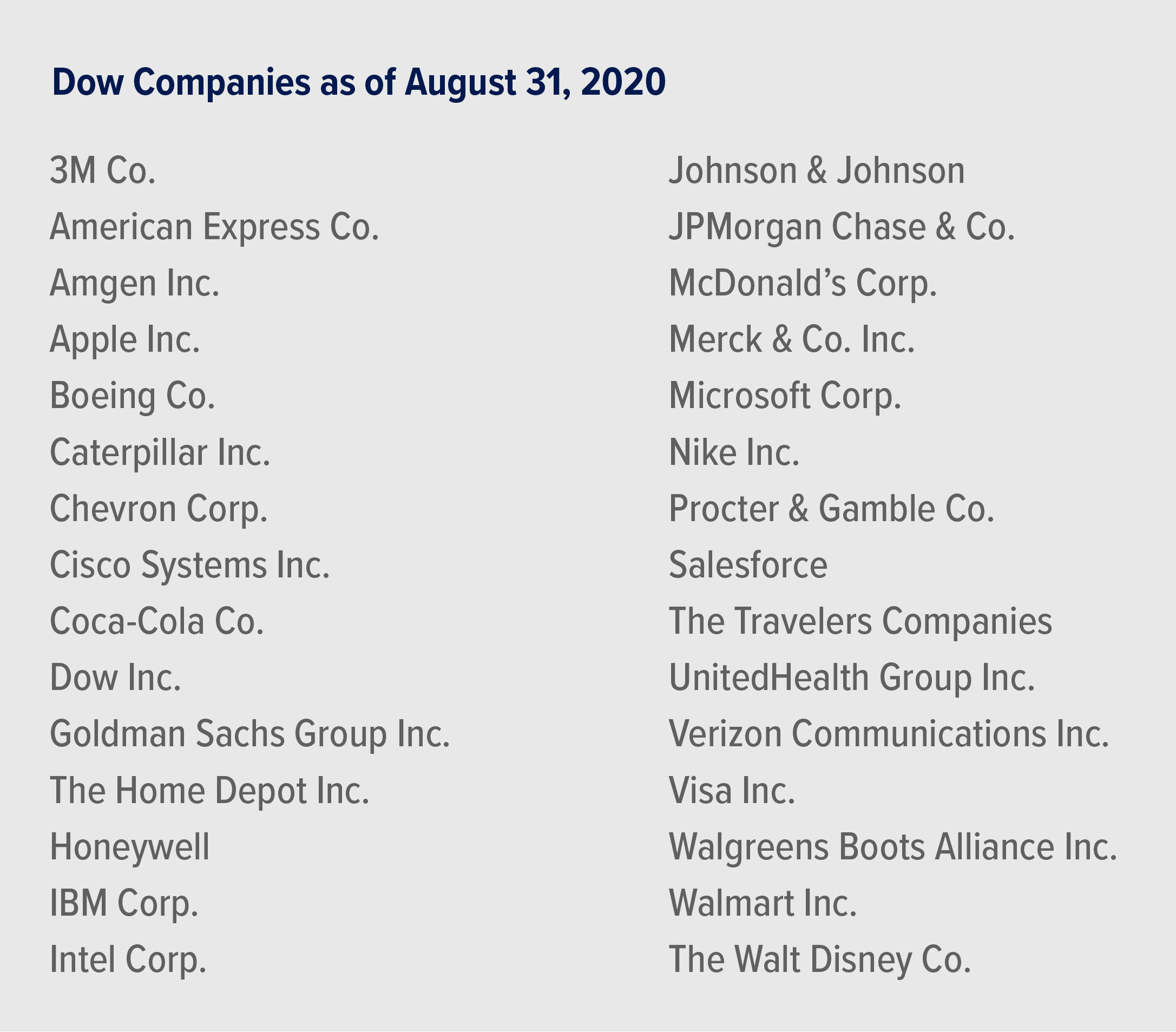
The components of the Dow are not static; they are curated by the Averages Committee at S&P Dow Jones Indices. To be included, a company must have an excellent reputation, demonstrate sustained growth, and be of interest to a large number of investors. Current members include household names like Apple, Microsoft, Goldman Sachs, and Home Depot. Because these 30 companies are so deeply integrated into global supply chains and consumer habits, their collective performance offers an immediate snapshot of corporate America’s profitability.
Why Investors Constantly Ask “What’s the Dow At?”
The fixation on the Dow’s daily fluctuations isn’t just a habit; it is rooted in the psychological and practical needs of the investing public. Even in an era of high-frequency trading and complex algorithms, the “headline number” of the Dow remains a primary point of reference.
The Dow as a Psychological Benchmark
For the average person, the Dow is the stock market. When the Dow is “up,” people feel a sense of economic optimism; when it “plummets,” it triggers a sense of caution or even panic. This psychological impact cannot be overstated. A rising Dow often leads to increased consumer confidence, which in turn can lead to higher spending and further economic expansion. Conversely, a sharp decline in the Dow can lead to a “wealth effect” in reverse, where investors feel poorer and scale back their spending, potentially slowing the economy.
Identifying Market Trends and Volatility
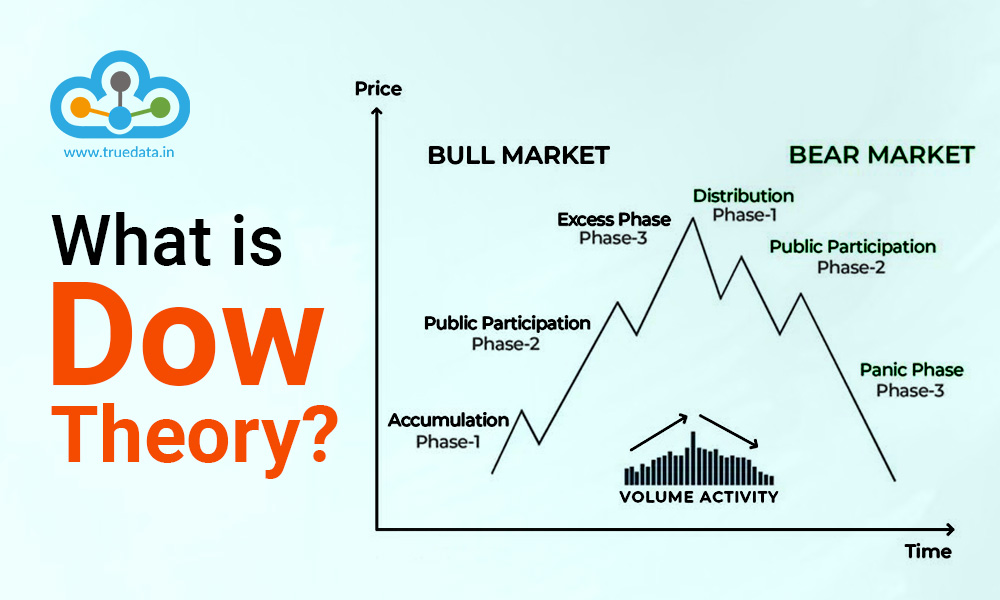
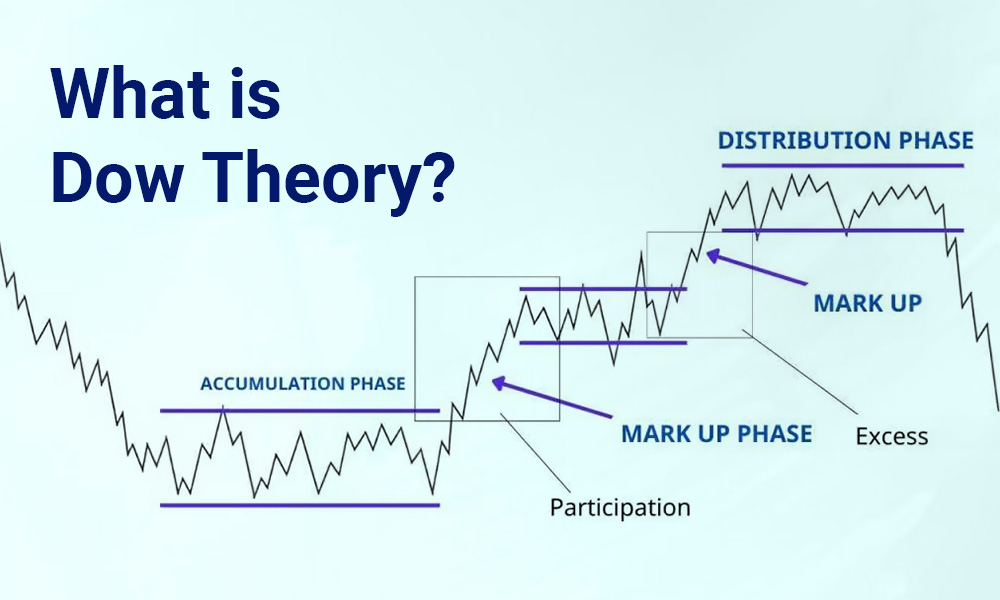
By tracking where the Dow is relative to its moving averages (such as the 50-day or 200-day average), technical analysts can identify whether we are in a bull or bear market. The Dow’s movements help investors gauge market “sentiment.” High volatility in the Dow—characterized by large daily swings—often signals uncertainty regarding interest rates, inflation, or geopolitical stability. For a long-term investor, these swings are noise, but for a tactical trader, they represent opportunities to capitalize on short-term mispricings.
Historical Significance and Long-Term Performance
Looking at the Dow’s level today only provides value when viewed through the lens of history. Since its inception, the Dow has survived world wars, depressions, and pandemics. Despite these challenges, its long-term trajectory has been undeniably upward. Investors look at the current level of the Dow to determine if the market is overvalued (trading at high Price-to-Earnings ratios) or undervalued. It serves as a historical yardstick that helps put current economic cycles into perspective.
Factors That Move the Dow
When an investor asks “What’s the Dow at?”, they are often reacting to external catalysts. The index does not move in a vacuum; it is the product of various macroeconomic and microeconomic forces that influence the 30 component companies.
Interest Rates and Federal Reserve Policy
Perhaps the most significant driver of the Dow in the modern era is the Federal Reserve. Interest rates determine the cost of borrowing for corporations. When the Fed raises rates to combat inflation, it becomes more expensive for companies to expand, and future earnings are discounted more heavily, often leading to a drop in the Dow. Conversely, when rates are lowered, liquidity enters the market, and the Dow typically moves higher as investors seek better returns in equities than in bonds.
Corporate Earnings Reports
Every quarter, the companies within the Dow report their financial results. Because the index only contains 30 stocks, a massive beat or miss by a heavy-hitter like UnitedHealth Group or Salesforce can single-handedly move the entire index. Investors watch “earnings season” closely, looking for growth in revenue, expansion of profit margins, and—most importantly—forward-looking guidance. If the titans of the Dow are optimistic about the future, the index reflects that confidence.
Geopolitical Events and Macroeconomic Data
The Dow is highly sensitive to global news. Trade agreements, international conflicts, and changes in oil prices all ripple through the Dow’s components. For example, a company like Boeing is heavily influenced by international trade relations, while energy prices affect the overhead of almost every industrial member. Additionally, monthly reports on the Consumer Price Index (CPI) and employment data (Non-farm Payrolls) serve as catalysts that can cause the Dow to jump or dive within seconds of their release.
The Dow vs. Other Major Indices
While the Dow is the most famous index, it is not the only one. Understanding the difference between the Dow and its counterparts is vital for building a balanced investment portfolio.
Dow vs. S&P 500: Diversification Differences
The S&P 500 tracks 500 of the largest U.S. companies and is market-cap weighted. Many professionals prefer the S&P 500 because it is more diversified and reflects a broader range of the economy. While the Dow tells you how the “big players” are doing, the S&P 500 provides a more granular look at the overall market. Because of its price-weighting, the Dow can sometimes be “skewed” by a single high-priced stock, whereas the S&P 500 is moved by the collective value of all its members.
Dow vs. Nasdaq: Tech-Heavy vs. Traditional
The Nasdaq Composite is heavily weighted toward the technology and growth sectors. While the Dow includes tech giants like Apple and Microsoft, it also includes “old economy” sectors like insurance, oil, and retail. During periods of rapid technological advancement, the Nasdaq may significantly outperform the Dow. However, during market downturns, the Dow’s inclusion of value-oriented, dividend-paying companies often makes it more resilient than the tech-heavy Nasdaq.
Which Index Should You Follow?
The answer depends on your investment goals. If you want to know how “Main Street” and established “Blue Chips” are performing, the Dow is your best bet. If you are looking for a comprehensive view of the entire U.S. equity market, the S&P 500 is the standard. If you are focused on innovation and the digital economy, the Nasdaq is the primary indicator. Most successful investors keep an eye on all three to get a 360-degree view of the financial landscape.
Investing Beyond the Headline Number
Ultimately, knowing “what the Dow is at” is only useful if you know how to act on that information. Investing in the Dow is a classic strategy for those seeking stability and long-term growth.
Using Index Funds and ETFs (DIA)
You cannot “buy” the Dow Jones Industrial Average directly because it is an index, not a stock. However, you can invest in exchange-traded funds (ETFs) that track the index. The most famous of these is the SPDR Dow Jones Industrial Average ETF Trust, known by its ticker symbol, DIA (often called “Diamonds”). By purchasing shares of DIA, an investor gains exposure to all 30 companies in the Dow in one transaction, providing instant diversification among the world’s most successful corporations.
The Limitations of the Dow
Investors must be wary of the Dow’s limitations. Because it only tracks 30 stocks, it misses out on the explosive growth of small-cap and mid-cap companies. Furthermore, its price-weighted methodology is often criticized by academics as being an antiquated way of measuring market value. It is possible for the Dow to be “at” an all-time high while the majority of stocks in the broader market are actually declining.
Developing a Long-Term Strategy
Rather than obsessing over daily fluctuations, the most successful investors use the Dow as a guidepost. They recognize that while the Dow might be “down” today due to a temporary news cycle, the underlying companies are global leaders with robust balance sheets. A sound financial strategy involves looking past the “what’s it at” question and focusing on “where is it going over the next decade.” By combining Dow-tracking investments with other assets like international stocks, bonds, and real estate, an investor can build a resilient portfolio capable of weathering any market environment.
In conclusion, “What’s the Dow at?” is more than a question about a number. It is a query about the state of global commerce, the confidence of the American consumer, and the trajectory of future prosperity. By understanding the mechanics, the psychology, and the influences behind the index, you can move from being a casual observer to an informed participant in the global financial system.
aViewFromTheCave is a participant in the Amazon Services LLC Associates Program, an affiliate advertising program designed to provide a means for sites to earn advertising fees by advertising and linking to Amazon.com. Amazon, the Amazon logo, AmazonSupply, and the AmazonSupply logo are trademarks of Amazon.com, Inc. or its affiliates. As an Amazon Associate we earn affiliate commissions from qualifying purchases.