
The rhythmic ticking of the global financial clock is something most investors take for granted. We expect the green and red candles of our trading platforms to flicker into life at 9:30 AM Eastern Time and conclude their dance at 4:00 PM. However, there are specific days when the floor of the New York Stock Exchange (NYSE) remains silent and the digital servers of the Nasdaq sit idle. Understanding why the stock market is closed today is not merely a matter of checking a calendar; it is a fundamental aspect of professional financial management and strategic portfolio positioning.

For the modern investor, market closures represent a pause in liquidity, a moment for reflection, and occasionally, a response to systemic volatility. Whether the closure is a result of a scheduled federal holiday, a national day of mourning, or an emergency circuit breaker, these “dark days” play a crucial role in the ecosystem of business finance.
The Architecture of Scheduled Closures: Federal Holidays and the Trading Calendar
The most common reason the stock market is closed today involves the observance of federal holidays in the United States. The NYSE and Nasdaq generally follow the schedule set by the Securities Industry and Financial Markets Association (SIFMA). These closures are designed to align the financial sector with the broader federal government and banking systems.
The Standard Holiday Schedule
The U.S. stock market observes nine major holidays and one early closure. These include New Year’s Day, Martin Luther King Jr. Day, Washington’s Birthday (Presidents’ Day), Good Friday, Memorial Day, Juneteenth National Independence Day, Independence Day, Labor Day, Thanksgiving Day, and Christmas Day.
When a holiday falls on a Saturday, the market typically closes on the preceding Friday. If it falls on a Sunday, the market closes on the following Monday. This synchronization ensures that clearinghouses and banks, which facilitate the movement of funds behind every trade, are operational when the market is active. For an investor, knowing these dates is the first step in avoiding “liquidity traps”—situations where you might need to exit a position but find the doors locked.
The Concept of “Bank Holidays” vs. “Market Holidays”
It is important to distinguish between a bank holiday and a stock market holiday. While they often overlap, they are not identical. For instance, the bond market often closes on Columbus Day (Indigenous Peoples’ Day) and Veterans Day, while the stock market remains open for equity trading. This discrepancy can lead to lower-than-average trading volume, as institutional investors who rely on the bond market for hedging may stay on the sidelines. Understanding this nuance allows sophisticated traders to anticipate “thin” markets where price swings can be more erratic due to lower participation.
The Cultural and Economic Logic of Closures
Why does the market close at all in an era of 24/7 digital connectivity? The primary reason is human and systemic. Despite the rise of Algorithmic Trading and AI, the financial system still requires human oversight for high-level decision-making and regulatory compliance. Closures provide a necessary window for technical maintenance, software updates, and the reconciliation of complex international trades that occurred during the week.
Extraordinary Circumstances: When the Market Closes Unexpectedly
While most closures are predictable, the stock market can shut down due to unforeseen events. These “black swan” closures are rare but carry significant weight in the world of business finance. When the market closes today for non-holiday reasons, it is usually a defensive measure intended to protect the integrity of the financial system.
Market-Wide Circuit Breakers
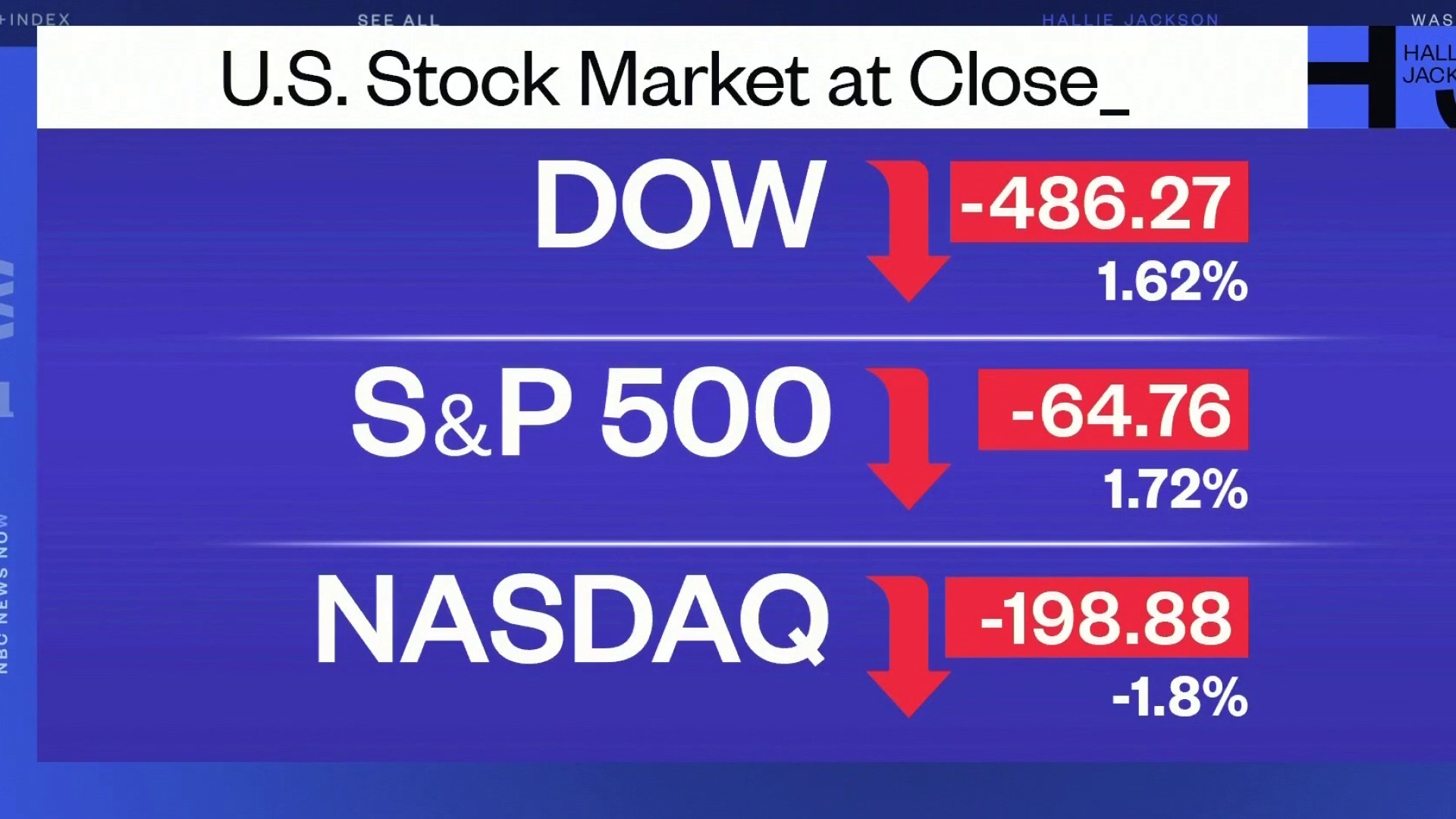
One of the most dramatic reasons for a market halt is the activation of “circuit breakers.” Established after the “Black Monday” crash of 1987, these are mandatory pauses in trading triggered by significant percentage drops in the S&P 500 index.
- Level 1: A 7% drop triggers a 15-minute halt.
- Level 2: A 13% drop triggers another 15-minute halt.
- Level 3: A 20% drop results in the market closing for the remainder of the day.
These pauses are designed to prevent panic selling, allowing investors to digest information and ensuring that the exchange’s technical infrastructure can handle the surge in order flow.
National Emergencies and Days of Mourning
History has shown that the stock market will close in honor of significant national events. Most notably, the NYSE closed for four days following the September 11 attacks in 2001 to prevent a total collapse of the financial sector and to allow for the physical recovery of the Wall Street area. Similarly, the market often closes for a full day of mourning following the death of a former U.S. President. These closures serve as a reminder that the stock market is an institution embedded within the fabric of national identity, not just a detached digital utility.
Technical Glitches and Cybersecurity Halts
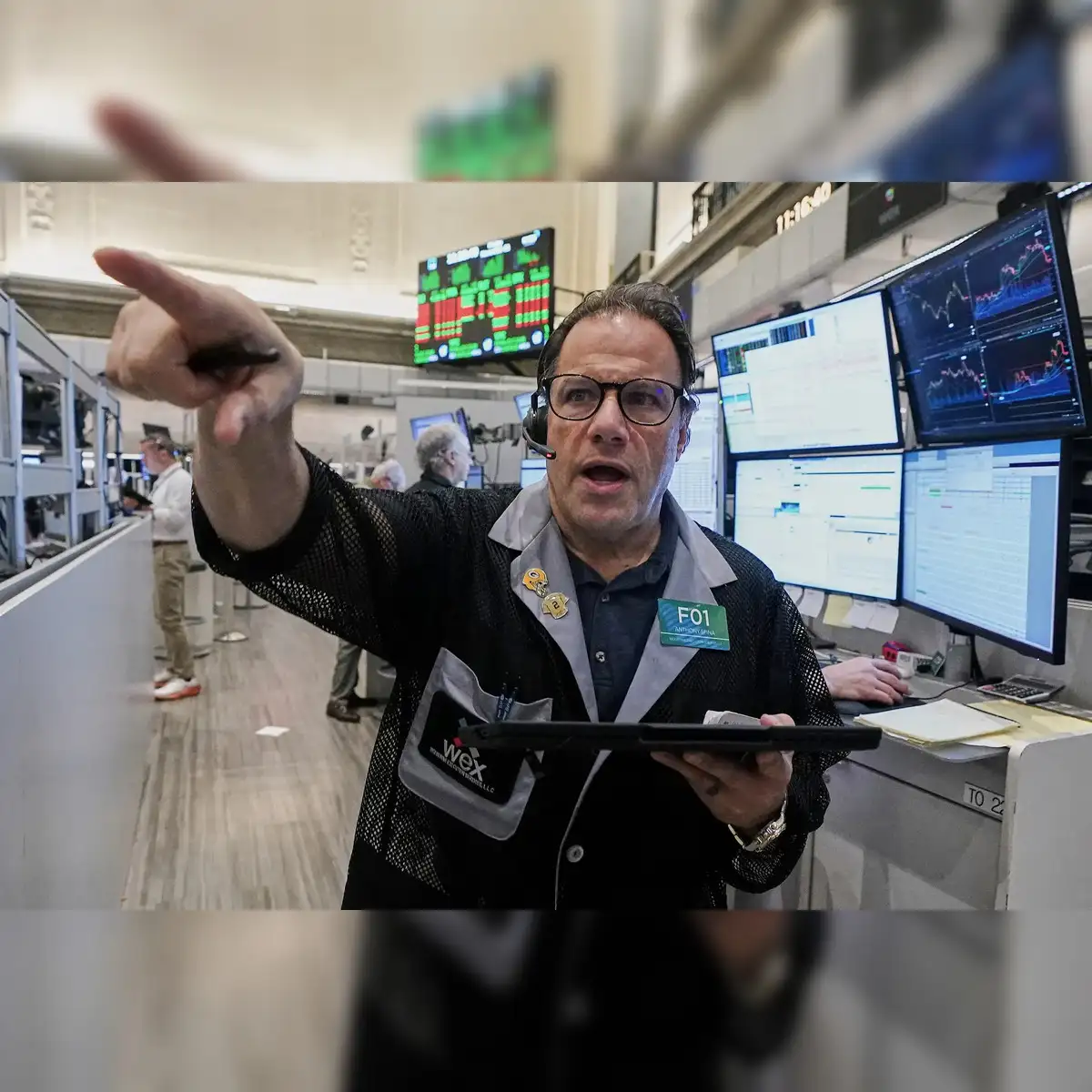
In our hyper-connected age, the “market” is essentially a giant network of computers. Occasionally, technical failures or cybersecurity threats can force a closure. While rare, events like the 2013 Nasdaq flash freeze remind us that the infrastructure of money is vulnerable. If a major exchange detects a breach or a significant data feed error, they will halt trading immediately to ensure that no investor is disadvantaged by incorrect pricing data.
The Global Perspective: Navigating International Market Downtime
For the modern investor, the world of finance does not end at the borders of the United States. If the domestic market is closed today, it is highly likely that international exchanges are humming with activity. This global fragmentation creates both risks and opportunities.
Time Zone Arbitrage and the 24-Hour Cycle
While the NYSE is closed, markets in London (LSE), Tokyo (TSE), and Hong Kong (HKEX) continue to operate on their local schedules. Global events—such as a sudden change in interest rates by the European Central Bank or an economic report from China—can occur while U.S. investors are offline. This creates “gap risk,” where the price of a stock or ETF might open significantly higher or lower the next morning than where it closed the previous day.
Cultural Variations in Market Schedules
Different regions have different priorities. For example, markets in the Middle East often operate on a Sunday-to-Thursday schedule to accommodate Friday prayers. Asian markets may close for extended periods during the Lunar New Year. For an investor with a diversified international portfolio, tracking these regional closures is vital for managing currency risk and ensuring that stop-loss orders are placed effectively.
The Role of ADRs and Global ETFs
Many international companies are traded in the U.S. as American Depositary Receipts (ADRs). When the U.S. market is closed, the underlying shares of these companies are still trading on their home exchanges. This means that even if you cannot trade “today,” the value of your assets is still moving. Savvy investors use this downtime to monitor the “home market” performance of their international holdings to predict how they will open on the domestic exchange the following day.
Managing Your Portfolio During Market Downtime
A closed market should not mean a closed mind. For professional investors and those focused on long-term wealth building, days when the market is closed are some of the most productive periods for strategic planning.
The Strategic Value of “After-Hours” and “Pre-Market” Trading
Even when the “regular” market is closed, Electronic Communication Networks (ECNs) allow for limited trading during pre-market and after-hours sessions. While these sessions offer less liquidity and higher volatility, they are where the initial reaction to breaking news (like earnings reports or geopolitical shifts) happens. Understanding how to navigate these thin markets can give an investor a head start before the opening bell rings.
Conducting Fundamental Research
The best use of a day when the stock market is closed is deep-dive research. Without the distraction of fluctuating price tickers, investors can focus on reading SEC filings, quarterly earnings transcripts, and industry white papers. This is the time to reassess the “thesis” of your investments. Is the company still growing? Are the debt levels manageable? Business finance is about the long-term health of an entity, and a closed market provides the quiet necessary to evaluate that health accurately.
Setting Orders for the Reopening
Market closures are an excellent time to audit your “Order Book.” Using limit orders—rather than market orders—is particularly important when the market has been closed for a day or more. Since news can accumulate during the closure, the opening price can be volatile. A limit order ensures that you only buy or sell at a price you have pre-determined, protecting you from “slippage” during the initial opening rush.
Conclusion: The Importance of the Pause
Why is the stock market closed today? Whether it is for a holiday, a technical necessity, or a response to extreme volatility, these pauses are a fundamental part of the financial system. They provide the necessary friction to prevent a total “mechanical” takeover of price discovery and allow human participants to reset, recalibrate, and plan.
For the disciplined investor, a closed market is not a lost opportunity but a scheduled period of preparation. By understanding the calendar, respecting the reasons for unexpected halts, and utilizing the downtime for rigorous research, you turn a quiet day on Wall Street into a competitive advantage for your personal finance journey. The market may be closed today, but the business of wealth creation never truly stops.
aViewFromTheCave is a participant in the Amazon Services LLC Associates Program, an affiliate advertising program designed to provide a means for sites to earn advertising fees by advertising and linking to Amazon.com. Amazon, the Amazon logo, AmazonSupply, and the AmazonSupply logo are trademarks of Amazon.com, Inc. or its affiliates. As an Amazon Associate we earn affiliate commissions from qualifying purchases.