
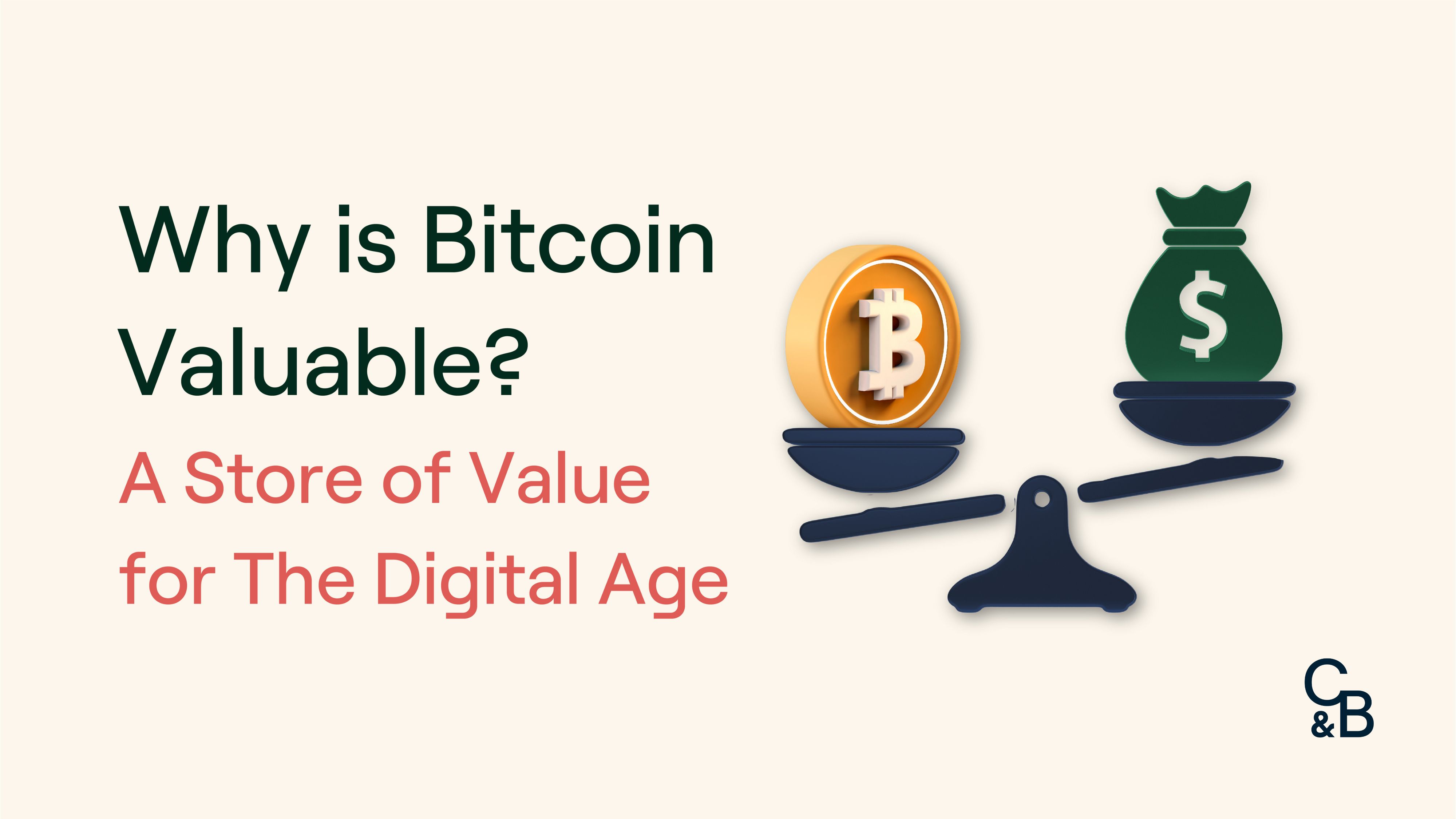
For over a decade, Bitcoin has transitioned from an obscure cryptographic experiment into a trillion-dollar asset class that rivals the market capitalization of the world’s largest corporations. Yet, for many traditional investors and casual observers, the central question remains: Why is Bitcoin valuable? Unlike a stock, it has no earnings or dividends; unlike a bond, it pays no interest; and unlike a house, you cannot live in it.
The value of Bitcoin is not found in physical form but in its unique monetary properties. It represents a paradigm shift in how humanity defines, stores, and transfers wealth. To understand its value from a financial perspective, one must look at it through the lenses of scarcity, utility, and the growing institutional confidence that is reshaping the modern investment landscape.

The Economic Pillars: Absolute Scarcity and Monetary Policy
At the heart of Bitcoin’s value proposition is its radical departure from traditional fiat currency. While central banks can print unlimited amounts of dollars, euros, or yen—effectively diluting the purchasing power of their citizens—Bitcoin operates on a fixed, immutable supply.
Absolute Scarcity vs. Relative Scarcity
In the world of finance, scarcity is a primary driver of value. Gold is valuable because it is difficult to find and mine; however, if a massive new gold deposit were discovered, the supply would increase, and the price would likely drop. This is “relative scarcity.”
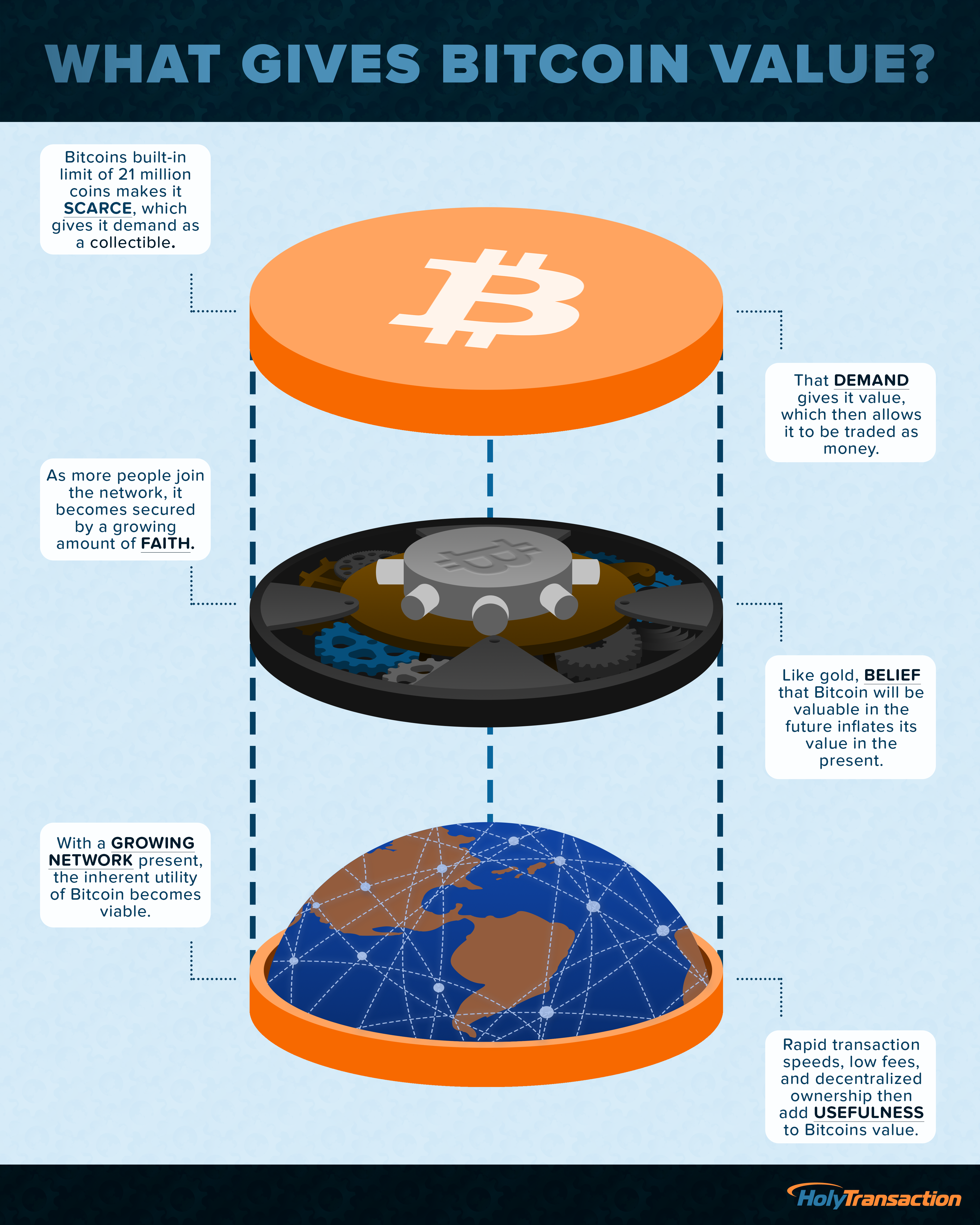
Bitcoin introduced the concept of “absolute scarcity.” There will only ever be 21 million bitcoins. This limit is hardcoded into the software and enforced by a global network of computers. This makes Bitcoin the first asset in history where the supply is completely decoupled from the demand. No matter how high the price goes, more Bitcoin cannot be created beyond the pre-programmed limit. For investors looking for a “hard money” alternative to inflationary fiat currencies, this fixed supply is the ultimate insurance policy.
The Halving Cycle and Supply Dynamics
Bitcoin’s monetary policy is not just fixed; it is transparent and predictable. Roughly every four years, an event known as “the halving” occurs, which cuts the rate at which new bitcoins are issued in half. This creates a supply-side shock that historically leads to significant price appreciation.
From an investing standpoint, this predictability is invaluable. Unlike the Federal Reserve’s “Open Market Committee” meetings, where interest rate decisions can surprise the market, Bitcoin’s supply schedule is known decades in advance. This transparency reduces the “inflation risk” that plagues traditional investment portfolios, positioning Bitcoin as a premier store of value for the digital age.
Utility in the Global Financial Ecosystem
Beyond its scarcity, Bitcoin derives value from its utility as a financial tool. It is often described as “Digital Gold,” but it is actually more functional than physical gold in several key ways. It is easier to transport, verify, and divide, making it a highly efficient medium for the modern economy.
A Hedge Against Currency Devaluation
In developed economies, Bitcoin is often viewed as a speculative investment. However, in emerging markets experiencing hyperinflation—such as Argentina, Turkey, or Lebanon—Bitcoin serves as a vital financial lifeline. When a local currency loses 50% or more of its value in a single year, Bitcoin provides a way for individuals and businesses to preserve their purchasing power.
Because Bitcoin is decentralized, it does not rely on any specific government’s fiscal responsibility. It acts as a neutral, global asset that allows anyone with an internet connection to opt out of a failing local monetary system. This “censorship-resistant” nature ensures that wealth can be stored and moved without the permission of a centralized authority.
Borderless Transactions and Financial Inclusion
The traditional banking system is often slow and expensive, especially for cross-border transactions. Sending $10,000 from New York to London can take days and incur significant fees through the SWIFT network. Bitcoin, however, operates 24/7/365. A transaction of $100 million can be sent across the globe for a fraction of the cost of a wire transfer, settling in minutes rather than days.
Furthermore, Bitcoin offers financial inclusion to the “unbanked.” There are billions of people globally who have access to a smartphone but do not have access to a traditional bank account. Bitcoin allows these individuals to participate in the global economy, save money, and conduct business without needing a legacy financial intermediary.
The Network Effect and Institutional Adoption
The value of a financial network is often determined by the number of its users—a concept known as Metcalfe’s Law. As more people, corporations, and governments hold Bitcoin, the network becomes more secure, more liquid, and ultimately more valuable.
From Retail Interest to Corporate Balance Sheets
In its early years, Bitcoin was primarily driven by retail “HODLers” and tech enthusiasts. That changed in 2020 when major corporations began adding Bitcoin to their balance sheets. Companies like MicroStrategy and Tesla signaled to the financial world that Bitcoin was no longer a peripheral experiment but a legitimate corporate reserve asset.
When a corporation chooses Bitcoin over cash reserves, it is making a calculated financial decision. Cash is a “melting ice cube” that loses value due to inflation. Bitcoin, conversely, is seen as a way to protect the company’s long-term purchasing power. This shift in corporate strategy has added a layer of fundamental demand that stabilizes the market and validates the asset’s long-term viability.
The Role of Bitcoin ETFs in Modern Portfolios
The approval of Spot Bitcoin Exchange-Traded Funds (ETFs) in early 2024 marked a watershed moment for the asset class. By allowing institutional giants like BlackRock and Fidelity to offer Bitcoin to their clients, the barrier to entry was effectively dismantled.
ETFs provide a regulated, familiar vehicle for pension funds, 401(k)s, and sovereign wealth funds to gain exposure to Bitcoin. This “institutionalization” of the asset brings massive amounts of liquidity and professional oversight to the market. As Bitcoin becomes a standard component of the 60/40 portfolio, its status as a “digital gold” is cemented, driving further value through widespread adoption.
Decentralization as a Security Premium
A significant portion of Bitcoin’s value is derived from its security. The Bitcoin network is the most powerful computational network in the world, protected by a process called “Proof of Work.” This decentralization ensures that no single entity—be it a government, a bank, or a hacker—can control or shut down the network.
Resistance to Censorship and Seizure
In the traditional financial system, your assets are held by third parties. Banks can freeze accounts, and governments can seize assets. This creates “counterparty risk.” Bitcoin eliminates this risk. If you hold your own private keys, you have total control over your wealth.
In a world where geopolitical instability is on the rise, the ability to hold an asset that is “outside the system” is increasingly valuable. This “sovereignty premium” attracts high-net-worth individuals and institutional investors who want to diversify away from the risks inherent in centralized financial institutions.
The Integrity of the Ledger
Bitcoin is, at its core, a perfect accounting system. Every transaction is recorded on a public ledger that is transparent and immutable. Unlike the opaque balance sheets of many modern financial institutions, the Bitcoin blockchain is auditable by anyone at any time.
This transparency builds trust. In finance, trust is the ultimate currency. Because the market can verify the total supply and the validity of every transaction without relying on a middleman, the “trust tax” associated with traditional finance is eliminated. This efficiency and integrity are fundamental components of why Bitcoin is perceived as a superior form of money.
Conclusion: The Future of Digital Value
The value of Bitcoin is not a fluke of marketing or a fleeting speculative bubble. It is the result of a meticulously designed economic system that addresses the flaws of modern fiat currency. By combining absolute scarcity, global utility, and unparalleled security, Bitcoin has established itself as the premier digital reserve asset.
As global debt levels continue to rise and trust in centralized institutions continues to wane, the financial argument for Bitcoin only grows stronger. Whether viewed as a hedge against inflation, a tool for global remittances, or a revolutionary new asset class for institutional portfolios, Bitcoin’s value is rooted in its ability to provide a neutral, transparent, and scarce form of wealth in an increasingly digital world. For the modern investor, Bitcoin is no longer just an alternative; it is becoming an essential pillar of a diversified financial future.
aViewFromTheCave is a participant in the Amazon Services LLC Associates Program, an affiliate advertising program designed to provide a means for sites to earn advertising fees by advertising and linking to Amazon.com. Amazon, the Amazon logo, AmazonSupply, and the AmazonSupply logo are trademarks of Amazon.com, Inc. or its affiliates. As an Amazon Associate we earn affiliate commissions from qualifying purchases.