
In the landscape of personal finance, few objects carry as much weight—both literal and figurative—as a silver-toned American Express card. Whether it is the iconic Platinum Card® or the more accessible Amex EveryDay® Credit Card, the “silver” aesthetic has become synonymous with a specific tier of financial management. However, for the savvy consumer, obtaining one of these cards is rarely about the color of the plastic (or metal). Instead, it is a calculated decision rooted in reward optimization, liquidity management, and the utilization of high-end financial services.
To understand why you would get a silver credit card with Amex, one must look past the surface-level prestige and analyze the underlying financial architecture. These cards represent a strategic tool in a broader portfolio, designed to provide a return on investment (ROI) that often far exceeds the initial cost of ownership.
Understanding the Platinum Tier: Beyond the Aesthetic
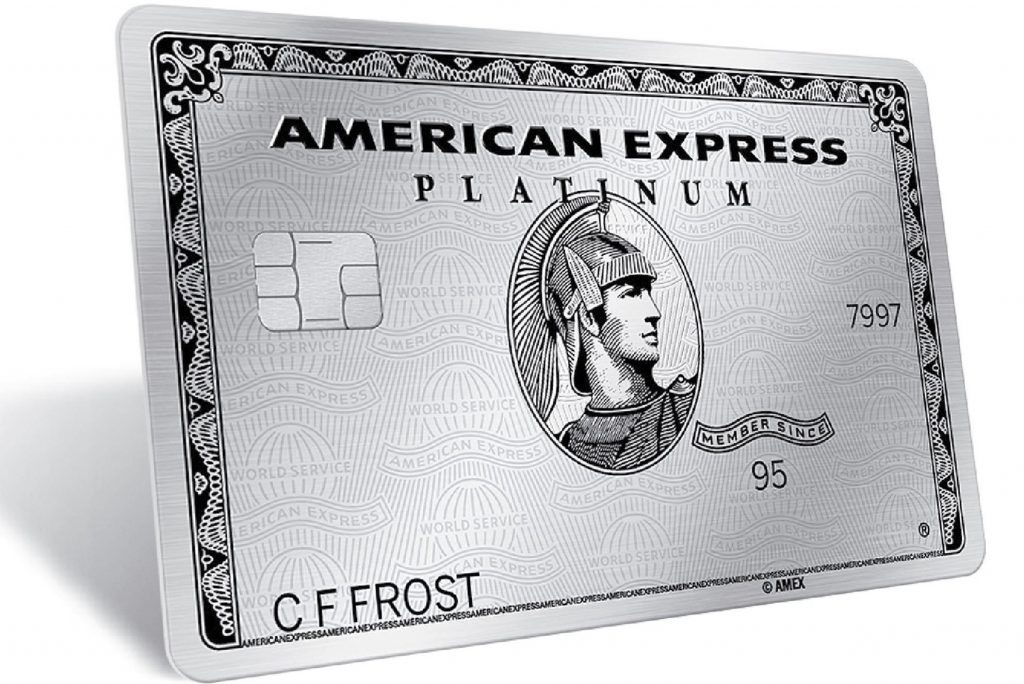
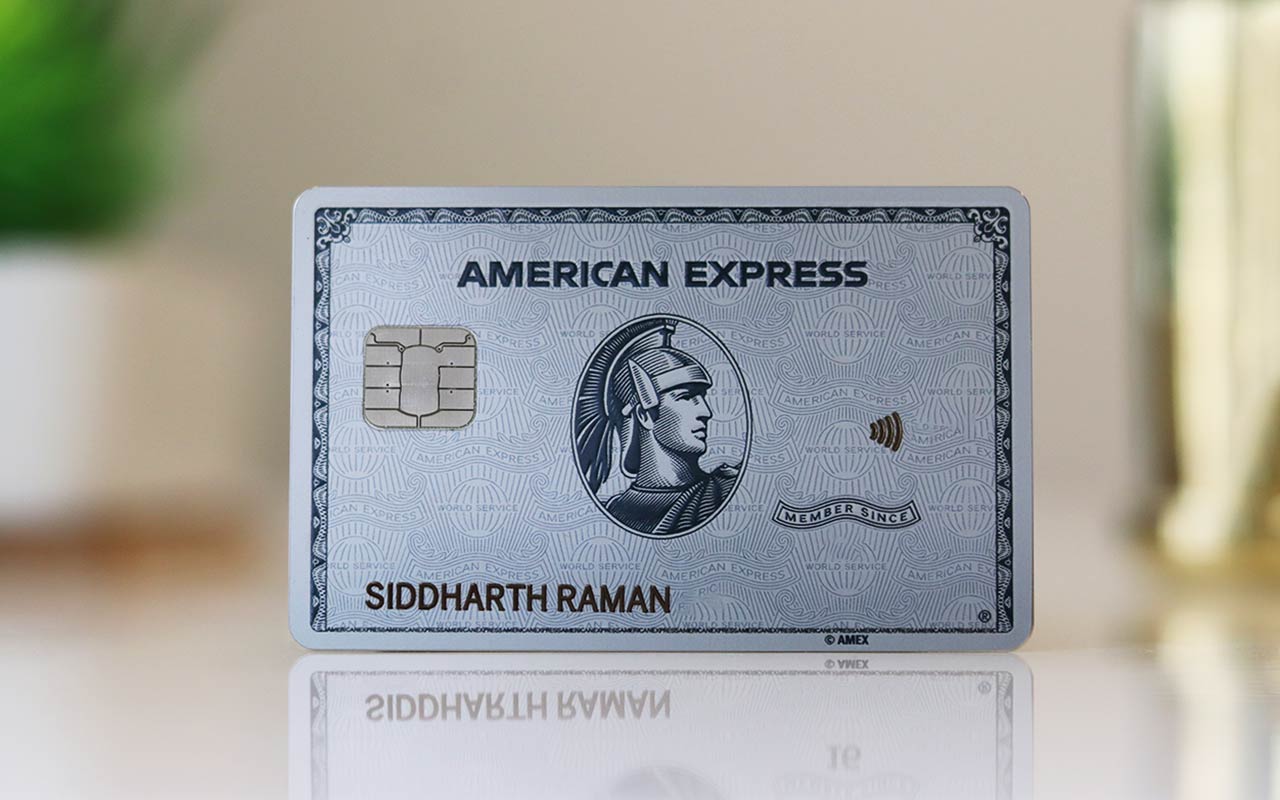
When most people refer to the “silver Amex,” they are typically speaking of the American Express Platinum Card. While the card is technically a “white gold” or platinum hue, its silver appearance is the hallmark of Amex’s premium tier. Choosing this card is a move made by those who prioritize high-velocity points accumulation and comprehensive travel insurance over low annual fees.
The Symbolism and Materiality of the Card
While we are focusing on the financial aspects, the physical transition of the “silver” card from plastic to stainless steel was a pivotal moment in the industry. Financially, this move signaled a shift toward “lifestyle banking.” The weight of the card is a psychological nudge toward its premium nature, but the real value lies in the EMV chip technology and the global acceptance that comes with a high-tier financial instrument. For the cardholder, the silver finish represents entry into a closed-loop network where American Express acts as both the issuer and the processor, often leading to faster dispute resolutions and more integrated fraud protection.
Premium Rewards and Points Valuation
The primary financial driver for getting a silver Amex Platinum is the Membership Rewards (MR) program. Unlike cashback cards that offer a fixed percentage of value, MR points are a form of “private currency.” When utilized correctly—specifically through transfers to airline and hotel partners—the value per point can range from 1 cent to over 4 cents. For a high-spender, the silver card becomes a vehicle for arbitrage: you spend on daily necessities and travel to earn points, then “sell” those points back for high-value international business class flights or luxury stays that would otherwise cost thousands of dollars in cash.
The Financial Ecosystem of American Express
To understand the “why” behind these cards, one must distinguish between the different types of credit vehicles American Express offers. Not all silver cards are created equal; some are “Charge Cards,” while others are traditional “Credit Cards.” This distinction is a fundamental concept in business and personal finance.
Charge Cards vs. Credit Cards
The classic silver Amex (the Platinum) was traditionally a charge card. Unlike a credit card, which allows you to carry a balance and charges you interest (APR), a charge card historically required the balance to be paid in full every month. From a financial discipline perspective, many people choose the silver card specifically to avoid the trap of revolving debt. It forces a “pay-as-you-go” mentality, which is excellent for maintaining a high credit score and ensuring that one does not spend beyond their means. Today, Amex offers “Pay Over Time” features, but the core DNA of the silver card remains rooted in liquidity management rather than long-term borrowing.
Membership Rewards (MR) Points Architecture
The silver-toned Amex EveryDay card offers a different financial proposition. It serves as an entry point into the MR ecosystem without a high annual fee. This is a strategic move for a consumer who wants to “park” their points. In the world of personal finance, if you close a premium card, you risk losing your accumulated points. By holding a secondary, lower-tier silver card, you maintain your financial assets (the points) while reducing your overhead. This creates a multi-card strategy where each silver card plays a specific role in the user’s net worth preservation.
Cost-Benefit Analysis: The High Annual Fee vs. Realized Value
The most common question regarding the premium silver Amex is: “Why would I pay a $695 annual fee?” The answer lies in the math of “Statement Credits” and “Subsidized Spending.” For the financially literate, the silver card is not an expense; it is a bundle of pre-paid services.
Lifestyle Credits and Statement Rebates
American Express has pivoted toward a “digital wallet” model. The silver Platinum card offers a variety of credits that, if used organically, can negate the annual fee entirely. These often include:
- Digital Entertainment Credits: Rebates for streaming services.
- Uber/Ride-share Credits: Monthly allocations for transport or food delivery.
- Saks Fifth Avenue Credits: Semi-annual shopping rebates.
- Hotel Credits: Annual credits for specific luxury bookings.
From a personal finance perspective, if you are already spending money on these services, moving that spend to a silver Amex effectively turns the annual fee into a wash. You are essentially pre-paying for your lifestyle at a discount, while gaining access to the card’s other high-value features.
Travel Benefits: Lounge Access and Elite Status
For the frequent business traveler, the “silver card” provides a different kind of financial value: time and comfort. Access to the Centurion Lounge network, Delta Sky Clubs, and Priority Pass lounges represents a significant saving on airport infrastructure costs (food, workspace, Wi-Fi). Furthermore, the card provides automatic elite status with Marriott and Hilton. In a professional context, these perks reduce the friction of travel and provide a “soft” ROI through increased productivity and reduced out-of-pocket expenses during transit.
Strategic Reasons to Apply for the “Silver” Card
Beyond the day-to-day perks, there are institutional and structural reasons why adding a silver Amex to your wallet is a sound financial move.
Maximizing the Welcome Offer
In the world of “credit card churning” and strategic finance, the Welcome Offer (or sign-up bonus) is the single fastest way to increase your liquid assets. American Express often offers 100,000 to 150,000 MR points for reaching a spending threshold on their silver Platinum card. Depending on how these points are redeemed, this can represent $2,000 to $5,000 in travel value. For a small business owner or a high-earning professional, putting standard tax payments or business expenses on a new silver card is a high-yield move that generates an immediate return on necessary spending.
Building a Long-Term Credit Portfolio
American Express is known for being a “partner for life” in the financial world. Once you have a silver card and established a history of on-time payments, Amex is often more willing to extend higher credit limits across their other products. Furthermore, Amex typically does not perform a “hard pull” on your credit report for subsequent cards once you are in their ecosystem. This allows you to expand your financial tools without the temporary dip in credit score associated with new applications. Holding a silver card serves as your “anchor” in one of the world’s most robust financial networks.
Conclusion: The Silver Card as a Financial Multiplier
Ultimately, the reason you get a silver credit card with American Express is to leverage the company’s massive infrastructure for your own personal or business gain. It is a tool designed for those who view their spending as an opportunity for optimization rather than just a transaction.
If you are someone who travels at least twice a year, utilizes streaming services, and values high-level customer protection, the silver cards—particularly the Platinum—act as a financial multiplier. They take your existing spending habits and return a layer of value in the form of points, credits, and insurance protections (such as purchase protection and extended warranty) that cheaper, “no-frills” cards simply cannot match.
In the final analysis, the silver card is a statement of financial intent. It says that the holder understands the difference between price and value. While the price of the card may be high, the value it provides in the hands of a strategic user makes it one of the most powerful instruments in modern personal finance. Whether it’s for the points, the perks, or the prestige of the Centurion network, the “silver” Amex remains a cornerstone of a sophisticated financial strategy.
aViewFromTheCave is a participant in the Amazon Services LLC Associates Program, an affiliate advertising program designed to provide a means for sites to earn advertising fees by advertising and linking to Amazon.com. Amazon, the Amazon logo, AmazonSupply, and the AmazonSupply logo are trademarks of Amazon.com, Inc. or its affiliates. As an Amazon Associate we earn affiliate commissions from qualifying purchases.