
When Mick Jones, the founding guitarist and primary songwriter of the British-American rock band Foreigner, sat down at a keyboard in his London apartment at 3:00 AM in 1984, he wasn’t just writing a chart-topping hit. He was creating one of the most lucrative financial assets in the history of the music industry. “I Wanna Know What Love Is” remains a masterclass in the intersection of creative genius and long-term capital appreciation.
In the world of high-finance music publishing, certain songs are classified as “evergreens”—compositions that generate consistent, predictable cash flow regardless of economic cycles. To understand who wrote “I Wanna Know What Love Is” is to understand the architecture of a multi-million dollar annuity that has paid dividends for four decades.
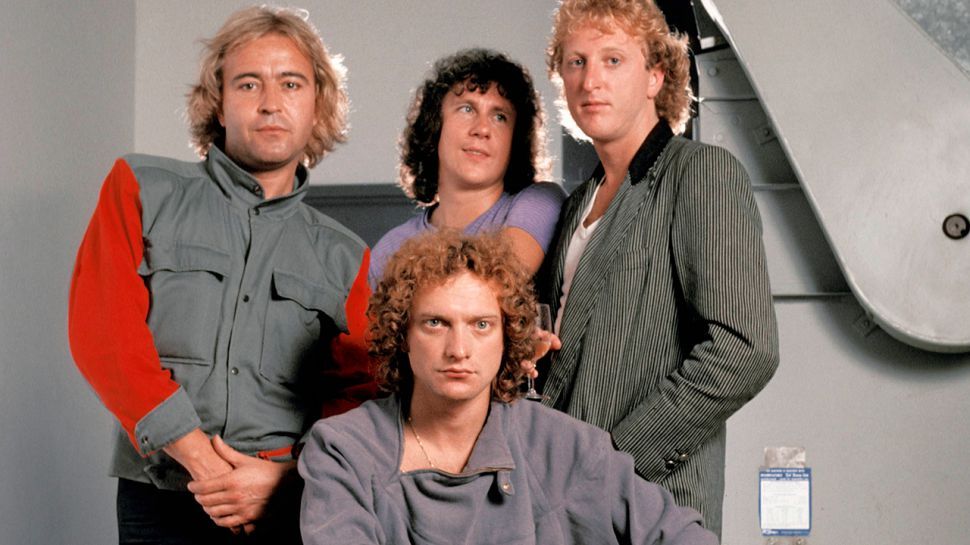
The Architect of the Asset: Mick Jones and the Power of Sole Authorship
While Foreigner is often viewed as a collaborative rock entity, the financial reality of “I Wanna Know What Love Is” is rooted in the singular vision of Mick Jones. In the business of music, the distinction between a “band member” and a “songwriter” is the difference between a temporary salary and permanent wealth.
The Strategic Advantage of Single Credit
Most rock hits of the 1980s were collaborative efforts, with credits split between vocalists, guitarists, and producers. However, Mick Jones is the sole credited writer for “I Wanna Know What Love Is.” From a financial perspective, this is a “pure play” asset. By retaining 100% of the writer’s share of the publishing rights, Jones ensured that every penny of the songwriter’s royalties flowed directly to him, rather than being diluted across a five-piece band. This strategic retention of intellectual property (IP) is what separates the moderately successful musician from the industry mogul.
Publishing vs. Master Rights: Where the Real Money Lives
In the music economy, there are two primary sets of rights: the “Master” (the actual recording) and the “Publishing” (the underlying composition). While the record label often controls the master, the writer controls the publishing. Because Jones wrote the song, he holds the keys to the composition. This means that even if a new artist—like Mariah Carey or Wynonna Judd—covers the song, Jones receives a royalty. The publishing rights to a song of this magnitude are often valued at 15 to 20 times its annual earnings, placing the valuation of this single track in the tens of millions of dollars.
Revenue Streams: How a 1984 Hit Generates Millions Decades Later
The longevity of “I Wanna Know What Love Is” is not merely a matter of nostalgia; it is a result of diversified revenue streams that have evolved with technology. For an investor or a business analyst, the song represents a resilient portfolio of micro-transactions.
Performance Royalties and Terrestrial Radio
Despite the rise of digital media, terrestrial radio remains a significant source of income for legacy hits. As a “Gold” or “Classic Rock” staple, the song receives hundreds of thousands of spins annually across global radio networks. These are tracked by Performance Rights Organizations (PROs) like BMI and ASCAP. For “I Wanna Know What Love Is,” these public performance royalties create a baseline of passive income that functions similarly to a high-yield municipal bond.
Mechanical Royalties in the Age of Streaming
In the current digital landscape, every time a user clicks “play” on Spotify, Apple Music, or YouTube, a mechanical royalty is triggered. While the per-stream rate is fractions of a cent, the scale of a global hit changes the math. With over half a billion streams on Spotify alone, the song has transitioned from a physical product (vinyl and CDs) into a high-frequency digital asset. The shift to streaming has actually increased the “shelf life” of the song, as it is curated into thousands of algorithmic playlists like “80s Love Songs” or “Soft Rock Classics,” ensuring constant discovery by new demographics.

Sync Licensing: The High-Margin Windfall
Perhaps the most lucrative aspect of the song’s financial life is “Sync” (Synchronization) licensing. This occurs when the song is used in a film, television show, or commercial. For a “Tier 1” hit like “I Wanna Know What Love Is,” a single usage in a Super Bowl commercial or a major motion picture (such as The Lego Batman Movie or Rock of Ages) can command licensing fees ranging from $50,000 to $250,000 or more. Unlike radio royalties, which are trickle-down, sync fees are often paid upfront, providing significant liquidity to the rights holder.
Music as an Alternative Investment Class
The story of who wrote “I Wanna Know What Love Is” has recently taken on a new dimension in the world of private equity and institutional investing. Song catalogs are no longer just “art”; they are a recognized asset class.
The Valuation of Legacy Catalogues
In recent years, we have seen a massive “Gold Rush” in the acquisition of music publishing catalogs. Companies like Hipgnosis Song Management, Primary Wave, and Blackstone-backed funds are paying premium multiples for songs with proven “staying power.” The logic is simple: in a low-interest-rate environment, the 5-8% annual yield from a song like Foreigner’s biggest hit is more attractive than traditional fixed-income products. Mick Jones’s catalog, anchored by this song, represents a “Blue Chip” stock in the music market.
Why Private Equity is Buying Song Rights
Investors view “I Wanna Know What Love Is” as an “uncorrelated asset.” This means its value doesn’t fluctuate based on the stock market, oil prices, or geopolitical instability. People will listen to “I Wanna Know What Love Is” during an economic boom or a recession. This stability makes the songwriting credit of Mick Jones a perfect hedge against market volatility. The song is an essential component of the “Music as a Service” (MaaS) economy, where the intellectual property produces recurring revenue with almost zero overhead costs.
Protecting the Golden Goose: Estate Planning and Rights Management
For an asset this valuable, the “who wrote it” question becomes a matter of legal and estate strategy. Managing a global hit requires a sophisticated team of accountants, lawyers, and business managers to ensure that the intellectual property is protected and optimized.
The Copyright Act and Termination Rights
In the United States, the Copyright Act allows authors to “terminate” their previous grants of copyright after a certain period (usually 35 years), effectively allowing them to “buy back” their rights from publishers. For songs written in the mid-80s, we are currently in a prime window for these “Reversion Rights.” By navigating these legal waters, Mick Jones and his estate can ensure they retain maximum control and financial benefit, essentially refinancing their own intellectual property for the modern era.
Diversifying the Musical Portfolio
While “I Wanna Know What Love Is” is the crown jewel, its financial success allows for the cross-collateralization of other assets. The revenue generated by this one song can fund the marketing of tours, the remastering of older albums, or the development of new creative ventures. In the business world, this is known as “using a cash cow to fund stars.” The song provides the foundational capital that allows the Foreigner brand to remain a touring powerhouse, even decades after their last studio album.
The Bottom Line of a 1980s Classic
When we ask “who wrote I Wanna Know What Love Is,” the answer is Mick Jones. But from a financial perspective, the answer is “the creator of a perpetual revenue machine.” The song serves as a reminder that in the modern economy, the most valuable commodity is not gold or oil, but high-quality intellectual property.
Through sole authorship, savvy rights management, and the ability to adapt to new technology, Jones transformed a moment of late-night inspiration into a multi-generational financial legacy. For the business-minded observer, “I Wanna Know What Love Is” is more than a song about emotional longing; it is a textbook example of how to build, protect, and monetize a world-class intangible asset. As long as there are weddings, radio stations, and streaming platforms, the dividends of this 1984 masterpiece will continue to accrue, proving that in the music business, a great song is the ultimate investment.
aViewFromTheCave is a participant in the Amazon Services LLC Associates Program, an affiliate advertising program designed to provide a means for sites to earn advertising fees by advertising and linking to Amazon.com. Amazon, the Amazon logo, AmazonSupply, and the AmazonSupply logo are trademarks of Amazon.com, Inc. or its affiliates. As an Amazon Associate we earn affiliate commissions from qualifying purchases.