
Planning a wedding is an exhilarating journey, filled with dreams of a perfect day. However, amidst the romantic visions of vows and celebrations, a significant practical consideration looms large: the financial aspect. Understanding “who pays for what at a wedding” is crucial for navigating these discussions smoothly, avoiding potential friction, and ensuring the financial well-being of all involved. This article delves into the traditional expectations, modern adaptations, and practical financial strategies surrounding wedding expenses, aiming to provide clarity and empower couples and their families.
The Shifting Landscape of Wedding Sponsorship
Historically, wedding financing was often a straightforward affair, dictated by deeply ingrained societal norms. The bride’s family typically bore the brunt of the costs, a reflection of parental pride and the perceived handover of their daughter. However, contemporary weddings are far more diverse, and so too are the financial arrangements. Recognizing this evolution is the first step towards a transparent and harmonious approach to wedding budgeting.
Traditional Expectations and Their Modern Echoes
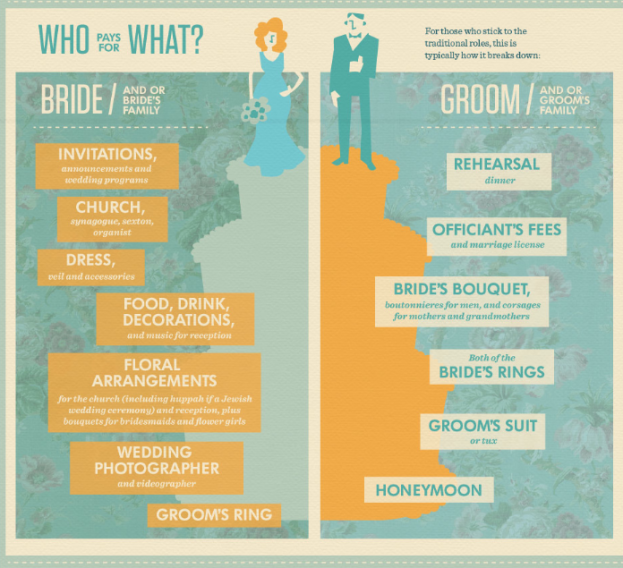
The classic model saw the bride’s family footing the bill for the majority of the wedding. This often included the venue, catering, invitations, wedding attire for the bride, flowers, and the reception. The groom’s family, conversely, would typically cover the cost of the rehearsal dinner, the bride’s wedding ring, and sometimes the honeymoon. While these traditions still hold sway for some, many couples today are opting for a more shared or independent approach to funding their nuptials. The sentimental value of upholding certain traditions can be significant, but it’s essential to assess whether these echoes of the past align with the current financial realities and desires of the couple and their families. Open communication is key here, ensuring that any adherence to tradition is by choice and not by unspoken obligation.
The Rise of the Couple as Primary Financiers
In today’s world, it is increasingly common for the couple themselves to be the primary, if not sole, financiers of their wedding. This shift is driven by several factors, including couples marrying later in life, achieving greater financial independence, and a desire for complete control over their wedding vision. When the couple takes on this responsibility, it necessitates careful financial planning, budgeting, and potentially saving for an extended period. This approach fosters a sense of ownership and allows the couple to prioritize elements that are most meaningful to them, unencumbered by external expectations. It also offers the advantage of avoiding potential financial strain on parents, especially if they have their own financial commitments or have already contributed significantly to the couple’s earlier life stages.
Blended Contributions and Negotiated Responsibilities
The most prevalent scenario today is likely a blend of contributions. Parents may offer financial support, but the extent and nature of this support can vary widely. Some families might offer a fixed sum, while others may cover specific wedding elements they feel passionate about. For instance, the bride’s parents might offer to pay for the photographer, while the groom’s parents might contribute to the honeymoon fund. This requires open and honest conversations well in advance of any bookings. A useful strategy here is for the couple to create a detailed wedding budget and then approach each set of parents (or individuals contributing) to discuss their willingness and capacity to contribute to specific line items or a general portion of the overall cost. This collaborative approach ensures that contributions are made with mutual understanding and appreciation.
Deconstructing Wedding Expenses: Who Typically Picks Up the Tab?
Beyond the broad strokes of sponsorship, understanding the specific costs associated with a wedding and who traditionally covers them can be incredibly helpful. This detailed breakdown can serve as a starting point for conversations and financial planning.
Pre-Wedding Celebrations and Events
- Bridal Shower: Traditionally, the maid of honor, bridesmaids, or close female friends and family of the bride organize and pay for the bridal shower.
- Bachelor/Bachelorette Parties: These are typically organized and funded by the best man and groomsmen (for the bachelor party) and the maid of honor and bridesmaids (for the bachelorette party). While the attendees usually chip in for the expenses, the organizers often bear the initial financial burden and coordination.
- Engagement Party: If an engagement party is held, it is traditionally hosted and paid for by the bride’s parents. However, in modern times, the couple themselves, or even the groom’s parents, might host and cover these costs.
The Wedding Ceremony and Reception

- Ceremony Venue: The cost of the ceremony venue is often shared or covered by the bride’s family, especially if it’s part of a larger package with the reception venue.
- Reception Venue: This is often one of the largest expenses. Traditionally, the bride’s family would cover this, but increasingly, the couple finances this themselves, or it’s a shared cost.
- Catering: Similar to the reception venue, catering is a substantial cost. Traditionally, the bride’s family would pay, but modern couples often bear this responsibility.
- Wedding Attire:
- Bride’s Attire: Traditionally paid for by the bride’s parents. However, many couples now contribute to or fully cover the bride’s dress and accessories.
- Groom’s Attire: Traditionally, the groom buys his own suit or tuxedo. The bride’s family might cover the cost of the groom’s parents’ attire.
- Bridal Party Attire: Traditionally, bridesmaids and groomsmen were expected to pay for their own attire. This remains largely the case, though some couples or their families may offer to contribute towards these costs as a gesture of appreciation.
- Flowers: Usually a responsibility of the bride’s family or a shared cost. This includes bouquets, boutonnieres, ceremony decorations, and reception centerpieces.
- Photography and Videography: These essential services are often a significant expense. While traditionally they could fall under the bride’s family’s budget, many couples now budget and pay for their photographers and videographers themselves, prioritizing these memories.
- Entertainment: This can include a DJ, band, or other performers. Costs can be shared, or often, the couple will take responsibility for this expense to curate their desired reception atmosphere.
- Invitations and Stationery: Traditionally, the bride’s parents would pay for invitations, postage, and other stationery. This is an area where couples increasingly take ownership.
- Wedding Rings: The groom traditionally buys the engagement ring and the bride’s wedding band. The bride traditionally buys the groom’s wedding band. This can be a point of negotiation or shared decision-making.
- Wedding Cake: Typically paid for by the bride’s family, though this can be a shared expense or covered by the couple.
Other Significant Expenses
- Honeymoon: Traditionally, the groom’s family might contribute to the honeymoon, or the couple saves for it themselves. In modern weddings, the couple almost always funds their honeymoon, often using it as a significant post-wedding financial goal.
- Officiant Fees: These fees are usually covered by the couple or the family hosting the wedding.
- Marriage License: The couple is responsible for obtaining and paying for their marriage license.
- Favors: While not always included, if favors are given, they are often paid for by the bride’s family or the couple.
- Transportation: This could include limousines for the bridal party or guest shuttles. Costs can be split or covered by the bride’s family.
Strategic Financial Planning for Your Wedding Day
Navigating the financial intricacies of a wedding requires more than just knowing who pays for what; it demands thoughtful planning, open communication, and a realistic approach to budgeting. Implementing sound financial strategies can ensure that your wedding day is joyous and that your financial future remains secure.
Developing a Realistic Wedding Budget
The first and most critical step is to establish a comprehensive and realistic wedding budget. This involves sitting down as a couple (and with contributing family members, if applicable) and identifying all potential expenses. Research average costs in your chosen location for vendors like venues, caterers, photographers, and florists. Be honest about your financial resources. If you are self-funding, assess your savings and consider how much you can comfortably allocate without jeopardizing other financial goals. If family contributions are expected, have these conversations early to understand the scope of their support. Categorize expenses and allocate funds accordingly, leaving a contingency fund (typically 5-10%) for unexpected costs that inevitably arise.
Open Communication: The Cornerstone of Harmony
Financial discussions surrounding weddings can be sensitive. However, open, honest, and early communication is paramount to prevent misunderstandings and potential conflict. If you anticipate family contributions, initiate these discussions well in advance of making any major bookings. Clearly articulate your wedding vision and budget to your families, and then discuss how their support, if offered, might align with these plans. Avoid making assumptions about who will pay for what. Instead, frame these conversations as collaborative efforts to make your special day a reality. If family members are offering financial support, clarify whether it’s a gift or an expectation of certain decisions. Documenting these agreements, even informally, can prevent future disputes.
Leveraging Technology and Financial Tools
In the digital age, numerous tools can simplify wedding financial management. Dedicated wedding budgeting apps can help you track expenses, manage vendor payments, and monitor your overall budget. These platforms often offer features like payment reminders, expense categorization, and even comparison tools for vendor pricing. Online banking and spreadsheet software (like Google Sheets or Microsoft Excel) are also invaluable for creating detailed budgets, tracking payments, and visualizing your financial progress. For couples saving for their wedding, consider setting up a dedicated savings account. High-yield savings accounts can help your wedding fund grow over time, making your financial goal more attainable. For those receiving contributions, clear record-keeping through digital means ensures transparency and accountability for all parties involved.
Prioritizing and Making Smart Compromises
It’s rare for any couple to be able to afford every single element they desire for their wedding without careful consideration. Once your budget is established, prioritize the elements that are most important to you as a couple. Are there specific vendors that are non-negotiable? Are certain experiences more valuable than material possessions? Understanding your priorities will help you allocate your funds effectively and make informed compromises on less critical aspects. This might involve opting for a smaller guest list, choosing a less expensive venue, DIYing certain decorations, or selecting a more budget-friendly honeymoon destination. The goal is to create a wedding that reflects your love and commitment without creating undue financial stress or jeopardizing your long-term financial health.

Conclusion: Building a Foundation for a Financially Sound Marriage
The discussion of “who pays for what at a wedding” is not merely about assigning financial responsibility; it’s a crucial part of building a strong financial foundation for your marriage. By approaching these conversations with transparency, respect, and strategic planning, couples can navigate the financial complexities of their wedding day with confidence. Embracing open communication, leveraging available financial tools, and understanding the evolving landscape of wedding sponsorships will not only lead to a more harmonious planning process but will also set a positive precedent for managing finances together throughout your married life. Ultimately, a wedding is a celebration of love and commitment, and ensuring its financial aspects are handled with care and foresight contributes significantly to the joy and peace of mind for all involved.
aViewFromTheCave is a participant in the Amazon Services LLC Associates Program, an affiliate advertising program designed to provide a means for sites to earn advertising fees by advertising and linking to Amazon.com. Amazon, the Amazon logo, AmazonSupply, and the AmazonSupply logo are trademarks of Amazon.com, Inc. or its affiliates. As an Amazon Associate we earn affiliate commissions from qualifying purchases.