
Wells Fargo & Company is more than just a bank; it is a financial institution woven into the fabric of American history. Founded in 1852 by Henry Wells and William G. Fargo during the height of the California Gold Rush, the company transitioned from a stagecoach express delivery service into one of the “Big Four” banks in the United States. Today, it manages trillions of dollars in assets and serves millions of customers across retail, commercial, and investment banking sectors.
However, for many retail investors and curious observers, a fundamental question remains: Who actually owns Wells Fargo? Because it is a publicly traded company listed on the New York Stock Exchange (NYSE) under the ticker symbol WFC, the answer is not a single individual or family, but a complex web of institutional investors, mutual funds, and individual shareholders. Understanding this ownership structure provides vital insights into how the bank is governed, its strategic direction, and its standing in the global financial ecosystem.
The Mechanics of Public Ownership
To understand who owns Wells Fargo, one must first understand the structure of a publicly traded corporation. Wells Fargo is owned by its shareholders—individuals and entities that purchase shares of its common stock. Unlike a private company, where ownership might be concentrated in the hands of a founder or a private equity firm, Wells Fargo’s ownership is distributed across millions of shares.
Institutional vs. Retail Ownership
The vast majority of Wells Fargo is owned by “institutional investors.” These are large organizations—such as pension funds, insurance companies, mutual fund managers, and hedge funds—that trade securities in quantities great enough to qualify for preferential treatment. Currently, institutional ownership of Wells Fargo typically hovers between 70% and 80%.
Retail investors, or individual people buying shares through brokerage accounts like Robinhood, Fidelity, or Charles Schwab, make up the remainder. While retail investors are numerous, their collective voting power is often dwarfed by the massive blocks of shares held by institutional giants.
The Role of the Board of Directors
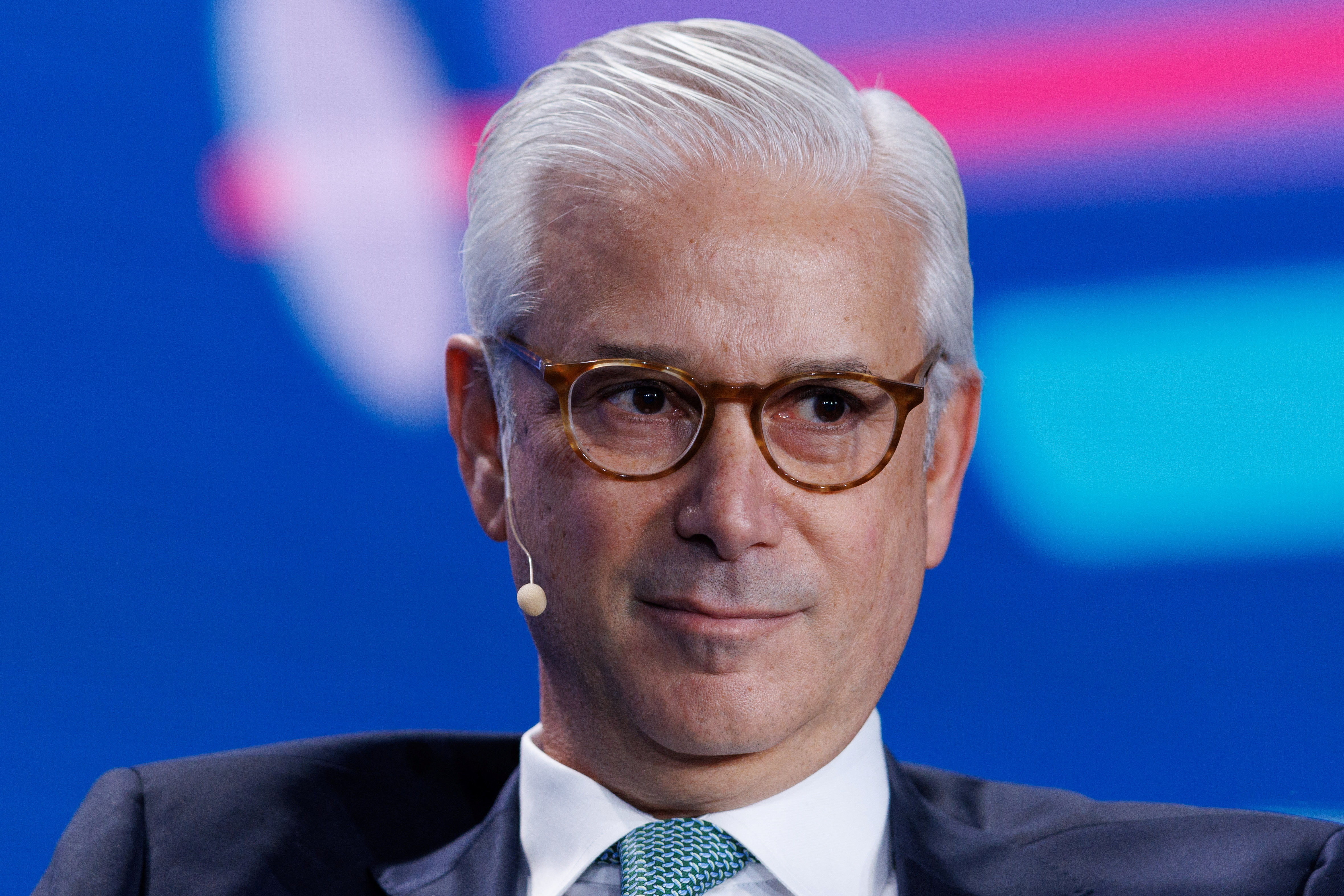
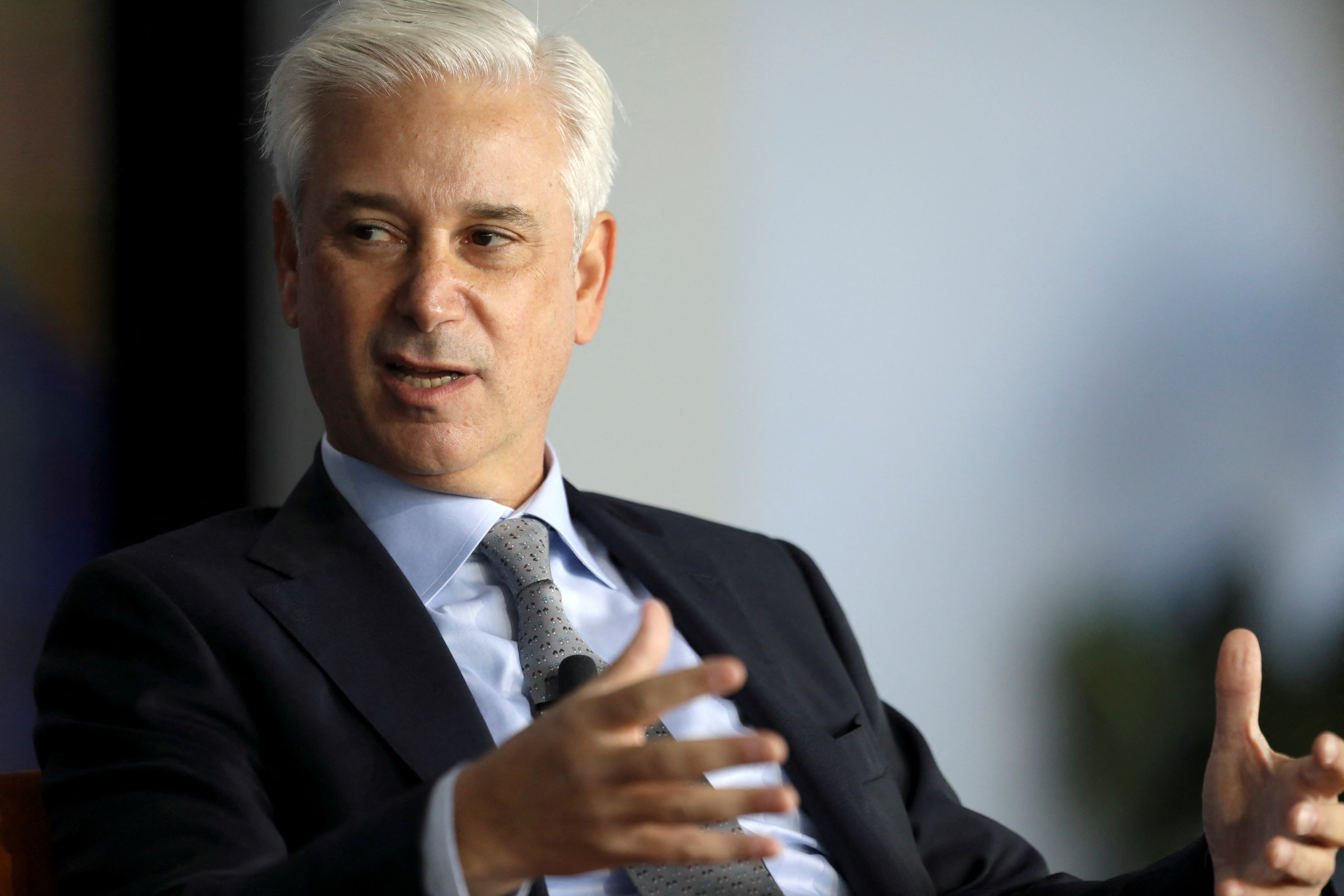
While shareholders own the company, they do not manage its day-to-day operations. Instead, they elect a Board of Directors to represent their interests. The board hires the executive leadership, including the CEO (currently Charlie Scharf), and oversees high-level corporate strategy. Ownership, therefore, grants the right to vote on board members and significant corporate shifts, such as mergers or changes in executive compensation.
The Titans of Finance: Top Institutional Holders
The “real” owners of Wells Fargo, in terms of influence and share volume, are the world’s largest asset management firms. These companies manage money on behalf of millions of individual savers, meaning that if you have a 401(k) or an IRA, you might technically be a fractional owner of Wells Fargo through these intermediaries.
The Vanguard Group
The Vanguard Group consistently ranks as one of the largest shareholders of Wells Fargo. As a pioneer of low-cost index fund investing, Vanguard holds shares of WFC across hundreds of its different funds, such as the Vanguard S&P 500 ETF (VOO) and the Vanguard Total Stock Market ETF (VTI). Because Vanguard is owned by its funds, which are in turn owned by their investors, Vanguard’s ownership represents a massive cross-section of the American investing public.
BlackRock, Inc.
BlackRock, the world’s largest asset manager, is another dominant force in Wells Fargo’s ownership structure. Through its iShares line of ETFs and its institutional accounts, BlackRock exerts significant influence. Beyond mere share count, BlackRock is known for its focus on Environmental, Social, and Governance (ESG) criteria. As a major owner, BlackRock often engages with Wells Fargo’s leadership regarding climate risk, board diversity, and ethical banking practices.
State Street Global Advisors
Completing the “Big Three” of passive investing is State Street. Like Vanguard and BlackRock, State Street holds Wells Fargo shares primarily to mirror the performance of financial indices. When Wells Fargo is included in a major index like the S&P 500, these three firms are required to buy and hold the stock, providing a level of baseline demand and price stability for the shares.
Dodge & Cox
Unlike the passive indexers mentioned above, Dodge & Cox is an active investment management firm that has historically held a significant stake in Wells Fargo. Active managers choose to own the stock because they believe it is undervalued or offers superior long-term returns. Their presence in the top tier of shareholders suggests a “value investor” confidence in the bank’s fundamental business model.
The Great Departure: Berkshire Hathaway and the Shift in Ownership Strategy
For nearly three decades, the most famous owner of Wells Fargo was Warren Buffett’s Berkshire Hathaway. Buffett first began accumulating shares in 1989, and for years, Wells Fargo was the crown jewel of his equity portfolio. His “seal of approval” gave the bank an aura of stability and safety that few other institutions enjoyed.
The Era of Concentration
At its peak, Berkshire Hathaway owned nearly 10% of Wells Fargo. Buffett praised the bank’s “cross-selling” strategy and its conservative lending practices. For the investing world, Buffett wasn’t just a shareholder; he was the psychological anchor of the bank’s brand. His ownership signaled to the market that Wells Fargo was a long-term compounder of wealth.
The Scandal and the Exit
The ownership landscape shifted dramatically following the 2016 “fake accounts” scandal, where it was revealed that employees had opened millions of unauthorized accounts to meet aggressive sales targets. The subsequent regulatory fallout, including a massive “asset cap” imposed by the Federal Reserve, tarnished the bank’s reputation.
Warren Buffett, known for prioritizing corporate integrity, began trimming his position. By 2022, Berkshire Hathaway had completely exited its position in Wells Fargo. This marked a monumental shift in the bank’s ownership profile, moving away from a single, legendary “anchor” investor toward a more fragmented structure dominated by index funds.
Corporate Governance: How Ownership Shapes Bank Policy
Who owns the bank matters because ownership dictates the pressure points for management. In the modern financial era, the owners of Wells Fargo use their positions to steer the company through various challenges, ranging from regulatory compliance to digital transformation.
Navigating the Federal Reserve Asset Cap
The most significant hurdle facing Wells Fargo owners today is the Federal Reserve-imposed limit on the bank’s growth. Because the bank cannot expand its balance sheet beyond a certain size until it satisfies regulatory requirements regarding risk management and oversight, shareholders have focused heavily on efficiency. Owners are currently pushing management to cut costs and streamline operations to maintain profitability despite the lack of asset growth.
Executive Accountability
Major institutional owners have played a direct role in the overhaul of Wells Fargo’s leadership. Following the scandals of the mid-2010s, shareholders demanded a “clean slate.” This led to the appointment of Charlie Scharf, an outsider with a background at JPMorgan Chase and Visa, as CEO. The owners’ primary goal has been to install leadership capable of restoring trust with regulators in Washington D.C. and customers on Main Street.
Dividends and Buybacks
For many shareholders, the primary reason for owning Wells Fargo is the return of capital. Financial institutions are often viewed as “income stocks.” Owners closely monitor the bank’s “Stress Test” results from the Federal Reserve, as these results determine how much the bank can spend on dividends and share repurchases. Large institutional owners often advocate for a balance between maintaining a strong capital cushion and rewarding shareholders with consistent payouts.
The Individual Investor’s Role in Wells Fargo’s Future
While the “Big Three” and other institutions hold the majority of the cards, individual ownership of Wells Fargo remains a significant component of the bank’s identity. In an era of democratized finance, the way individuals own the bank has evolved.
Direct vs. Indirect Ownership
Most people today own Wells Fargo indirectly. If you own a target-date retirement fund or a general “Financials” sector ETF (like XLF), you are a beneficiary of Wells Fargo’s performance. However, direct ownership—holding the actual shares in a brokerage account—allows individuals to participate in shareholder meetings and vote on corporate resolutions.
The Outlook for Shareholders
The future for Wells Fargo’s owners is tied to the bank’s ability to move past its legacy issues. As the bank works to satisfy the Consent Orders from the Fed and the OCC (Office of the Comptroller of the Currency), shareholders are looking for signs of a “normalized” Wells Fargo. This would include the removal of the asset cap, which many analysts believe would trigger a significant re-valuation of the stock.
For the investor, owning Wells Fargo today is a bet on a “turnaround story.” It is a bet that one of America’s oldest and most powerful financial brands can modernize its internal controls while leveraging its massive customer base to compete with fintech disruptors and other banking giants.

Conclusion
So, who owns Wells Fargo? The answer is a multifaceted reflection of the modern global economy. It is owned by passive index giants like Vanguard and BlackRock, by active value managers looking for recovery, and by millions of individual retirement savers. While the ghost of Warren Buffett’s ownership still lingers in the bank’s history, today’s ownership is defined by institutional oversight and a collective demand for a more ethical, efficient, and digitally-ready institution. For anyone with a stake in the American financial system, the ownership and subsequent direction of Wells Fargo remains a matter of immense economic importance.
aViewFromTheCave is a participant in the Amazon Services LLC Associates Program, an affiliate advertising program designed to provide a means for sites to earn advertising fees by advertising and linking to Amazon.com. Amazon, the Amazon logo, AmazonSupply, and the AmazonSupply logo are trademarks of Amazon.com, Inc. or its affiliates. As an Amazon Associate we earn affiliate commissions from qualifying purchases.