
In the sprawling landscape of global finance, names like BlackRock, State Street, and Fidelity command immense power, managing trillions of dollars in assets. However, among these titans, The Vanguard Group occupies a unique and somewhat paradoxical position. While it is one of the world’s largest investment management companies, its ownership structure is fundamentally different from its peers. To answer the question “Who owns the Vanguard Group?” is to uncover a revolutionary business model that transformed personal finance and democratized investing for the average person.
Unlike its competitors, Vanguard is not owned by private shareholders, a wealthy founding family, or a group of institutional investors listed on a stock exchange. Instead, the Vanguard Group is owned by its funds, which in turn are owned by their shareholders—the individual investors who hold those funds. This “mutual” ownership structure is the cornerstone of the company’s identity and its primary competitive advantage in the world of money and investing.

The Revolutionary Ownership Structure: Owned by You
To understand who owns Vanguard, one must first look at how traditional investment firms operate. Most asset managers are either publicly traded companies (like BlackRock) or privately held firms (like Fidelity). In these traditional models, the firm has two masters: the clients who invest their money and the owners who expect a profit. This creates an inherent conflict of interest. The owners want to maximize fees to increase profits, while the clients want to minimize fees to maximize their investment returns.
The Client-Owned Model Explained
Vanguard broke this mold in 1975. By making the company “mutually owned,” Vanguard aligned the interests of the firm with the interests of its clients. When you buy shares of a Vanguard mutual fund or ETF, you are not just a customer; you are a part-owner of the fund. Because those funds own the Vanguard Group itself, you become a partial owner of the entire management company.
This structure means that Vanguard does not need to generate a profit for outside shareholders. Instead, any “profit” that would typically go to owners is returned to the investors in the form of lower costs. In the world of finance, this is known as operating at cost.
How Vanguard Differs from Publicly Traded Firms
In a publicly traded firm, the CEO’s primary fiduciary duty is to the shareholders of the company stock. If a firm like BlackRock lowers its fees significantly, its stock price might suffer because its profit margins shrink. Vanguard does not face this pressure. When Vanguard scales and gains more assets, its operating costs per dollar managed decrease. Because there are no outside owners to claim those savings, Vanguard simply lowers its expense ratios further. This creates a “virtuous cycle” where growth leads to lower costs, which attracts more growth, which leads to even lower costs.
The Legacy of John C. Bogle and the Birth of Indexing
The unique ownership of Vanguard cannot be discussed without mentioning its founder, John C. “Jack” Bogle. Bogle is often credited with being the “conscience of Wall Street” for his relentless pursuit of low-cost investing and his commitment to the individual investor.
Challenging the Wall Street Status Quo
Before Vanguard, the investment world was dominated by high-fee, actively managed funds. These funds employed expensive stock pickers who claimed they could beat the market. Bogle realized that, after fees and taxes, very few active managers actually outperformed the market averages over the long term.
In 1976, Vanguard launched the First Index Investment Trust, now known as the Vanguard 500 Index Fund. It was the first index fund available to the general public. At the time, it was mocked by Wall Street as “Bogle’s Folly,” with critics arguing that settling for “average” market returns was un-American. However, Bogle understood that by simply matching the market and keeping costs near zero, his investors would eventually outperform the vast majority of professionals who were weighed down by high fees.
The Philosophy of Low-Cost Investing
Bogle’s philosophy was simple: “In investing, you get what you don’t pay for.” Because the Vanguard Group is owned by its investors, it was the perfect vessel for Bogle’s vision. He knew that the only way to ensure the firm would always prioritize the investor was to make the investor the owner. This legacy continues today, even after Bogle’s passing in 2019, as Vanguard remains the industry leader in low-cost, passive index investing.
The Economic Impact of Mutual Ownership on Investors
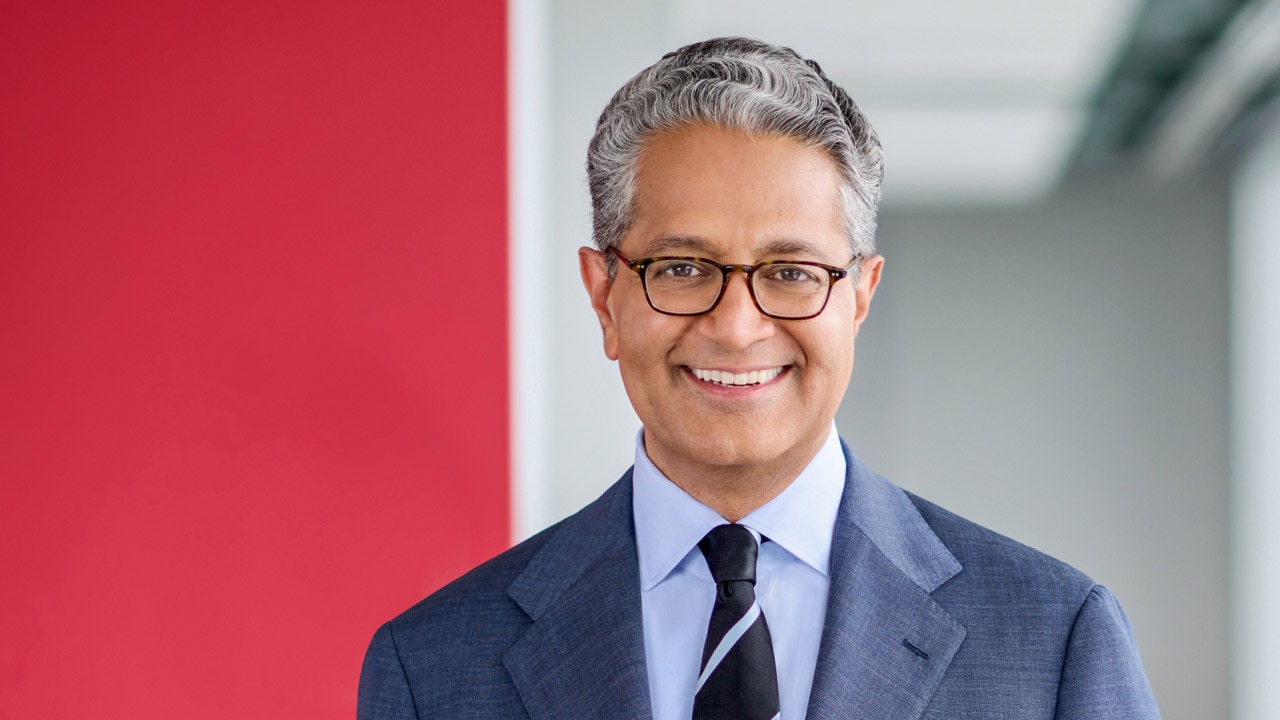
The practical result of Vanguard’s ownership structure is felt in the bank accounts of millions of people. In the “Money” niche, cost is the only variable an investor can truly control. You cannot control market volatility or economic cycles, but you can control the fees you pay.
The Virtuous Cycle of Lower Expense Ratios
The expense ratio is the annual fee that all funds charge to cover management and administrative costs. While a 1% fee might seem small, over a 30-year investing horizon, it can eat away nearly a third of an investor’s total wealth due to the loss of compounding.
Vanguard’s average expense ratio is significantly lower than the industry average. By operating as a mutual organization, Vanguard has consistently driven these costs down. As of 2023, Vanguard’s asset-weighted average expense ratio was approximately 0.09%, compared to an industry average that often exceeds 0.50% or even 1.0% for active funds. This difference represents billions of dollars staying in the pockets of retirees and savers rather than being funneled into the bonuses of Wall Street executives.
Comparing Costs: Vanguard vs. The Competition
While other firms have been forced to lower their fees to compete with Vanguard—a phenomenon known as the “Vanguard Effect”—they are still bound by their ownership structures. A publicly traded firm can only lower fees so far before its own shareholders revolt. Vanguard, however, has no bottom floor other than its actual operating costs. This puts the company in a unique position to lead the “race to zero” in fund fees, benefiting not just Vanguard clients, but all investors globally as competitors try to keep pace.
Governance and Accountability in a Client-Owned Firm
A common question regarding Vanguard’s ownership is: If the investors own the company, who actually runs it? In a traditional company, shareholders vote for a board of directors. Vanguard operates similarly, but the “shareholders” are the funds themselves.
Who Makes the Decisions?
Vanguard is governed by a Board of Directors and a senior leadership team. The board has a fiduciary duty to the funds, and since the funds represent the interests of the individual investors, the board’s duty is ultimately to the clients. This creates a streamlined governance process where the primary objective is the long-term health and cost-efficiency of the funds.
The executive leadership, including the CEO, are employees of the Vanguard Group. Their compensation is determined by the board and is often tied to the firm’s ability to provide value to its fund-owner clients, rather than the appreciation of a corporate stock price.
The Role of the Board of Directors
The board oversees the management of the funds, ensuring that they are being operated in accordance with their stated goals and that the Vanguard Group is providing the necessary services (like technology, record-keeping, and portfolio management) at a fair price. Because there is no external parent company, the board does not have to balance the needs of “Client A” with the profit demands of “Owner B.” They are one and the same.
The Future of the Vanguard Model in a Shifting Financial Landscape
As Vanguard manages over $7 trillion in assets, its influence on the global economy is staggering. However, its massive success brings new questions about its role as a “permanent owner” of the American economy.
Scaling to Trillions: Challenges of Success
Because Vanguard’s funds own a significant percentage of almost every major publicly traded company, Vanguard’s leadership must exercise their voting rights on behalf of their investors. This has led to debates about “corporate governance” and how much power a few large index fund providers should have over the corporate world. For the Vanguard investor, however, this size provides a level of stability and political capital that helps protect the integrity of the markets they are invested in.
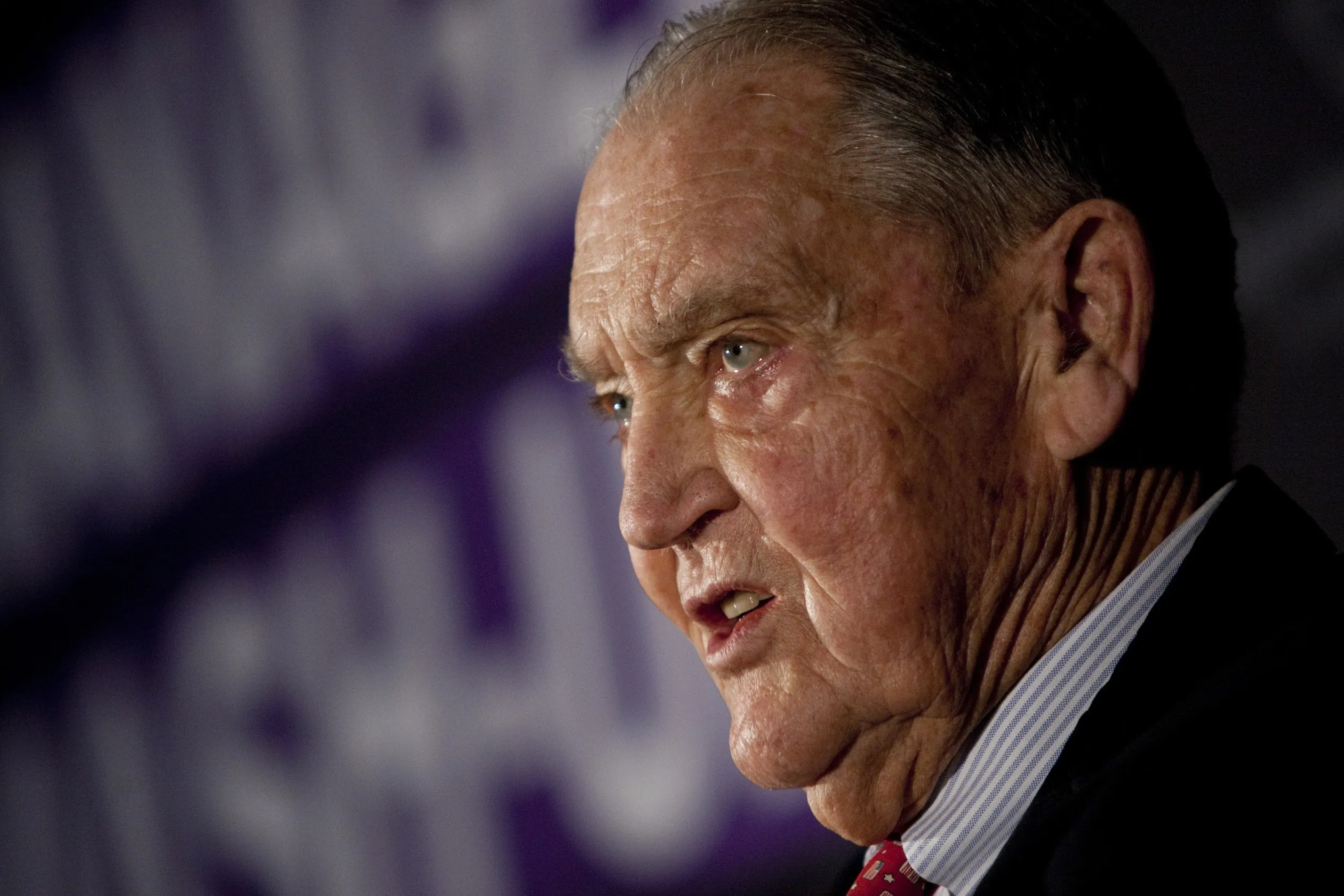
Vanguard’s Influence on the Global Market
The Vanguard model is increasingly being exported. As global investors become more fee-conscious, the demand for the mutual ownership model grows. While few companies have successfully replicated Vanguard’s exact legal structure, the pressure Vanguard exerts on the market has made “Money” management more accessible to the masses than ever before.
In conclusion, the answer to “who owns the Vanguard Group” is both simple and profound: the people who invest in it. By removing the middleman and the profit motive, Vanguard has created a unique ecosystem where the success of the company is inextricably linked to the success of its clients. For anyone navigating the world of personal finance and investing, understanding this structure is essential to recognizing why Vanguard remains one of the most trusted names in the financial world. It is a firm built by an investor, for investors, and owned by investors—a true anomaly in the high-stakes world of global finance.
aViewFromTheCave is a participant in the Amazon Services LLC Associates Program, an affiliate advertising program designed to provide a means for sites to earn advertising fees by advertising and linking to Amazon.com. Amazon, the Amazon logo, AmazonSupply, and the AmazonSupply logo are trademarks of Amazon.com, Inc. or its affiliates. As an Amazon Associate we earn affiliate commissions from qualifying purchases.