
For years, the question of “Who owns Spirit?” has been more than a simple inquiry into a shareholder registry; it has been the center of a high-stakes financial drama that has captivated Wall Street and the aviation industry alike. Spirit Airlines (NYSE: SAVE), the pioneer of the Ultra-Low-Cost Carrier (ULCC) model in the United States, stands at a critical juncture in its corporate history. As a publicly traded entity, its ownership is a complex web of institutional investors, retail shareholders, and, until recently, the subject of one of the most contentious merger battles in modern corporate history.
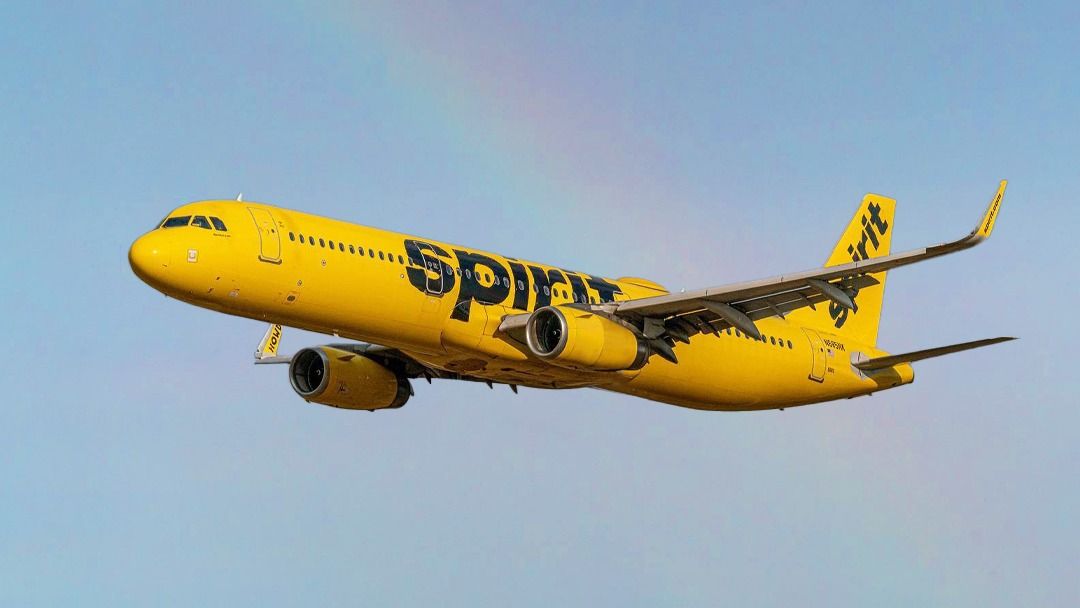
Understanding the ownership of Spirit requires looking beyond a list of names. It requires an analysis of the financial forces that drive the airline’s valuation, the regulatory hurdles that prevent consolidation, and the institutional powerhouses that hold the keys to its future.
The Institutional Powerhouse: Who Really Controls the Shares?
Spirit Airlines is a publicly traded corporation, meaning its ownership is distributed among thousands of individual and corporate entities. However, like most major American corporations, the lion’s share of the company is held by large institutional investors. These institutions—ranging from mutual funds to pension funds—dictate the strategic direction of the company through their voting power.
The Role of Passive Management Giants
The primary owners of Spirit Airlines are the “Big Three” of the indexing world: Vanguard Group, BlackRock, and State Street Corporation. These firms do not necessarily “manage” Spirit in a traditional sense; rather, they hold massive blocks of shares on behalf of their clients who invest in index funds and ETFs.
Vanguard typically holds the largest position, often fluctuating between 8% and 12% of the total outstanding shares. Following closely is BlackRock. For Spirit, these institutional holders represent stability. However, they also create a unique dynamic where the owners are more concerned with the airline’s performance relative to the broader market index than with the day-to-day operational nuances of the ULCC model.
Insider Ownership and Retail Participation
In contrast to the institutional giants, insider ownership—shares held by executives and board members—remains relatively low at Spirit, often hovering below 2%. This is common in mature, capital-intensive industries like aviation, where the sheer amount of capital required to fund operations and fleet expansion necessitates heavy reliance on public markets.
Retail investors also play a significant role. Given Spirit’s high-profile brand and its frequent appearances in financial news due to merger speculation, it has become a “battleground stock.” This has led to a higher-than-average percentage of shares being held by individual traders and smaller hedge funds looking to capitalize on short-term price movements or arbitrage opportunities.
The Merger Saga: The Battle Between JetBlue and Frontier
To discuss the ownership of Spirit without mentioning the failed mergers of 2022 and 2023 would be to ignore the most significant financial event in the company’s history. For a period of nearly two years, the question of who would own Spirit was the defining narrative of the airline sector.
The Frontier Agreement: A Strategic Synergy
In early 2022, Spirit and Frontier Airlines announced a definitive merger agreement. From a financial perspective, this was a “marriage of equals” aimed at creating a dominant ULCC that could compete with the “Big Four” (American, Delta, United, and Southwest). The ownership structure would have seen Frontier shareholders holding a slight majority, effectively making Frontier the acquiring entity.
For Spirit’s owners, the Frontier deal represented a strategic consolidation. It promised significant cost synergies and a unified fleet of Airbus aircraft, which would have strengthened the balance sheet against rising fuel and labor costs.
The JetBlue Intervention and Hostile Takeover
The ownership narrative shifted dramatically when JetBlue Airways launched an unsolicited, all-cash bid for Spirit. JetBlue offered a significantly higher premium than Frontier, tempting Spirit’s shareholders with immediate liquidity at a price well above the market value.
This triggered a “bidding war” that saw Spirit’s management initially reject JetBlue, citing regulatory concerns. However, the financial pressure from shareholders was immense. Eventually, Spirit’s owners voted down the Frontier deal in favor of JetBlue’s higher cash offer. At this point, Spirit was technically on the path to being 100% owned by JetBlue, pending regulatory approval.
The Department of Justice and the Regulatory Block
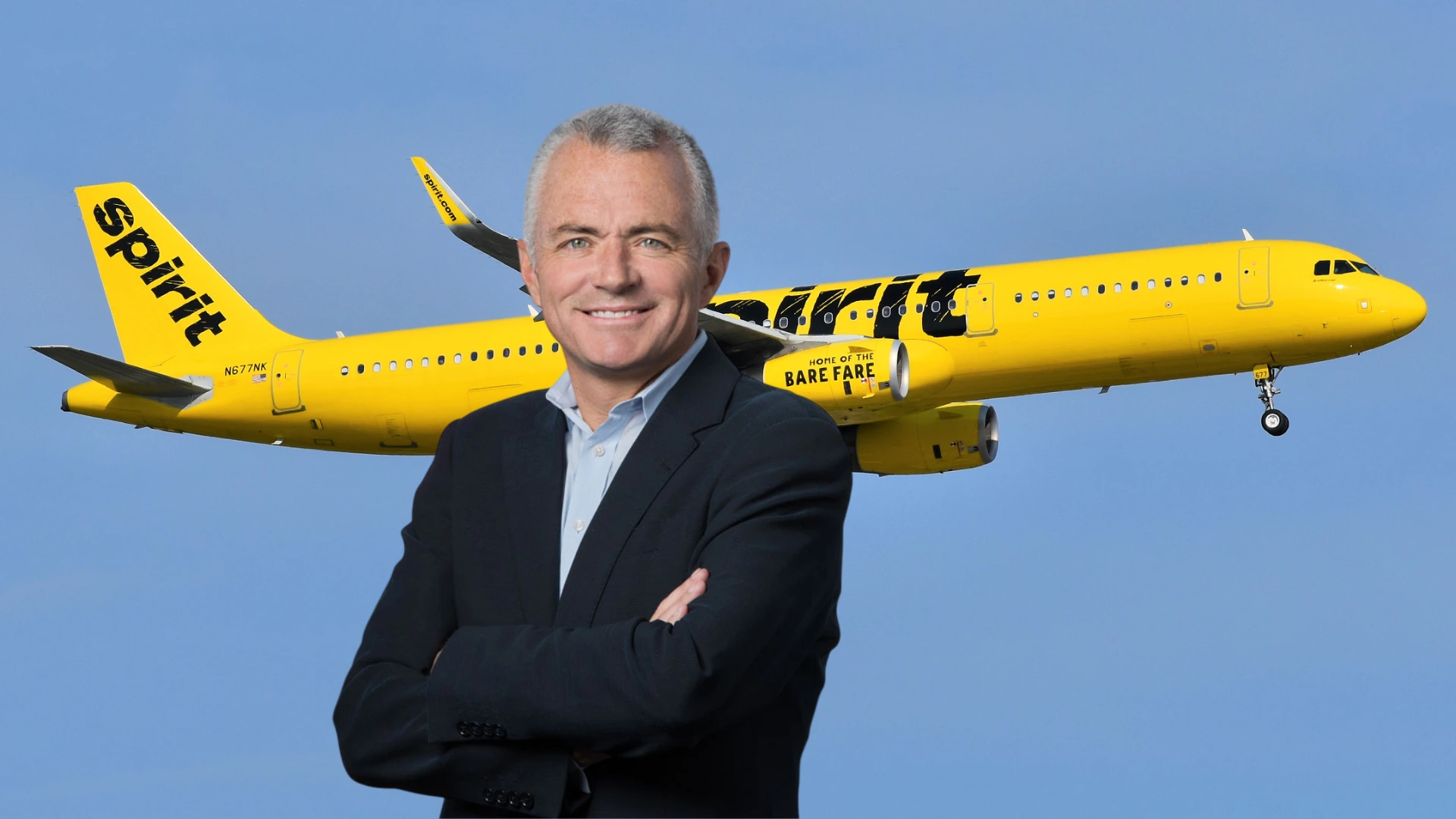
The ownership of Spirit hit a legal wall in early 2024 when a federal judge blocked the JetBlue merger. The Department of Justice (DOJ) argued that if JetBlue owned Spirit, it would eliminate a “disruptor” in the market, leading to higher prices for low-income travelers. This ruling forced JetBlue to terminate the acquisition, leaving Spirit as an independent, publicly traded company once again. The financial fallout was immediate, with Spirit’s stock price plummeting as investors realized the “buyout premium” was gone.
Financial Health: Debt, Assets, and the Value of the Spirit Brand
When analyzing who owns a company, one must also consider the creditors. In many ways, the entities that hold a company’s debt have as much “ownership” over its future as the equity holders. For Spirit, the balance sheet is a primary concern for any prospective owner or current investor.
The Burden of Corporate Debt
Spirit Airlines carries a significant amount of debt, much of it tied to the financing of its modern, fuel-efficient fleet of Airbus A320neo aircraft. In the world of high-finance, debt holders (bondholders) have a senior claim on the company’s assets. If Spirit were to face a liquidity crisis, these creditors would essentially become the “owners” of the company’s physical assets during a restructuring process.
The company’s ability to manage its debt maturity profile is currently the most scrutinized aspect of its financial reports. Investors are closely watching how the company handles its upcoming obligations, especially in an environment of high interest rates and fluctuating travel demand.
Asset Value vs. Market Cap
A fascinating aspect of Spirit’s ownership is the discrepancy between its market capitalization and its book value. At various points in the last year, Spirit’s stock has traded at a fraction of the value of its physical assets (planes, engines, and slots).
This makes Spirit an attractive target for private equity firms or “asset strippers” who might see more value in liquidating the fleet or leasing it back than in running the airline itself. Understanding who owns Spirit requires recognizing that the current shareholders are betting on the airline’s “going-concern” value, while the market is pricing in the risk of a potential restructuring.
The Path Forward: Who Will Own Spirit in Five Years?
As Spirit Airlines navigates the post-merger-collapse landscape, the question of ownership remains fluid. The company is currently exploring strategic alternatives to shore up its balance sheet and return to profitability.
Potential for Private Equity Buyouts
With the stock price trading at historic lows, Spirit has become a prime candidate for a private equity buyout. Firms specializing in distressed assets or transportation infrastructure might see an opportunity to take the company private, away from the prying eyes of the public markets. Under private ownership, Spirit could undergo a massive restructuring—downsizing its route map and optimizing its fleet—without the quarterly pressure of shareholder earnings calls.
The Necessity of Future Consolidation
The reality of the U.S. aviation market is that smaller carriers struggle to achieve the scale necessary for long-term survival against the industry giants. While the JetBlue merger was blocked, most financial analysts agree that Spirit cannot remain in its current form indefinitely.
Whether it is a renewed bid from Frontier (which remains the most logical “money” match) or a slow absorption by another entity, the ownership of Spirit is likely to change again. The current institutional owners are looking for an exit strategy that maximizes value, and that exit almost certainly involves some form of consolidation.
Conclusion: A Company in Transition
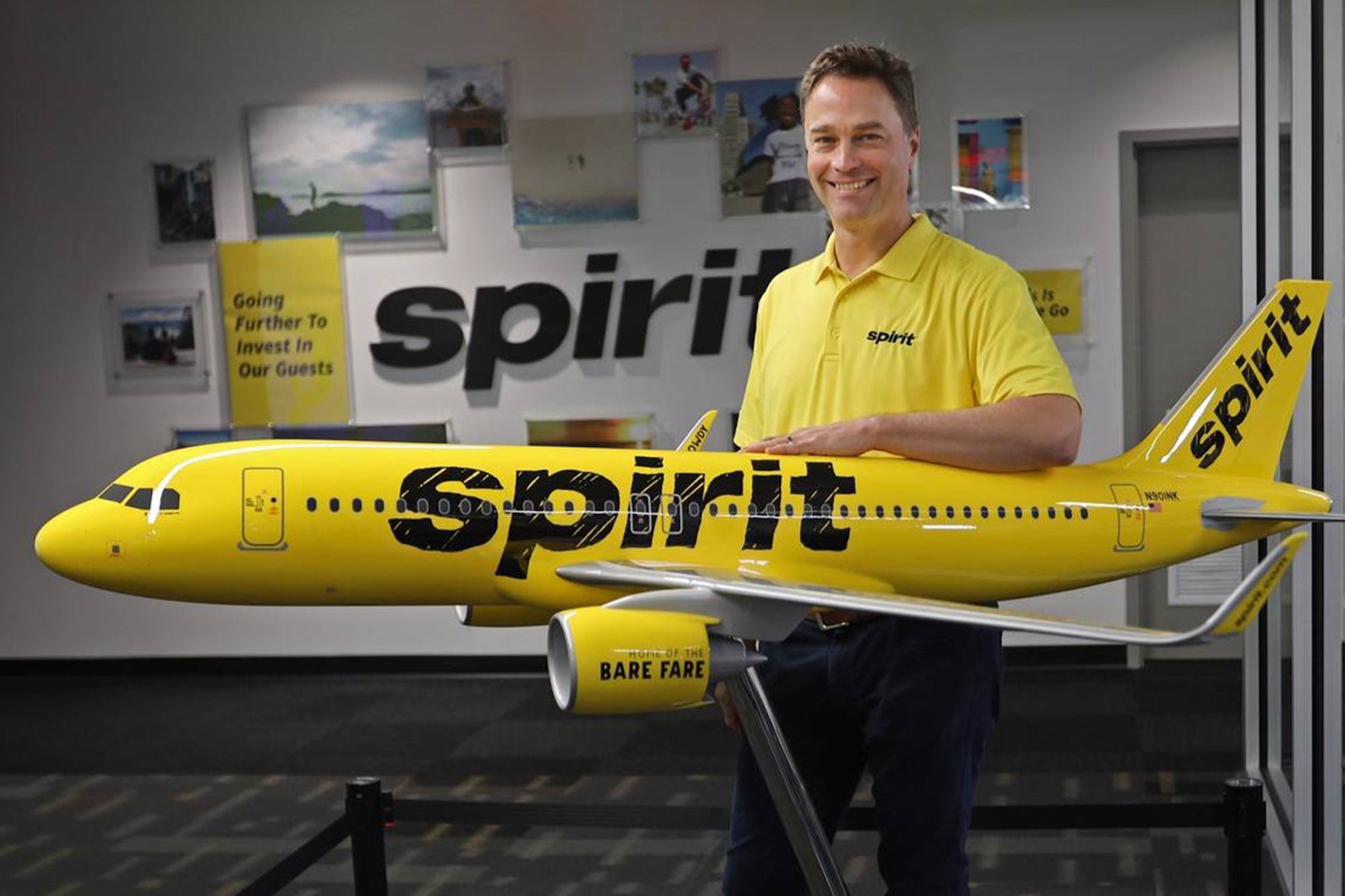
So, who owns Spirit? Officially, it is owned by a diverse group of institutional investors like Vanguard and BlackRock, along with a significant contingent of retail traders. However, in a deeper financial sense, Spirit’s future is currently “owned” by its creditors and the regulatory environment that dictates its ability to merge.
Spirit Airlines remains a critical player in the American economy, forcing larger carriers to keep their prices competitive. Yet, its financial struggles and the failure of its acquisition by JetBlue have left its ownership in a state of limbo. For the savvy investor, Spirit represents both a cautionary tale of regulatory risk and a potential opportunity in the volatile world of airline finance. As the company works to refinance its debt and stabilize its operations, the next chapter of its ownership story is already being written on the trading floors of Wall Street.
aViewFromTheCave is a participant in the Amazon Services LLC Associates Program, an affiliate advertising program designed to provide a means for sites to earn advertising fees by advertising and linking to Amazon.com. Amazon, the Amazon logo, AmazonSupply, and the AmazonSupply logo are trademarks of Amazon.com, Inc. or its affiliates. As an Amazon Associate we earn affiliate commissions from qualifying purchases.