
The question of “who is the maker of Tesla” is one of the most debated topics in modern corporate history. To the casual observer, the answer is singular: Elon Musk. However, from a brand strategy and corporate identity perspective, the “maker” of Tesla is not a single individual, but a complex evolution of visionaries, engineers, and a revolutionary approach to personal branding. Understanding who built Tesla requires peeling back the layers of its brand equity to see how it transitioned from a niche Silicon Valley startup into a global powerhouse that redefined an entire industry.

The Foundation of a Disrupter: Founding Vision vs. Corporate Identity
In the world of brand strategy, the “origin story” is a vital asset. It provides the narrative framework that consumers use to connect with a product. For Tesla, the origin story is often simplified, yet the reality of its “making” is a masterclass in how corporate identity can be reshaped over time.
The Original Architects: Eberhard and Tarpenning
While Elon Musk is the face of the brand today, the company was actually founded in 2003 by Martin Eberhard and Marc Tarpenning. Their brand vision was simple but radical: to prove that electric cars could be better, quicker, and more fun to drive than gasoline cars. This initial identity was rooted in engineering excellence and environmental sustainability. They were the “makers” of the foundational concept, naming the company after Nikola Tesla—a branding choice that signaled a dedication to electrical engineering and overlooked genius.
The Pivot to a High-Performance Identity
When Elon Musk led the Series A investment in 2004, the brand identity underwent a seismic shift. Musk didn’t just want to make a “good” electric car; he wanted to create a lifestyle brand that stood for the future. Under his direction as Chairman and later CEO, the brand identity moved away from being just a “green” car to being a “fast, high-tech” car. This shift was crucial. By targeting the luxury market with the Roadster, Tesla successfully avoided the “golf cart” stigma that had plagued previous electric vehicle attempts.
Legal and Symbolic Ownership
The brand’s identity was further solidified through a legal settlement in 2009, which allowed five individuals—Eberhard, Tarpenning, Musk, JB Straubel, and Ian Wright—to call themselves “Founders.” In the eyes of the consumer, however, the “maker” became synonymous with the person who stayed to see the vision through. This highlights a key lesson in personal branding: longevity and presence often outweigh chronological origin in the public consciousness.
The Musk Factor: Personal Branding as a Corporate Shield
Tesla is perhaps the most prominent example of a company whose brand value is inextricably linked to its leader’s personal brand. In brand strategy, this is known as the “Founder Effect.” Elon Musk has not just been the CEO; he has been the primary marketing engine, the chief disruptor, and the physical embodiment of the company’s mission.
The CEO as the Ultimate Influencer
Tesla famously spends zero dollars on traditional advertising. Instead, the brand relies on Musk’s personal platform and the “Maker” persona he has cultivated. By positioning himself as a polymath—simultaneously managing SpaceX, Neuralink, and Tesla—Musk created a brand aura of “inevitable innovation.” When consumers buy a Tesla, they aren’t just buying a car; they are buying into Musk’s vision of a multi-planetary, sustainable future. This is a deliberate brand strategy that leverages high-stakes storytelling to build loyalty.
Risks of the “Key Man” Brand Strategy
While Musk’s personal brand accelerated Tesla’s growth, it also introduces significant corporate identity risks. In branding, when the “maker” is more famous than the product, any controversy surrounding the individual directly impacts the brand’s equity. We see this in the fluctuating sentiment toward Tesla based on Musk’s public statements. For brand strategists, Tesla serves as a case study in the volatility of tethering corporate identity to a single, polarizing figure.
Cultivating a Global Community
The “maker” of Tesla also includes its fan base. Musk’s direct communication style on social media has turned customers into evangelists. This peer-to-peer marketing strategy is a hallmark of modern brand building. By making the “maker” accessible, Tesla transformed from a car manufacturer into a tech-forward community, where every owner feels like they are part of a revolutionary movement.
The Master Plan: Brand Positioning Through Visionary Marketing
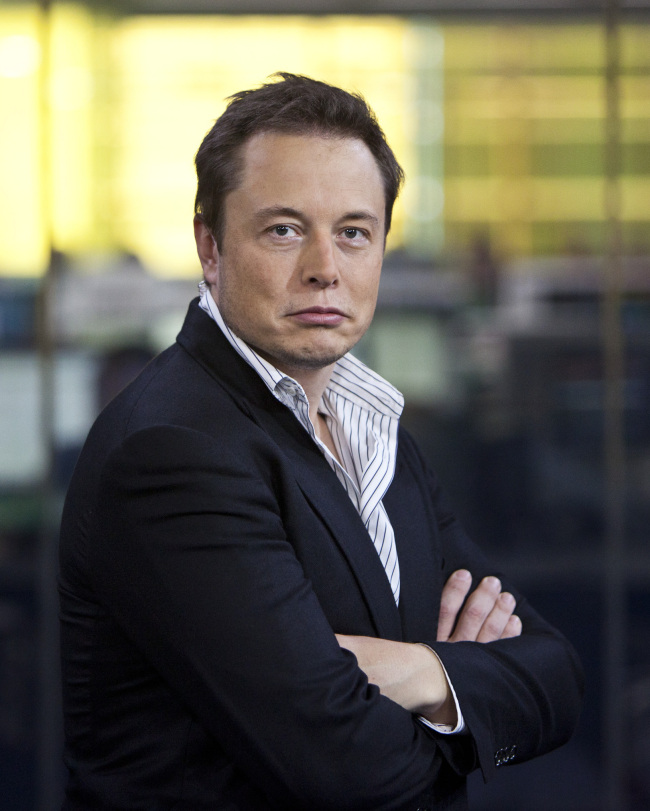
How a brand is “made” in the minds of the public is often the result of long-term strategic positioning. Tesla’s brand was built through a series of “Master Plans” that were shared openly with the world, a move that is almost unheard of in traditional corporate marketing.
Transparency as a Marketing Tool
In 2006, Musk published “The Secret Tesla Motors Master Plan (just between you and me).” The plan was simple:
- Build a sports car.
- Use that money to build an affordable car.
- Use that money to build an even more affordable car.
- While doing above, also provide zero-emission electric power generation options.
This level of transparency served as a powerful brand-building tool. It created a roadmap that investors and consumers could follow, turning the “making” of the company into a shared journey. It positioned Tesla not as a static entity, but as a brand in a constant state of evolution.
Luxury as a Gateway to Mass Market
One of the most brilliant aspects of Tesla’s brand strategy was the decision to start at the top of the market. By “making” the Model S a status symbol, Tesla created aspirational value. Most brands try to move from the bottom up (mass market to luxury), which is notoriously difficult. By starting with luxury, Tesla ensured that when they finally released the Model 3 and Model Y, the brand already possessed the prestige necessary to compete with established giants like BMW and Mercedes-Benz.
Defining a New Category
Tesla did not just make a car; they made a “computer on wheels.” This positioning is a masterclass in category design. By refusing to be categorized as a traditional “auto manufacturer,” Tesla redefined the competitive landscape. Their brand identity is centered on software, over-the-air updates, and autonomy—fields where they are perceived as the dominant “maker,” regardless of traditional automotive metrics.
The Aesthetic of Innovation: Design and Lifestyle as Brand Pillars
The physical “making” of a Tesla—the design language and user experience—is what ultimately cements its brand identity in the physical world. The minimalist aesthetic and futuristic design are intentional choices that distinguish the “maker” of Tesla from the “makers” of Ford or Toyota.
Minimalism as a Visual Identity
Tesla’s design philosophy, spearheaded by Franz von Holzhausen, is a core component of its brand. The absence of a traditional grille, the hidden door handles, and the single-screen interior are not just engineering choices; they are brand statements. They communicate a “less is more” philosophy that appeals to the tech-savvy, modern consumer. This aesthetic consistency makes a Tesla instantly recognizable, reinforcing the brand’s identity as a leader in modern design.
The Supercharger Network: Branding Through Infrastructure
Many forget that the “maker” of Tesla also made the world’s most successful charging infrastructure. From a brand strategy perspective, the Supercharger network is a “moat.” It provides a sense of security and exclusivity that other EV brands lack. The sleek, uniform design of the chargers serves as a constant physical touchpoint for the brand, reminding the public who the leader in the space truly is.
Vertical Integration and the “Made by Tesla” Promise
Tesla’s move toward vertical integration—making their own batteries, chips, and seats—is a strategic branding move. It allows them to claim total ownership over the product. In an era of global outsourcing, the “made by Tesla” ethos provides a sense of craftsmanship and control that resonates with consumers who value quality and innovation.

Conclusion: The Legacy of the Maker
So, who is the maker of Tesla? From a brand strategy perspective, it is a collective entity fueled by the foundational engineering of Eberhard and Tarpenning, the visionary disruption of Elon Musk, and a world-class design team that dared to rethink the automobile.
Tesla’s identity is a testament to the power of visionary branding. It proves that a company can transcend its product to become a symbol of the future. As Tesla continues to evolve, its “maker” identity will likely continue to shift, moving away from a single person and toward an enduring legacy of innovation. For any brand strategist, the story of Tesla remains the definitive guide on how to build, protect, and scale a brand that changes the world.
aViewFromTheCave is a participant in the Amazon Services LLC Associates Program, an affiliate advertising program designed to provide a means for sites to earn advertising fees by advertising and linking to Amazon.com. Amazon, the Amazon logo, AmazonSupply, and the AmazonSupply logo are trademarks of Amazon.com, Inc. or its affiliates. As an Amazon Associate we earn affiliate commissions from qualifying purchases.