
Finding the “best” car insurance rate is rarely a matter of identifying a single company that offers a universal bargain. In the realm of personal finance, car insurance is a dynamic expense influenced by a complex interplay of actuarial data, individual risk profiles, and regional economic shifts. For the savvy consumer, the goal is not just to find the lowest premium, but to secure the highest value—balancing comprehensive protection with a price point that aligns with long-term financial goals.
As inflation continues to impact the cost of vehicle repairs and medical care, insurance premiums have seen a corresponding uptick across the industry. Understanding who offers the most competitive rates requires a deep dive into how these companies calculate risk and which providers consistently reward low-risk financial behavior.
Decoding the Factors Behind Car Insurance Pricing
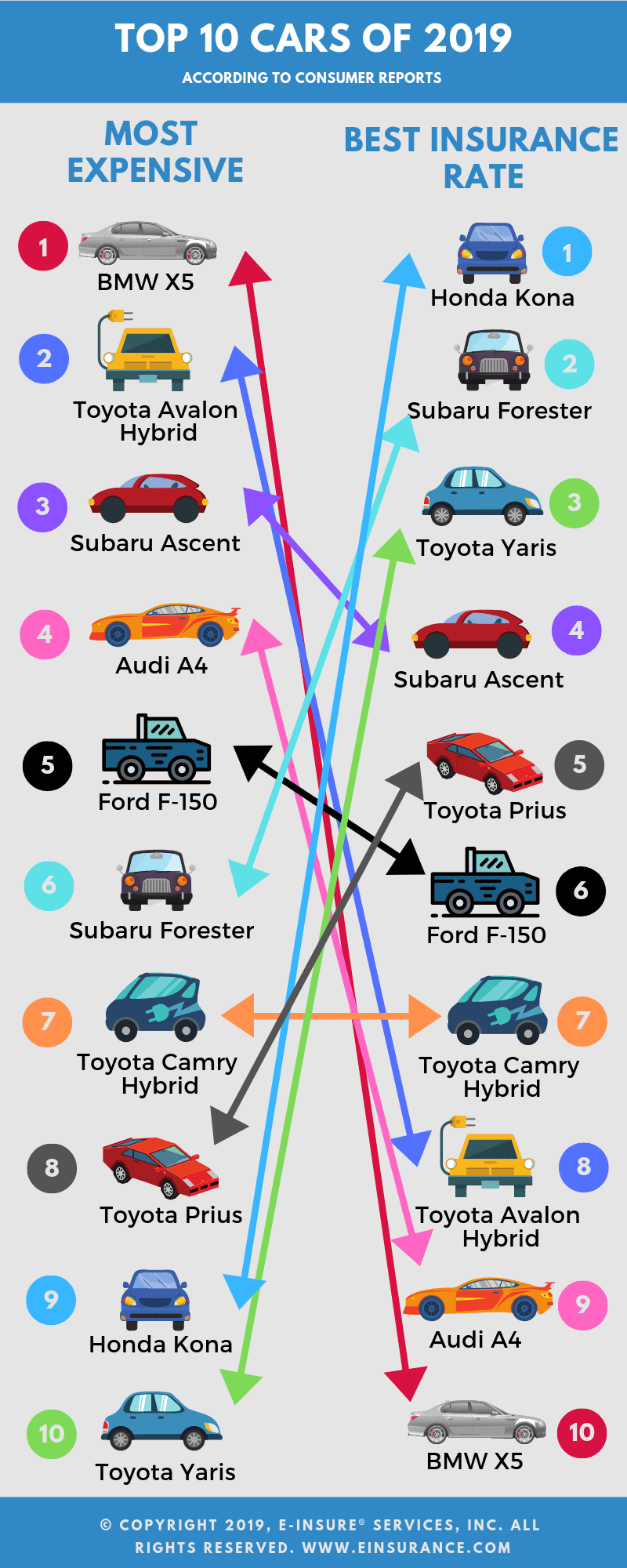
Before comparing specific providers, it is essential to understand the underlying mechanics of insurance pricing. Insurance companies are essentially risk-management entities. They use vast datasets to predict the likelihood of a claim, and they price their products accordingly. To secure the best rates, one must understand the variables that move the needle.
Demographic Data and Personal Profiles
Your age, marital status, and gender are foundational elements in the pricing equation. Statistically, younger drivers—particularly those under 25—face the highest rates due to a lack of driving history and a higher statistical probability of accidents. Conversely, married drivers in their 40s and 50s often see the lowest rates, as data suggests they are more likely to exhibit cautious driving behavior. From a financial planning perspective, knowing these milestones can help you anticipate when your premiums might naturally decrease.
Driving History and Risk Assessment
Nothing impacts your car insurance rate more significantly than your driving record. A history of speeding tickets, at-fault accidents, or DUI convictions signals to a carrier that you are a high-risk investment. Even a single minor infraction can increase premiums by 20% to 30% for a three-to-five-year period. Maintaining a clean record is the most effective way to ensure you remain eligible for “Preferred” or “Ultra-Preferred” rating tiers, which offer the market’s lowest rates.
The Financial Impact of Credit Scores
In many states, your credit-based insurance score is a major factor in determining your premium. Actuarial studies have shown a strong correlation between credit responsibility and driving safety. Individuals with “Excellent” credit scores often pay significantly less than those with “Poor” scores, even if their driving records are identical. Within the “Money” niche, this highlights the intersection of different financial sectors: improving your credit doesn’t just lower your interest rates on loans; it directly lowers your cost of living by reducing insurance overhead.
Top Contenders for Competitive Rates in the Current Market
While rates vary by ZIP code and individual profile, several national carriers consistently rank at the top for affordability and value. These companies have optimized their business models to cater to specific segments of the market, offering specialized savings that can significantly impact your annual budget.
Geico and Progressive: The Giants of Affordability
Geico has long been synonymous with low-cost premiums. Their “direct-to-consumer” model eliminates the middleman, allowing them to pass savings onto the policyholder. They are particularly competitive for drivers with clean records and those seeking “standard” coverage.
Progressive, on the other hand, is a leader for drivers who may have a “mismatch” in their profile—such as a recent ticket or a lapse in coverage. Their “Name Your Price” tool and robust telematics programs allow for a high degree of customization, making them a top choice for those who are actively managing their monthly cash flow.
USAA and State Farm: Value Through Loyalty and Service
For those who qualify (active military, veterans, and their families), USAA consistently offers the lowest rates in the industry, often coupled with the highest customer satisfaction ratings. From a personal finance standpoint, USAA is often the “gold standard” for military families.
State Farm holds the largest market share in the U.S. and is known for its extensive network of local agents. While their base rates may occasionally be higher than “budget” carriers, their multi-policy discounts (bundling home and auto) are among the most aggressive in the industry. For a homeowner, the “net” cost of a State Farm policy—after accounting for the discount on the homeowners’ insurance—is often the most financially sound choice.
Erie and Auto-Owners: The Regional Powerhouses
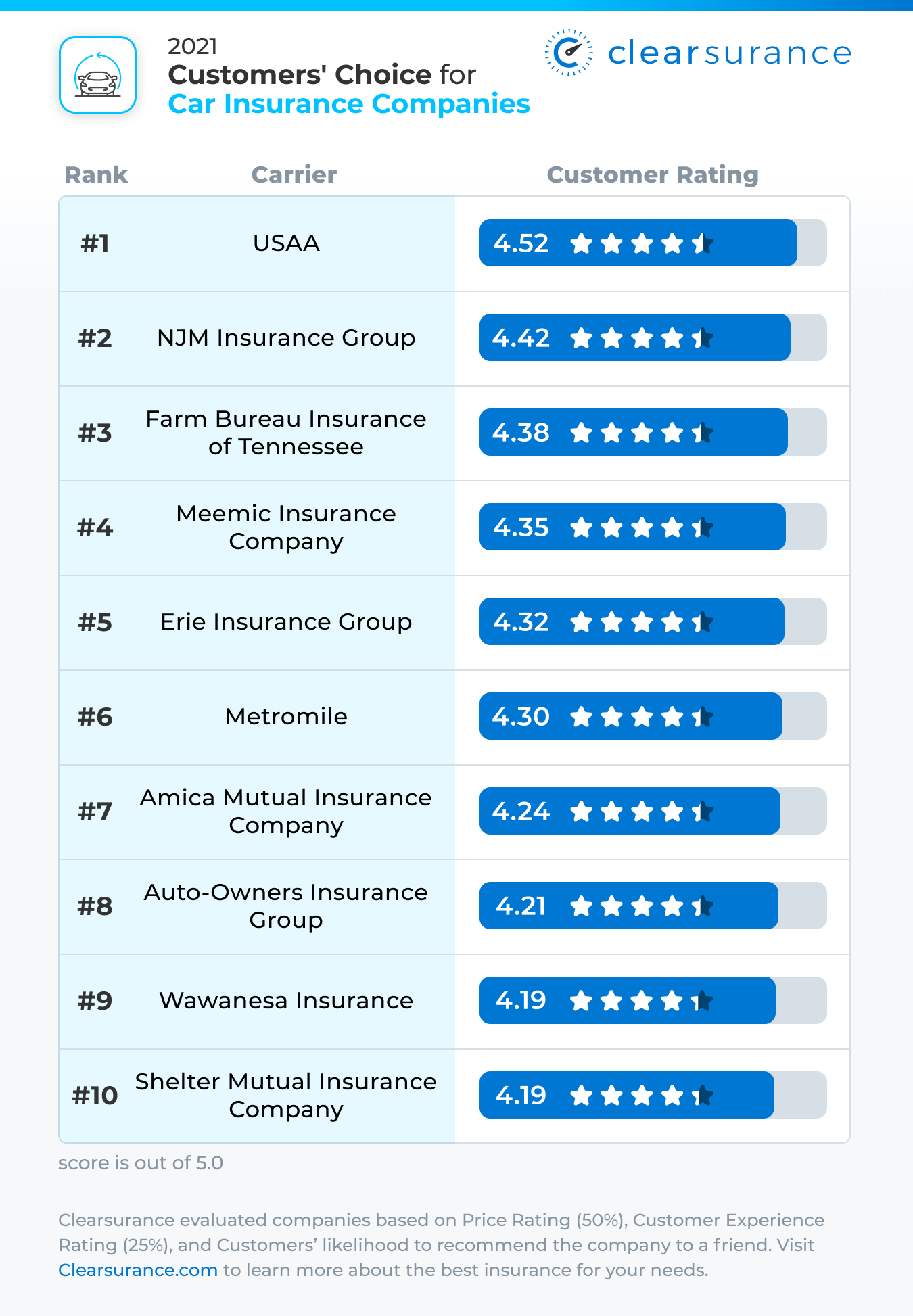
Sometimes the best rates aren’t found with the national giants. Regional carriers like Erie Insurance (operating in the Midwest and Mid-Atlantic) and Auto-Owners Insurance frequently outperform national brands in terms of price and claims handling. These companies often have more nuanced underwriting for specific regions, allowing them to offer lower rates to local residents that a national algorithm might overlook.
Strategic Ways to Lower Your Monthly Premiums
Finding the best rate is not a passive activity. It requires an active application of financial strategies to leverage the discounts and programs that insurance companies offer to incentivize “good” financial and driving behavior.
Maximizing Multi-Policy and Safety Discounts
The “bundle” is the oldest trick in the personal finance book for a reason. By combining your auto, homeowners, or renters insurance with a single carrier, you can save anywhere from 10% to 25% across all policies. Beyond bundling, look for “affinity” discounts. Many insurers offer lower rates to members of specific professional organizations, alumni associations, or even employees of certain corporations.
Telematics and Usage-Based Insurance (UBI)
We are currently seeing a paradigm shift in how insurance is priced, moving from “generalized risk” to “individualized risk.” Telematics programs—like Progressive’s Snapshot or State Farm’s Drive Safe & Save—track your actual driving habits (braking, acceleration, and mileage). For low-mileage drivers or those who drive cautiously, these programs can yield discounts of up to 40%. This is an excellent tool for remote workers or retirees who are looking to trim their transportation budget.
Adjusting Deductibles and Coverage Limits
One of the most direct ways to lower a premium is to increase your deductible—the amount you pay out of pocket before insurance kicks in. Increasing a deductible from $500 to $1,000 can lower your collision and comprehensive premiums by 15% to 30%. However, this strategy must be backed by a solid emergency fund. From a financial management perspective, you should only carry a deductible that you can comfortably pay at a moment’s notice.
The Role of Financial Planning in Insurance Selection
When searching for the best car insurance rates, it is easy to fall into the trap of choosing the “cheapest” policy. However, in the context of personal finance and wealth protection, the cheapest policy can often be the most expensive mistake.
Assessing Total Cost of Ownership (TCO)
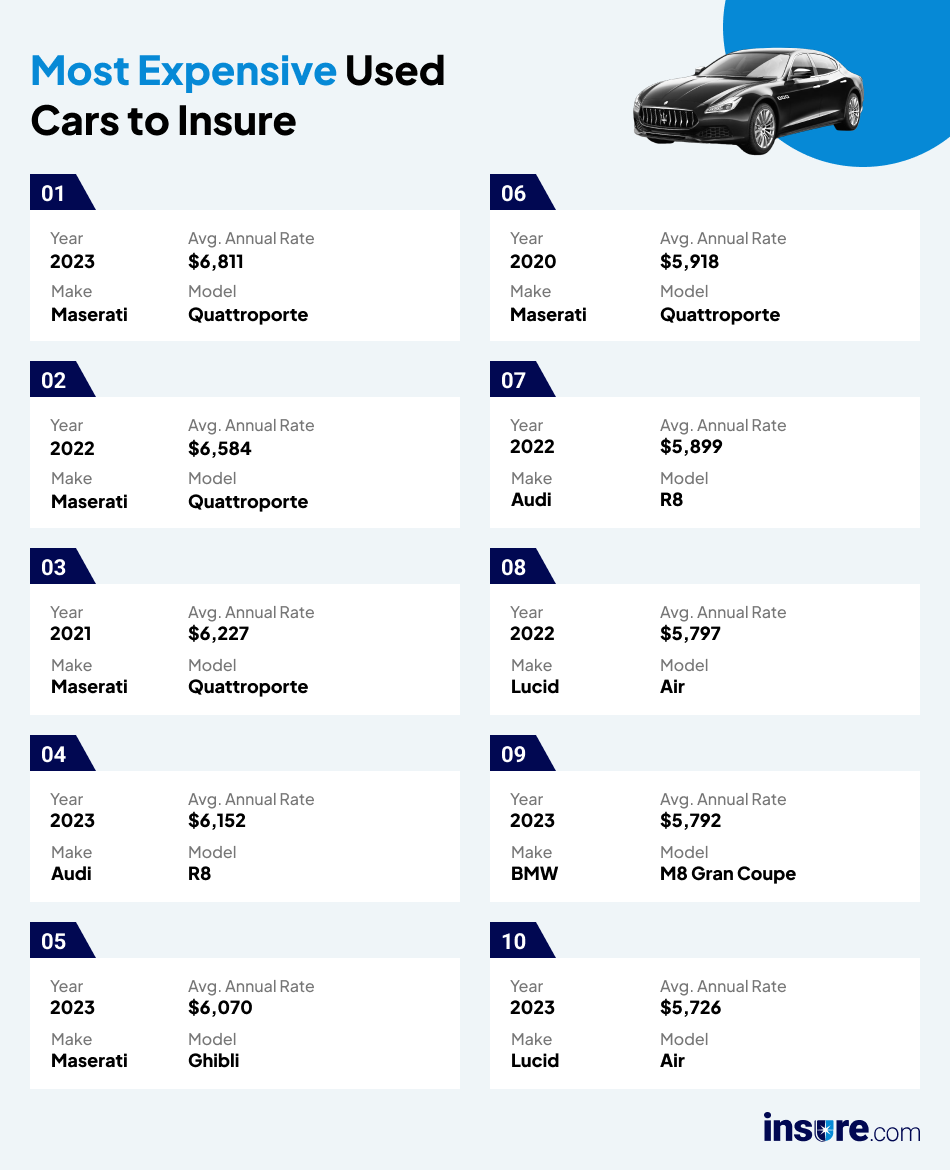
Car insurance is a significant component of a vehicle’s Total Cost of Ownership. When purchasing a new car, savvy investors check insurance quotes before signing the lease or loan. A car with a lower MSRP might actually have a higher TCO if its safety ratings are poor or if it is a frequent target for theft, leading to exorbitant insurance premiums.
Why Cheap Isn’t Always “Best”
The “best” rate is the one that protects your assets. If you have significant personal assets—such as a home, savings, or investment accounts—carrying only the state-minimum liability coverage is a massive financial risk. A single at-fault accident could lead to a lawsuit that exceeds your coverage limits, putting your entire financial future in jeopardy.
In this context, the “best” rate is found by identifying the point of “diminishing returns”: finding a policy with high liability limits (e.g., 100/300/100 or 250/500/100) and an umbrella policy that provides maximum protection for a marginally higher monthly cost. This is the difference between “saving money” and “building wealth.”
Conclusion: Executing Your Insurance Audit
To find who has the best car insurance rates for your specific situation, you must conduct a formal insurance audit at least once every 12 to 18 months. Because the insurance market is constantly shifting, a company that was the most expensive for you three years ago might now be the most competitive.
Start by pulling your current declarations page to understand your existing coverage. Then, gather at least three quotes from different types of carriers: a direct-to-consumer giant (like Geico), a captive agent carrier (like State Farm), and an independent agent who can shop regional carriers for you.
By treating car insurance as a strategic financial tool rather than a static bill, you can minimize one of your largest recurring expenses while ensuring that your path to financial independence remains protected from the unexpected. The “best” rate is out there; it simply requires a disciplined, data-driven approach to find it.
aViewFromTheCave is a participant in the Amazon Services LLC Associates Program, an affiliate advertising program designed to provide a means for sites to earn advertising fees by advertising and linking to Amazon.com. Amazon, the Amazon logo, AmazonSupply, and the AmazonSupply logo are trademarks of Amazon.com, Inc. or its affiliates. As an Amazon Associate we earn affiliate commissions from qualifying purchases.