
The question “who created the Tesla car?” is far more complex than a simple attribution to a single individual or moment. It encapsulates a rich tapestry of visionary thinking, relentless engineering, and a profound commitment to redefining automotive technology. Tesla, as a company, did not emerge from a vacuum but rather from the confluence of brilliant minds, significant investment, and an audacious goal: to accelerate the world’s transition to sustainable energy through cutting-edge electric vehicles. To understand the creation of the Tesla car is to delve into a narrative of technological disruption, where software meets hardware, and ambitious visions transform into tangible realities that reshape an entire industry.
The Visionaries Behind the Revolution: Not Just One Architect
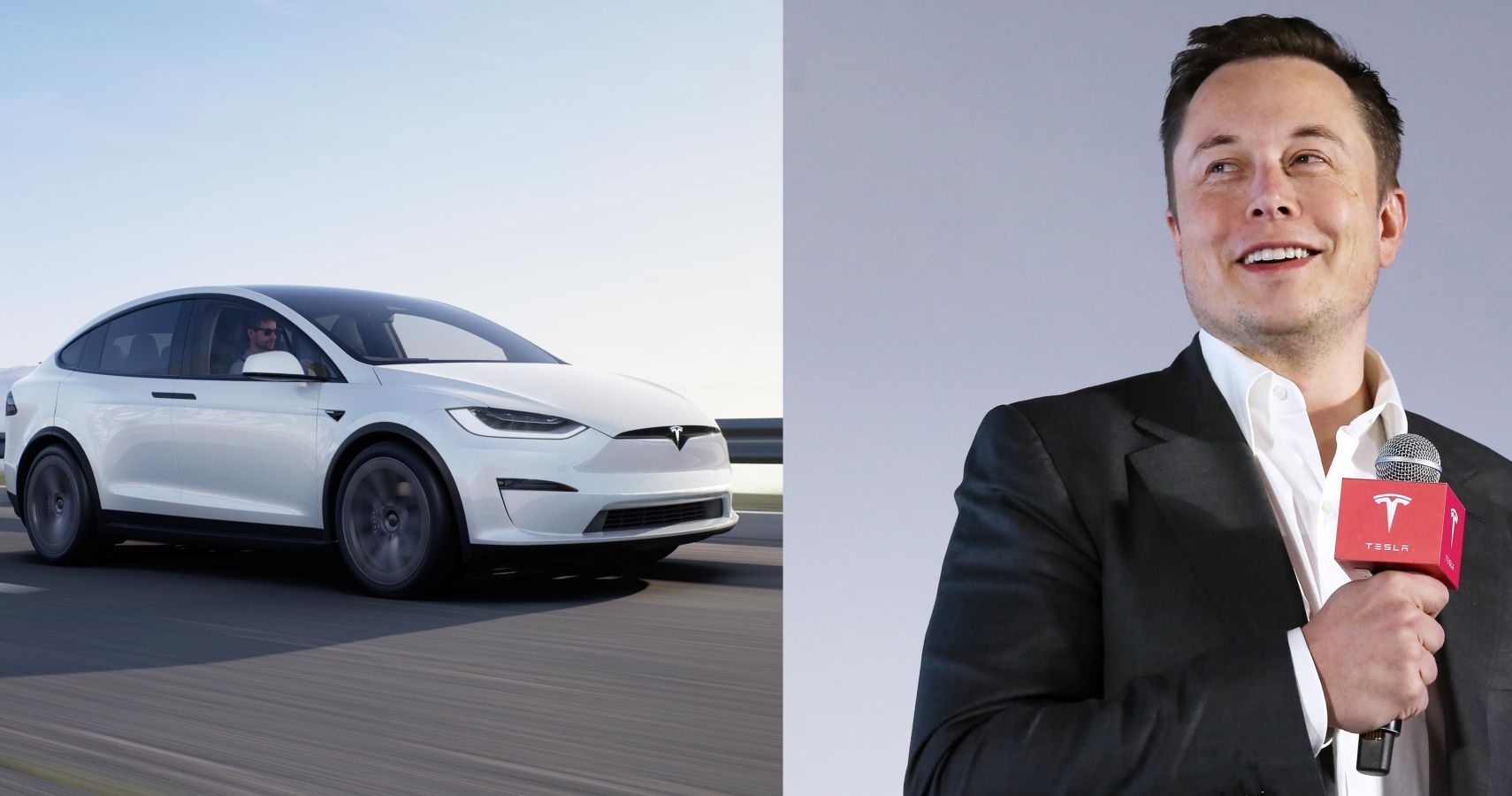
The popular narrative often attributes Tesla’s creation solely to Elon Musk, but the true story of its inception involves multiple key figures whose contributions were foundational. Tesla’s birth was a collaborative effort, a testament to the power of collective vision in the highly complex world of advanced technological development.
The Founding Five: Birth of a Bold Idea
Tesla Motors was officially incorporated in July 2003 by Martin Eberhard and Marc Tarpenning. Their initial motivation stemmed from a shared frustration with the internal combustion engine and a desire to prove that electric vehicles (EVs) could be not only practical but also high-performance and desirable. Eberhard, an engineer with a background in network technology, and Tarpenning, a software engineer and entrepreneur, envisioned an electric sports car that could compete with gasoline-powered counterparts in terms of speed, range, and aesthetics.
Their initial concept was revolutionary: to build a high-performance EV that would utilize widely available laptop batteries, configured into a massive battery pack, to achieve unprecedented range and power. They aimed to dispel the prevailing notion that EVs were golf carts—slow, impractical, and limited. Their vision was to create a car that enthusiasts would genuinely covet, demonstrating the viability and excitement of electric propulsion. This initial spark, fueled by a deep understanding of technology and a market gap for compelling EVs, laid the groundwork for what would become Tesla.
Elon Musk’s Pivotal Entry and Technological Acceleration
While Eberhard and Tarpenning conceived the initial idea and brought the company into existence, Elon Musk joined as a primary investor in February 2004, leading the Series A funding round with a $6.5 million investment. He became Chairman of the Board and subsequently took on the role of CEO in 2008. Musk’s entry marked a significant inflection point, dramatically accelerating Tesla’s technological trajectory and expanding its ambitions far beyond the initial scope.
Musk’s vision extended beyond merely building an electric sports car. He saw Tesla as a vertically integrated technology company that would tackle not just vehicle manufacturing, but also battery technology, charging infrastructure, and advanced artificial intelligence for autonomous driving. His leadership infused Tesla with an ethos of audacious innovation, a relentless pursuit of engineering excellence, and a long-term strategic roadmap centered on sustainable energy. He pushed the boundaries of what was considered possible, championing technologies like large-scale battery production, over-the-air software updates, and the development of self-driving capabilities, cementing his role as a crucial architect of the Tesla car as we know it today.
Other key figures also played significant roles in the early days. Ian Wright, one of the initial founders, contributed his engineering expertise, particularly in power electronics. JB Straubel, who joined early as CTO, was instrumental in developing the company’s battery technology, motor design, and power electronics, laying much of the fundamental engineering groundwork that would enable Tesla’s subsequent success. Together, these individuals formed the core leadership that brought the Tesla car from a nascent idea to a groundbreaking reality.
Engineering the Impossible: Early Prototypes and Breakthroughs
The journey from concept to a functional, marketable electric vehicle was fraught with immense technological challenges. Tesla’s early years were characterized by ambitious engineering feats, proving that electric propulsion could not only match but surpass traditional gasoline engines in key performance metrics.
The Roadster: Proving Electric Performance
Tesla’s first production vehicle, the Roadster, unveiled in 2006 and delivered from 2008 to 2012, was a monumental achievement. It wasn’t just a car; it was a statement. Built on a modified Lotus Elise chassis, the Roadster showcased that an electric car could be fast (0-60 mph in under 4 seconds), have a substantial range (over 200 miles per charge), and be genuinely fun to drive.
The technological ingenuity behind the Roadster was remarkable. It pioneered the use of a large array of small, commercially available lithium-ion cells (over 6,800 of them) arranged in a meticulously engineered battery pack. This approach, unprecedented at the time, allowed for high energy density and range, but required sophisticated battery management systems to monitor and balance each cell. The Roadster also featured a powerful AC induction motor and advanced power electronics developed in-house, demonstrating Tesla’s capability to integrate complex electrical and mechanical systems into a cohesive, high-performance package. Its success fundamentally shifted public perception, proving that EVs weren’t just for eco-conscious commuters but for discerning drivers seeking exhilaration and cutting-edge technology.
Scaling Up: The Model S and Mass-Market Innovation
Building on the Roadster’s success, Tesla set its sights on a far more ambitious goal: a premium electric sedan for the mass market. The Model S, introduced in 2012, represented an exponential leap in complexity, design, and manufacturing. This vehicle was not merely an iteration but a complete reimagining of what a car could be, marking Tesla’s transition from a niche sports car manufacturer to a serious contender in the automotive industry.
The Model S was designed from the ground up as an electric vehicle, featuring a bespoke “skateboard” platform that housed the battery pack beneath the floor, creating a low center of gravity and maximizing interior space. Key technological innovations included its large, vertically oriented 17-inch touchscreen, which integrated virtually all vehicle controls and infotainment, effectively transforming the car into a software-defined device on wheels. This was complemented by the introduction of over-the-air (OTA) software updates, a revolutionary concept for the automotive industry that allowed Tesla to continuously improve vehicle features, performance, and even fix issues remotely, long after the car left the factory. Furthermore, the Model S was intrinsically linked to the burgeoning Supercharger network, Tesla’s proprietary fast-charging infrastructure, which addressed range anxiety head-on and made long-distance EV travel a practical reality. The Model S wasn’t just an electric car; it was a connected, upgradable, and technologically integrated system designed for the future.
Tesla’s Technological Pillars: Beyond the Powertrain

Tesla’s impact extends far beyond the mere act of building electric cars. The company’s profound influence on the automotive industry stems from its holistic approach to technology, leveraging advancements in areas traditionally separate from car manufacturing.
Battery Technology and Energy Management
At the core of every Tesla vehicle is its highly advanced battery technology. While not a battery cell manufacturer in the traditional sense, Tesla has been a pioneer in battery pack design, thermal management, and energy optimization. Early on, Tesla embraced cylindrical lithium-ion cells, similar to those used in laptops, and developed sophisticated techniques to arrange thousands of these cells into highly efficient, high-capacity battery packs. This approach allowed for excellent energy density and robust performance.
Tesla’s innovations in battery thermal management are particularly critical. Efficient cooling and heating systems are essential to maintain the optimal operating temperature of the battery pack, ensuring longevity, consistent performance, and rapid charging speeds. Furthermore, Tesla’s Battery Management System (BMS) is a proprietary software and hardware solution that precisely monitors the voltage, temperature, and current of each cell or cell group, optimizing energy flow and maximizing the life and safety of the battery. The continuous pursuit of improved cell chemistry, form factors (like the 4680 structural battery cells), and energy density remains a cornerstone of Tesla’s technological advantage. The Supercharger network, designed and deployed by Tesla, is an integral part of this energy ecosystem, offering unparalleled convenience and speed for long-distance travel, effectively eliminating one of the biggest barriers to EV adoption.
Software-Defined Vehicles and Artificial Intelligence
Perhaps Tesla’s most distinctive technological differentiator lies in its commitment to the software-defined vehicle (SDV) paradigm and the integration of artificial intelligence (AI). Unlike traditional automakers, Tesla treats its cars as computers on wheels, where software plays a predominant role in defining functionality, performance, and user experience.
Over-the-air (OTA) updates are central to this philosophy. Through continuous software deployments, Tesla can introduce new features, enhance existing ones, improve vehicle safety, boost performance, and even unlock greater range or efficiency, all without a physical visit to a service center. This transforms the ownership experience, allowing vehicles to improve over time rather than becoming obsolete.
The pinnacle of Tesla’s software and AI efforts is its ambitious Autopilot and Full Self-Driving (FSD) systems. These features leverage a sophisticated suite of cameras, ultrasonic sensors, and radar (though radar has been phased out in some regions) to perceive the vehicle’s surroundings. The data collected from millions of Tesla vehicles globally feeds into a powerful neural network training platform, enabling continuous learning and improvement of its AI models. Tesla’s approach to autonomous driving is vision-first, relying heavily on advanced computer vision and machine learning algorithms to interpret the real world and make driving decisions. This massive investment in AI and software engineering positions Tesla not just as a car manufacturer, but as a leading AI company in the realm of robotics and autonomous systems.
Manufacturing Innovation: The Gigafactory Concept
To achieve its ambitious production targets and bring down costs, Tesla recognized the need to innovate not just in car design but also in manufacturing processes. This led to the development of the Gigafactory concept—massive, highly automated factories designed for vertical integration and unprecedented scale.
The Gigafactories are more than just assembly plants; they are integrated ecosystems where battery production, vehicle assembly, and often even raw material processing occur under one roof. This vertical integration allows Tesla to exert greater control over its supply chain, accelerate innovation in manufacturing techniques, and reduce production costs. Tesla has pioneered new approaches to casting (e.g., Gigapress for large single-piece castings), automation, and assembly line optimization, all aimed at achieving exponential increases in production efficiency and speed. This focus on “the machine that builds the machine” is a critical technological pillar, enabling Tesla to scale its innovations from niche products to mass-market availability.
The Ongoing Evolution: Redefining the Automotive Landscape
Tesla’s creation and subsequent growth have fundamentally altered the automotive landscape, pushing the boundaries of what is possible and setting new benchmarks for performance, technology, and sustainability.
Pushing Boundaries with New Models and Technologies
From the original Roadster to the Model S, X, 3, Y, and the futuristic Cybertruck, Tesla has consistently introduced vehicles that challenge conventional wisdom and integrate cutting-edge technology. Each new model brings advancements in battery technology, motor efficiency, software capabilities, and manufacturing processes. The introduction of innovations like structural battery packs (integrating the battery into the vehicle’s structure for improved stiffness and efficiency) and the development of the 4680 battery cells underscores Tesla’s relentless pursuit of technological leadership. These innovations are not just about incremental improvements; they represent systemic changes aimed at further optimizing range, performance, cost, and the overall sustainability of electric mobility.
Impact on the Industry and the Future of Mobility
Tesla’s most profound impact is perhaps its role as a disruptor. By proving the viability and desirability of high-performance, long-range electric vehicles, Tesla effectively lit a fire under traditional automakers, forcing them to accelerate their own EV development plans. The competitive pressure exerted by Tesla has led to a global shift towards electrification, with virtually every major manufacturer now committing significant resources to EV production.
Beyond electrification, Tesla has also driven innovation in areas like software integration, OTA updates, and autonomous driving, compelling competitors to adopt similar strategies. Tesla’s vision extends to a future of fully sustainable transport and energy solutions, encompassing not just vehicles but also energy storage (Powerwall, Megapack) and solar energy generation. The “Tesla car,” therefore, is not merely a product but a powerful catalyst for a broader technological revolution aimed at sustainable energy and AI-driven mobility, shaping the future of how we move and power our world.
Conclusion: A Legacy of Innovation and Disruption
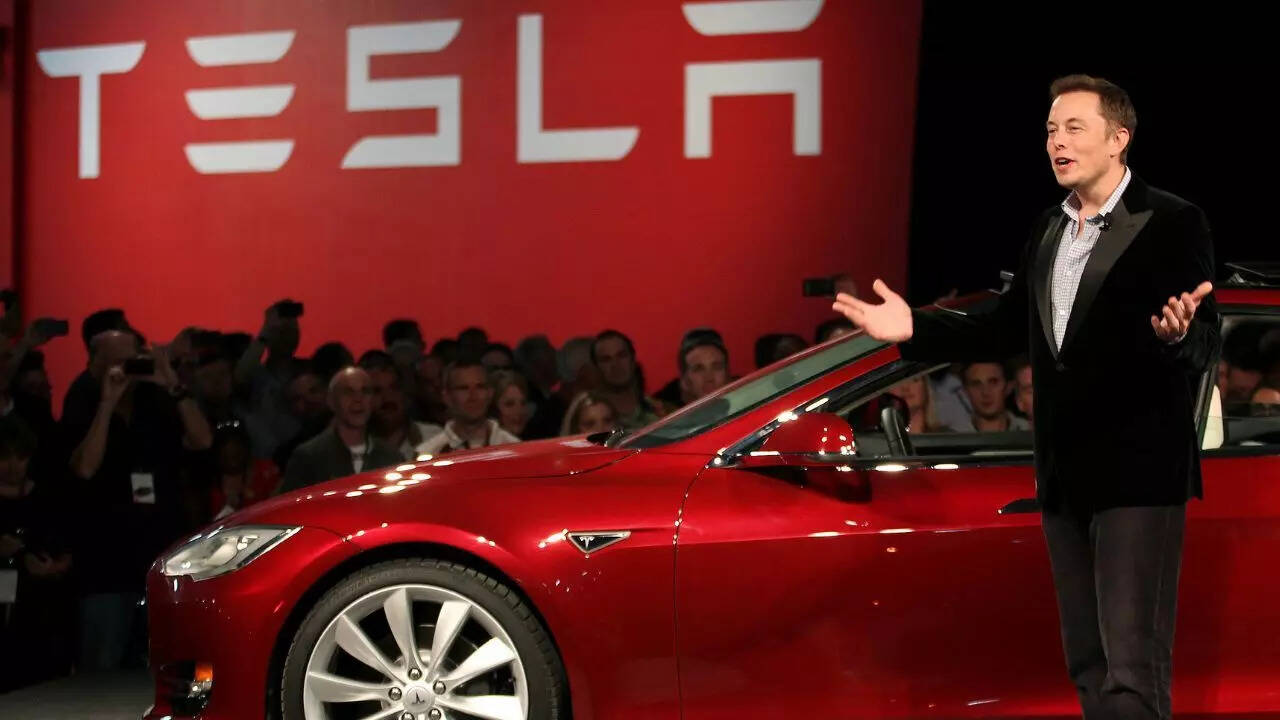
The creation of the Tesla car is a remarkable saga of entrepreneurial foresight, engineering brilliance, and technological audacity. It is not the work of a single inventor but a collaborative effort that began with the bold vision of Martin Eberhard and Marc Tarpenning, was profoundly shaped and scaled by Elon Musk, and supported by a cadre of brilliant engineers and innovators like JB Straubel. From the initial concept of a high-performance electric sports car to the development of software-defined autonomous vehicles and vertically integrated Gigafactories, Tesla has consistently challenged established norms and redefined the boundaries of automotive technology.
Ultimately, the Tesla car stands as a testament to the power of relentless innovation within the tech sphere. It is a product of an unwavering belief that technology can solve some of the world’s most pressing challenges, from climate change to inefficient transportation. More than just a vehicle, the Tesla car is a mobile supercomputer, an energy storage device, and a platform for artificial intelligence, cementing Tesla’s position not just as an automaker, but as a technological powerhouse leading the charge into a sustainable and autonomously driven future.
aViewFromTheCave is a participant in the Amazon Services LLC Associates Program, an affiliate advertising program designed to provide a means for sites to earn advertising fees by advertising and linking to Amazon.com. Amazon, the Amazon logo, AmazonSupply, and the AmazonSupply logo are trademarks of Amazon.com, Inc. or its affiliates. As an Amazon Associate we earn affiliate commissions from qualifying purchases.