
In an era dominated by instant digital transfers, mobile wallets, and contactless payments, the traditional paper check can feel like a relic of a bygone financial age. However, despite the rise of fintech, checks remain a fundamental tool in the world of personal and business finance. Whether you are setting up a direct deposit for a new job, authorizing an automated clearing house (ACH) payment for your mortgage, or simply trying to understand your monthly statement, knowing how to read a check is a vital financial literacy skill.
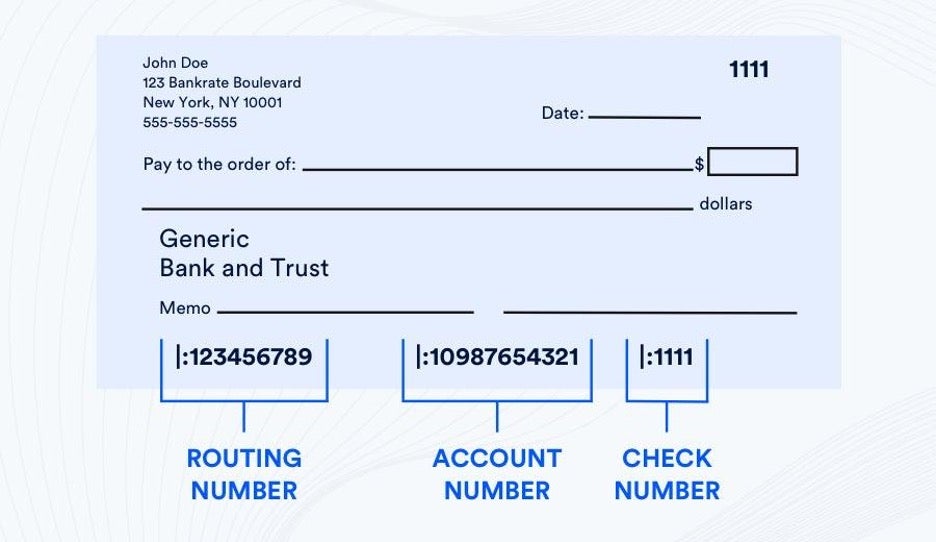
The string of numbers at the bottom of a check often looks like a cryptic code. For the uninitiated, mistaking one set of digits for another can lead to failed transactions, late fees, or even security risks. This guide will help you decode the anatomy of a check, focusing specifically on identifying your account number and understanding its role in your broader financial ecosystem.
Anatomy of a Paper Check: Decoding the Bottom Line
When you look at the bottom of a standard personal or business check, you will notice a series of numbers printed in a unique, slightly blocky font. This is known as the MICR (Magnetic Ink Character Recognition) line. This line allows high-speed processing machines at banks to read the information even if there are stamps or marks over it. To identify your account number, you must first understand the three distinct segments that make up this line.
The Routing Number (The First Set of Digits)
The first sequence of numbers on the far left of the MICR line is the American Bankers Association (ABA) routing transit number. This number is always nine digits long. Think of the routing number as the “address” for your financial institution. It identifies which bank holds your funds and where the transaction needs to be directed geographically and electronically. Every bank in the United States has at least one unique routing number, though larger national banks may have several based on the state where the account was opened.
The Account Number (The Middle Set of Digits)
The account number is typically the second set of digits found at the bottom of the check. Unlike the routing number, which is universal for all customers at a specific bank branch, the account number is unique to you. It usually ranges from 8 to 12 digits, though some institutions use shorter or longer sequences. On most checks, the account number is positioned between the routing number and the check number. It is often followed by a special “on-us” symbol (it looks like a vertical line with a small square) which acts as a separator for the bank’s internal processing systems.
The Check Number (The Final Set of Digits)
The third and usually shortest set of numbers is the check number. This is a sequential number used for record-keeping purposes. You will notice that the check number at the bottom of the MICR line matches the number printed in the top right-hand corner of the check. Identifying this is crucial for tracking your spending; when you review your bank statement, the check number helps you identify which specific payment was processed.
Why the Account Number Matters for Your Financial Management
Identifying your account number is not just about writing checks; it is the cornerstone of modern banking connectivity. In the realm of personal finance, this number serves as the primary identifier for nearly every electronic movement of money. Understanding its utility allows you to manage your cash flow more effectively and utilize various financial tools with confidence.
Direct Deposits and Automated Payments
The most common scenario where you will need to provide your account number is when setting up a direct deposit. Whether it is your salary, tax refunds, or Social Security benefits, the paying entity requires both your routing and account numbers to “push” the funds into your balance. Conversely, when you set up recurring bills—such as utilities, insurance, or car payments—you are authorizing a “pull” via the ACH network. In both cases, a single digit error in the account number can result in funds being sent to the wrong person or a payment being rejected, potentially harming your credit score or incurring bank penalties.

Linking Accounts to Digital Wallets and Apps
As we move toward a more integrated financial life, you may find yourself linking your primary checking account to apps like Venmo, PayPal, or investment platforms like Robinhood and Vanguard. While many apps now use third-party services like Plaid to log in via your bank credentials, many still require the manual entry of your account and routing numbers. Knowing exactly where to find these on a check (or within your banking portal) ensures that your digital transfers are seamless and that your investment contributions are correctly allocated.
Identifying Different Types of Accounts
It is important to note that if you have multiple accounts at the same bank—such as a personal checking, a joint checking, and a savings account—each will have a different account number. Using the wrong number is a frequent mistake. For instance, if you accidentally provide your savings account number for a merchant payment, the transaction might be declined if your bank has “Regulation D” limits on the number of monthly withdrawals allowed from savings accounts. Always verify that the checkbook you are looking at corresponds to the specific account you intend to use.
Security Best Practices: Protecting Your Bank Account Information
Your account number is a gateway to your liquid assets. In the wrong hands, this information can be used for unauthorized ACH withdrawals or to create fraudulent “washed” checks. Maintaining the security of your account details is a critical component of financial health.
Safe Storage and Disposal of Physical Checks
Even if you rarely use them, your checkbook should be treated with the same level of security as your social security card or passport. Never leave a checkbook in your car or an unsecured drawer at work. Furthermore, if you close a bank account or have old, unused checks, do not simply throw them in the trash. Use a cross-cut shredder to destroy them. Identity thieves often engage in “dumpster diving” to find bank account numbers, which they can then use to initiate fraudulent online transactions.
Avoiding Check Fraud and “Wash” Scams
Check washing is a sophisticated form of fraud where criminals use chemicals to erase the “Payee” and “Amount” fields on a check you have written, leaving the signature and your account/routing numbers intact. They then rewrite the check to themselves for a much larger sum. To mitigate this risk, always use a gel pen with “unerasable” ink (such as a Uni-ball Signo) when writing checks. These inks contain pigments that get trapped in the fibers of the paper, making them nearly impossible to wash away without destroying the check itself.
Monitoring and What to Do if Compromised
The best defense against account number misuse is proactive monitoring. Set up “large transaction” alerts on your mobile banking app so you are notified the moment a significant withdrawal occurs. If you ever suspect that your account number has been compromised—perhaps you lost your checkbook or noticed an unauthorized ACH transfer—contact your bank immediately. They will likely need to close that account and move your funds to a new one with a different account number to prevent further loss.
Digital Alternatives and the Future of the Traditional Check
As technology evolves, the physical check is becoming less of a daily necessity and more of a backup tool. However, the information found on the check remains as relevant as ever. Understanding the transition from paper to digital is essential for modern financial management.
Finding Account Numbers in Mobile Banking Apps
Most consumers today access their account information through a smartphone rather than looking at a physical check. Banks have made it easier to find this data, usually tucked under “Account Details” or “Routing Information” within the app. Some apps even provide a digital image of a “voided check,” which contains your routing and account numbers in the correct format for employers or service providers. This is often the safest way to retrieve your information, as it eliminates the risk of misreading small print on paper.

Electronic Transfers vs. Paper Checks
While checks are useful, electronic methods like Zelle, wire transfers, and ACH payments are often faster and more secure. When you send a paper check through the mail, it passes through many hands and sits in unsecured mailboxes. By using your account number to set up an electronic transfer through your bank’s Bill Pay service, the bank handles the delivery of funds, often electronically, which keeps your account number hidden from intermediaries.
In conclusion, while the world of finance continues to digitize at a rapid pace, the fundamentals of bank account identification remain constant. The account number on your check is a powerful tool for managing your wealth, facilitating payments, and building your financial future. By understanding where to find it, how to use it, and how to protect it, you empower yourself to navigate the complexities of the modern monetary system with precision and security.
aViewFromTheCave is a participant in the Amazon Services LLC Associates Program, an affiliate advertising program designed to provide a means for sites to earn advertising fees by advertising and linking to Amazon.com. Amazon, the Amazon logo, AmazonSupply, and the AmazonSupply logo are trademarks of Amazon.com, Inc. or its affiliates. As an Amazon Associate we earn affiliate commissions from qualifying purchases.