
In an increasingly digital financial landscape, the humble paper check might seem like a relic of the past. Yet, understanding its core components remains an essential aspect of financial literacy. For many, checks are still used for various transactions, from paying rent to receiving payments, and the information contained within them—particularly your account number—is fundamental to managing your personal finances effectively. Misidentifying this crucial number can lead to significant headaches, delays, or even financial errors.
This guide aims to demystify the anatomy of a check, focusing specifically on how to locate and understand your account number. Beyond mere identification, we’ll explore why knowing this number is vital, how it facilitates various financial transactions, and best practices for safeguarding this sensitive information in an age where digital security is paramount. Whether you’re setting up direct deposit, paying bills, or simply reconciling your bank statement, a clear understanding of your check’s details empowers you to navigate your financial life with confidence and precision.
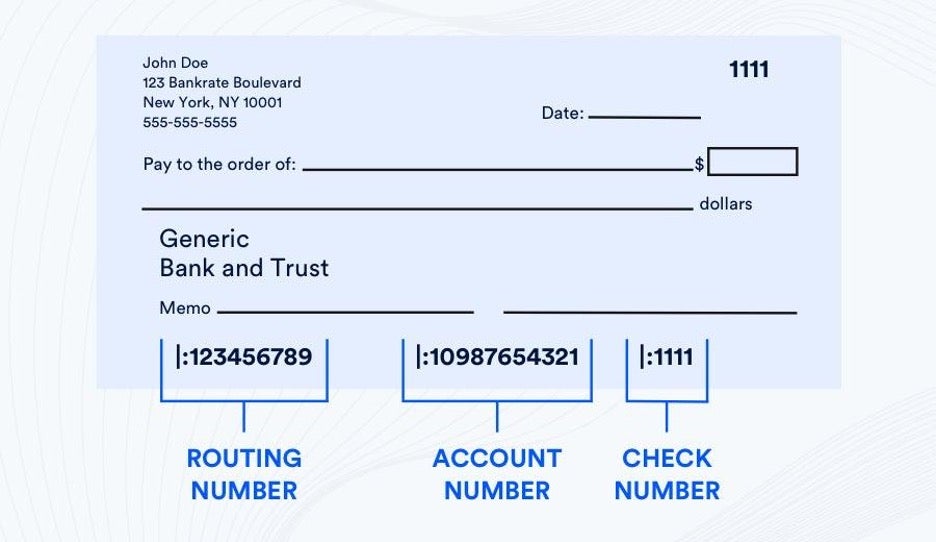
Deconstructing the Anatomy of a Check
Every standard paper check is a meticulously designed document, bearing several key pieces of information crucial for financial transactions. These details are typically printed using Magnetic Ink Character Recognition (MICR) font at the bottom of the check, designed for automated processing by banks. Understanding each segment is the first step to confidently identifying your account number.
The Routing Number: Your Bank’s Identity
The first set of numbers printed at the bottom left of your check is the routing number. This nine-digit code serves as a unique identifier for your financial institution within the U.S. banking system. Think of it as your bank’s specific address, directing funds to the correct bank regardless of the branch.
Its primary purpose is to ensure that funds are transferred to and from the correct financial institution. For instance, when you set up direct deposit for your paycheck, your employer needs your routing number to ensure your funds reach your specific bank. Similarly, wire transfers, Automated Clearing House (ACH) transactions (like automated bill payments or electronic fund transfers), and even tax refunds rely on this number to route money correctly. While it identifies your bank, it doesn’t specify your individual account within that bank. Most banks have only one or a few routing numbers, even if they have many branches.
The Account Number: Your Unique Identifier
Following the routing number, typically in the middle section of the MICR line at the bottom of the check, you will find your account number. This is the sequence of digits that uniquely identifies your specific checking account at your bank. Unlike the routing number, which identifies the bank itself, the account number specifies your individual financial repository within that institution.
The length of an account number can vary, usually ranging from 10 to 12 digits, but sometimes fewer or more. It is the most critical piece of information for any transaction that directly involves depositing into or withdrawing from your specific account. When someone needs to send money directly to your account (e.g., your employer for direct deposit, or a government agency for a refund), they require both your bank’s routing number and your unique account number to ensure the funds are credited to the correct destination. Conversely, when you write a check, your account number tells the bank exactly which account to debit.
The Check Number: Tracking Your Transactions
The third set of numbers, usually appearing at the bottom right of the MICR line, is the check number. This number also typically appears in the upper right-hand corner of the check. It is a sequential number that uniquely identifies that particular check within your checkbook.
The check number’s primary purpose is for reconciliation and record-keeping. As you write checks, these numbers help you track which checks have cleared your account and which are still outstanding. It’s an invaluable tool for balancing your checkbook register against your bank statements, helping you identify any missing transactions or potential discrepancies. While important for your personal record-keeping, the check number is less critical for the fundamental processing of funds compared to the routing and account numbers.
Why Knowing Your Account Number Matters
Beyond simply locating it, understanding the significance of your account number is crucial for effective financial management. It’s the key that unlocks a multitude of financial services and responsibilities.
Facilitating Financial Transactions
Your account number is the bedrock upon which many modern financial transactions are built. For instance, setting up direct deposit for your paycheck, government benefits, or tax refunds invariably requires you to provide both your routing and account numbers to the payer. This ensures a seamless, secure, and swift transfer of funds directly into your bank account, eliminating the need for physical checks and speeding up access to your money.
Similarly, if you wish to automate bill payments directly from your bank account (often referred to as ACH payments or electronic funds transfers), your account number, along with the routing number, is essential. This allows utility companies, lenders, and other service providers to debit the agreed-upon amount from your account on specific dates, simplifying your financial management and helping you avoid late fees. Without this number, many of these convenient digital financial services would be impossible.
Enhancing Financial Security
While your account number is necessary for legitimate transactions, it’s also a piece of sensitive information that requires protection. Knowing your account number helps you understand what information is being requested and why. This awareness is a crucial defense against fraud and identity theft.
Being able to confidently identify your account number on a check means you’re less likely to be fooled by phishing attempts or scams that try to trick you into revealing sensitive banking details. Understanding that your account number, combined with your routing number, is all that’s needed to initiate certain types of transactions, underscores the importance of only sharing this information with trusted entities. It empowers you to question suspicious requests and take proactive steps to safeguard your financial privacy, which is a cornerstone of robust financial security.

Reconciling Your Bank Statements
One of the most fundamental practices in personal finance is reconciling your bank statements. This involves comparing your personal records of transactions with the bank’s records to ensure accuracy. Your account number plays a vital role in this process.
When you receive your monthly bank statement, your account number is prominently displayed, confirming that the statement pertains to your specific account. During reconciliation, you’ll cross-reference the debits and credits listed on the statement with your own records (e.g., a check register, digital budget app). Should you identify any discrepancies, the unique identifier of your account number is what the bank uses to investigate and resolve issues. This practice not only helps in catching errors but is also crucial for budgeting, tracking spending, and identifying unauthorized transactions, thereby ensuring the health and integrity of your financial records.
Common Pitfalls and Best Practices
Despite its fundamental nature, misunderstandings about account numbers and banking information are common. Adhering to best practices can prevent significant financial complications.
Avoiding Misidentification
A frequent error is confusing the account number with other numbers on a check, particularly the routing number or the check number itself. While all are important, they serve distinct purposes. Always double-check which number you are providing, especially when setting up critical services like direct deposit or automated payments. Incorrectly providing a routing number where an account number is required, or vice versa, will inevitably lead to rejected transactions, delays in receiving funds, or payments not being processed. When in doubt, most online banking portals provide a clear display of both your routing and account numbers, or you can always confirm with your bank directly.
Safeguarding Your Financial Information
Your account number, especially when paired with your routing number, is potent information. It’s akin to having the keys to your financial vault. Therefore, safeguarding this information is paramount. Avoid posting images of your checks (especially blank or signed ones) on social media or sending them through unsecured email. While it’s technically difficult for someone to completely drain your account with just these numbers, it’s possible to initiate fraudulent ACH payments or set up fake accounts.
Always use secure, encrypted channels for online banking. Regularly monitor your bank statements for any suspicious activity, no matter how small. If you notice any unauthorized transactions, report them to your bank immediately. Adopting strong passwords and multi-factor authentication for your online banking accounts further fortifies your financial security, creating multiple layers of defense around your account number and other sensitive data.
When to Use Your Account Number vs. Debit Card Number
It’s important to distinguish when to use your account number versus your debit card number, as they are used in different contexts and carry different security implications. Your account number is primarily for initiating ACH transfers, direct deposits, wire transfers, and setting up recurring payments directly from your bank account. These are “bank-to-bank” transactions.
Your debit card number, on the other hand, is used for point-of-sale transactions (swiping or inserting your card), online purchases, and ATM withdrawals. While your debit card is linked to your checking account, its number is a distinct identifier associated with the card itself. Using your debit card number often involves networks like Visa or Mastercard and typically offers different fraud protections than direct account transfers. For instance, if your debit card is compromised, you can cancel it and get a new one, but your underlying account number remains the same. Understanding these distinct uses helps you choose the most appropriate and secure method for each transaction.
Beyond the Paper Check: Digital Equivalents
While this discussion has focused on paper checks, the information they contain is equally relevant in the digital age. Most people now manage their finances primarily online, yet the underlying account structures remain the same.
Accessing Account Numbers Online
For those who rarely use paper checks, your account number is still readily accessible through your bank’s online banking portal or mobile app. Typically, after logging in securely, you can navigate to your account details or profile section, where your routing and account numbers will be displayed. Many banks also allow you to download digital versions of voided checks, which clearly show these numbers. Furthermore, your monthly electronic bank statements will always prominently feature your account number, making it easy to reference when needed. This digital accessibility ensures that you can always find this crucial information without needing a physical checkbook.
Digital Payments and Account Security
Many modern digital payment services, such as Zelle, Venmo, or PayPal, allow you to send and receive money without directly sharing your account number with the recipient or sender. These platforms act as intermediaries, linking to your bank account via your routing and account numbers during the initial setup but then facilitating transactions using other identifiers (like email addresses or phone numbers). This adds an extra layer of security, as your core banking details are not directly exposed in every transaction.
However, it’s crucial to remember that these services rely on your account number for their initial connection to your bank. Therefore, while convenient and often more secure for day-to-day transactions, maintaining vigilance over your online banking credentials and understanding how these apps connect to your bank remains paramount. The digital evolution of banking has streamlined many processes, but the fundamental importance of your account number as your unique financial identifier endures.

Conclusion
Understanding “which number is the account on a check” is more than just a trivial detail; it’s a cornerstone of financial literacy and responsible money management. Your account number, nestled between your bank’s routing number and the check number on your paper checks, serves as your unique identifier within your financial institution. It is indispensable for a wide array of transactions, from receiving your salary via direct deposit to paying your monthly bills electronically.
By clearly distinguishing your account number from other figures on a check, you empower yourself to navigate the complexities of personal finance with greater confidence. Moreover, comprehending its significance instills a heightened sense of awareness regarding its protection, a crucial aspect of safeguarding your financial security in an increasingly digital world. Whether you interact with physical checks or manage your finances predominantly online, a solid grasp of your banking information ensures accuracy, prevents errors, and contributes to a robust and secure financial future. Armed with this knowledge, you are better equipped to make informed decisions and maintain precise control over your hard-earned money.
aViewFromTheCave is a participant in the Amazon Services LLC Associates Program, an affiliate advertising program designed to provide a means for sites to earn advertising fees by advertising and linking to Amazon.com. Amazon, the Amazon logo, AmazonSupply, and the AmazonSupply logo are trademarks of Amazon.com, Inc. or its affiliates. As an Amazon Associate we earn affiliate commissions from qualifying purchases.