
In an era dominated by instantaneous digital transfers, mobile wallets, and contactless payments, the traditional paper check remains a surprisingly resilient fixture in the world of personal finance. Whether you are setting up a direct deposit for a new job, authorizing an automatic mortgage payment, or simply paying a vendor who doesn’t accept credit cards, understanding the anatomy of a check is a fundamental skill for managing your money.
At the heart of every check is a string of numbers located at the bottom, printed in a distinct, slightly blocky font. This is known as the MICR (Magnetic Ink Character Recognition) line. For many, these numbers appear as a confusing jumble of digits. However, each segment serves a specific purpose in the movement of capital. Knowing exactly which of these is your account number is not just a matter of convenience; it is a critical component of financial literacy and security.

Decoding the Anatomy of a Check: The MICR Line
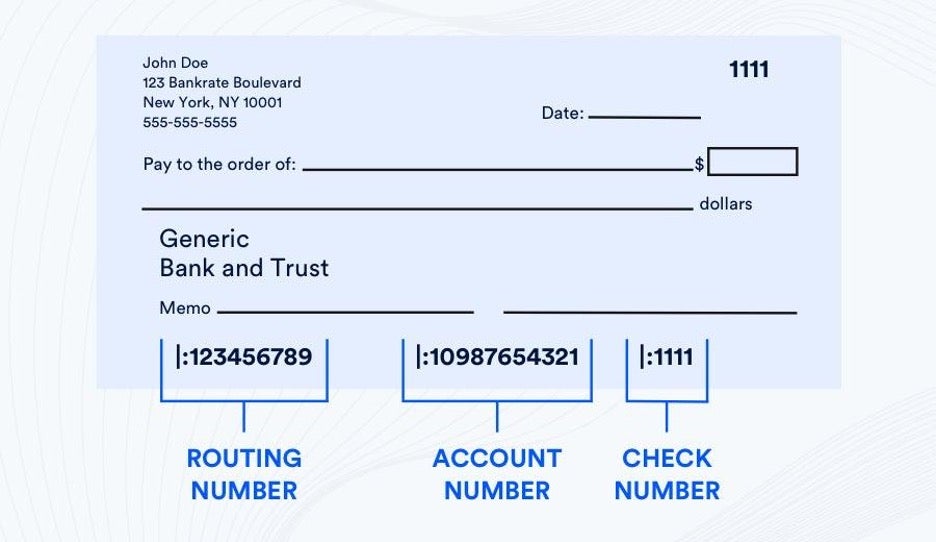
To identify your account number, you must first understand the three distinct sets of numbers that line the bottom of every check. These numbers are printed using magnetic ink, which allows bank sorting machines to read the information quickly and accurately.
The Routing Number: The First Set of Digits
The first sequence of numbers on the left-hand side of the MICR line is the American Bankers Association (ABA) routing transit number. This is always a nine-digit code. Think of the routing number as the “address” for your financial institution. It identifies which bank or credit union holds your funds. In the grand infrastructure of the Federal Reserve, the routing number ensures that money being moved electronically or via paper is headed to the correct building.
The Account Number: The Second Set of Digits
The account number is typically the second set of digits found in the MICR line, located to the right of the routing number. Unlike the routing number, which is the same for every customer at a specific bank branch or region, the account number is unique to you. It identifies your specific checking or savings account within that institution.
While routing numbers are always nine digits, account numbers can vary in length depending on the bank’s internal systems—usually ranging from 8 to 12 digits. In some cases, the account number might be separated from the routing number by a special symbol (a colon or a bracket-like character). Identifying this number correctly is paramount when setting up external transfers, as a single missing digit can result in a “payment rejected” status or, worse, funds being deposited into the wrong account.
The Check Number: The Third Set of Digits
The final set of numbers on the bottom right is the check number. This is the shortest sequence and corresponds to the number printed in the top right-hand corner of the check. Its primary purpose is for your personal record-keeping and to help the bank track which specific check has been cashed to prevent duplicate processing. When looking for your account number, ensure you do not accidentally include the check number at the end.
The Significance of Routing and Account Numbers in Personal Finance
Understanding where these numbers are located is the first step, but understanding why they are used is what allows you to navigate the modern financial landscape with confidence. In personal finance, these numbers are the keys to your “financial identity.”
Streamlining Direct Deposits and Automated Payments
One of the most common reasons you will need to identify your account number is for the setup of a direct deposit. When an employer asks for a “voided check,” they aren’t interested in the paper itself; they are looking for the routing and account numbers to ensure your paycheck reaches your account via the Automated Clearing House (ACH) network.
Similarly, for recurring expenses such as utility bills, insurance premiums, or mortgage payments, providing your account number allows for “pull” transactions. This is often more reliable than using a debit card, which can expire or be cancelled due to fraud, leading to missed payments and late fees.
The Role of the “Voided Check” in Business Finance
In many professional and business contexts, you may be asked to provide a voided check to verify your banking information. By writing “VOID” in large letters across the front, you disable the check’s ability to be cashed while leaving the MICR line legible. This serves as a physical proof of account ownership, reducing the risk of manual data entry errors that could occur if you simply wrote the numbers down on a piece of paper.
Beyond the Paper: Managing Your Account Details Online
While the physical check is the traditional source for these numbers, the shift toward digital banking has changed how we access this information. As we move toward a “paperless” society, the concepts remain the same, but the medium has evolved.
Locating Numbers on Mobile Banking Apps
Most modern consumers no longer carry a checkbook daily. If you find yourself needing your account number while on the go, your bank’s mobile app is the primary tool. However, for security reasons, many apps mask the account number (e.g., showing only the last four digits). To find the full number, you usually need to navigate to “Account Details” or “Electronic Statements.” Understanding how to retrieve this information securely is a vital part of digital financial management.
Electronic Checks (eChecks) and Their Security
The rise of eChecks has bridged the gap between traditional paper and modern digital payments. An eCheck uses the same routing and account numbers from your physical check to process a payment online. From a personal finance perspective, using an eCheck can sometimes be more cost-effective for large transactions (like paying tuition or taxes) where credit card processing fees would be prohibitively expensive.
Security Protocols for Protecting Your Banking Information
Your account number is a direct portal to your liquid assets. In the wrong hands, the combination of a routing number and an account number can be used for unauthorized ACH withdrawals or to create fraudulent checks.
Guarding Your Physical Checkbook
The most basic rule of financial security is to treat your checkbook like cash. Never sign a check until you are ready to fill out the recipient and the amount. If you lose a checkbook, or even a single check, you must notify your bank immediately to place a “stop payment” or, in extreme cases, close the account and open a new one.
Recognizing Red Flags and Fraudulent Activity
“Check washing” is a common form of fraud where criminals use chemicals to erase the ink on a legitimate check and rewrite the amount and the payee. Because your account number is still visible on the bottom, they can drain your account quickly. Regularly reviewing your bank statements—at least once a week—is the best defense. Look for any unauthorized “ACH” or “Draft” transactions that use your account number without your consent. In the world of money management, vigilance is the price of security.
The Evolving Landscape of Personal Finance Tools
As we look toward the future of finance, the traditional account number is being integrated into more sophisticated ecosystems. While the “check” might feel antiquated, the infrastructure it represents is the backbone of the global economy.
Peer-to-Peer (P2P) Payment Integration
Apps like Venmo, PayPal, and Zelle are often linked to your bank account via—you guessed it—your routing and account numbers. While these apps provide a layer of abstraction (using your phone number or email as an identifier), the underlying settlement still relies on the MICR information. Understanding this link helps you realize that P2P apps are not just social tools; they are extensions of your core financial accounts.

The Future of Traditional Paper Checks
Will the paper check eventually disappear? While its use is declining for retail transactions, it remains deeply embedded in B2B (business-to-business) transactions and government payments. Many small businesses prefer the paper trail and the lack of percentage-based transaction fees. For the individual, maintaining a small supply of checks and knowing how to read them remains a necessary part of a well-rounded financial toolkit.
In conclusion, knowing which number is the account number on your check is more than a trivial fact; it is a gateway to understanding how your money moves through the world. By mastering the anatomy of the MICR line, leveraging digital tools for account management, and maintaining strict security protocols, you empower yourself to handle your personal finances with the precision and professionalism required in today’s complex economic environment. Whether you are writing your first check or your thousandth, that string of digits at the bottom remains one of your most important financial assets.
aViewFromTheCave is a participant in the Amazon Services LLC Associates Program, an affiliate advertising program designed to provide a means for sites to earn advertising fees by advertising and linking to Amazon.com. Amazon, the Amazon logo, AmazonSupply, and the AmazonSupply logo are trademarks of Amazon.com, Inc. or its affiliates. As an Amazon Associate we earn affiliate commissions from qualifying purchases.