
For many investors, the name “Google” conjures images of innovation, market dominance, and consistent growth. As the parent company, Alphabet (NASDAQ: GOOGL, GOOG) stands as a titan in the global technology sector, boasting an empire that spans search, cloud computing, artificial intelligence, autonomous vehicles, and much more. However, prospective investors often encounter a curious dilemma: Alphabet trades under two distinct ticker symbols, GOOGL and GOOG. This dual-class stock structure can be a source of confusion, prompting the fundamental question: which Google stock should one buy?
This article delves into the intricacies of Alphabet’s stock offerings, dissecting the differences between its Class A (GOOGL) and Class C (GOOG) shares. We will explore the factors an investor should consider, from Alphabet’s robust financial health and diverse growth avenues to the ever-present regulatory challenges and competitive pressures. Our aim is to provide a comprehensive guide, strictly within the realm of personal finance and investing, to help you make an informed decision aligned with your individual investment objectives.
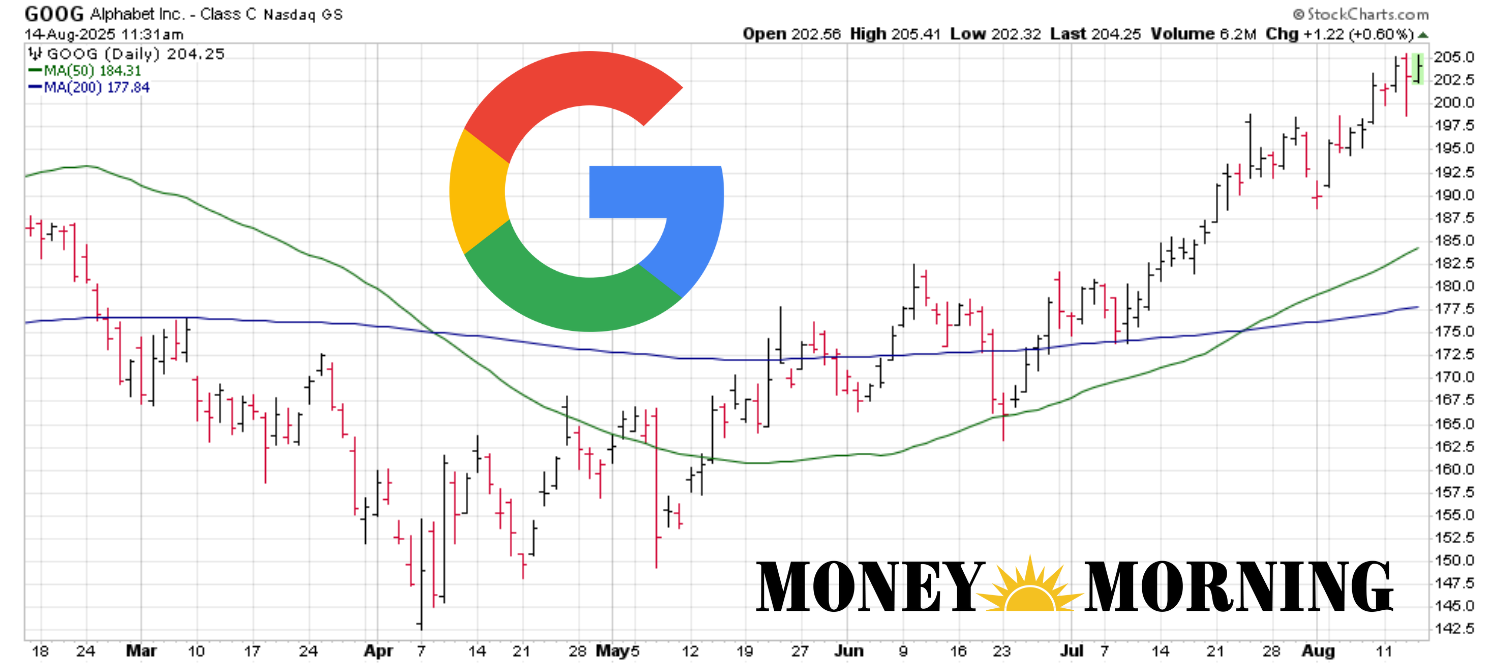
Understanding Alphabet’s Dual-Class Stock Structure
Alphabet’s unique stock structure is a critical starting point for any potential investor. Unlike most companies that offer a single class of common stock, Alphabet maintains a system designed to concentrate voting control within its founders and early leadership while still allowing public investment in its economic success. This results in the two publicly traded share classes: Class A (GOOGL) and Class C (GOOG).
GOOGL (Class A Shares): The Voting Power
Class A shares, traded under the ticker symbol GOOGL, are the traditional common stock offering. Each GOOGL share carries one vote per share. This means that by purchasing GOOGL, investors gain a voice—however small—in significant company decisions, such as electing board members, approving mergers, or influencing corporate governance policies.
Investors who prioritize shareholder democracy or wish to express their opinions on corporate strategy might naturally gravitate towards GOOGL. While the impact of a small retail investor’s vote is often negligible compared to institutional holders or the founders’ super-voting shares, the principle of having voting rights can be a compelling factor. Historically, GOOGL shares have often traded at a slight premium compared to GOOG, reflecting the perceived value of these voting rights. The liquidity for GOOGL shares is robust, making them easy to buy and sell on the open market.
GOOG (Class C Shares): The Investment Pure Play
Class C shares, identified by the ticker GOOG, represent a different proposition. These shares carry no voting rights. They were introduced in 2014 as part of a stock split designed to allow Alphabet to issue new shares for acquisitions or employee compensation without diluting the voting power of Class A and, more importantly, Class B shareholders.
For investors whose primary focus is capital appreciation and economic exposure to Alphabet’s business performance, without concern for corporate governance or voting, GOOG shares often present a more straightforward investment. They essentially offer a “pure play” on the company’s financial success. Because they lack voting rights, GOOG shares typically trade at a marginal discount to GOOGL shares. For many retail investors, this slight price difference can be attractive, as the day-to-day market performance and long-term trajectory of both share classes tend to mirror each other very closely. The liquidity of GOOG shares is also excellent, ensuring ease of trading.
The Uncommon Class B Shares
While not publicly traded, it’s essential to briefly mention Class B shares to fully understand Alphabet’s ownership structure. These super-voting shares, primarily held by founders Larry Page and Sergey Brin, carry ten votes per share. This structure ensures that despite public ownership, the founders retain significant control over the company’s strategic direction, safeguarding their long-term vision for Alphabet. This concentration of voting power is a key aspect of Alphabet’s corporate identity and strategy.
Factors to Consider Before Investing in Alphabet
Beyond the nuances of share classes, a prudent investment decision in Alphabet requires a comprehensive assessment of the company’s fundamentals, market position, and future prospects. Investing in a company as large and influential as Alphabet involves weighing its immense strengths against potential challenges.
Growth Prospects and Market Dominance
Alphabet’s ecosystem is unparalleled in its breadth and depth. Its core revenue streams are anchored by Google Search and YouTube, which collectively dominate the digital advertising landscape. Google Cloud is a rapidly growing enterprise, challenging industry leaders like Amazon Web Services and Microsoft Azure. Android maintains its position as the world’s most popular mobile operating system, providing a platform for Google’s services globally.
Future growth drivers are equally compelling. Alphabet is a leader in artificial intelligence (AI), with significant investments in AI research and integration across all its products, from search algorithms to autonomous driving (Waymo) and life sciences (Verily). Its “Other Bets” segment, while not yet profitable, represents cutting-edge ventures that could unlock substantial long-term value. Investors should consider Alphabet’s continuous innovation cycle and its ability to identify and capitalize on emerging technological trends.
Financial Health and Performance
Alphabet consistently demonstrates robust financial health. Investors should examine key metrics such as revenue growth, net income, operating cash flow, and free cash flow. Alphabet’s balance sheet is formidable, characterized by substantial cash reserves and minimal debt, providing flexibility for investments, acquisitions, and navigating economic downturns.
While Alphabet does not pay a dividend, its consistent revenue growth and profitability underscore its ability to reinvest capital back into the business, fueling further innovation and expansion. A review of its price-to-earnings (P/E) ratio relative to its growth rate (PEG ratio) and industry peers can offer insights into its current valuation. Understanding these financial indicators provides a snapshot of the company’s operational efficiency and its capacity for sustained value creation.
Regulatory Risks and Competitive Landscape
Despite its dominance, Alphabet is not without challenges. Its sheer size and influence have attracted increasing scrutiny from regulatory bodies worldwide. Antitrust concerns, particularly regarding its search advertising business and app store practices, have led to significant fines and ongoing legal battles in the U.S., Europe, and other regions. These regulatory pressures could potentially lead to structural changes, limitations on business practices, or increased compliance costs, impacting profitability.
Competition is also fierce. While Google Search remains dominant, rivals like Microsoft (with Bing and OpenAI integration) are constantly innovating. In cloud computing, Amazon and Microsoft are formidable competitors. Social media giants like Meta and emerging platforms vie for advertising dollars and user engagement. Investors must assess Alphabet’s ability to maintain its competitive edge and navigate evolving market dynamics.
Management and Innovation
The quality of management and a company’s commitment to innovation are pivotal for long-term success, especially in the fast-paced tech industry. Alphabet’s leadership, under CEO Sundar Pichai and founders Larry Page and Sergey Brin, has a proven track record of visionary thinking and strategic execution. Their ability to foster a culture of relentless innovation, invest heavily in research and development, and attract top talent is a significant asset.
The company’s history is replete with examples of successful product launches and strategic pivots, demonstrating its adaptability. Assessing the management’s strategic priorities, their capital allocation decisions, and their response to market and regulatory challenges is crucial. A strong, forward-thinking leadership team can effectively steer Alphabet through future technological shifts and market disruptions.
Investment Strategies and Considerations for GOOGL vs. GOOG
The choice between GOOGL and GOOG often boils down to subtle preferences rather than dramatic financial differences for the average retail investor. Both share classes offer nearly identical exposure to Alphabet’s underlying business, and their price movements are highly correlated.
Aligning with Personal Investment Goals
Your decision should ultimately align with your personal investment goals and philosophy. Are you a long-term growth investor focused purely on capital appreciation? Or do you value the principle of shareholder voting, even if your individual impact is minimal?
- For growth-focused investors: If your primary objective is to gain exposure to Alphabet’s innovative businesses and benefit from its long-term growth trajectory, GOOG (Class C shares) might be marginally more appealing due to its slightly lower price point, offering a fraction more shares for the same investment capital.
- For investors valuing corporate governance: If you believe in the importance of voting rights and wish to participate in shareholder meetings, albeit remotely for most, GOOGL (Class A shares) is the appropriate choice.
Valuation and Pricing Differences
As noted, GOOGL typically trades at a slight premium over GOOG. This differential usually reflects the value attributed to the voting rights. This price difference is often small, sometimes mere dollars per share, and can fluctuate based on market sentiment or specific corporate actions. For most retail investors, attempting to profit from this spread (known as arbitrage) is impractical due to transaction costs and market efficiency. Therefore, focus on whether the premium for voting rights (GOOGL) is worth it to you, or if the slight discount for non-voting shares (GOOG) is more appealing.
The “Why” Behind Your Choice
In practical terms, for the vast majority of retail investors, the performance difference between GOOGL and GOOG will be negligible over the long term. Both classes derive their value from the same underlying assets, earnings, and future prospects of Alphabet Inc. Therefore, the “why” behind your choice is more psychological or principled than purely financial.
If you are comfortable owning a non-voting share and appreciate the marginal cost saving, GOOG is perfectly suitable. If you derive satisfaction from possessing a voting share, regardless of its practical impact, GOOGL is the way to go. It’s crucial not to overthink this distinction; the more significant decision is whether to invest in Alphabet at all, given your overall portfolio strategy.
Broader Market Context and Diversification
Investing in a single stock, even one as robust as Alphabet, should always be viewed within the context of a diversified investment portfolio.
The Role of Tech in Your Portfolio
Technology stocks, particularly large-cap growth companies like Alphabet, often represent a significant portion of many portfolios due to their historical performance. However, concentration risk is a real concern. Over-reliance on a single sector or company can expose your portfolio to undue volatility if that sector faces headwinds or if a specific company experiences unforeseen challenges. Consider how Alphabet fits into your overall asset allocation strategy. Does it complement or over-concentrate your tech exposure? Balancing high-growth tech investments with assets from other sectors (e.g., healthcare, industrials, consumer staples) can enhance portfolio resilience.
Dollar-Cost Averaging and Long-Term Horizon
Alphabet’s stock, like any equity, can experience periods of volatility. Employing strategies like dollar-cost averaging—investing a fixed amount of money at regular intervals, regardless of the stock price—can help mitigate the risk of timing the market incorrectly. This strategy allows you to buy more shares when prices are low and fewer when prices are high, potentially lowering your average cost per share over time. Given Alphabet’s long-term growth potential and its history of innovation, adopting a long-term investment horizon is generally recommended for both GOOGL and GOOG. Patient investors who can weather short-term fluctuations are often best positioned to benefit from the company’s enduring success.
Staying Informed
The technology landscape is dynamic, and Alphabet operates in an environment of constant change. Continuous research and staying informed are paramount. Regularly review Alphabet’s earnings reports, follow industry news, pay attention to regulatory developments, and understand competitive shifts. Reliable financial news sources, analyst reports, and the company’s investor relations materials are invaluable resources. An informed investor is an empowered investor, capable of making timely adjustments to their strategy as market conditions and company fundamentals evolve.

Conclusion
The decision of “which Google stock to buy” largely hinges on an individual investor’s preference regarding voting rights. For most, the practical difference between Class A (GOOGL) and Class C (GOOG) shares is minimal. Both offer direct exposure to the financial performance and long-term growth prospects of Alphabet Inc., a company that continues to redefine the technological frontier. Whether you prioritize the symbolic weight of a vote with GOOGL or prefer the slightly lower entry point of GOOG, your investment will be tied to one of the world’s most innovative and dominant corporations.
Ultimately, the more significant decision is whether Alphabet aligns with your overall investment philosophy, risk tolerance, and portfolio diversification strategy. Given its powerful market position, robust financial health, and commitment to pioneering new technologies, Alphabet remains a compelling consideration for many investors seeking long-term growth in the tech sector. As always, rigorous personal due diligence and, if necessary, consultation with a qualified financial advisor, are crucial steps before committing your capital to any investment.
aViewFromTheCave is a participant in the Amazon Services LLC Associates Program, an affiliate advertising program designed to provide a means for sites to earn advertising fees by advertising and linking to Amazon.com. Amazon, the Amazon logo, AmazonSupply, and the AmazonSupply logo are trademarks of Amazon.com, Inc. or its affiliates. As an Amazon Associate we earn affiliate commissions from qualifying purchases.