
Navigating the complex world of car insurance can feel like deciphering a secret code. Every driver wants to find the most affordable policy, but the true “cheapest” option is rarely a one-size-fits-all answer. What’s cheapest for one person might be prohibitively expensive or inadequate for another. This guide aims to demystify car insurance pricing, providing you with the insights and strategies needed to uncover genuinely cost-effective coverage that meets your specific needs without compromising essential protection. In the realm of personal finance, car insurance represents a significant recurring expense, and understanding how to optimize it is crucial for sound financial management.
Understanding the Factors That Drive Car Insurance Costs
Car insurance premiums are calculated based on a sophisticated algorithm that assesses risk from numerous angles. Insurers want to predict the likelihood of you filing a claim and the potential cost of that claim. By understanding these key contributing factors, you can begin to see why your quote might differ wildly from a friend’s and identify areas where you might be able to influence your rates.
Personal Profile and Driving History
Your personal characteristics and past behavior behind the wheel are paramount to insurers.
- Age and Gender (Historically): While age remains a significant factor (younger, less experienced drivers typically pay more), the use of gender as a rating factor has been restricted or banned in many jurisdictions due to discrimination concerns.
- Marital Status: Married individuals are often deemed less risky and may receive lower rates.
- Occupation: Certain professions are associated with lower risk profiles, potentially leading to discounts.
- Driving Record: This is arguably the most critical factor. Accidents, speeding tickets, and other violations directly translate to higher premiums. A clean driving record is your best asset for affordable insurance.
- Credit-Based Insurance Score: In most states, insurers use a credit-based insurance score (distinct from a standard credit score) to predict the likelihood of future claims. A higher score often means lower premiums, highlighting the interconnectedness of financial health and insurance costs.
Vehicle Type and Usage
The car you drive and how you use it significantly impact your rates, particularly for collision and comprehensive coverage.
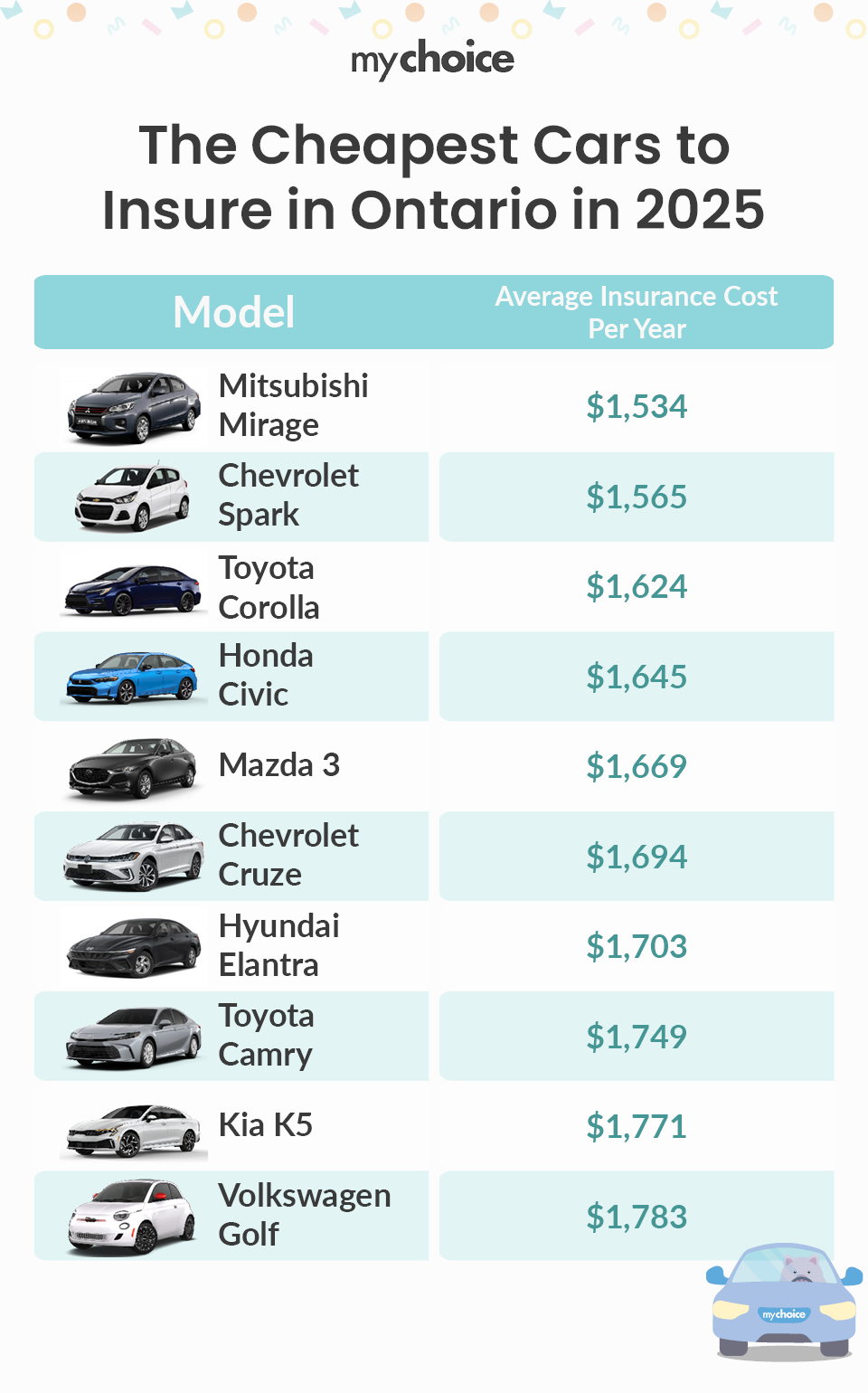
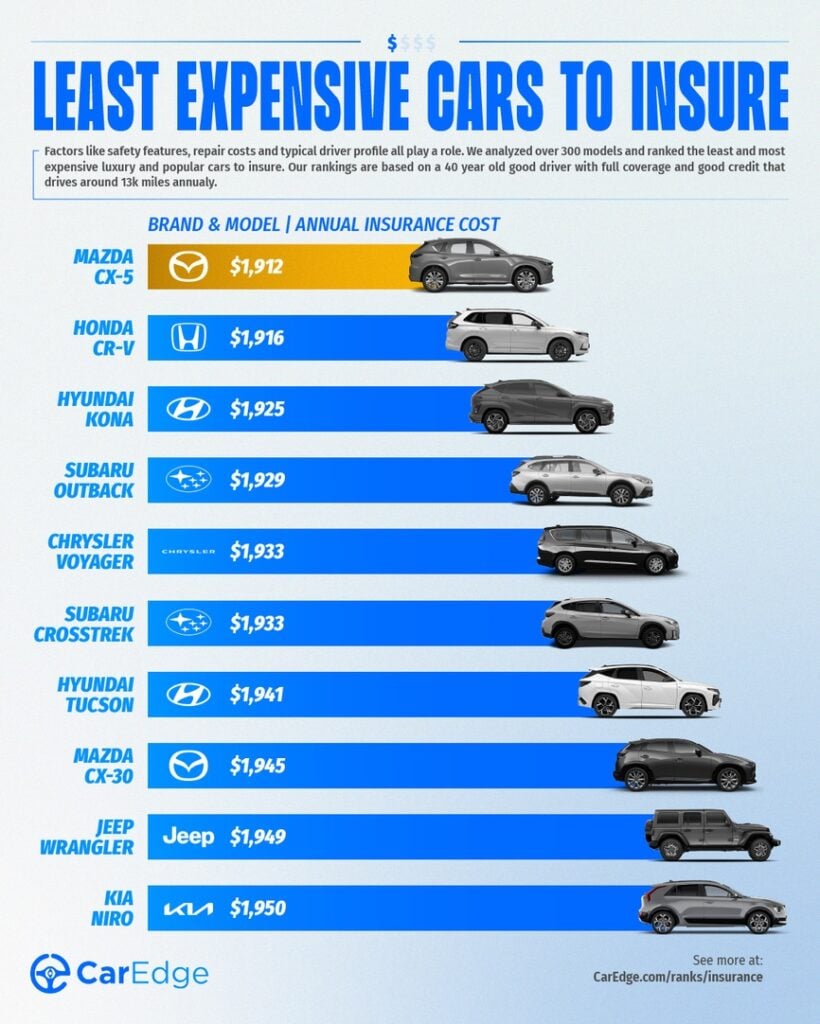
- Make, Model, Year: High-performance, luxury, or sports cars are typically more expensive to insure due due to their higher repair costs and increased theft risk. Older, less valuable cars might cost less to insure for collision/comprehensive.
- Safety Features: Vehicles equipped with advanced safety features (e.g., automatic emergency braking, lane-keeping assist, anti-theft devices) often qualify for discounts as they reduce the likelihood or severity of accidents.
- Theft Risk: Certain models are statistically more likely to be stolen, driving up comprehensive coverage costs.
- Annual Mileage: The more you drive, the higher your exposure to risk. Low-mileage drivers can often secure discounts.
- Garaging Location: Where you park your car overnight (e.g., a secured garage vs. street parking in a high-crime area) influences theft and vandalism risk.
Coverage Levels and Deductibles
The specific protections you choose and the amount you’re willing to pay out-of-pocket directly affect your premium.
- Liability Limits: This covers damage you cause to others. Opting for state minimums is the cheapest but offers minimal protection. Higher limits, while more expensive, provide crucial financial security in the event of a serious accident.
- Collision Coverage: Pays for damage to your car if you hit another car or object.
- Comprehensive Coverage: Covers non-collision events like theft, vandalism, fire, or weather damage.
- Uninsured/Underinsured Motorist: Protects you if a driver without sufficient insurance causes an accident.
- Medical Payments/Personal Injury Protection (PIP): Covers medical expenses for you and your passengers.
- Deductibles: This is the amount you pay before your insurance kicks in for collision and comprehensive claims. Choosing a higher deductible (e.g., $1,000 instead of $500) will lower your premium, but you must be prepared to pay that amount if you file a claim. This is a common strategy for reducing monthly costs, but it requires careful financial planning to ensure you have the deductible amount readily available.
Geographic Location
Where you live has a surprisingly large impact on your rates.
- Urban vs. Rural: City drivers often pay more due to higher traffic density, increased accident rates, and greater theft/vandalism risks.
- Local Accident and Crime Rates: Insurers analyze data specific to your ZIP code, including the frequency of accidents, car thefts, and vandalism.
- Weather Patterns: Areas prone to severe weather events (hail, floods, hurricanes) will see higher comprehensive premiums.
The Strategic Approach to Finding the Cheapest Car Insurance
Finding the “cheapest” car insurance isn’t about magical secrets; it’s about smart comparison shopping, leveraging available discounts, and optimizing your policy for genuine value. A proactive, informed approach can yield significant savings over time, directly impacting your personal finance budget.
Compare, Compare, Compare
This is perhaps the single most effective strategy for finding lower rates.
- Online Comparison Tools: Websites that allow you to input your information once and receive multiple quotes from various insurers are invaluable time-savers. Be aware that not all insurers participate in every aggregator.
- Direct Quotes: Don’t stop at comparison sites. Visit the websites of major insurers directly, as they might offer exclusive online discounts or promotions.
- Independent Agents: These agents work with multiple insurance companies and can often shop around on your behalf, providing personalized advice and helping you find the best fit from their portfolio of carriers. They can also explain policy nuances that might be missed online.
- Frequency: Make it a habit to compare quotes annually or whenever your personal circumstances change (e.g., buying a new car, moving, getting married). Loyalty is admirable, but it rarely pays off in the insurance world.
Leverage Discounts Wisely
Insurance companies offer a multitude of discounts, and stacking them can lead to substantial savings.
- Bundling: Combining your auto insurance with home, renters, or life insurance from the same provider is often one of the largest discounts available. This is a prime example of optimizing your overall financial portfolio.
- Good Driver/No Claims: Maintain a clean driving record for a certain number of years, and you’ll likely be rewarded.
- Safe Vehicle: Discounts for anti-lock brakes, airbags, anti-theft devices, and other safety features.
- Multi-Car Discount: Insuring more than one vehicle with the same company.
- Telematics/Usage-Based Insurance: Programs that monitor your driving habits (speed, braking, mileage) via an app or device. Safe drivers can earn significant discounts.
- Defensive Driving Courses: Completing an approved defensive driving course can often lead to a discount, especially for older drivers or those with minor infractions.
- Student Discounts: Good student discounts (for maintaining a certain GPA) or distant student discounts (if a student living away from home won’t be driving the insured car often).
Optimize Your Coverage
While cost is important, ensuring you have adequate coverage is crucial. However, there are times you might be over-insured.
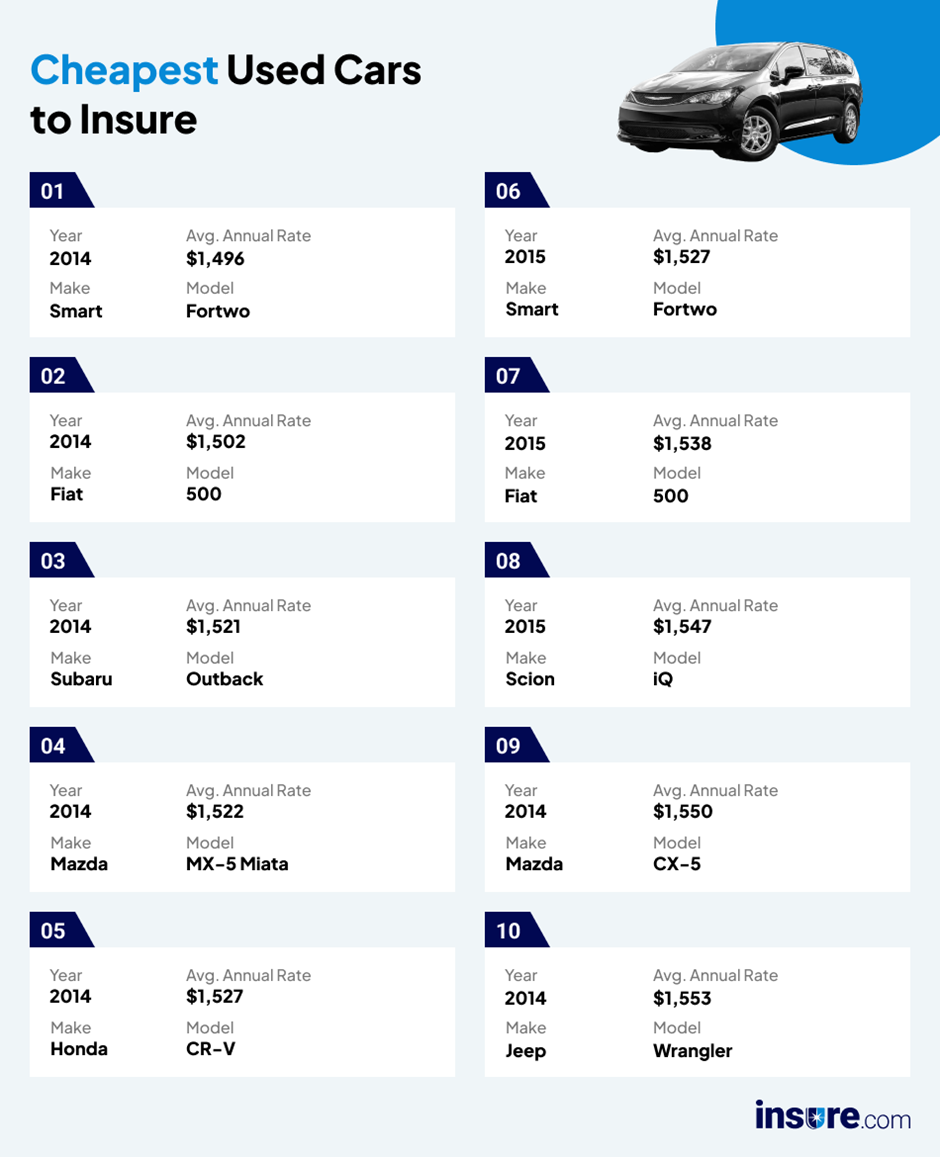
- Re-evaluate Collision/Comprehensive for Older Cars: If your car’s market value is very low (e.g., under $3,000-$5,000), paying for collision and comprehensive coverage might not be financially sensible. The cost of the premium over a year or two could exceed the car’s actual worth. Assess the “total loss” scenario and your ability to replace the vehicle out of pocket.
- Adjust Deductibles: As mentioned, increasing your deductible lowers your premium. Just ensure you have the emergency savings to cover that deductible if you need to file a claim.
- Review Add-ons: Features like roadside assistance or rental car reimbursement are convenient, but check if you already have them through another service (e.g., credit card, auto club) or if they genuinely add value for your driving habits.
Beyond the Price Tag: Value vs. Just “Cheapest”
Focusing solely on the lowest premium can be a costly mistake in the long run. The “cheapest” policy that fails to deliver when you need it most is ultimately the most expensive. Smart financial decision-making considers both cost and quality.
The Importance of Customer Service and Claims Handling
An insurance policy is a promise, and the true test of that promise comes during a claim.
- Responsive and Fair Claims Process: A company known for a smooth, efficient, and fair claims process is invaluable. Dealing with an unresponsive or difficult insurer after an accident adds significant stress and potential financial burden.
- Customer Reviews and Ratings: Check online reviews, consumer watchdog reports, and independent ratings (like J.D. Power’s customer satisfaction studies) to gauge an insurer’s reputation. A company with consistently poor reviews regarding claims handling should raise a red flag, regardless of how low their premiums are.
- Accessibility: Does the company offer 24/7 claims support? Is it easy to reach a human representative when you have questions or need assistance?
Financial Stability of the Insurer
You want to be sure your insurance company will be around and able to pay out claims, especially large ones.
- AM Best Ratings: Organizations like A.M. Best provide financial strength ratings for insurance companies. An “A” rating or higher indicates strong financial stability, offering peace of mind that the company can meet its financial obligations. This is a critical due diligence step for any financial product.
Understanding Policy Specifics and Exclusions
Don’t just look at the bottom line; read the fine print.
- Policy Language: Understand what is covered, what isn’t, and under what circumstances. Are there specific exclusions that might leave you vulnerable?
- Rental Car Coverage: If you need a car after an accident, does your policy provide adequate rental car reimbursement?
- Gap Insurance: If you have a car loan, especially on a new vehicle, consider gap insurance to cover the difference between what you owe and what your car is worth if it’s totaled. Without it, you could still owe money on a car you no longer possess.
Long-Term Strategies for Sustained Savings
Managing car insurance costs isn’t a one-time event; it’s an ongoing process. Implementing long-term financial and driving habits can lead to continuous savings.
Maintain a Clean Driving Record
This cannot be stressed enough. Every year you go without accidents or violations significantly improves your risk profile and unlocks better rates and larger discounts. It’s the most impactful action you can take to keep premiums low.
Improve Your Credit Score
Since credit-based insurance scores are widely used, a higher credit score can translate directly to lower insurance premiums. Practicing good financial habits—paying bills on time, keeping credit utilization low—benefits not just lending rates but also insurance costs.
Regularly Re-evaluate Your Policy
Don’t “set it and forget it.”
- Annual Review: Make it a habit to shop around for new quotes at least once a year, even if you’re happy with your current insurer. Premiums can change, and new discounts may become available.
- Life Changes: Any major life event (marriage, moving, buying a new car, a child getting their license) is an opportune time to re-evaluate and re-quote your insurance.
- Vehicle Aging: As your car ages, its value depreciates, which might make you rethink certain coverages like collision or comprehensive.
Drive Less, Drive Smarter
- Lower Annual Mileage: If your commute changes or you start working from home, update your insurer with your estimated annual mileage. Less driving means less risk.
- Telematics Programs: As mentioned, participating in usage-based insurance programs can reward safe driving habits with lower rates. These programs encourage safer driving, which benefits everyone on the road and your wallet.
In conclusion, finding the “cheapest” car insurance is a dynamic quest that involves a combination of understanding pricing factors, diligent comparison shopping, strategic discount utilization, and a commitment to safe driving and sound financial practices. While the lowest premium might initially seem attractive, true savings come from securing comprehensive coverage that offers excellent value, robust customer service, and financial stability. By adopting these strategies, you empower yourself to make informed decisions that safeguard your assets and optimize a significant component of your personal financial outlay.
aViewFromTheCave is a participant in the Amazon Services LLC Associates Program, an affiliate advertising program designed to provide a means for sites to earn advertising fees by advertising and linking to Amazon.com. Amazon, the Amazon logo, AmazonSupply, and the AmazonSupply logo are trademarks of Amazon.com, Inc. or its affiliates. As an Amazon Associate we earn affiliate commissions from qualifying purchases.