
When consumers ask, “Which car insurance is best?” they are rarely looking for a single brand name. Instead, they are seeking a strategy to balance risk mitigation with cost-efficiency. In the realm of personal finance, car insurance is not merely a monthly bill or a legal necessity; it is a critical component of a robust financial plan designed to protect your net worth from the catastrophic costs of accidents and litigation.
The “best” insurance policy is one that aligns with your specific financial profile, your risk tolerance, and the value of the assets you need to protect. This guide explores the financial mechanics of auto insurance, evaluates the top-tier providers through a fiscal lens, and provides a framework for maximizing your return on investment in the insurance market.
Understanding the Economics of Auto Insurance
Before selecting a provider, one must understand the economic principles that govern insurance premiums and payouts. Insurance is, at its core, the transfer of risk from an individual to a larger pool in exchange for a fee.
The Cost of Risk: Liability and Asset Protection
The most vital part of any car insurance policy is liability coverage. From a financial planning perspective, liability insurance is what stands between your savings accounts, home equity, and a potential lawsuit. If you are found at fault in a major accident, the costs for medical bills and property damage can easily exceed $100,000. If you have significant assets, “minimum coverage” is a financial risk you cannot afford. The best insurance for a high-net-worth individual is often one with high liability limits (e.g., $250,000/$500,000) or an umbrella policy that adds an extra layer of protection over both home and auto.
Premium vs. Deductible: Balancing Monthly Cash Flow
Choosing a deductible is a mathematical exercise in cash flow management. A higher deductible—say, $1,000 instead of $500—will lower your monthly premium. For individuals with a healthy emergency fund, opting for a higher deductible is often the more “profitable” long-term move. By self-insuring the first $1,000 of a loss, you save significantly on the cost of the policy over several years. Conversely, if you live paycheck to paycheck, a lower deductible is a financial safeguard that prevents a single accident from causing a total liquidity crisis.
Evaluating the Major Players: A Financial Analysis of Top Providers
The “best” company is often defined by its financial strength, its ability to pay claims promptly, and its pricing algorithm. While hundreds of insurers exist, a few consistently dominate the market due to their financial stability and diverse offerings.
GEICO and Progressive: High-Volume Efficiency
GEICO and Progressive are the titans of direct-to-consumer insurance. Their business models are built on high-volume efficiency and sophisticated data analytics. For the budget-conscious driver who prefers managing their finances digitally, these companies often offer the most competitive rates. From a financial standpoint, GEICO is backed by Berkshire Hathaway, giving it an unparalleled level of capital reserves. Progressive, meanwhile, is a pioneer in “Snapshot” technology, allowing low-risk drivers to lower their premiums through data-driven performance metrics.
State Farm and Allstate: Value in Customer Relationships
While GEICO and Progressive dominate the online space, State Farm and Allstate lead the way in personalized financial service through a network of local agents. If your financial life is complex—perhaps involving multiple properties, small business interests, and several vehicles—having a dedicated agent can provide a layer of consultative value that an algorithm cannot. State Farm, as a mutual company, is technically owned by its policyholders, which often aligns its long-term financial interests with those of its customers.
Specialized Providers: USAA and Erie
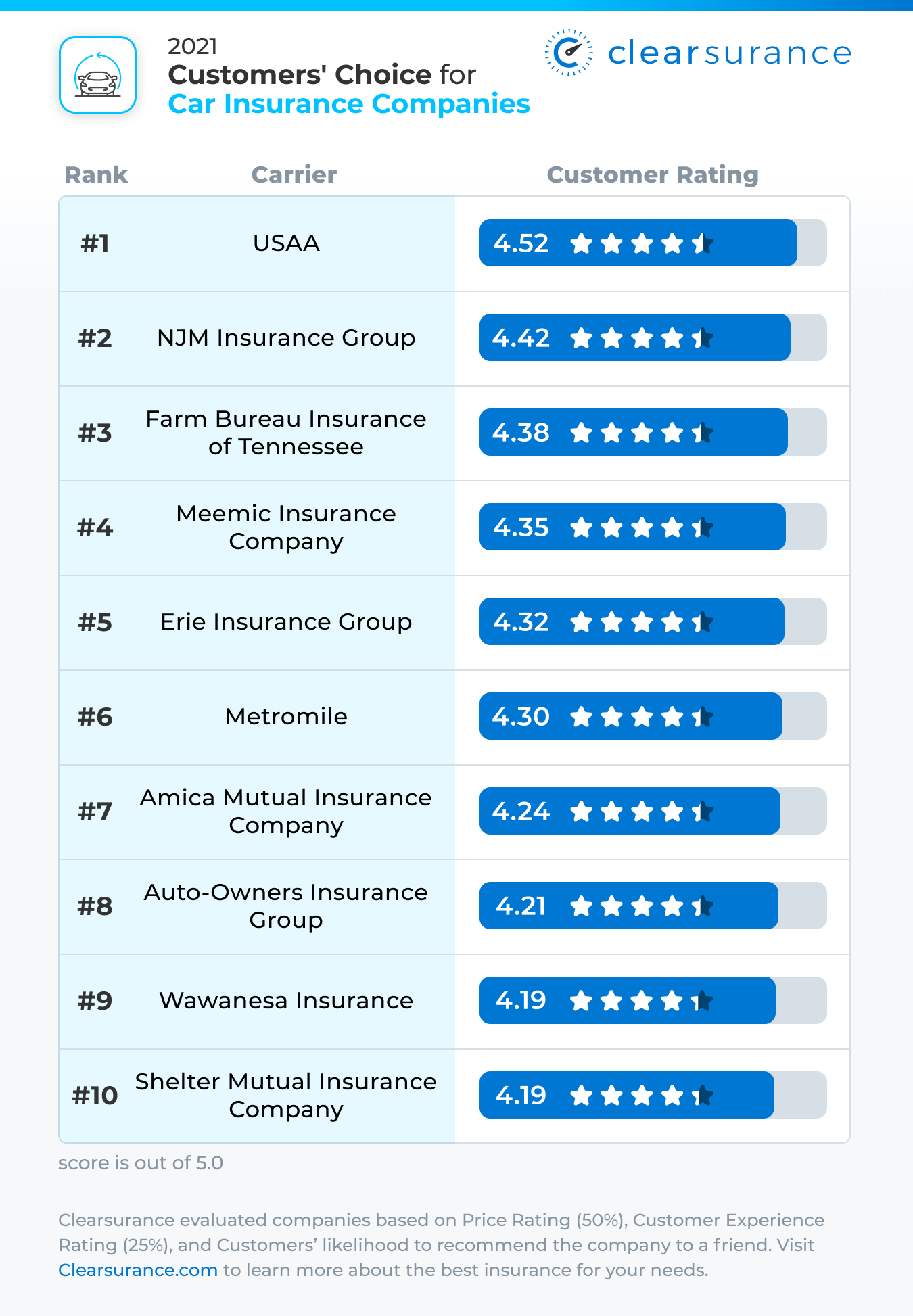
For those who qualify, specialized insurers often provide the best financial value in the industry. USAA consistently ranks at the top for customer satisfaction and competitive pricing, but it is restricted to military members and their families. Similarly, Erie Insurance offers a “Rate Lock” feature that is a powerful financial tool for budgeting; it ensures your premium remains the same even if you have a claim, provided you don’t change your vehicle or address.
Strategic Coverage: Choosing the Right Policy for Your Portfolio
Selecting the “best” insurance requires a tactical approach to the various types of coverage available. Not every driver needs every type of protection, and misallocating your insurance budget is a common financial mistake.
Comprehensive and Collision: Protecting Your Assets
Collision insurance pays for damage to your car after an accident, while comprehensive covers non-collision events like theft, fire, or falling trees. From a financial perspective, you must evaluate the “book value” of your vehicle. If you are driving an older car worth less than $3,000, the premiums you pay for comprehensive and collision coverage may eventually exceed the value of the car itself. In such cases, dropping these coverages and diverting those funds into a savings account is often the smarter financial move.
Uninsured/Underinsured Motorist: Hedging Against External Risks
One of the greatest financial threats on the road is other drivers who carry no insurance or insufficient limits. Uninsured Motorist (UM) coverage is a hedge against this specific risk. It ensures that your own insurance company will step in to pay for your medical bills and lost wages if you are hit by a driver with no financial resources. In many states, this is an essential part of a “best-in-class” policy.
Gap Insurance: Addressing Depreciation in Financing
If you have financed or leased a new car, you are likely facing a “gap” between what you owe the bank and what the car is worth due to rapid depreciation. If the car is totaled, the insurance company only pays the fair market value. Gap insurance is a low-cost financial tool that covers this difference, preventing you from being “underwater” on a loan for a vehicle you no longer possess.
Maximizing ROI: How to Lower Premiums Without Sacrificing Security
The best insurance policy isn’t just about the coverage; it’s about the price you pay for that coverage. Maximizing your “return” means finding every possible discount to lower your overhead.
Bundling and Loyalty Discounts
The most effective way to lower your insurance costs is “bundling”—combining your auto insurance with homeowners or renters insurance. Insurance companies value “multi-line” customers because they are less likely to switch providers. This loyalty is rewarded with discounts that can range from 10% to 25% across all policies.
Usage-Based Insurance (UBI): Data-Driven Savings
In the modern financial landscape, data is currency. Usage-based insurance programs use telematics to track your driving habits. If you are a low-mileage driver or someone who avoids hard braking and late-night driving, you can secure significant discounts. For the financially disciplined driver, this is an excellent way to ensure your premiums are based on your actual risk rather than a demographic average.
Maintaining a Credit-Based Insurance Score
In most states, your credit score is a major factor in determining your car insurance premium. Actuaries have found a strong correlation between financial responsibility and driving safety. By maintaining a high credit score, you signal to the insurer that you are a low-risk client, which can lead to hundreds of dollars in annual savings. This reinforces the idea that car insurance is inextricably linked to your broader personal finance health.
The Long-Term Financial Impact of Your Choice
Choosing the “best” car insurance is not a one-time event; it is a recurring financial decision that requires periodic review.
Claims Handling and Financial Stability Ratings
A cheap premium is worthless if the company lacks the financial liquidity to pay a large claim. Before committing to a provider, check their AM Best rating, which measures financial strength. A company with an “A” rating or higher is financially stable enough to weather economic downturns and major catastrophes. Furthermore, research the company’s claims satisfaction scores. A provider that fights every claim may save you $10 a month in premiums but cost you thousands in legal fees and stress down the line.
Periodic Reviews: Keeping Your Insurance in Line with Life Changes
As your life evolves, so do your insurance needs. Significant life events—buying a home, getting married, or an increase in your salary—should trigger a review of your coverage. What was the “best” policy for you as a 22-year-old renter is likely inadequate for a 35-year-old with a family and a mortgage. By treating your car insurance as a living part of your financial portfolio, you ensure that you are never overpaying for coverage you don’t need, nor are you exposed to risks that could jeopardize your financial future.
In conclusion, the best car insurance is a policy that offers the highest level of protection for your specific asset base at the most competitive price point. It requires a deep understanding of your own financial landscape and a strategic approach to risk management. By focusing on liability limits, leveraging discounts, and choosing financially stable providers, you can ensure that your car insurance serves as a powerful shield for your wealth.
aViewFromTheCave is a participant in the Amazon Services LLC Associates Program, an affiliate advertising program designed to provide a means for sites to earn advertising fees by advertising and linking to Amazon.com. Amazon, the Amazon logo, AmazonSupply, and the AmazonSupply logo are trademarks of Amazon.com, Inc. or its affiliates. As an Amazon Associate we earn affiliate commissions from qualifying purchases.