
The question “Which bank is the best?” is one of the most common inquiries in the world of personal finance, yet it is also one of the most subjective. In an era where financial technology is evolving at breakneck speed and traditional institutions are reinventing themselves to stay relevant, the “best” bank is no longer a one-size-fits-all solution. Instead, the answer depends entirely on your specific financial goals, your lifestyle, and your comfort level with digital versus physical banking.
Choosing the right bank is one of the most significant financial decisions you can make. It dictates how easily you can access your money, how much you will pay in fees, and how much your savings will grow over time. This guide explores the diverse landscape of modern banking to help you identify the institution that aligns with your financial strategy.
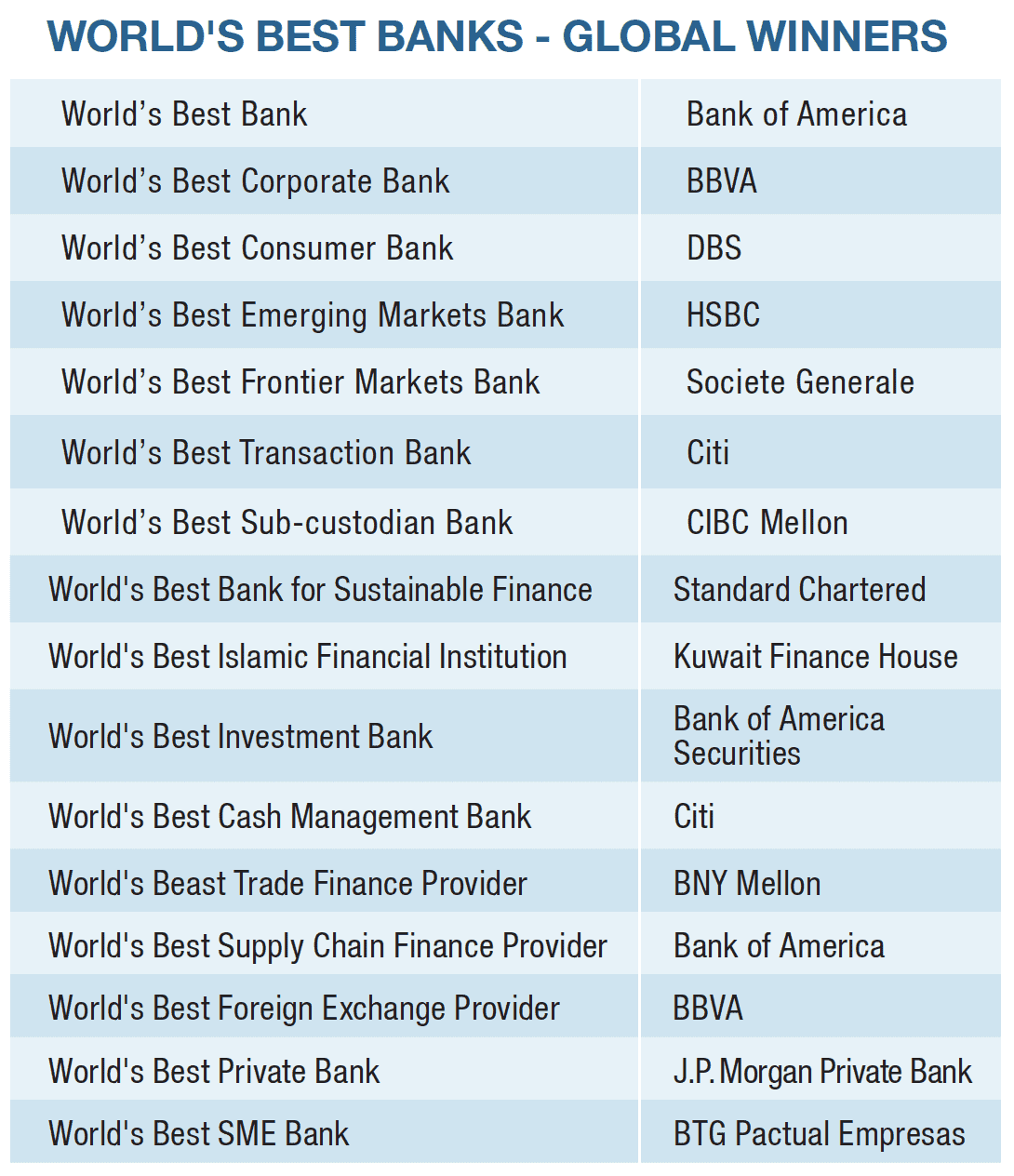
Understanding Different Types of Banking Institutions
To determine which bank is the best for you, you must first understand the categories of institutions available. Each type of bank serves a different purpose and offers a unique set of pros and cons.
Traditional National Banks
National banks are the household names you see on street corners across the country. These institutions are characterized by their vast networks of physical branches and ATMs. They offer a “one-stop-shop” experience, providing everything from basic checking accounts to mortgages, wealth management, and credit cards.
The primary advantage of a large national bank is convenience. If you value face-to-face interaction or frequently need to deposit cash, a traditional bank is often the best choice. However, this convenience often comes at a cost. Large banks typically offer lower interest rates on savings accounts and may charge higher monthly maintenance fees to offset the overhead costs of maintaining physical locations.
Credit Unions and Community Banks
Credit unions are member-owned, not-for-profit cooperatives. Because they are not beholden to shareholders, they often return profits to their members in the form of lower loan rates, fewer fees, and higher interest on deposits. Community banks function similarly but are profit-driven; however, they focus heavily on local economic development.
The “best” part of a credit union is often the personalized customer service and the sense of community. The downside is that their physical presence is usually limited to a specific geographic region, and their digital tools may not be as sophisticated as those of larger competitors.
Online-Only Neobanks
The rise of digital-first banking has revolutionized personal finance. Online banks (or neobanks) operate without physical branches, passing those savings on to the consumer. They consistently offer the highest Annual Percentage Yields (APY) on savings accounts and often eliminate common fees like monthly maintenance or overdraft charges.
For the tech-savvy individual who rarely uses cash, an online bank is frequently the best option. These institutions prioritize the mobile app experience, offering sleek interfaces and innovative budgeting tools.
Key Features to Evaluate When Comparing Banks
Once you have decided on the type of institution that fits your needs, you must compare specific features. Not all banks are created equal, and the fine print can make a substantial difference in your net worth over time.
Interest Rates and Annual Percentage Yield (APY)
In the world of personal finance, your money should work for you. The APY is the real rate of return earned on a savings deposit or investment, taking into account the effect of compounding interest.
When searching for the best bank, look for “High-Yield Savings Accounts” (HYSA). While a traditional bank might offer a meager 0.01% APY, an online-only bank might offer 4.00% or higher. Over a decade, this difference can amount to thousands of dollars in “free” money generated simply by choosing a more competitive institution.
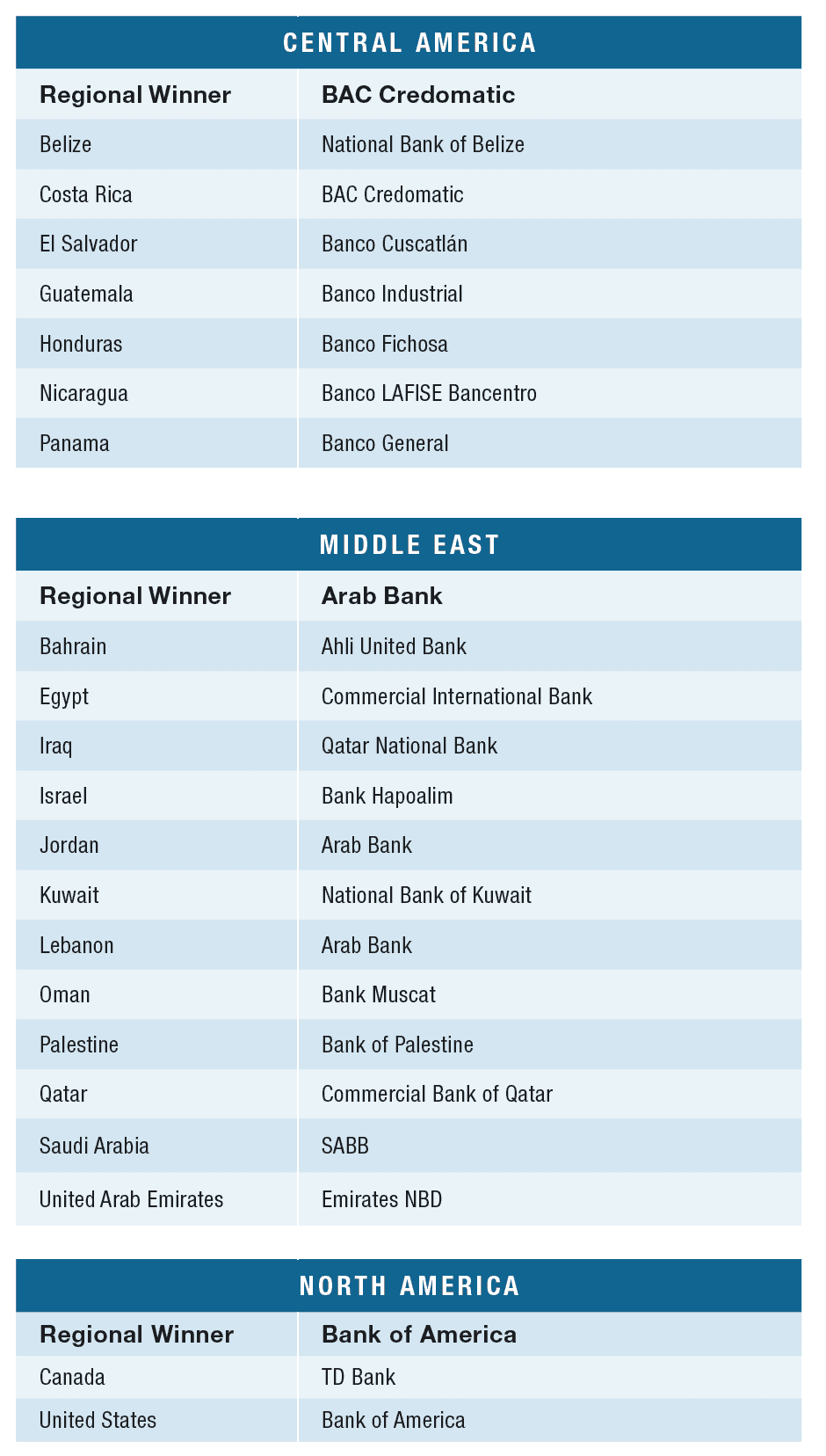
Fee Structures and Maintenance Costs
Fees are the silent killers of wealth. Many banks charge monthly maintenance fees unless you maintain a minimum balance or have a recurring direct deposit. Other common costs include ATM fees, wire transfer fees, and the much-loathed overdraft fee.
The best banks today are moving toward a “fee-free” model. Many online banks and even some forward-thinking traditional banks have eliminated overdraft fees and provide ATM fee reimbursements, allowing you to use any machine regardless of the bank’s network. Always read the fee schedule before opening an account to ensure you won’t be penalized for your banking habits.
Digital Banking and Mobile Integration
In modern finance, your phone is your primary branch. A bank is only as good as its mobile application. The best banking apps offer more than just a balance check; they include mobile check deposit, peer-to-peer payments (like Zelle integration), robust security controls (such as the ability to “lock” a debit card), and automated savings tools. If an app is clunky or lacks modern security features like biometric login, it may not be the best choice for a contemporary lifestyle.
Matching Your Financial Lifestyle to the Right Bank
Your stage in life and your financial goals should dictate where you keep your capital. A college student has very different needs than a small business owner or a retiree.
The Best Banks for Savings and Long-Term Growth
If your primary goal is to build an emergency fund or save for a large purchase like a house, the “best” bank is the one that offers the highest yield and the most friction-free automated savings features. Look for institutions that allow you to create “buckets” or “vaults” within a single savings account. This allows you to visualize your goals—such as “Vacation,” “Emergency Fund,” and “New Car”—without needing to open multiple separate accounts.
Top Choices for Daily Checking and Spending
For your primary checking account, the best bank is one that prioritizes liquidity and accessibility. You want a bank that offers a wide ATM network (or fee reimbursement) and a debit card with strong fraud protection. Some modern checking accounts even offer small amounts of interest or “cash back” on debit card purchases, which can be a nice bonus for your daily spending.
Specialized Banking for Small Business Owners
Business finance is more complex than personal finance. The best bank for a business owner is one that integrates seamlessly with accounting software like QuickBooks or Xero. Business owners should also look for banks that offer low-cost merchant services and easy access to lines of credit or Small Business Administration (SBA) loans. Often, building a relationship with a local community bank is the best strategy for a business owner, as local bankers have more flexibility in lending than national algorithms.
Security, Support, and the Customer Experience
No matter how high the interest rate is, a bank is not the “best” if your money isn’t safe or if you can’t get help when you need it.
FDIC Insurance and Asset Protection
The most fundamental requirement for any bank is FDIC (Federal Deposit Insurance Corporation) insurance. For credit unions, the equivalent is NCUA (National Credit Union Administration) insurance. This ensures that your deposits are protected up to $250,000 per depositor, per institution, in the event of a bank failure. Never, under any circumstances, place your primary savings in an institution that does not carry this protection.
Accessibility and Customer Support Quality
When something goes wrong—such as a fraudulent charge or a locked account—you need to know that you can reach a human being. The best banks offer 24/7 customer support via phone, chat, or in-person visits. Before committing to a bank, check reviews specifically regarding their dispute resolution process. A bank that saves you $5 a month in fees but leaves you on hold for three hours during a financial emergency is not a good deal.
How to Make the Final Decision
Choosing the best bank requires a brief but honest audit of your financial behavior. Ask yourself the following questions:
- Do I use cash frequently? If yes, choose a bank with local branches or a massive ATM network.
- What is my average balance? If it is low, prioritize a bank with no monthly maintenance fees.
- Am I saving for a major goal? If yes, prioritize a High-Yield Savings Account.
- Do I value technology? If yes, look toward neobanks with top-rated apps.
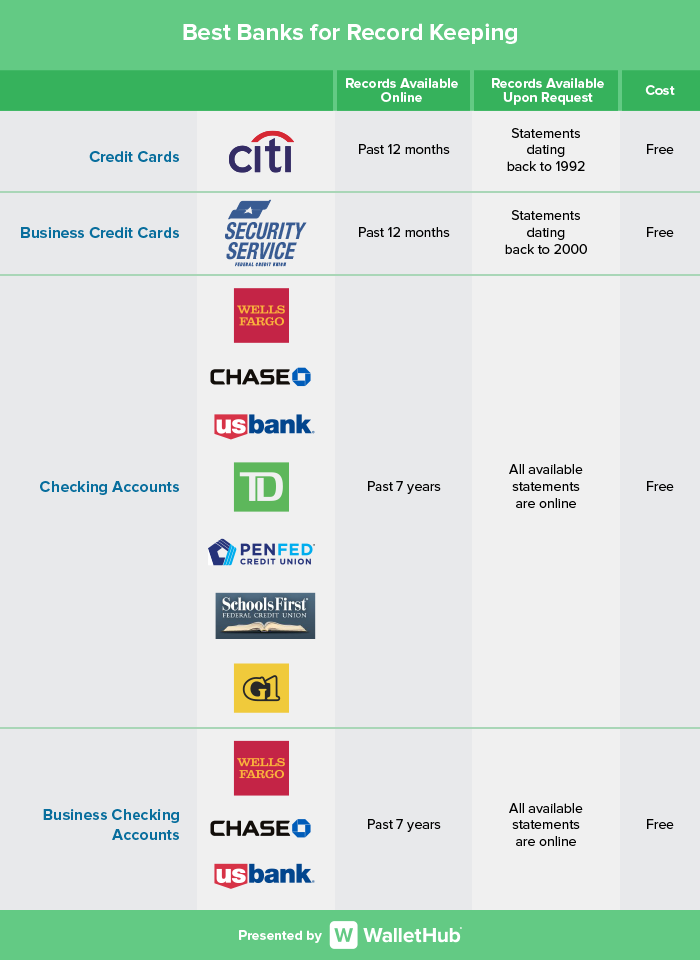
Conducting Your Own Financial Audit
The “best” bank is often not just one bank. Many financial experts recommend a “hybrid” approach. You might keep a checking account at a local credit union for cash access and a personal relationship, while moving the bulk of your savings to an online high-yield account to maximize interest.
In conclusion, the best bank is the one that minimizes your costs, maximizes your earnings, and provides the tools you need to manage your money with confidence. By evaluating institutions based on their type, their fee structures, and how well they fit your specific lifestyle, you can move beyond the marketing hype and find a financial partner that truly helps you build a more secure financial future.
aViewFromTheCave is a participant in the Amazon Services LLC Associates Program, an affiliate advertising program designed to provide a means for sites to earn advertising fees by advertising and linking to Amazon.com. Amazon, the Amazon logo, AmazonSupply, and the AmazonSupply logo are trademarks of Amazon.com, Inc. or its affiliates. As an Amazon Associate we earn affiliate commissions from qualifying purchases.