
The quest for “the best” auto insurance is a deeply personal journey, fraught with variables and complexities. It’s not about finding a universally superior policy, but rather identifying the coverage that perfectly aligns with your individual financial situation, risk profile, and lifestyle needs. In a world where car accidents can lead to devastating financial consequences, selecting the right insurance is a cornerstone of responsible personal finance. It’s an investment in peace of mind and protection for your assets.
This comprehensive guide will demystify the auto insurance landscape, offering insights and strategies to empower you to make an informed decision that secures your financial well-being on the road. We’ll delve into the nuances of coverage, the true meaning of value, and the proactive steps you can take to ensure your auto insurance truly serves your financial interests.
The Building Blocks: Understanding Auto Insurance Coverage Types and Cost Drivers
Before you can determine which auto insurance is best for you, it’s crucial to understand the fundamental components of a policy and what drives its cost. This knowledge forms the bedrock of making financially sound decisions.
Core Coverage Options: What You Need and What You Might Want
Auto insurance policies are typically a bundle of different coverages, each serving a specific purpose. Understanding these will help you identify what you truly need versus what might be optional extras for your situation.
- Liability Coverage: This is the most fundamental and often legally mandated coverage. It protects you financially if you’re at fault in an accident, covering bodily injury to others and damage to their property. It’s crucial for protecting your assets from lawsuits.
- Collision Coverage: Pays for damage to your own vehicle resulting from a collision with another car or object, regardless of who is at fault. If you have a car loan or lease, this coverage is usually required by the lender.
- Comprehensive Coverage: Protects your vehicle from non-collision-related damage, such as theft, vandalism, fire, natural disasters (hail, floods), or hitting an animal. Like collision, it’s often required by lenders.
- Medical Payments (MedPay) or Personal Injury Protection (PIP): These cover medical expenses for you and your passengers after an accident, regardless of fault. PIP, mandatory in some “no-fault” states, often includes lost wages and essential services.
- Uninsured/Underinsured Motorist (UM/UIM) Coverage: Protects you if you’re involved in an accident with a driver who either has no insurance or insufficient insurance to cover the damages. Given the number of uninsured drivers on the road, this is a financially prudent addition.
Decoding Your Premium: Key Factors That Influence Cost
Auto insurance premiums aren’t arbitrary; they are meticulously calculated based on a multitude of risk factors. Understanding these can help you manage your costs and make smarter financial choices.
- Demographics: Age, gender, and marital status play a role. Younger, less experienced drivers generally pay more, as do single individuals compared to married ones.
- Driving Record: This is paramount. A history of accidents, traffic violations, or DUIs will significantly increase your premiums due to the perceived higher risk. A clean record, conversely, can lead to substantial savings.
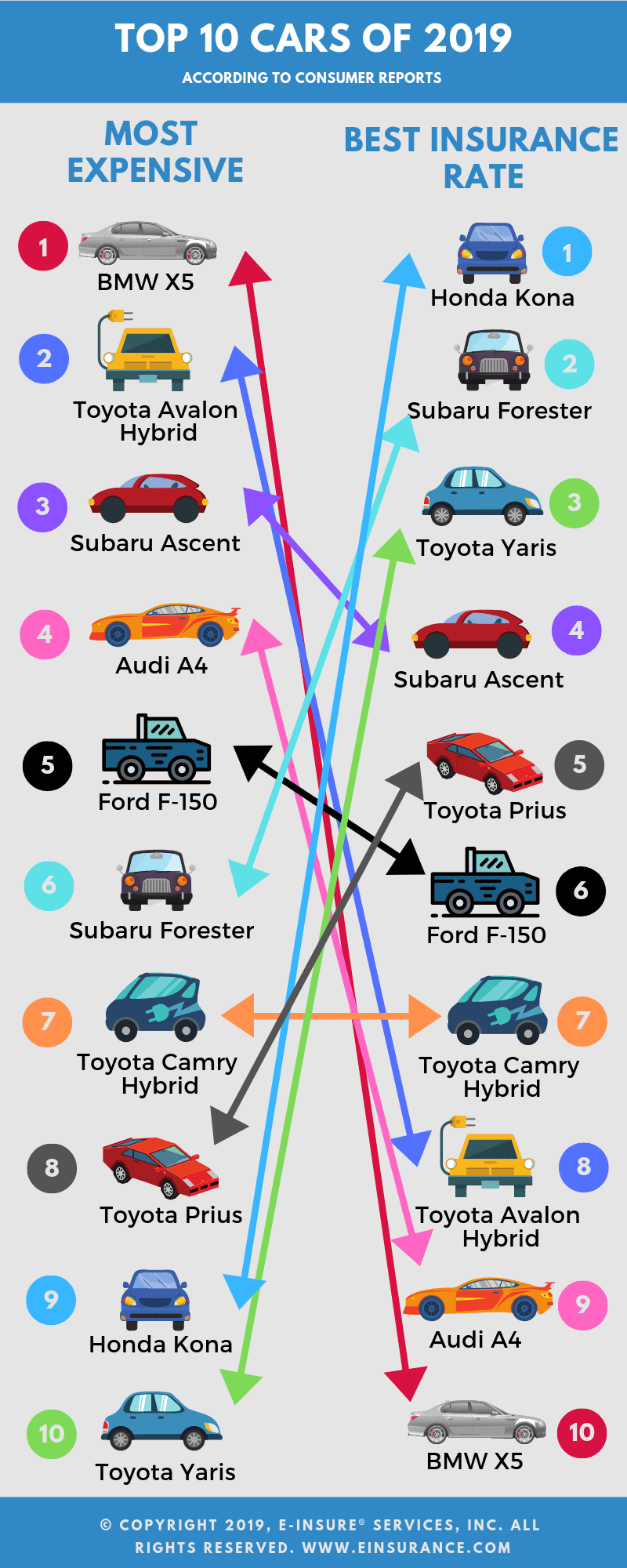
- Vehicle Type: The make, model, year, and safety features of your car impact premiums. Expensive, high-performance, or frequently stolen vehicles cost more to insure. Safety ratings can sometimes offer discounts.
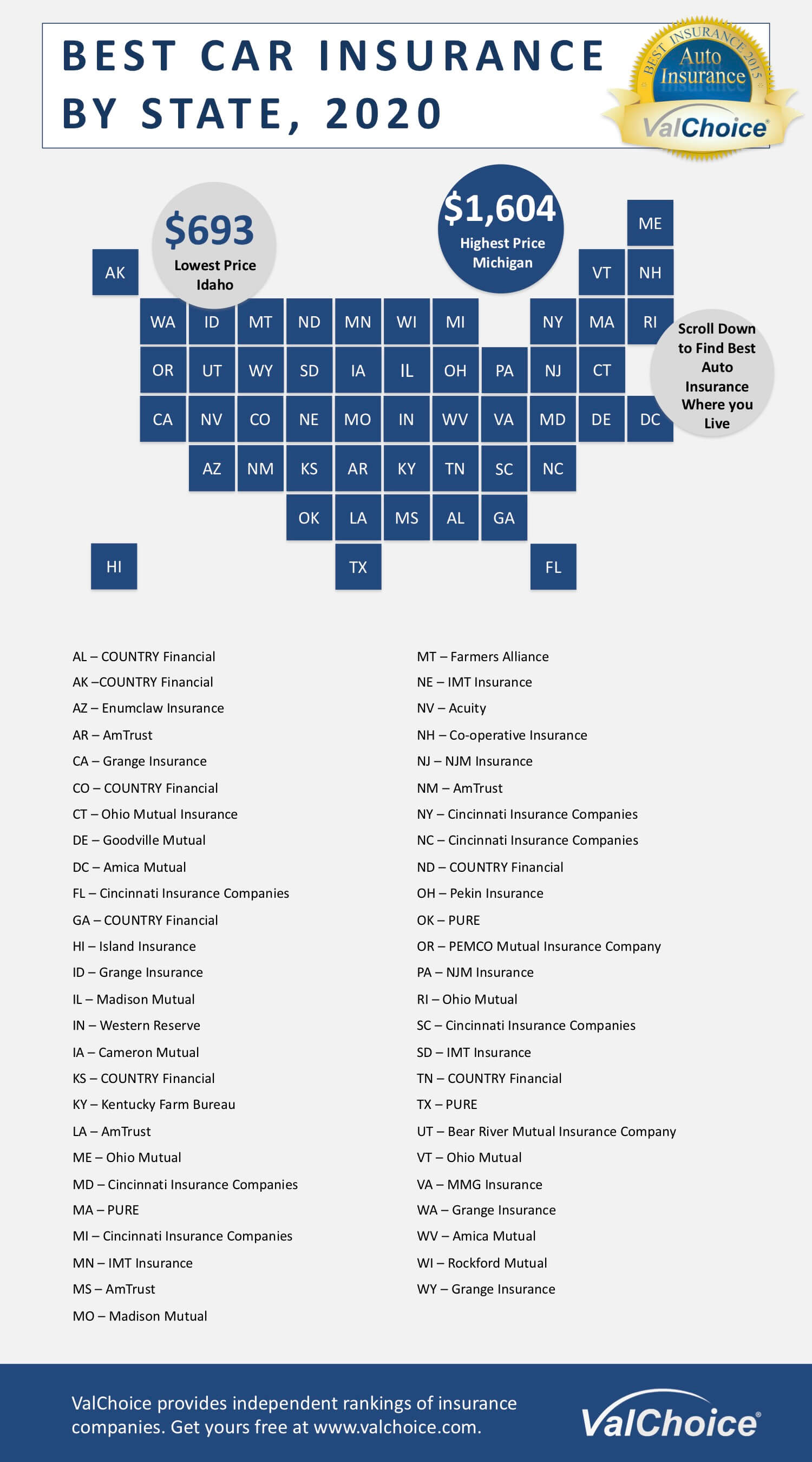
- Location: Where you live and park your car affects your rate. Areas with higher rates of theft, vandalism, or traffic accidents typically have higher premiums.
- Credit Score: In most states, insurers use a credit-based insurance score as a strong predictor of future claims. A higher credit score often translates to lower premiums, reinforcing the importance of sound financial habits.
- Deductibles and Coverage Limits: Your choices here directly influence your premium. A higher deductible (the amount you pay out-of-pocket before insurance kicks in) usually means a lower premium, but requires you to have more cash readily available in an emergency. Higher liability limits mean greater protection but also a higher premium.
Beyond State Minimums: Why Adequate Protection is a Financial Imperative
Many states mandate only a bare minimum of liability coverage. While this fulfills the legal requirement, it often falls dangerously short of providing adequate financial protection. In a severe accident, state minimums can be quickly exhausted, leaving you personally responsible for potentially hundreds of thousands of dollars in medical bills, lost wages, and property damage. This exposure can decimate your savings, force you to sell assets, or even lead to bankruptcy.
For most individuals, especially those with significant assets (a home, substantial savings, investments), carrying higher liability limits (e.g., $100,000/$300,000 for bodily injury and $100,000 for property damage, often written as 100/300/100) is a financial imperative. It acts as a robust shield, protecting your accumulated wealth from potential lawsuits and ensuring that an unfortunate incident doesn’t unravel your financial future.
Defining “Best” for Your Financial Profile: Balancing Cost, Coverage, and Value
The term “best” in auto insurance isn’t about the most expensive or the cheapest policy; it’s about the optimal balance of coverage, cost, and the financial stability of the insurer, tailored to your unique financial profile and risk tolerance.
The Myth of the Cheapest Policy: Why Value Trumps Low Price
It’s tempting to simply opt for the lowest premium, but this can be a financially perilous approach. A cheap policy often means minimal coverage, high deductibles, or a compromised claims experience. When an accident occurs, a financially weak policy can leave you with significant out-of-pocket expenses, delays in repairs, or inadequate compensation for injuries. The true value of auto insurance reveals itself at the moment of a claim. A “best” policy offers reliable, comprehensive protection that mitigates financial stress during an emergency, even if the upfront cost is slightly higher. This perspective shifts the focus from a mere expense to a critical financial safeguard.
Evaluating Insurer Financial Strength and Reputation
Your auto insurance policy is only as good as the company backing it. It’s crucial to assess an insurer’s financial stability and reputation before committing. Look for:
- Financial Strength Ratings: Independent agencies like A.M. Best, Standard & Poor’s, and Moody’s rate insurance companies based on their financial health. Opt for insurers with high ratings (e.g., A or A+ from A.M. Best), indicating a strong ability to meet their policyholder obligations.
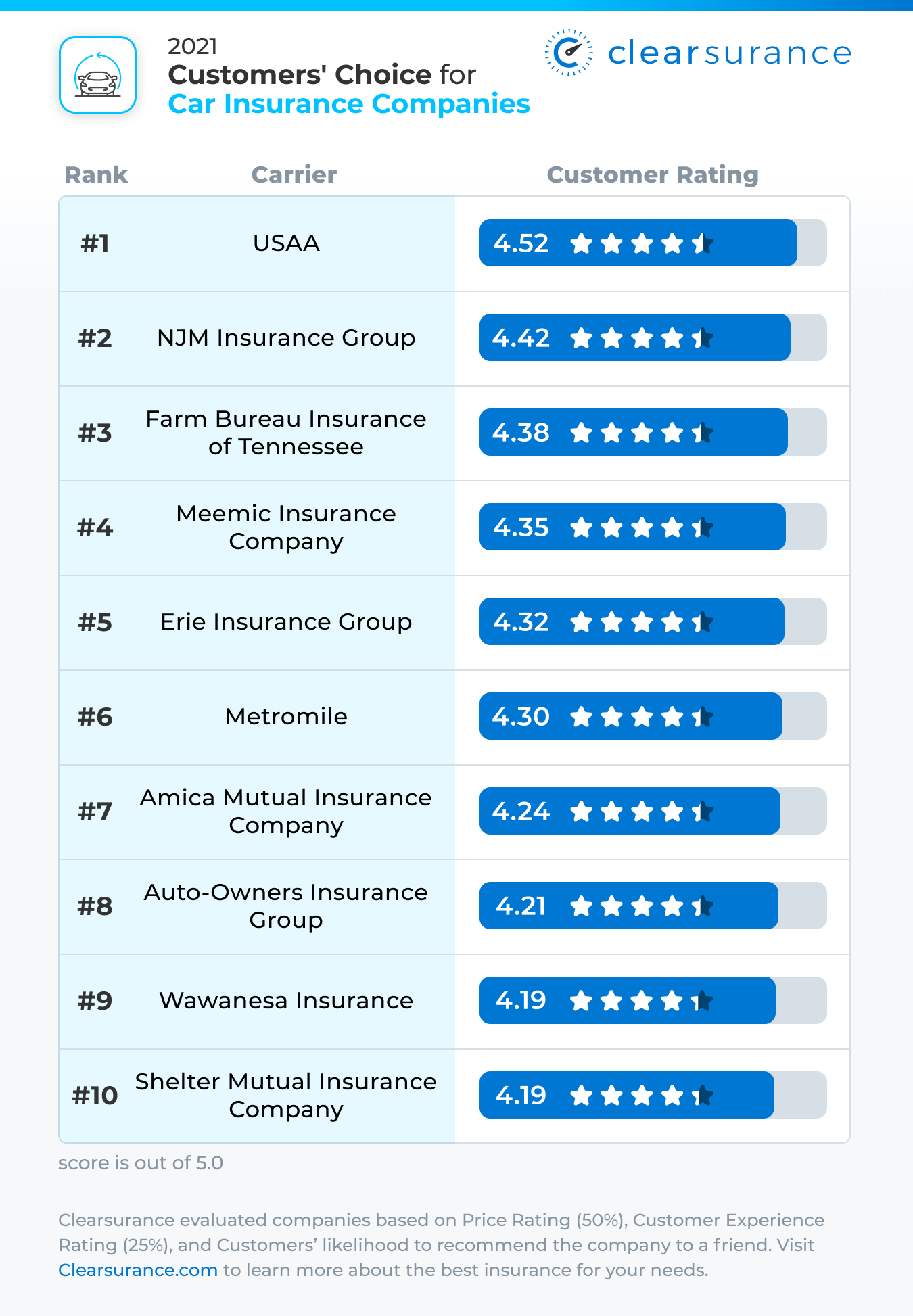
- J.D. Power Rankings: These provide insights into customer satisfaction with various aspects of the insurance experience, including pricing, policy offerings, and the claims process.
- NAIC Complaint Index: The National Association of Insurance Commissioners (NAIC) tracks consumer complaints against insurance companies. A high complaint index might signal potential issues with customer service or claims handling.
- Online Reviews and Testimonials: While subjective, these can offer valuable qualitative insights into an insurer’s performance during real-life claims scenarios.
Choosing an insurer with a robust financial foundation and a strong reputation for customer service is a direct investment in your financial security, ensuring they’ll be there for you when you need them most.
Tailoring Coverage to Your Assets and Risk Tolerance
The “best” coverage is highly individualized. Your personal financial situation and willingness to bear risk should dictate your policy choices.
- High Net Worth Individuals: If you have significant assets (a large home, substantial savings, investments), you have more to lose in a lawsuit. You should strongly consider high liability limits, possibly an umbrella policy for additional coverage, and low deductibles for comprehensive/collision to minimize out-of-pocket expenses.
- Newer, Expensive Vehicles: If you drive a new car with a loan or lease, comprehensive and collision coverage are essential and usually required. Consider “gap insurance” if your car’s value depreciates faster than your loan balance, preventing a financial shortfall if it’s totaled.
- Older, Fully Paid-Off Vehicles: For older cars with low market value, you might consider dropping collision and comprehensive coverage, as the cost of these premiums could outweigh the potential payout. However, ensure you have the financial capacity to replace the car if it’s totaled.
- Young Drivers: Teen drivers are statistically more likely to be involved in accidents. While adding them to your policy will increase premiums, it’s financially necessary. Explore good student discounts and consider higher liability limits to protect your family’s assets.
Aligning your coverage with your financial reality ensures you’re not overpaying for unnecessary protection nor under-protected against potentially catastrophic financial losses.
Strategic Approaches to Securing Your Ideal Auto Insurance Policy
Finding your “best” auto insurance requires proactive effort and smart shopping strategies. It’s about being an informed consumer and leveraging available tools to your financial advantage.
Harnessing Comparison Tools and Expert Guidance
Don’t settle for the first quote you receive. The auto insurance market is competitive, and prices can vary significantly between providers for identical coverage.
- Online Comparison Websites: Websites like Policygenius, The Zebra, or Bankrate allow you to input your information once and receive quotes from multiple insurers simultaneously. This is an efficient way to get a broad overview of pricing.
- Independent Insurance Agents: These agents work with several insurance companies and can shop around on your behalf, often finding competitive rates and providing personalized advice. They can explain complex policy terms and help you tailor coverage to your specific financial needs.
- Direct Insurers: Companies like Geico, Progressive, and State Farm also offer direct quotes online or over the phone. Comparing these direct quotes with those from independent agents ensures you explore all avenues.
By comparing at least three to five different quotes, you significantly increase your chances of finding the financially optimal policy.
Unlocking a World of Discounts: Maximizing Your Savings
Insurance companies offer a wide array of discounts that can significantly reduce your premiums. Being aware of these and actively pursuing them can lead to substantial financial savings over time.
- Bundling Discounts: Often the largest discount, offered when you purchase multiple policies (e.g., auto and home/renters insurance) from the same provider.
- Good Driver/Accident-Free Discounts: Reward drivers with a clean record over a specified period.
- Safe Vehicle Features: Discounts for cars equipped with anti-lock brakes, airbags, anti-theft devices, or advanced driver-assistance systems.
- Good Student Discounts: For students maintaining a specific GPA.
- Low Mileage Discounts: If you drive below a certain number of miles annually.
- Telematics Programs: Usage-based insurance programs (e.g., Progressive’s Snapshot, State Farm’s Drive Safe & Save) use a device or app to monitor your driving habits (speed, braking, mileage) and offer discounts for safe driving.
- Professional Affiliations: Discounts for members of certain professional organizations, alumni groups, or employers.
Always ask about all available discounts and ensure you qualify for everything possible. Even small discounts can add up.
Optimizing Deductibles and Policy Limits for Financial Efficiency
Strategically adjusting your deductibles and liability limits is a key financial lever in managing your auto insurance costs.
- Deductibles: Choosing a higher deductible (e.g., $1,000 instead of $500) will lower your premium. However, you must be financially prepared to pay that higher amount out-of-pocket if you need to file a claim. Ensure your emergency fund can comfortably cover your chosen deductible.
- Liability Limits: As discussed, while higher limits mean higher premiums, they offer crucial asset protection. Consider increasing your liability limits to at least 100/300/100, and potentially more, especially if your net worth is substantial. The incremental cost for higher liability limits is often surprisingly small compared to the immense financial protection it provides.
This balancing act between managing upfront premium costs and ensuring adequate financial protection is central to selecting the “best” policy for your situation.
The True Test: Claims Experience and Customer Service as Financial Pillars
The true measure of an auto insurance policy isn’t its price or its promises, but its performance when you need it most – during a claim. A smooth, efficient claims process is an invaluable financial asset, minimizing stress and ensuring timely recovery.
What Constitutes a Seamless Claims Process?
When you’re involved in an accident, your primary concern should be your safety and well-being, not battling your insurance company. A financially sound claims process is characterized by:
- Ease of Filing: A straightforward process for reporting a claim, whether online, via an app, or by phone.
- Prompt Communication: Clear, consistent updates on your claim’s status and quick responses to your inquiries.
- Fair and Timely Assessment: A rapid and unbiased evaluation of damage and injuries, leading to a fair settlement.
- Efficient Payout: Swift disbursement of funds for repairs, medical bills, or vehicle replacement, minimizing your financial disruption.
A company with a reputation for a seamless claims process acts as a reliable financial partner, ensuring you recover quickly and without undue financial strain.
Assessing an Insurer’s Customer Support Reputation
Beyond the claims process, the general quality of an insurer’s customer support is a critical component of its value proposition. You want an insurance provider that is:
- Accessible: Easily reachable by phone, email, or online chat, especially during emergencies.
- Responsive: Quick to answer questions, resolve issues, and provide assistance.
- Professional and Empathetic: Staff who are knowledgeable, courteous, and understanding, particularly during stressful times following an incident.
Investigating customer reviews and industry ratings (like J.D. Power) specifically related to customer service can offer profound insights into an insurer’s operational efficiency and commitment to its policyholders.
The Intangible Value: Peace of Mind and Reliability
While difficult to quantify, the peace of mind derived from knowing your insurance provider is reliable is an immense financial asset. A low-cost policy from a company with a poor claims record can lead to delayed repairs, disputed payouts, or frustrating customer service, all of which incur hidden financial costs in terms of time, stress, and potential out-of-pocket expenses. The “best” auto insurance offers the confidence that, should an unfortunate event occur, your financial well-being is genuinely protected by a competent and trustworthy partner. This intangible value can often outweigh a slightly lower premium from a less reputable provider.
Proactive Policy Management for Sustained Financial Advantage
Selecting the “best” auto insurance isn’t a one-time decision; it’s an ongoing process. Proactive policy management ensures your coverage remains optimal and cost-effective as your life and the market evolve.
Regularly Reviewing and Adjusting Your Coverage
Your life circumstances are dynamic, and your auto insurance should be too. Make it a financial habit to review your policy at least annually, or whenever significant life events occur:
- Major Life Changes: Marriage, divorce, adding a new driver (especially a teen), or moving to a new address can all impact your rates and coverage needs.
- Vehicle Changes: Buying a new car, selling an old one, or paying off a loan on your vehicle should prompt a policy review. You might be able to drop collision/comprehensive on an older, fully paid-off car, or need gap insurance for a new one.
- Financial Situation: If your net worth increases significantly, consider raising your liability limits or adding an umbrella policy. Conversely, if you’re looking to trim expenses, re-evaluate optional coverages.
Regular reviews ensure you maintain appropriate coverage without overpaying for outdated needs.
The Power of Re-shopping: Never Settle for Stagnation
Insurance loyalty doesn’t always pay. Market conditions, underwriting algorithms, and promotional offers constantly change. The “best” insurer for you today might not be the “best” next year.
- Annual Comparison Shopping: Make it a routine to get quotes from several different insurers every year, ideally a few weeks before your policy renewal date. This keeps your current insurer competitive and ensures you’re not missing out on better deals.
- Leverage Your Clean Record: If you’ve maintained a clean driving record, you’re an attractive customer. Use this leverage to negotiate for better rates.
- Ask About New Discounts: Always inquire about any new discounts that may have become available since your last review.
Re-shopping is one of the most powerful financial strategies for keeping your auto insurance costs in check while maintaining optimal coverage.
Leveraging Technology for Enhanced Policy Management
Modern technology has transformed how we interact with insurance, offering convenient tools for financially savvy policy management.
- Mobile Apps: Many insurers offer robust mobile apps that allow you to access your digital ID card, view policy details, make payments, file claims, and even request roadside assistance on the go. This streamlines management and ensures you have vital information at your fingertips.
- Telematics Programs: As mentioned, these programs can offer personalized discounts based on actual driving behavior, potentially saving you money if you’re a safe driver.
- Online Portals: Most insurers provide secure online portals where you can manage your policy, update information, and access documents, reducing the need for paper and making administrative tasks more efficient.
Embracing these technological tools can simplify your insurance management, save time, and potentially lead to further financial optimization of your policy.
Conclusion
Determining “which auto insurance is best” is not about finding a single, universal answer. It’s a dynamic, personal financial decision that requires a clear understanding of your individual needs, financial standing, and risk tolerance. The “best” policy offers a robust shield of protection for your assets, a seamless claims experience, and a cost that aligns with the value provided, all tailored precisely to your circumstances.
By understanding the types of coverage, being aware of cost drivers, strategically comparing options, actively seeking discounts, and proactively managing your policy over time, you can secure auto insurance that truly serves your financial interests. Remember, your auto insurance is more than just a legal requirement; it’s a vital component of your personal financial plan, safeguarding your future against the unpredictable events of the road. Invest the time and effort to choose wisely, and you’ll drive with confidence, knowing your financial well-being is securely protected.
aViewFromTheCave is a participant in the Amazon Services LLC Associates Program, an affiliate advertising program designed to provide a means for sites to earn advertising fees by advertising and linking to Amazon.com. Amazon, the Amazon logo, AmazonSupply, and the AmazonSupply logo are trademarks of Amazon.com, Inc. or its affiliates. As an Amazon Associate we earn affiliate commissions from qualifying purchases.