
The landscape of professional sports broadcasting has undergone a seismic shift, moving away from the fragmented world of local cable networks and toward a centralized, tech-driven streaming model. For Major League Soccer (MLS), this evolution reached a pinnacle with its historic partnership with Apple. No longer is the question of “where to watch MLS” answered by flipping through a television guide; instead, it is answered by navigating a sophisticated software ecosystem. This shift represents more than just a change in channel—it is a transformation in how digital infrastructure, high-bandwidth streaming, and user interface design converge to deliver a premium sporting experience.
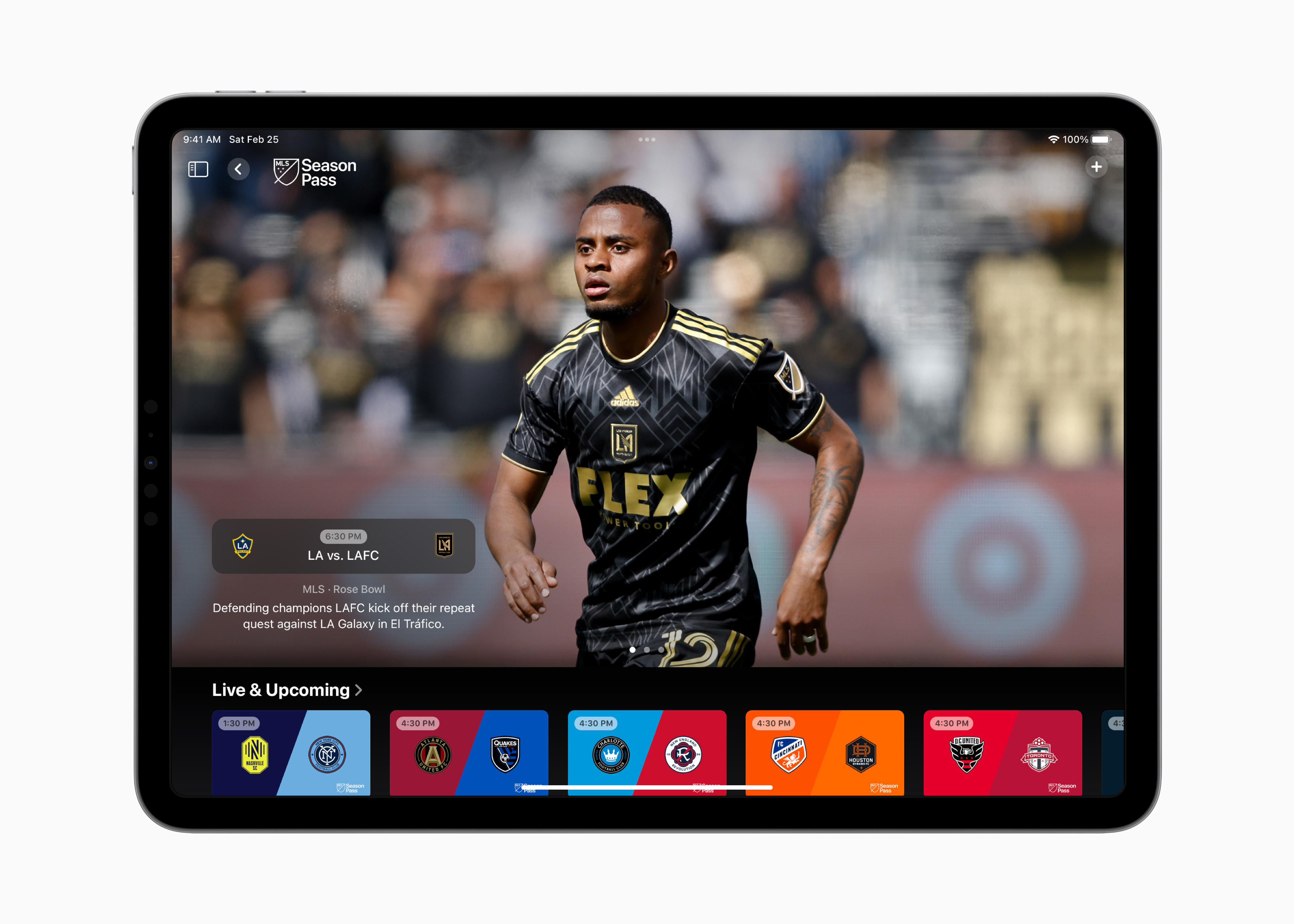
To understand the modern way to consume MLS, one must look at the technology powering the broadcast, the platforms hosting the content, and the hardware necessary to support high-fidelity sports streaming.
The Apple TV Ecosystem: A Deep Dive into MLS Season Pass
The primary destination for MLS content is the MLS Season Pass, a dedicated subscription service housed within the Apple TV app. This partnership represents a landmark moment in “Sport-Tech,” as it is the first time a major professional sports league has consolidated all its global broadcasting rights into a single digital platform.
Cross-Platform Software Integration
While the service is branded under Apple, the technology is designed for broad interoperability. The Apple TV app serves as the software hub, available not only on Apple hardware (iPhone, iPad, Mac, and Apple TV 4K) but also across a wide array of third-party platforms. This includes gaming consoles like the PlayStation 5 and Xbox Series X, smart TV OS environments such as Samsung Tizen, LG WebOS, and Vizio SmartCast, and streaming sticks like Roku and Amazon Fire TV. The technical achievement here lies in the consistent UI/UX design across disparate operating systems, ensuring that a user on an Android-based Sony TV has the same low-latency experience as someone using native Apple hardware.
Streamlining the Global Broadcast Architecture
From a technical perspective, the MLS Season Pass eliminates one of the biggest hurdles in sports tech: geographical blackouts. Historically, broadcasting software used IP-based geofencing to prevent local fans from watching games on national platforms to protect local affiliate ratings. The Apple-MLS tech stack utilizes a global Content Delivery Network (CDN) that bypasses these restrictions. By hosting the content on a unified cloud infrastructure, the service provides 1080p high-definition streams at 60 frames per second (fps) to over 100 countries simultaneously, ensuring that the software handles the massive concurrency of millions of live viewers without significant buffering or packet loss.
Navigating the User Experience: Software Features Redefining the Fan Experience
Watching MLS today is less about passive viewing and more about interactive engagement. The software features built into the streaming platform leverage modern data processing and AI to enhance the viewer’s control over the content.
Multiview and Interactive Overlays
For fans using the Apple TV 4K hardware, the software introduces “Multiview.” This feature allows users to stream up to four matches simultaneously on a single screen. This is a significant technical feat, as it requires the device to decode multiple high-bitrate video streams at once without overheating or dropping frames. Furthermore, the integration of live data overlays allows fans to toggle real-time statistics, lineup changes, and league standings without exiting the video player. This data is fed through high-speed APIs that sync the on-screen action with professional scouting databases in near real-time.
AI-Driven Content and Personalized Discovery
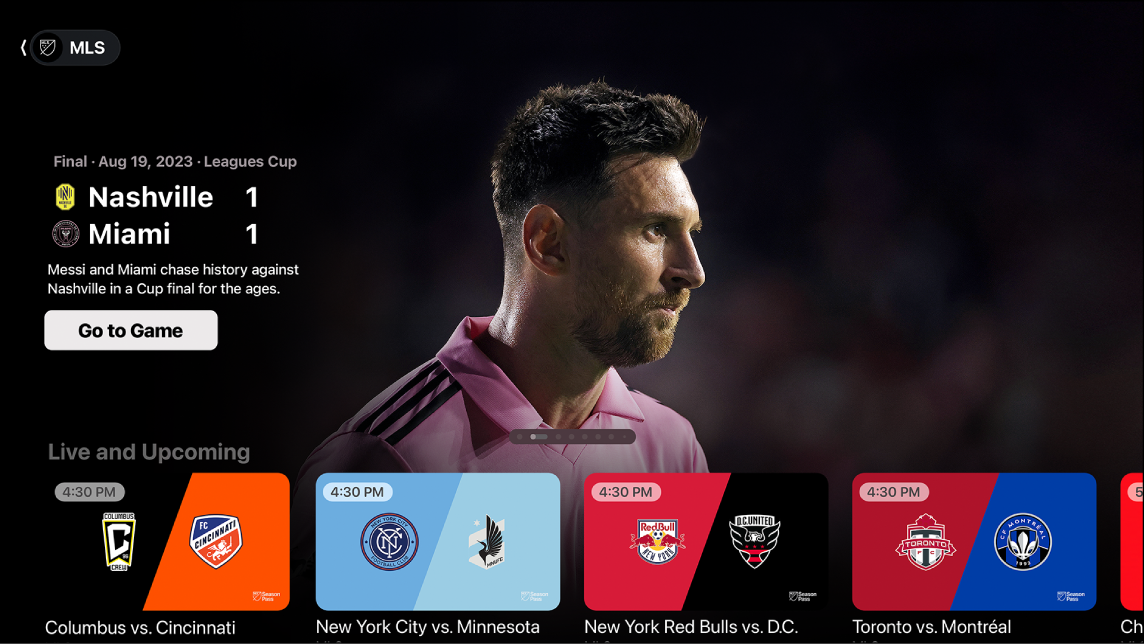
The backend of the MLS Season Pass utilizes machine learning algorithms to personalize the user experience. Based on a user’s viewing history—such as their “favorite club” selection—the app prioritizes specific live matches, highlights, and club-specific “mini-matches” (condensed recaps). Additionally, the use of automated highlight generation technology allows the platform to publish “key moments” almost immediately after they occur. These snippets are indexed by AI that recognizes goals, red cards, and saves, making the software a repository of searchable, meta-tagged sports data rather than just a linear video feed.
Connectivity and Hardware: Optimizing the Digital Stadium
The quality of the “where to watch” experience is heavily dependent on the end-user’s hardware and network environment. As sports broadcasting moves toward higher bitrates and lower latency, the technical requirements for the home theater have become more stringent.
The Role of High-Performance Streaming Hardware
While mobile apps provide convenience, the definitive way to watch MLS is through dedicated streaming hardware capable of advanced video processing. Devices like the Apple TV 4K or the Nvidia Shield TV utilize powerful processors (such as the A15 Bionic chip) to handle HEVC (High-Efficiency Video Coding) and HDR (High Dynamic Range) metadata. This hardware ensures that the colors of the pitch are vivid and that motion blur is minimized during high-speed play. For enthusiasts, integrating these devices into a Wi-Fi 6 or 6E network environment is crucial to maintaining the 15-25 Mbps stable connection required for a jitter-free 1080p/60fps stream.
Bandwidth Management and Latency Solutions
One of the primary technical challenges of streaming live sports compared to on-demand movies is latency—the delay between the action on the field and the image appearing on the screen. To combat “spoiler alerts” from social media notifications, the MLS tech stack utilizes “Low Latency HLS” (HTTP Live Streaming) protocols. This software optimization reduces the buffer window, bringing the stream closer to “real-time” than traditional cable broadcasts. For the consumer, ensuring that their router is configured with Quality of Service (QoS) settings to prioritize streaming traffic can further enhance this technical advantage.
Security, Accessibility, and the Future of Digital Rights
As MLS transitions fully into a digital-first product, the way users manage their access and security has evolved. The move to a subscription-based app model brings digital security and account management to the forefront of the fan experience.
Digital Rights Management (DRM) and Subscription Tiers
Accessing MLS requires navigating a tiered digital rights system. Subscribers to the Apple TV+ general entertainment service often receive a discounted rate for the MLS Season Pass, while season ticket holders receive a unique digital code that grants them full access. This system relies on robust DRM (Digital Rights Management) to ensure that content is not pirated or redistributed illegally. The backend uses secure authentication tokens to manage concurrent streams, allowing families to share a single subscription across multiple devices while maintaining strict security protocols.

The Shift Toward 4K and Future Technological Horizons
While the current standard for MLS streaming is 1080p, the infrastructure is being built with an eye toward a 4K future. The transition to 4K broadcasting requires a massive leap in bandwidth—not just for the consumer, but for the entire production pipeline. Currently, the “tech” of the MLS broadcast includes 1080p HDR, which provides better contrast and color than standard 4K without the HDR component. As 5G home internet and fiber-to-the-home (FTTH) become more ubiquitous, the software platforms hosting MLS are primed to flip the switch to Ultra-High Definition, further blurring the line between being at the stadium and watching from a digital device.
In conclusion, the question of “where to watch MLS” is no longer a simple matter of finding a broadcaster; it is an exploration of a sophisticated technological ecosystem. Through the synergy of Apple’s software design, high-performance streaming hardware, and global cloud infrastructure, MLS has positioned itself at the cutting edge of the digital revolution. For the modern fan, the viewing experience is a high-tech journey defined by low-latency streams, interactive UI features, and a seamless cross-platform environment that sets the standard for the future of all professional sports consumption.
aViewFromTheCave is a participant in the Amazon Services LLC Associates Program, an affiliate advertising program designed to provide a means for sites to earn advertising fees by advertising and linking to Amazon.com. Amazon, the Amazon logo, AmazonSupply, and the AmazonSupply logo are trademarks of Amazon.com, Inc. or its affiliates. As an Amazon Associate we earn affiliate commissions from qualifying purchases.