
Navigating the roadways today often means encountering toll roads. For Florida residents and frequent travelers, the SunPass system offers a convenient and efficient way to manage these payments. The SunPass Mini, a compact and user-friendly transponder, is the key to unlocking seamless toll passage. However, its effectiveness hinges on proper installation. This article delves into the optimal placement for your SunPass Mini, drawing on principles of technology, brand experience, and even a touch of financial efficiency, to ensure you maximize its benefits. We’ll explore the “why” behind specific locations, the technical considerations, and how a well-placed transponder contributes to a positive overall user experience.
Understanding the Technology Behind Your SunPass Mini
The SunPass Mini operates on radio frequency identification (RFID) technology. When your vehicle approaches a toll plaza, an antenna at the toll booth emits a radio signal. The SunPass Mini, equipped with a transponder chip, receives this signal and transmits back your unique account information. This allows the toll system to automatically deduct the toll amount from your linked SunPass account, eliminating the need to stop or fumble for cash.
The Importance of Optimal Placement for RFID Communication
The effectiveness of this RFID communication is heavily influenced by the transponder’s placement. Several factors can interfere with the signal, leading to potential issues such as failed reads, which can result in manual toll audits, additional fees, or simply an annoying notification. These interferences can stem from:
- Material Obstructions: Certain materials can block or attenuate the radio waves. Metal, in particular, can act as a Faraday cage, significantly weakening or completely blocking the signal. This is why the windshield, where the SunPass Mini is typically mounted, is chosen strategically.
- Angle of Read: The toll system’s antennas are designed to read transponders at specific angles. Improper placement can result in the transponder not being oriented correctly for the antenna to establish a reliable connection.
- Line of Sight: While not strictly line-of-sight in the visual sense, the radio waves need a relatively clear path between the transponder and the antenna. Anything that significantly obstructs this path can degrade performance.
Therefore, the “where” of your SunPass Mini installation is not a trivial detail; it’s a critical component of ensuring the technology functions as intended, providing the seamless experience that makes toll transponders so valuable.
Strategic Placement: Maximizing Readability and Minimizing Interference
The SunPass Mini, like most vehicle transponders, is designed to be mounted on the inside of your vehicle’s windshield. However, not all windshield locations are created equal. Understanding the nuances of windshield construction and common vehicle interiors is key to achieving optimal performance.
The “Sweet Spot”: Inside the Windshield, Away from the Edges
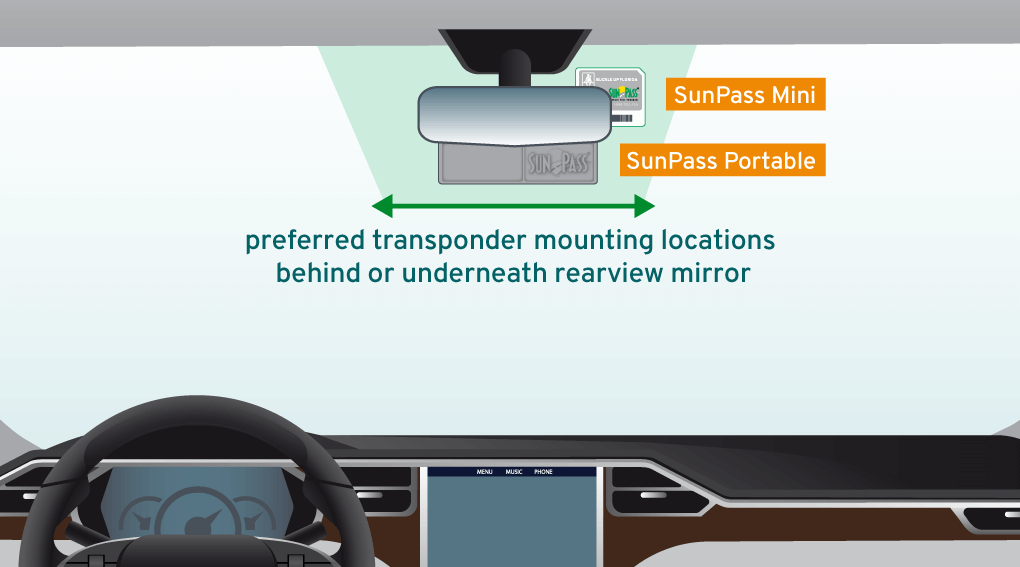
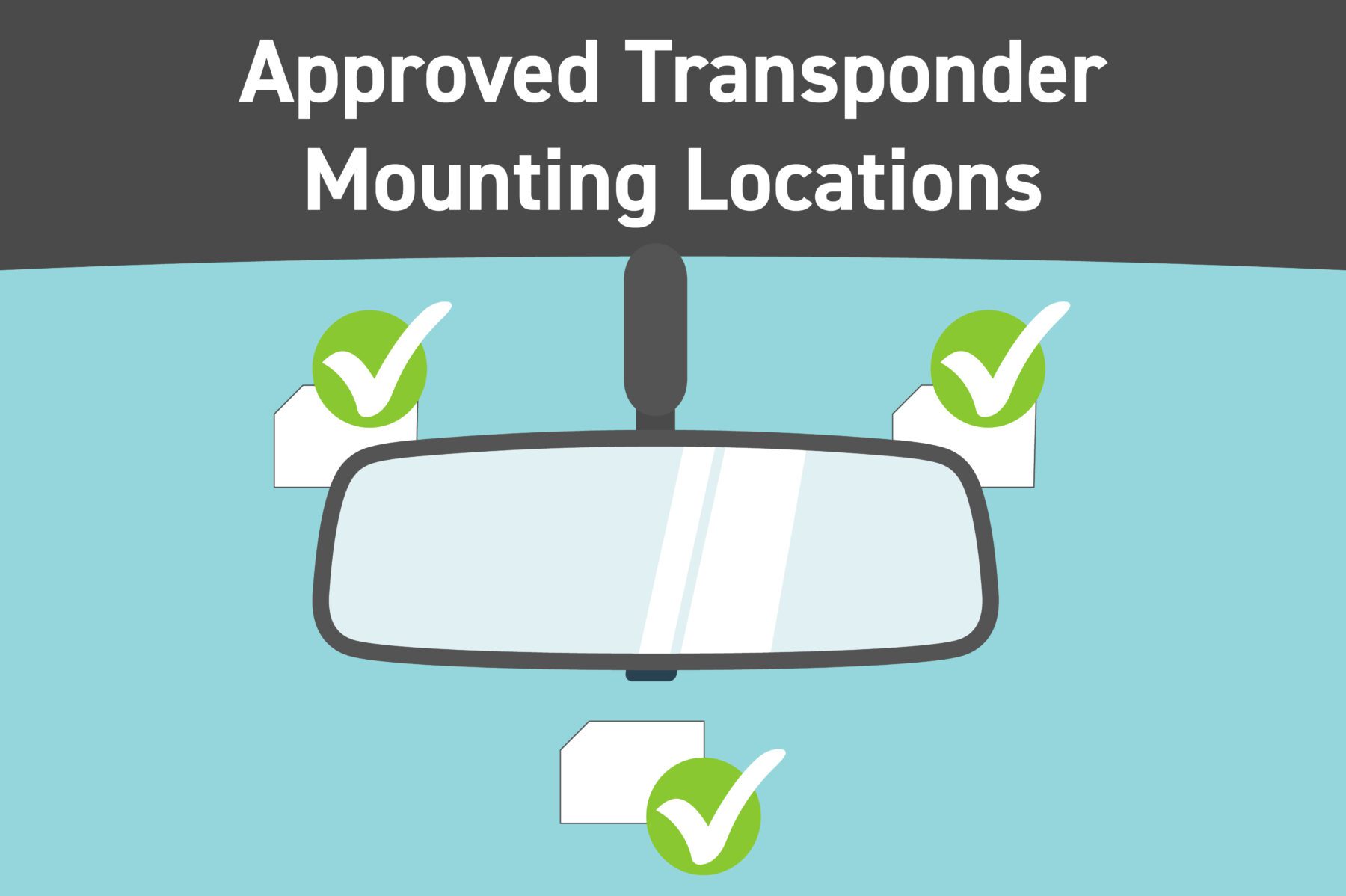
The generally recommended and most effective location for your SunPass Mini is on the upper center portion of your windshield, behind the rearview mirror. There are several compelling reasons for this specific placement:
- Reduced Metal Interference: Modern vehicles often have metallic elements embedded in their windshields, particularly around the edges and the area directly above the dashboard. These metallic components can interfere with the RFID signal. By placing the SunPass Mini in the upper center, you generally steer clear of these problematic areas. The area behind the rearview mirror is often designed to be a “dead zone” for these metallic elements, precisely to accommodate toll transponders and other electronic devices.
- Clear Signal Path: This central location typically provides the most direct and unobstructed path for the radio waves to communicate with the toll plaza antennas. The further you move the transponder towards the sides or bottom of the windshield, the more likely you are to encounter dashboard components, pillars, or even the car’s metal frame, which can impede the signal.
- Driver Visibility: Mounting the SunPass Mini behind the rearview mirror ensures it doesn’t obstruct your view of the road. This is a crucial safety consideration. The transponder is designed to be compact and relatively unobtrusive, and this placement maximizes its discretion without compromising safety.
- SunPass Corporation Recommendations: SunPass itself provides clear guidelines and often illustrates the ideal placement. Adhering to these official recommendations is always the best practice. Their guidance is based on extensive testing and understanding of how their transponders interact with various vehicle types and tolling infrastructure.
Avoiding Common Installation Pitfalls
While the upper center is the golden rule, it’s essential to be aware of what to avoid:
- The Sides and Corners: As mentioned, these areas are more prone to metal interference from windshield frames, A-pillars, and embedded antenna elements.
- Dashboard Placement: While some might consider placing it on the dashboard, this is generally not recommended for the SunPass Mini.
- Material Degradation: Over time, adhesives can degrade in the heat and sun exposure typical of a dashboard. This can cause the transponder to detach, potentially leading to damage or loss.
- Signal Obstruction: The dashboard itself, especially if it’s a darker or more textured material, can absorb or reflect radio waves, weakening the signal.
- Security Concerns: A transponder left openly on the dashboard is more visible to potential thieves and could be an easier target for tampering or theft.
- Tinted Windshields (Beyond the Tint Band): Many windshields have a factory-applied tint, often referred to as a “tint band” at the very top. While the SunPass Mini can often be placed within this tint band, avoid placing it on windshields that are heavily tinted or have aftermarket tint applied across the entire surface. Some tints contain metallic particles that can interfere with the RFID signal, similar to metal obstructions. If your windshield is heavily tinted, consult SunPass support or your vehicle manufacturer for guidance, or consider alternative mounting solutions if available.
Testing and Verification: Ensuring a Successful Installation
Once you’ve identified the optimal spot, it’s crucial to test the installation.
- Clean the Area: Before applying the adhesive, ensure the windshield area is clean and dry. This will ensure a strong and lasting bond.
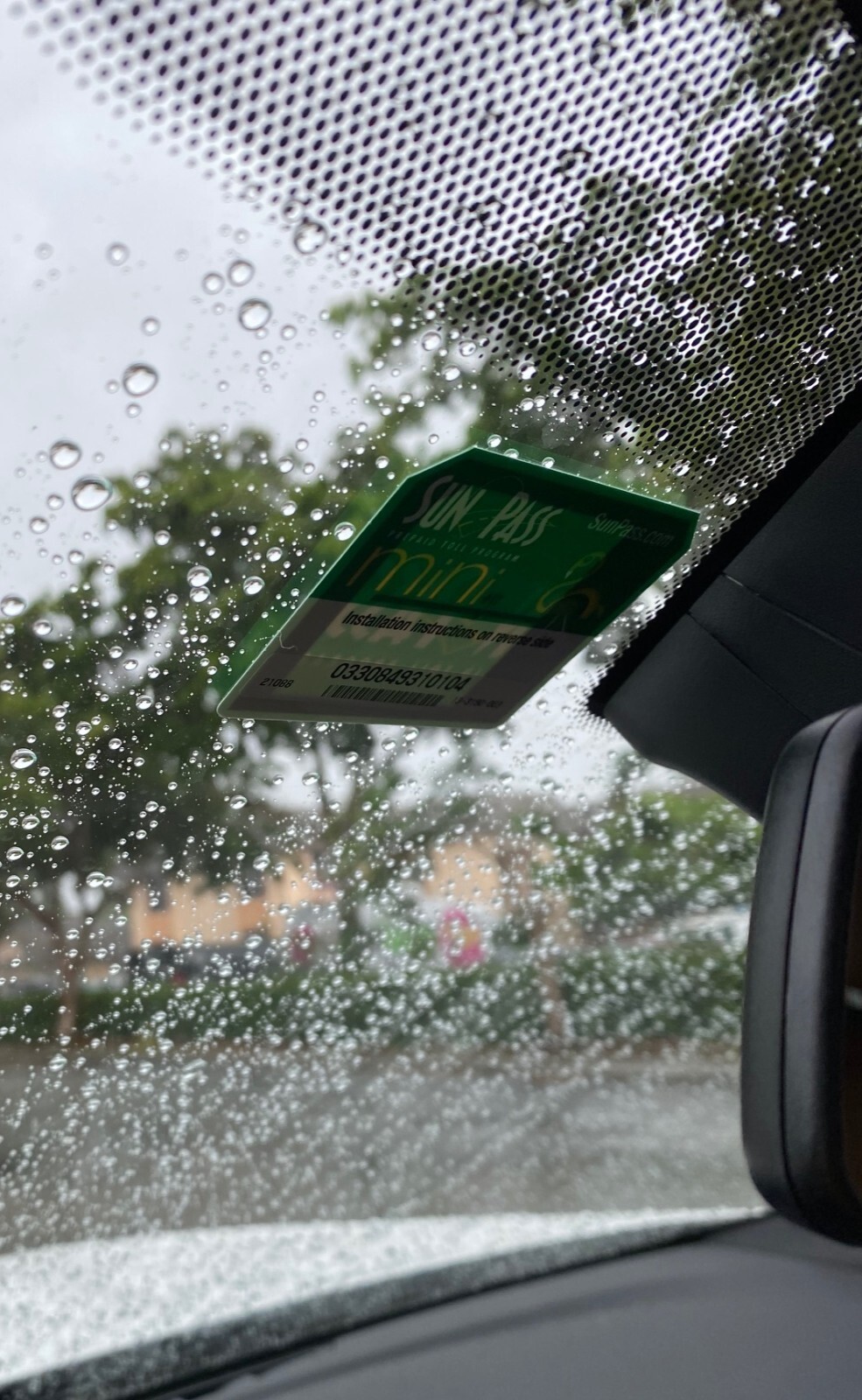
- Attach the Transponder: Carefully peel off the backing from the adhesive strip and firmly press the SunPass Mini into place. Hold it for a few seconds to ensure good adhesion.
- Initial Test Drive: The best way to confirm your installation is successful is to drive through a SunPass toll plaza. Pay attention to your toll account activity or any notifications from SunPass. A successful read will register the toll payment without any issues.
- Troubleshooting: If you experience a failed read (e.g., receiving a notice from SunPass, or seeing a toll violation notice), don’t panic. Your first step should be to re-evaluate the placement. Did you inadvertently place it too close to a metallic element? Is it obstructed by something? Sometimes, simply re-sticking the transponder in a slightly different position within the recommended area can resolve the issue. If problems persist, contact SunPass customer support for assistance. They can often diagnose issues remotely or provide further advice.
The SunPass Mini: A Brand Experience of Convenience and Efficiency
Beyond the technical aspects of installation, the placement of your SunPass Mini contributes significantly to the overall “brand experience” of using SunPass. This brand promise revolves around convenience, speed, and cost-effectiveness.
Enhancing the User Journey
A properly installed SunPass Mini seamlessly integrates into your driving routine. You drive through toll booths without interruption, arriving at your destination faster. This creates a positive and frictionless user journey, reinforcing the value proposition of the SunPass system. When the technology works flawlessly due to good installation, the user feels a sense of satisfaction and trust in the brand.
Conversely, a poorly installed transponder that leads to toll violations or failed reads creates frustration and undermines the brand’s promise. It can lead to a perception of the system being unreliable, even if the issue is solely with installation. This highlights the interconnectedness of technology and brand perception.
Financial Implications of Optimal Placement
While the SunPass Mini itself is a financial tool, its correct installation also has subtle financial implications.
- Avoiding Late Fees and Violations: The most direct financial benefit of proper installation is the avoidance of missed toll charges, which can accrue late fees and administrative costs. A well-placed transponder ensures every toll is captured correctly, keeping your account in good standing.
- Maximizing Time Efficiency: While not a direct monetary gain, the time saved by not having to deal with toll violations, customer service calls about incorrect charges, or manually paying tolls translates into valuable personal or business time that can be redirected towards more productive or profitable activities. In a business context, time is money, and minimizing administrative headaches related to toll payments is a small but significant part of optimizing operational efficiency.
- Maintaining Account Health: For frequent travelers or businesses with multiple vehicles, ensuring all transponders are functioning correctly is crucial for maintaining a healthy and well-managed toll account. This contributes to a smoother financial oversight and avoids the administrative burden of tracking down discrepancies.
In essence, treating the installation of your SunPass Mini as a vital step in its operation – akin to setting up a financial tool correctly – ensures you reap the full rewards of its intended purpose: a fast, efficient, and worry-free toll payment experience.
Conclusion: A Small Installation for a Big Impact
The SunPass Mini is more than just a sticker; it’s a technological enabler designed to simplify your journey. While its operation relies on advanced RFID technology, its real-world effectiveness is deeply rooted in a simple act: strategic placement. By understanding the principles of radio wave communication, the construction of your vehicle’s windshield, and adhering to SunPass’s recommendations, you can ensure your SunPass Mini functions optimally.
Choosing the upper center of your windshield, behind the rearview mirror, is not an arbitrary suggestion; it’s a scientifically supported location that minimizes interference, maximizes read reliability, and prioritizes your safety. Avoiding common pitfalls like metallic obstructions, dashboard placement, and heavily tinted areas will prevent frustrating issues and unnecessary costs.
Ultimately, the correct installation of your SunPass Mini transforms it from a gadget into a seamless part of your driving experience, reinforcing the SunPass brand’s promise of convenience and efficiency. It’s a small installation that has a surprisingly significant impact on your daily commute, your travel plans, and your overall peace of mind on Florida’s roadways. Treat this crucial first step with care, and enjoy the effortless toll payments that await you.
aViewFromTheCave is a participant in the Amazon Services LLC Associates Program, an affiliate advertising program designed to provide a means for sites to earn advertising fees by advertising and linking to Amazon.com. Amazon, the Amazon logo, AmazonSupply, and the AmazonSupply logo are trademarks of Amazon.com, Inc. or its affiliates. As an Amazon Associate we earn affiliate commissions from qualifying purchases.