
Navigating the landscape of tax season is a cornerstone of responsible personal finance management. For many individuals, the question of “where to file my taxes” is not merely about finding a website to input data; it is a strategic decision that impacts financial liquidity, long-term savings, and data security. Whether you are a salaried employee with a simple return or a freelancer with a complex portfolio of side hustles, the platform or professional you choose can dictate the accuracy of your deductions and the speed of your refund.

In the modern financial ecosystem, the options for tax filing have expanded beyond simple paper forms to include sophisticated AI-driven software, government-led direct portals, and high-level professional advisory services. Choosing the right path requires an understanding of your own financial complexity and the cost-benefit ratio of each available tool.
1. Leveraging No-Cost Filing Options for Maximum Financial Efficiency
For the budget-conscious individual, minimizing the cost of tax preparation is the first step toward optimizing an annual financial plan. Every dollar spent on filing fees is a dollar removed from your net return. Fortunately, the IRS and several non-profit organizations offer robust tools designed to assist taxpayers without the premium price tag of commercial software.
The IRS Free File Program
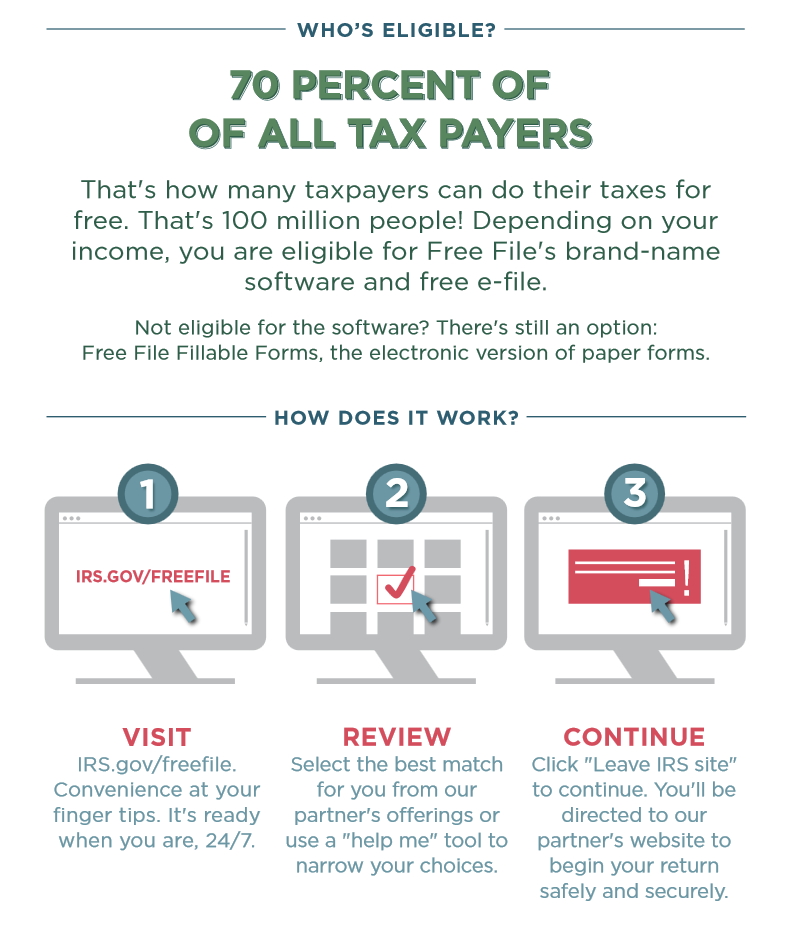
The IRS Free File program is a public-private partnership between the Internal Revenue Service and many of the industry’s leading tax software providers. This program is specifically designed for taxpayers whose Adjusted Gross Income (AGI) falls below a certain threshold—typically around $79,000. By accessing these commercial products through the official IRS website, eligible users can file their federal returns for free, often including state returns as well. This is a critical tool for those looking to keep their personal finance overhead low while still benefiting from the guided interview format of professional-grade software.
The IRS Direct File Pilot
A relatively new development in the financial landscape is the IRS Direct File system. This is a government-run, interview-based filing tool that allows eligible taxpayers to file their taxes directly with the IRS for free. Unlike third-party software, Direct File is a direct communication line to the treasury, reducing the “middleman” aspect of tax season. While currently in a pilot phase and limited to certain states and specific types of income, it represents a significant shift toward digital financial sovereignty for the average citizen.
VITA and TCE Programs
For those who prefer a human touch but lack the budget for a private CPA, the Volunteer Income Tax Assistance (VITA) and Tax Counseling for the Elderly (TCE) programs are invaluable. These programs offer free basic tax return preparation to individuals who generally make $64,000 or less, persons with disabilities, and limited English-speaking taxpayers. Utilizing these services ensures that your taxes are filed by IRS-certified volunteers, providing a level of professional oversight that software alone cannot always replicate.
2. Commercial Tax Software: Balancing Convenience and Cost
When a taxpayer’s financial situation moves beyond simple W-2 income, they often turn to commercial tax software. These platforms are designed to bridge the gap between “DIY” filing and hiring a high-priced professional. They are particularly useful for those managing diverse income streams, such as stock market investments, cryptocurrency trades, or small business expenses.
Evaluating the “Big Three” Platforms
Market leaders like TurboTax, H&R Block, and TaxSlayer dominate the commercial space. These platforms excel in user experience, using intuitive interfaces to guide users through complex financial questions. From a personal finance perspective, the value proposition here is the “Maximum Refund Guarantee.” These tools are programmed to search for every possible credit and deduction—such as the Earned Income Tax Credit (EITC) or the Child Tax Credit—which can significantly increase your year-end bottom line. However, users must be wary of “up-selling,” where features like self-employment forms or investment tracking require moving to a more expensive tier of the software.
The Rise of Fintech-Driven Filing Tools
A new generation of financial technology companies has entered the tax space, often offering free or low-cost filing as a “loss leader” to bring users into their broader financial ecosystems. Platforms like Cash App Taxes (formerly Credit Karma Tax) offer 100% free federal and state filing regardless of income complexity. For a savvy investor or a young professional, using these fintech tools is a brilliant way to handle complex filings—including those with capital gains or rental income—without the $100+ price tag associated with legacy software.
Integrating Accounting Software for Business Owners
For those who run side hustles or small businesses, the “where” of filing often begins with their accounting software. Tools like QuickBooks or Xero allow for a seamless export of financial data into tax filing platforms. This integration reduces the margin for error and ensures that business expenses are categorized correctly throughout the year, rather than scrambled for in April. Efficient data migration between your financial tools is a hallmark of sophisticated business finance management.
3. Professional Tax Preparation: When to Invest in an Expert
There is a point in every growing financial journey where software may no longer be the most cost-effective solution. While a CPA (Certified Public Accountant) or an Enrolled Agent (EA) requires an upfront investment, their ability to provide strategic tax planning can save you thousands of dollars in the long run.
Complexity vs. Simplicity
If your financial life involves K-1s from partnerships, multiple rental properties, international assets, or complex estate planning, a professional is non-negotiable. Software is reactive—it asks questions based on what happened in the past. A tax professional is proactive. They look at your overall personal finance picture and suggest structural changes—such as moving from a sole proprietorship to an S-Corp—that can drastically reduce your future tax liability.
Audit Protection and Representation
One of the most significant financial risks during tax season is the potential for an IRS audit. While many software packages offer “audit support,” it often pales in comparison to having an Enrolled Agent or CPA who can represent you directly before the IRS. From a risk management perspective, the fee paid to a professional provides a form of “financial insurance,” ensuring that your filings are defensible and that you have expert backing in the event of a dispute.
Year-Round Financial Strategy
Unlike a website that you visit once a year, a professional tax advisor serves as a year-round partner in your wealth-building journey. They can assist with estimated tax payments, retirement contribution strategies (such as Backdoor Roth IRAs), and tax-loss harvesting in your investment accounts. For high-net-worth individuals, the question isn’t just “where to file,” but “who will help me manage my total tax burden.”
4. Security and Data Integrity in the Digital Filing Age
In the realm of personal finance, your Social Security number and financial statements are your most sensitive assets. Choosing where to file your taxes also means choosing who you trust with your entire financial identity. Security must be a primary filter when selecting a filing method.
Protecting Your Financial Identity
Identity theft and tax refund fraud are multi-billion dollar problems. When selecting a platform, ensure it utilizes multi-factor authentication (MFA) and high-level encryption. Government portals like the IRS and reputable commercial providers have rigorous security protocols, but users must remain vigilant against phishing schemes—emails or texts that mimic tax platforms to steal login credentials.
Data Portability and Record Keeping
A key aspect of financial health is maintaining a clean paper trail. The best places to file your taxes are those that allow you to easily download and store your returns in PDF format. Whether you are applying for a mortgage or defending a financial audit, having instant access to the last seven years of returns is essential. Avoid platforms that “lock” your past data behind a paywall; your tax history is a vital part of your personal financial record and should always remain under your control.
Conclusion: Making the Right Choice for Your Financial Future
Deciding where to file your taxes is a decision that should be revisited every year as your financial situation evolves. If you are starting out or have a straightforward income, the IRS Free File or fintech tools offer the best path to preserving your capital. As your wealth grows and your investments diversify, transitioning to premium software or a professional CPA becomes a strategic investment in your financial clarity and compliance.
Ultimately, the goal of tax filing is to fulfill your civic obligation while ensuring that your personal finance strategy remains intact. By evaluating the tools available—from government pilots to expert advisors—you can turn tax season from a period of stress into a streamlined component of your broader financial success. Choose the platform that aligns with your complexity, protects your data, and maximizes your ability to build and retain wealth.
aViewFromTheCave is a participant in the Amazon Services LLC Associates Program, an affiliate advertising program designed to provide a means for sites to earn advertising fees by advertising and linking to Amazon.com. Amazon, the Amazon logo, AmazonSupply, and the AmazonSupply logo are trademarks of Amazon.com, Inc. or its affiliates. As an Amazon Associate we earn affiliate commissions from qualifying purchases.