
Tesla, Inc. has transcended its origins as a niche electric vehicle manufacturer to become a global phenomenon, a titan of innovation, and a powerful force in both the automotive and energy sectors. The question, “where to buy Tesla,” thus carries a multifaceted meaning, extending far beyond the simple acquisition of a car. It encompasses purchasing a groundbreaking vehicle, investing in a high-growth technology stock, and even integrating sustainable energy solutions into one’s home. From a financial perspective, understanding the various avenues and implications of engaging with Tesla is crucial for both consumers and investors. This guide delves exclusively into the monetary dimensions of acquiring Tesla products or becoming a stakeholder in the company, providing a professional, insightful, and engaging exploration of the financial pathways available.
Acquiring a Tesla Vehicle: The Direct Purchase Experience
For many, the most direct interpretation of “where to buy Tesla” refers to acquiring one of its highly coveted electric vehicles. Unlike traditional automotive manufacturers, Tesla has pioneered a unique direct-to-consumer sales model that bypasses conventional dealerships, profoundly impacting the purchase process and financial considerations.
The Online-First Sales Model
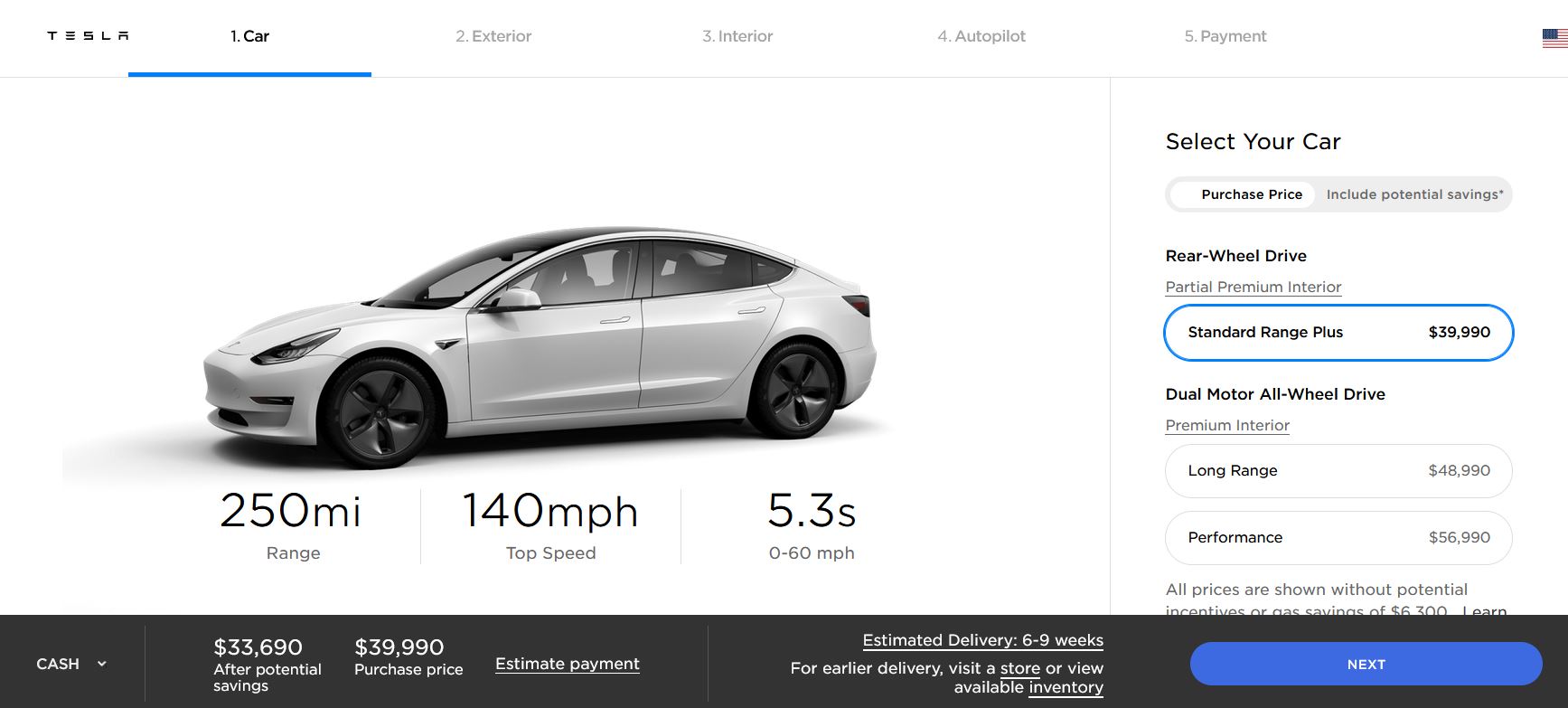
Tesla’s primary sales channel is its official website. This digital-first approach offers a streamlined, transparent, and often faster purchasing experience compared to traditional car buying. Prospective buyers can configure their desired model, select options, review pricing (including potential incentives), and place an order entirely online. This model standardizes pricing, eliminating the haggling often associated with dealerships and providing a clear, upfront cost. From a financial perspective, this transparency can be a significant advantage, allowing buyers to budget effectively without hidden fees or pressure tactics. The deposit required to place an order is typically non-refundable, representing an initial financial commitment to the purchase. The remaining balance is due upon delivery, which can be facilitated through various financing options discussed subsequently.
Exploring Tesla Showrooms and Service Centers
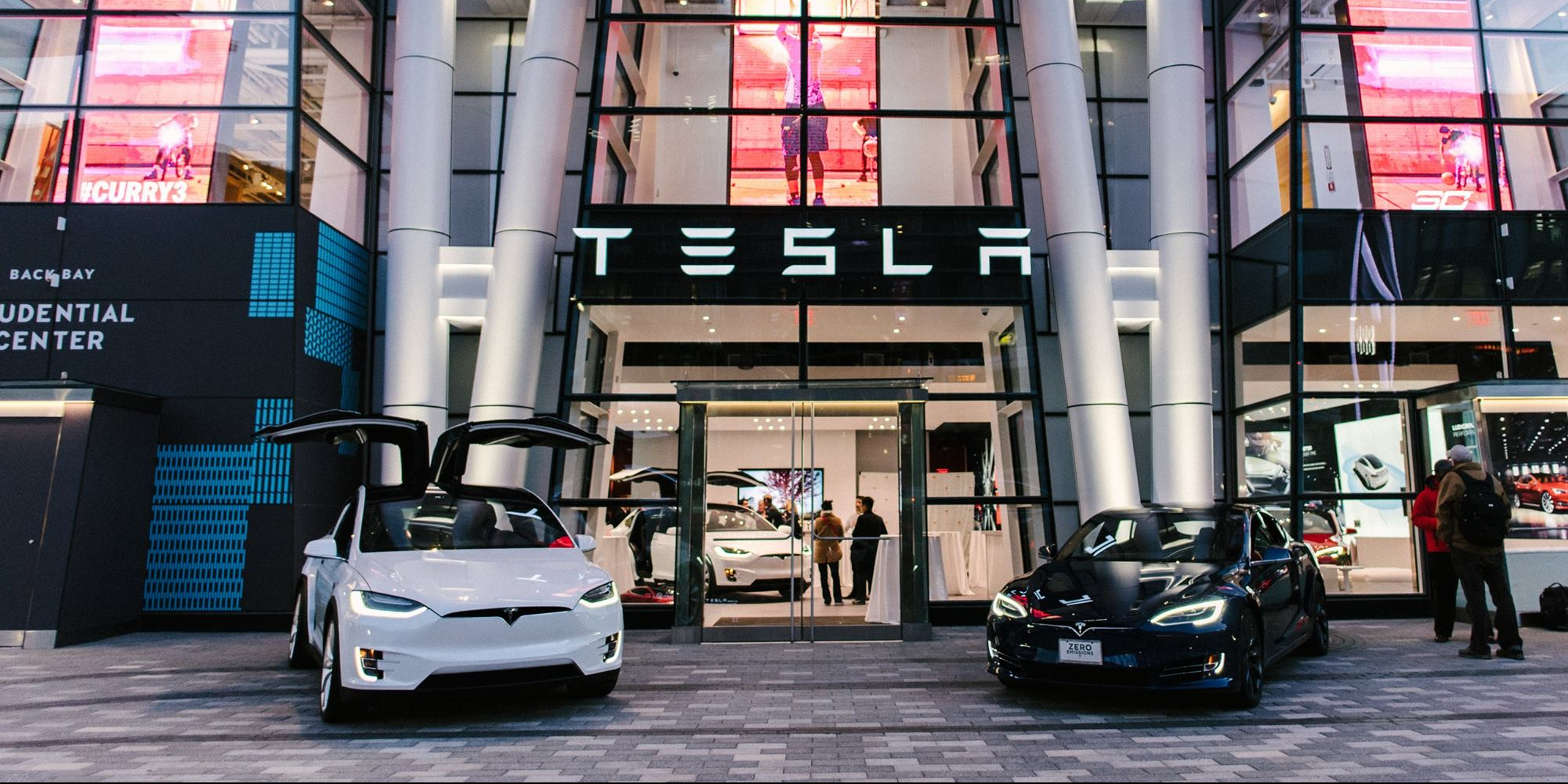
While the online platform is central, Tesla also operates a network of physical showrooms and service centers. These locations serve a dual purpose: they offer an opportunity for potential buyers to experience Tesla vehicles firsthand, conduct test drives, and speak with product specialists. Crucially, however, these locations generally do not function as traditional sales dealerships where inventory is negotiated and purchased on the spot. Instead, they often act as experience centers that funnel customers back to the online ordering system. From a financial standpoint, visiting a showroom can help solidify a purchasing decision by providing tangible experience, which is invaluable for a high-value asset like a vehicle. While not directly a “buying” point in the traditional sense, these centers are an integral part of the pre-purchase financial due diligence process, ensuring the buyer is confident in their significant investment.
The Certified Pre-Owned (CPO) Market
For those looking to enter the Tesla ownership ecosystem at a potentially lower entry point, the Certified Pre-Owned (CPO) market offers a compelling financial alternative. Tesla itself operates a CPO program, selling used vehicles that have undergone a rigorous inspection process and often come with a limited warranty. Buying a CPO Tesla can significantly reduce the initial purchase price while still providing a level of assurance regarding the vehicle’s condition and longevity. This avenue is particularly attractive for budget-conscious buyers or those who prefer to avoid the initial depreciation hit of a new car. Financial benefits include a lower purchase price, potentially lower insurance premiums, and the possibility of securing more favorable financing terms due to the reduced principal. Third-party used car marketplaces and private sellers also offer used Teslas, but these options typically come with less assurance and require more diligent financial and mechanical scrutiny from the buyer.
Navigating the Financial Landscape of Tesla Ownership
Beyond the initial purchase, owning a Tesla involves a unique set of financial considerations that differentiate it from traditional internal combustion engine (ICE) vehicles. Understanding these long-term financial implications is crucial for making an informed investment decision in a Tesla vehicle.
Understanding Purchase Costs and Value Proposition
The sticker price of a Tesla vehicle is only one component of its overall cost. Prospective buyers must factor in various costs, including registration fees, sales tax, and delivery charges. However, the value proposition of a Tesla extends beyond its price tag. Owners often benefit from lower “fuel” costs due to cheaper electricity compared to gasoline, reduced maintenance requirements (fewer moving parts, no oil changes), and often superior resale value. The financial calculation involves weighing the higher upfront cost against these long-term savings and advantages. For instance, while electricity costs vary, many Tesla owners see substantial savings over years of ownership, especially those with access to home charging and off-peak utility rates. The inclusion of advanced software features and over-the-air updates also contributes to maintaining the vehicle’s value and functionality over time, a unique financial advantage in the automotive world.
Financing Options: Loans, Leases, and Incentives
Securing the right financing is a critical step in buying a Tesla. Buyers typically have two primary options:
- Auto Loans: Traditional auto loans are available from banks, credit unions, and Tesla’s preferred lending partners. The terms (interest rate, repayment period) will depend on the buyer’s creditworthiness and market conditions. Longer loan terms can reduce monthly payments but increase total interest paid.
- Leasing: Leasing a Tesla allows for lower monthly payments compared to a loan, as you are essentially paying for the vehicle’s depreciation during the lease term. This option is financially appealing for those who prefer to drive a new car every few years, desire lower upfront costs, and are comfortable with mileage restrictions and not owning the asset at the end of the term.
Furthermore, governmental incentives can significantly reduce the effective purchase price. Many countries, states, and local municipalities offer tax credits, rebates, or other financial benefits for purchasing electric vehicles. These incentives are subject to change, often have income or vehicle price limitations, and require careful research to ensure eligibility. From a financial planning perspective, maximizing these incentives can translate into thousands of dollars in savings, making a Tesla a more financially viable option.
Long-Term Financial Considerations: Running Costs and Resale Value
The long-term financial picture of Tesla ownership is often more favorable than many traditional vehicles. Running costs are generally lower due to electricity being cheaper than gasoline, especially when charging at home during off-peak hours. Maintenance is also significantly reduced; Teslas require no oil changes, spark plug replacements, or extensive engine tune-ups. Brake wear is often less due to regenerative braking. However, tires, insurance, and potential battery degradation over very long periods remain costs to consider.

Tesla vehicles have also historically demonstrated strong resale value, often outperforming many luxury ICE cars. This is attributed to high demand, continuous software updates that keep older models feeling modern, and the longevity of electric powertrains. A robust resale value means that the total cost of ownership (TCO) over several years can be surprisingly competitive, even against vehicles with lower initial prices. Understanding these long-term financial dynamics is essential for a holistic view of the “where to buy Tesla” question from a consumer standpoint.
Investing in Tesla Stock: A Deep Dive into TSLA
Beyond purchasing a vehicle, “where to buy Tesla” also refers to acquiring a stake in the company itself by purchasing its publicly traded shares (ticker: TSLA). Investing in Tesla stock is a different financial proposition altogether, driven by market dynamics, company performance, and future growth potential.
Why Invest in Tesla? Growth, Innovation, and Market Position
Tesla’s appeal as an investment lies in several key areas. Firstly, its innovative prowess in electric vehicles, battery technology, and autonomous driving positions it as a leader in a rapidly evolving industry. Investors are betting on its continued ability to disrupt traditional sectors and introduce groundbreaking products. Secondly, its growth trajectory has been phenomenal, with increasing production volumes, expanding market share globally, and diversification into energy storage and solar solutions. This diversification mitigates risk and opens new revenue streams. Thirdly, Tesla holds a strong brand identity and market position, benefiting from high consumer demand and a cult-like following that translates into pricing power and customer loyalty. For investors, these factors represent potential for capital appreciation, although they also come with inherent market volatility.
How to Buy Tesla Stock: Brokerage Accounts and Investment Strategies
To buy Tesla stock, individuals need a brokerage account. This can be opened with traditional full-service brokers or, more commonly for individual investors, with online discount brokers. The process typically involves funding the account, searching for TSLA, and placing an order (market order, limit order, etc.).
Investment strategies vary widely:
- Long-Term Investing: Many investors buy TSLA with a long-term horizon, believing in the company’s future growth and market dominance. This approach often involves dollar-cost averaging to mitigate short-term market fluctuations.
- Short-Term Trading: Other investors engage in short-term trading, attempting to profit from Tesla’s notorious stock volatility. This strategy is higher risk and requires more active market monitoring.
- Diversification: For most individuals, investing in a single stock like Tesla should be part of a broader, diversified portfolio to manage risk. This might involve allocating a small percentage to high-growth individual stocks while the majority is in broader market index funds or ETFs.
Understanding the fees associated with brokerage accounts (commissions, maintenance fees) and the tax implications of capital gains or losses is crucial for maximizing investment returns.
Analyzing Tesla’s Financial Performance and Future Outlook
Successful investing in Tesla requires a deep understanding of its financial performance, not just its product appeal. Investors scrutinize financial reports (quarterly and annual earnings), looking at metrics such as revenue growth, profit margins, free cash flow, and debt levels. Key areas of financial analysis include:
- Production and Delivery Numbers: These provide insight into the company’s operational efficiency and market demand.
- Gross Margins: Especially in its automotive segment, these indicate profitability from vehicle sales.
- Energy Generation & Storage Segment: Growth in this area signals successful diversification.
- Research and Development (R&D) Spending: An indicator of continued innovation.
The future outlook for Tesla is subject to market competition, regulatory changes, and broader economic conditions. While bulls point to continued innovation, expanding Supercharger networks, and the potential of autonomous driving and robotaxis, bears highlight valuation concerns, manufacturing challenges, and increased competition from legacy automakers and new EV startups. A balanced financial perspective requires acknowledging both the significant upside potential and the inherent risks and volatilities associated with investing in a growth-oriented, technologically advanced company like Tesla.
Beyond Direct Acquisition: Exploring Other Financial Avenues
The financial engagement with Tesla extends beyond merely buying a car or stock. The company’s expansive ecosystem presents other financial opportunities and considerations for individuals and businesses.
Tesla Energy Products: Home Solutions and Their Financial Impact
Tesla is not just an automotive company; it’s a significant player in the renewable energy sector. Products like the Powerwall (home battery storage), Solar Roof, and traditional solar panels allow homeowners to generate, store, and manage their own electricity. From a financial perspective, investing in Tesla Energy products can lead to substantial long-term savings on electricity bills, increased energy independence, and potentially a higher home resale value. The initial investment can be significant, but often qualifies for federal, state, and local tax incentives or rebates, similar to EV purchases. Furthermore, the Powerwall offers financial resilience during power outages and can potentially enable participation in virtual power plant programs, where homeowners sell excess stored energy back to the grid for financial compensation. This represents a direct financial return on an energy infrastructure investment.
The Ecosystem Play: Related Investments and Opportunities
For investors looking for indirect exposure to Tesla’s success or the broader EV and renewable energy markets, there are several “ecosystem” plays:
- ETFs and Mutual Funds: Many exchange-traded funds (ETFs) and mutual funds focus on clean energy, electric vehicles, or disruptive technology, often including TSLA as a significant holding. These funds offer diversification and professional management, appealing to investors who want exposure without the volatility of a single stock.
- Supplier and Partner Companies: Investing in companies that supply components, raw materials (e.g., lithium producers), or provide services to Tesla or the broader EV industry can be a way to participate in the growth indirectly.
- Charging Infrastructure Companies: As EV adoption grows, so does the demand for charging solutions. Companies developing and operating charging networks represent another tangential investment opportunity.
These options broaden the scope of “where to buy Tesla” from a financial standpoint, allowing individuals to align their investment strategies with the larger trends driven by Tesla’s innovations, even if they don’t directly buy TSLA stock or a Tesla vehicle.
In conclusion, “where to buy Tesla” is a question rich with financial implications, guiding individuals through choices ranging from personal vehicle acquisition to strategic investment in one of the world’s most influential companies. Whether contemplating the upfront costs and long-term savings of a Tesla vehicle, dissecting the financial performance and future prospects of TSLA stock, or exploring the benefits of its energy solutions, each pathway demands a thorough understanding of the monetary landscape. Through careful planning, research, and an awareness of market dynamics, both consumers and investors can make informed decisions to financially engage with the Tesla phenomenon.
aViewFromTheCave is a participant in the Amazon Services LLC Associates Program, an affiliate advertising program designed to provide a means for sites to earn advertising fees by advertising and linking to Amazon.com. Amazon, the Amazon logo, AmazonSupply, and the AmazonSupply logo are trademarks of Amazon.com, Inc. or its affiliates. As an Amazon Associate we earn affiliate commissions from qualifying purchases.