
The aspiration of travel, whether for leisure or business, invariably begins with a fundamental question: “Where to buy flight tickets?” In an age dominated by digital innovation, the answer has evolved far beyond the traditional travel agent. Today, the process is intricately woven into a complex web of technological platforms, sophisticated algorithms, and user-centric applications. Understanding this digital ecosystem is not just about finding the cheapest fare; it’s about leveraging the right tools, securing your personal data, and optimizing your entire booking experience through the power of technology.
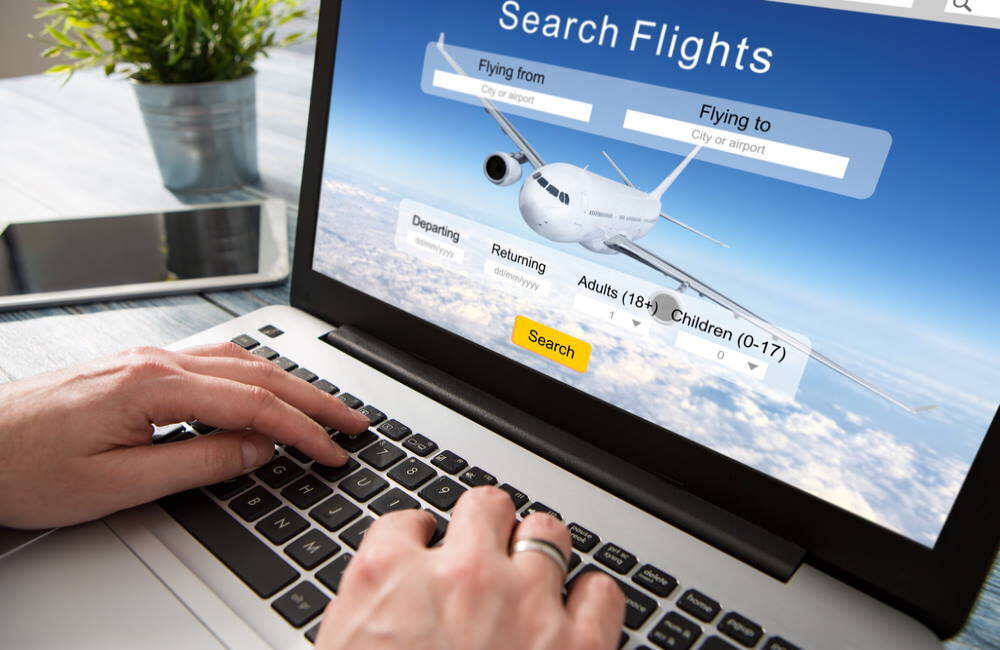
This article delves into the technological underpinnings of modern flight purchasing, guiding you through the diverse array of digital avenues available. From the comprehensive reach of online travel agencies to the precise analytics of metasearch engines and the direct simplicity of airline applications, we’ll explore how technology empowers travelers to make informed, efficient, and secure decisions in their quest for the perfect flight.
The Digital Ecosystem of Flight Bookings: Understanding Your Options
The landscape of flight ticket purchasing is segmented into several key technological categories, each offering distinct advantages and user experiences. Navigating this ecosystem effectively requires an appreciation for the specific functionalities and technological approaches of each platform.
Online Travel Agencies (OTAs): Your Digital Travel Superstores
Online Travel Agencies like Expedia, Booking.com, Priceline, and Travelocity revolutionized the travel industry by consolidating vast amounts of travel data into a single, accessible platform. At their core, OTAs are sophisticated aggregation engines that pull inventory and pricing directly from hundreds of airlines, hotels, and car rental companies. Their technological infrastructure is designed to provide a “one-stop shop” experience, allowing users to search, compare, and book not just flights, but often entire travel packages (flight + hotel, flight + car) within a single transaction.
The underlying technology of OTAs often includes complex algorithms that power dynamic pricing models, bundle deals, and personalized recommendations based on user browsing history and demographic data. Their user interfaces are typically highly polished, featuring intuitive search filters for layovers, departure times, airlines, and amenities. Mobile applications provided by OTAs further enhance convenience, offering features like real-time flight status updates, mobile check-in reminders, and easy access to itineraries offline. While the convenience of booking everything in one place is a major draw, it’s worth noting that dealing with an intermediary can sometimes introduce complexities if flight changes or cancellations are required, as customer support pathways might be less direct than contacting the airline itself.
Metasearch Engines: The Comparison Technology Powerhouses
Metasearch engines such as Skyscanner, Kayak, Google Flights, and Momondo represent a crucial technological advancement in the flight booking journey. Unlike OTAs, these platforms do not sell tickets directly. Instead, their primary function is to act as advanced comparison tools. They scour the internet, pulling data from both OTAs and direct airline websites, to present users with a comprehensive overview of available flights and prices across multiple vendors.
The technological prowess of metasearch engines lies in their robust data aggregation algorithms and their ability to process and display an immense amount of real-time pricing information. Key features include flexible date searches (e.g., “cheapest month to fly”), price prediction tools powered by machine learning that analyze historical data to advise on whether to “buy now” or “wait,” and highly granular filtering options. For instance, Google Flights’ interactive map allows users to explore destinations based on their budget, while Skyscanner’s “Everywhere” search caters to spontaneous travelers. These platforms redirect users to the actual booking source (either an OTA or an airline’s website) once a preferred flight is selected, ensuring that the final transaction occurs with the primary vendor. This direct redirection often means users benefit from the most up-to-date pricing and can often secure the absolute lowest base fares by bypassing potential OTA markups.
Direct Airline Websites & Apps: The Source of Truth
Booking directly through an airline’s official website (e.g., Delta.com, Lufthansa.com, Southwest.com) or their dedicated mobile app represents the most direct interaction with the service provider. The technology behind airline websites and apps focuses on providing a streamlined booking experience for their specific routes, integrating seamlessly with their loyalty programs, and offering proprietary features.
These platforms are built with proprietary booking engines designed for optimal performance with their inventory. For frequent flyers, direct booking is often preferred due to the immediate recognition of loyalty status, easy application of frequent flyer miles, and access to exclusive member-only fares or upgrades. Airlines also invest heavily in their app functionalities, offering features like mobile boarding passes, real-time gate change notifications, in-flight entertainment access, and direct chat support. Furthermore, in instances of flight disruptions, directly booked passengers often find it easier to communicate with the airline for rebooking or compensation, as there’s no intermediary involved. While these platforms naturally limit searches to a single airline’s offerings, they are indispensable for brand loyalists and those seeking direct customer service and full access to all available fare classes and ancillary services.
Leveraging Advanced Tech for Smarter Flight Purchases
Beyond the core booking platforms, a suite of advanced technological tools exists to empower travelers with greater insight, efficiency, and savings. These tools harness data analytics, AI, and mobile capabilities to elevate the flight purchasing process.
Price Tracking and Alert Systems: AI-Powered Bargain Hunting
The volatile nature of flight pricing makes timely purchasing a significant challenge. This is where AI-powered price tracking and alert systems come into play. Platforms like Google Flights, Hopper, and Skyscanner integrate sophisticated machine learning algorithms that analyze vast datasets of historical flight prices, demand patterns, and current market trends. These systems can predict with remarkable accuracy whether a specific flight’s price is likely to rise or fall in the coming days or weeks.
Users can set up personalized price alerts for specific routes and dates, receiving immediate notifications when prices drop to a desired threshold. Hopper’s “buy or wait” recommendation engine, for instance, goes a step further by advising users whether they should book now or hold off, backed by a predictive confidence score. This technology automates the tedious process of manually monitoring fares, providing peace of mind and significantly increasing the chances of securing a good deal without constant vigilance.
Mobile Applications: Booking on the Go
The ubiquitous smartphone has transformed how we interact with nearly every service, and flight booking is no exception. Dedicated mobile applications from OTAs, airlines, and metasearch engines are optimized for touch interfaces and offer a suite of features unavailable on desktop versions. Beyond streamlined booking flows, these apps provide critical pre- and post-booking functionalities.
Features often include push notifications for price changes, personalized offers, check-in reminders, gate assignments, and baggage claim information. Many airline apps integrate digital boarding passes, allowing travelers to bypass physical kiosks entirely. Furthermore, the integration with mobile payment solutions like Apple Pay and Google Pay simplifies the transaction process, enhancing security through biometric authentication. The convenience of managing an entire travel itinerary from your pocket, including real-time updates and customer support chats, makes mobile applications an indispensable tool for the modern traveler.
Browser Extensions and VPNs: Unlocking Hidden Deals

A lesser-known but increasingly popular area of technological exploration for flight buyers involves browser extensions and Virtual Private Networks (VPNs). Tools like certain specialized browser extensions can automatically apply coupon codes at checkout or scour for alternative, sometimes cheaper, multi-leg itineraries (though some of these methods, like “skiplagging,” can be controversial with airlines).
VPNs, on the other hand, allow users to mask their actual geographic location by routing their internet connection through servers in different countries. The theory, sometimes proven in practice, is that airlines and OTAs may display different prices based on the user’s perceived location due to localized pricing strategies or currency conversions. While the effectiveness can vary, and ethical considerations exist regarding potential terms of service violations, the underlying technology of IP masking and regional server routing offers an intriguing avenue for price discovery. Users experimenting with VPNs are tapping into the globalized yet geographically segmented nature of online commerce to potentially uncover more favorable pricing.
The Technicalities of Transaction: Ensuring Secure and Smooth Bookings
Booking a flight involves sensitive personal and financial information. Therefore, understanding the technological measures in place to secure these transactions and manage your digital itinerary post-purchase is paramount.
Payment Gateways and Security Protocols
The moment you click “buy,” a complex series of technological operations kicks in to ensure your payment is processed securely. All reputable flight booking platforms utilize robust security protocols such as SSL/TLS encryption (indicated by “HTTPS” in the URL and a padlock icon), which encrypts data transmitted between your browser and the website’s server. This prevents unauthorized access to your credit card details and personal information.
Furthermore, payment processing is handled by specialized payment gateways (e.g., Stripe, Adyen, PayPal), which adhere to strict industry standards like PCI DSS (Payment Card Industry Data Security Standard). These systems are designed to minimize the risk of fraud and data breaches. Many platforms also offer multi-factor authentication (MFA) for account logins, adding an extra layer of security by requiring a secondary verification method beyond just a password. Understanding these behind-the-scenes technologies can give travelers confidence in the security of their online purchases.
Data Privacy and Personalization in Flight Booking
The digital journey of buying flight tickets is highly personalized, driven by algorithms that learn from your search history, preferences, and even your IP address. While this personalization can be convenient, offering tailored recommendations and potentially relevant deals, it also raises important data privacy considerations. Booking platforms utilize cookies and other tracking technologies to build profiles, influencing the dynamic pricing you see.
Travelers should be aware of these practices and consider managing their cookie settings, using incognito modes, or reviewing privacy policies. Reputable platforms are transparent about their data handling, adhering to regulations like GDPR or CCPA. Striking a balance between leveraging personalization for convenience and safeguarding personal information is a key aspect of technologically informed flight booking.
Digital Itineraries and Post-Booking Management Tools
Once a flight is booked, technology continues to play a vital role in managing your trip. Digital itineraries are immediately sent via email, containing e-tickets, booking references, and detailed flight information. Most booking platforms and airline apps offer dedicated sections for managing reservations, allowing users to select seats, add baggage, purchase in-flight amenities, or even change flights directly through their interface.
These digital tools streamline the pre-flight process, reducing the need for paper documents and providing real-time access to crucial information. Many also integrate with calendar applications, automatically adding flight segments to your schedule. Automated notifications for check-in availability, flight delays, or gate changes ensure travelers are always informed, reducing stress and enhancing the overall travel experience through continuous technological support.
Future Trends in Flight Booking Technology
The evolution of flight booking technology is far from over. Several emerging trends promise to reshape how we search, compare, and purchase tickets in the years to come.
Voice Search and AI Assistants
The rise of AI-powered voice assistants like Alexa, Google Assistant, and Siri signals a potential shift towards conversational booking. Imagine simply telling your smart speaker, “Alexa, find me flights to Paris next October,” and receiving curated options directly. Natural Language Processing (NLP) will become increasingly sophisticated, allowing these assistants to understand complex travel queries, compare options, and even complete bookings with voice commands, making the process incredibly intuitive and hands-free.
Blockchain for Ticketing and Loyalty Programs
Blockchain technology, renowned for its security, transparency, and immutability, holds significant promise for the travel industry. For ticketing, blockchain could offer tamper-proof e-tickets, reducing fraud and streamlining identity verification at airports. In loyalty programs, blockchain could enable fractional ownership of points, allowing travelers to seamlessly exchange or combine loyalty rewards across different airlines or travel partners, creating a more flexible and valuable ecosystem for frequent flyers. Smart contracts could also automate refunds or compensation for delayed/cancelled flights, removing friction from complex claims processes.
Virtual and Augmented Reality for Pre-Flight Experience
While not directly related to the purchase itself, Virtual Reality (VR) and Augmented Reality (AR) technologies could enhance the pre-flight experience. VR could offer virtual tours of aircraft cabins, allowing passengers to “experience” their seat before booking, or even preview their destination. AR applications could provide interactive airport navigation, overlaying real-time information onto physical surroundings, guiding travelers to their gates, lounges, or baggage claim areas with unprecedented ease.

Conclusion
The journey of buying flight tickets in the 21st century is fundamentally a technological one. From the sophisticated algorithms of metasearch engines to the secure payment gateways of OTAs and the personalized experiences offered by airline apps, technology underpins every aspect of the process. Understanding these tools and the principles behind them empowers travelers to not only find the best deals but also to ensure security, manage itineraries efficiently, and ultimately, embark on a smoother, more informed travel adventure. As technology continues to advance, the future promises even more intuitive, secure, and integrated solutions, further simplifying the answer to “where to buy flight tickets” and placing the power firmly in the hands of the traveler.
aViewFromTheCave is a participant in the Amazon Services LLC Associates Program, an affiliate advertising program designed to provide a means for sites to earn advertising fees by advertising and linking to Amazon.com. Amazon, the Amazon logo, AmazonSupply, and the AmazonSupply logo are trademarks of Amazon.com, Inc. or its affiliates. As an Amazon Associate we earn affiliate commissions from qualifying purchases.