
The landscape of travel procurement has undergone a seismic shift over the last decade. Gone are the days of physical storefronts and paper tickets; today, the question of where to buy airline tickets is answered through a complex web of software, algorithms, and high-speed data exchanges. For the modern traveler, choosing a platform is no longer just about the destination—it is about navigating a sophisticated technological ecosystem designed to optimize pricing, security, and user experience.
The Power of Metasearch Engines and Aggregator Tech
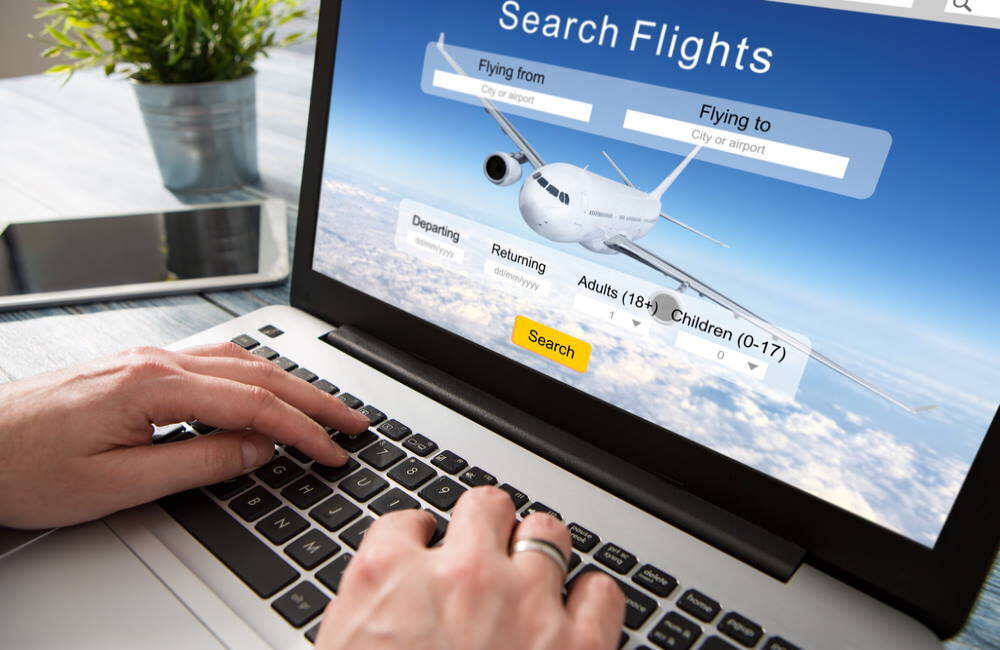
When considering where to buy airline tickets, the first technological stop for most consumers is the metasearch engine. Platforms like Google Flights, Skyscanner, and Kayak do not sell tickets directly; rather, they act as massive data aggregators that sit atop a layer of complex digital infrastructure.
How Algorithms Scan Billions of Data Points
The primary technology driving metasearch engines is the “web scraper” and the Application Programming Interface (API). These platforms send out thousands of requests per second to various airlines and Online Travel Agencies (OTAs). Within milliseconds, an algorithm parses this data, filters it based on user preferences—such as layover duration, carbon emissions, or Wi-Fi availability—and presents a ranked list. This process involves massive computational power to handle “cached” versus “live” data, ensuring that the price a user sees is actually available for purchase.
The Role of Global Distribution Systems (GDS)
Behind the slick interface of a search engine lies the Global Distribution System (GDS). Legacy systems like Amadeus, Sabre, and Travelport serve as the backbone of the travel industry’s data exchange. These are massive computer networks that store and transmit inventory, schedule, and fare information from airlines to providers. Understanding that your ticket purchase is essentially a “transactional ping” to a GDS helps illustrate the sheer scale of the digital architecture required to book a simple flight from New York to London.
Direct-to-Consumer Platforms: The Rise of Airline Native Apps
While aggregators provide a bird’s-eye view, many tech-savvy travelers are returning to the source: the airline’s native digital platforms. The decision of where to buy airline tickets is increasingly influenced by the seamless integration offered by proprietary software.
Real-Time Notifications and IoT Integration
Buying directly through an airline’s app offers a level of technical synchronization that third-party sites struggle to match. Through the use of push notifications and integration with the Internet of Things (IoT), a ticket purchased via a native app becomes a living document. It updates in real-time with gate changes, boarding sequences, and baggage tracking. This is made possible by “event-driven architecture,” where specific triggers in the airline’s operations database automatically push updates to the user’s smartphone.
Blockchain and Digital Identity Management
We are currently seeing the integration of blockchain technology and decentralized ID systems within airline booking platforms. Some carriers are experimenting with “tokenized” tickets. By buying a ticket directly on a platform that utilizes blockchain, the “ticket” becomes a unique digital asset that is harder to forge and easier to transfer or refund without the friction of traditional banking delays. This technical shift promises to reduce fraud and streamline the check-in process through biometric synchronization, where your face becomes your boarding pass.
AI-Powered Price Prediction and Predictive Analytics

The “where” of buying a ticket is now inextricably linked to the “when,” a variable that is currently being solved by Machine Learning (ML). Modern travel tech startups have moved beyond simple search functions to offer predictive intelligence.
Machine Learning and Price Forecasting
Platforms like Hopper have revolutionized the booking process by using petabytes of historical data to predict future price fluctuations. By analyzing trillions of archived flight prices, these AI models can advise a user with 95% accuracy whether to “buy now” or “wait.” This is a high-level application of neural networks that identifies patterns in seasonal demand, fuel price volatility, and airline competitive behavior. When you choose a platform based on its “price freeze” or “prediction” features, you are essentially hiring an AI consultant to manage your travel budget.
Hyper-Personalization and Dynamic Pricing
On the backend, airlines are using “Dynamic Pricing Engines.” These are sophisticated software suites that adjust ticket prices in real-time based on the user’s digital footprint, device type, and browsing history. While this is a controversial aspect of travel tech, it represents the cutting edge of Big Data. The platform where you buy your airline ticket might show a different price than your neighbor’s platform because the underlying AI has calculated a “propensity to buy” based on your specific digital profile.
Online Travel Agencies (OTAs) and Neo-Broker Ecosystems
For those looking for a one-stop-shop, Online Travel Agencies (OTAs) like Expedia, Booking.com, and Trip.com remain the dominant players. However, the technology powering these sites has evolved from simple storefronts into complex “Neo-Broker” ecosystems.
Modern UX and API Connectivity
The modern OTA is a masterclass in User Experience (UX) design. These platforms use “Microservices Architecture,” where different parts of the website (the search bar, the payment gateway, the customer reviews) are handled by separate, specialized small programs. This ensures that even if the “reviews” section of the site crashes, the “buy” button remains functional. Furthermore, OTAs often have “exclusive APIs” with airlines, allowing them to offer bundled packages—flights plus hotels plus car rentals—that are algorithmically discounted to offer a lower total price than the sum of their parts.
Cybersecurity and Fraud Prevention in Digital Transactions
A critical factor in deciding where to buy airline tickets is the security infrastructure of the platform. Top-tier OTAs and airline sites employ advanced encryption protocols and Multi-Factor Authentication (MFA). They also utilize AI-driven fraud detection systems that analyze mouse movements and typing speeds to distinguish between a human traveler and a malicious bot. In an era of increasing data breaches, the “best” place to buy a ticket is often the one with the most robust SSL certificates and PCI-DSS compliance, ensuring that your financial data remains siloed from the transaction itself.
The Future: Voice Search and Virtual Assistants
As we look toward the next iteration of travel technology, the “where” of buying airline tickets is moving away from screens entirely. The integration of Natural Language Processing (NLP) is paving the way for a world where tickets are bought through voice commands.
Conversational AI and Travel Concierges
The next generation of travel tech involves Large Language Models (LLMs) integrated into booking engines. Imagine asking a virtual assistant, “Find me the fastest way to Tokyo next Tuesday under $800,” and having the transaction completed via a voice-verified payment. Companies are already building “plugins” for AI models that allow these bots to browse the live GDS and execute bookings. This represents the ultimate convergence of tech and travel: a frictionless, invisible interface where the “platform” is simply a conversation.
Technical Interoperability and the NDC Standard
The industry is currently transitioning to the New Distribution Capability (NDC), a technical standard launched by IATA. This XML-based data transmission standard allows airlines to deliver rich content and ancillary services (like extra legroom or pre-paid meals) directly to any platform, whether it’s a bot, an app, or a search engine. This technical shift will eventually make the “where” less important than the “how,” as high-quality, personalized data becomes available across every node of the digital travel network.
In conclusion, the decision of where to buy airline tickets is no longer a matter of convenience; it is a choice between different technological philosophies. Whether you prioritize the data-heavy insights of a metasearch aggregator, the operational synchronization of a native airline app, or the AI-driven foresight of a price-prediction tool, you are participating in one of the most technologically advanced retail environments on the planet. As AI and blockchain continue to mature, the process will only become more automated, more secure, and more tailored to the digital identity of the traveler.
aViewFromTheCave is a participant in the Amazon Services LLC Associates Program, an affiliate advertising program designed to provide a means for sites to earn advertising fees by advertising and linking to Amazon.com. Amazon, the Amazon logo, AmazonSupply, and the AmazonSupply logo are trademarks of Amazon.com, Inc. or its affiliates. As an Amazon Associate we earn affiliate commissions from qualifying purchases.