
In the intricate world of personal finance, a few key numbers stand as fundamental pillars, facilitating the seamless movement of money that underpins modern economic life. Among these, the routing number holds a position of paramount importance. Often overlooked until specifically needed, this nine-digit code is the backbone of countless financial transactions, acting as a unique identifier for your bank or financial institution. For many, the first instinct when asked for this number is to reach for a physical check, yet precisely where on that check it resides can sometimes be a mystery.

Understanding your routing number and knowing how to locate it is more than just a trivial piece of information; it’s a critical component of financial literacy, empowering you to manage your funds effectively and securely. Whether you’re setting up direct deposit, paying bills online, or initiating a wire transfer, this small sequence of digits is indispensable. This article will demystify the routing number, guide you through its exact location on a personal check, and explore its multifaceted role in your financial life, all while offering alternatives for when a check isn’t readily available. By the end, you’ll not only know where to find it but also why it’s so crucial for your financial well-being.
Deciphering the Anatomy of a Personal Check: Your Financial Blueprint
A personal check, despite the rise of digital transactions, remains a foundational document in the realm of personal finance. Far from being a mere slip of paper, it is a carefully designed instrument embedded with crucial information that enables secure and accurate money transfers. Understanding its layout is key to efficiently navigating your financial life, especially when you need to pinpoint specific identifiers like your routing number.
The Three Key Number Sequences on the Bottom
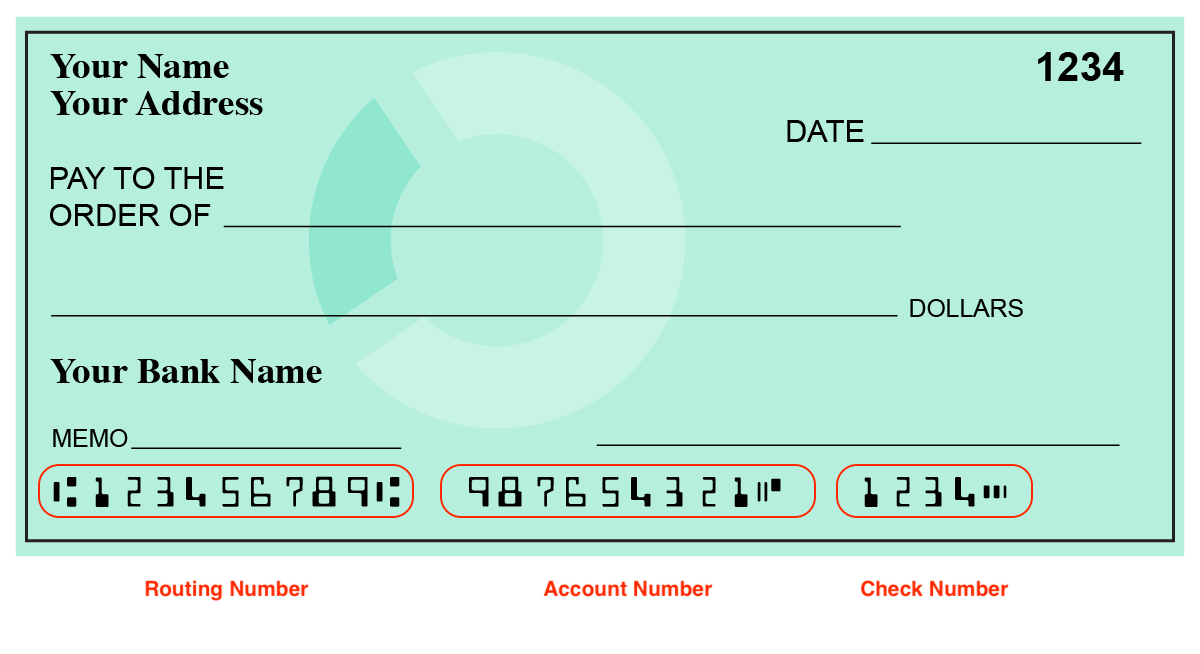
Look at the very bottom edge of your check. You’ll notice a series of numbers printed in a distinctive, magnetic ink character recognition (MICR) font. This font is specifically designed to be read by automated processing machines, ensuring speed and accuracy in transaction clearing. These numbers are arranged in three distinct groupings, each serving a unique purpose:
- The Routing Number (Bank Identifier): This is the focus of our inquiry. Typically, it’s the first set of nine digits on the far left of the MICR line. This number identifies the specific financial institution (your bank or credit union) that holds the account. It tells other banks where to send the funds.
- Your Account Number (Account Identifier): Usually positioned directly after the routing number, this sequence of digits uniquely identifies your specific checking account at your bank. Its length can vary between banks.
- The Check Number (Document Identifier): This number typically appears last on the MICR line, sometimes with a preceding symbol. It matches the check number printed in the top right corner of the check and serves as an organizational tool for you and your bank to track individual transactions.
Visualizing the Routing Number’s Position
To put it simply, if you hold a standard personal check in front of you, the routing number will almost always be the cluster of nine digits located in the bottom-left corner of the check. It’s crucial to identify this specific nine-digit code, as mistaking it for your account number can lead to significant delays or errors in transactions. While the order of the account and check numbers can occasionally vary between banks (though the routing number is almost always first), the presence of three distinct number groups at the bottom is universal. Always double-check that you’re selecting the nine-digit sequence that precedes your individual account number. Some checks might also have additional symbols or characters separating these number groups, but the core numerical identifiers remain distinct.
The Indispensable Role of Your Routing Number in Financial Transactions
Your bank’s routing number is far more than just a string of digits; it is the unique postal code for your financial institution, directing where electronic funds should be sent or retrieved. Its functionality underpins a vast array of modern financial operations, making it a critical piece of information for managing your money. Without it, the seamless flow of funds that we often take for granted would grind to a halt.
Facilitating Electronic Fund Transfers (EFTs)
At its core, the routing number is designed to facilitate Electronic Fund Transfers (EFTs). This broad category encompasses virtually any transfer of money from one bank account to another that isn’t done with a physical check or cash. EFTs are the bedrock of the digital economy, enabling quick, efficient, and secure movement of funds. The routing number ensures that when you initiate an EFT, the funds are routed to the correct bank, and combined with your account number, they land in the right specific account.
Enabling Direct Deposits and Automated Payments
One of the most common and convenient uses of a routing number is for direct deposits. Whether it’s your paycheck, government benefits, or a tax refund, direct deposit relies entirely on your routing number (and account number) to ensure your funds are electronically transferred from the payer’s bank directly into your designated account. This eliminates the need for physical checks, speeds up access to your money, and reduces the risk of loss or theft.
Similarly, automatic bill payments and other recurring transfers (like mortgage payments, utility bills, or subscriptions) also leverage your routing number. By providing this information to your service providers, you authorize them to debit your account directly on a scheduled basis. This ensures timely payments, helps avoid late fees, and simplifies your financial management by automating routine expenses.
Navigating Wire Transfers and Online Bill Pay
While direct deposits and automatic payments handle scheduled, recurring transactions, your routing number is equally vital for one-time or irregular transfers. Wire transfers, for instance, are often used for larger sums of money or when speed and certainty of funds are paramount, even internationally. While international wire transfers typically require a SWIFT/BIC code in addition to the routing number, domestic wire transfers primarily rely on the routing number to identify the receiving bank.
Furthermore, when you use online bill pay services through your bank or directly with a merchant, your routing number is often used behind the scenes to process these electronic payments. It acts as the identifier that tells the system which bank to draw funds from, ensuring that your payments are accurately directed and processed. In essence, any digital instruction for moving money in or out of your account will, at some point, involve your routing number.
When and Where Else to Find Your Routing Number
While a personal check is arguably the most common and straightforward place to find your routing number, circumstances may arise where you don’t have a physical check readily available. Perhaps you only use digital banking, or you’re away from home. Fortunately, banks provide several alternative, equally reliable methods to access this crucial nine-digit code. Knowing these options is part of being financially prepared and ensures you can always conduct necessary transactions.
Leveraging Online Banking Portals
In today’s digital age, your online banking portal or mobile banking app is an invaluable resource for managing your finances, and that includes finding your routing number. Most banks prominently display this information within your account details.
- How to find it: Log into your bank’s website or mobile app. Navigate to your specific checking or savings account. Look for sections labeled “Account Details,” “Account Information,” “Direct Deposit Information,” or similar. Your routing number is typically listed there, often alongside your full account number. Some apps even have a dedicated “Direct Deposit Form” or “Check Image” feature that will show you a virtual check with the numbers laid out.
Consulting Your Bank Statements
Whether you receive paper statements in the mail or access them digitally through your online banking account, your bank statements are another reliable source for your routing number.
- How to find it: On most bank statements, the routing number is printed near your account number and other bank information. For paper statements, check the top or bottom sections of the statement. For digital statements, download a PDF version and look for the same details. This method is particularly useful if you prefer hard copies or need to verify information from a specific period.
Direct Communication with Your Bank
When in doubt, or if you prefer human assistance, contacting your bank directly is always a secure and reliable option. Bank representatives are trained to assist with such queries and can provide your routing number after verifying your identity.
- How to find it:
- Call Customer Service: Find your bank’s customer service number (usually on the back of your debit card, on their website, or a previous statement). Be prepared to answer security questions to verify your identity.
- Visit a Local Branch: If convenient, visiting a physical branch is another way to get assistance. A teller can provide you with your routing number. Remember to bring a valid form of identification.
Exploring the Bank’s Official Website
Many banks provide a general routing number for public access on their official websites, often in an “About Us,” “Contact Us,” or “Help/FAQ” section. However, it’s important to note that some larger banks might have different routing numbers for specific regions or transaction types (e.g., one for ACH transfers and another for wire transfers).
- How to find it: Navigate to your bank’s official website. Look for a search bar and type “routing number” or browse through the support or contact sections. If there are multiple routing numbers listed, ensure you select the correct one for the type of transaction you intend to make (e.g., standard ACH/direct deposit routing number). When in doubt, verify with one of the other methods or directly with your bank.
Safeguarding Your Financial Information: Routing Numbers and Security
While your routing number is essential for facilitating countless financial transactions, like any sensitive financial data, it also carries a degree of risk if it falls into the wrong hands. Understanding how to protect this information, and recognizing potential threats, is a critical aspect of maintaining your financial security and peace of mind.
The Relative Security of a Routing Number
It’s important to differentiate the security implications of a routing number from those of your full bank account number. Your routing number identifies your bank, not your specific account. Standing alone, a routing number cannot directly enable someone to access your funds or empty your account. It’s publicly available information for many banks and is printed on every check.
However, when combined with your account number, and especially your name and address, the risk significantly increases. These combined pieces of information can be used to set up fraudulent direct debits, issue fake checks, or attempt other forms of financial identity theft. Therefore, while less sensitive than your account number, it still warrants careful handling.
Best Practices for Protecting Your Routing and Account Numbers
Maintaining vigilance and adhering to sound security practices is your best defense against financial fraud. Here are key strategies:
- Shred Old Checks and Statements: Never simply throw away old checks, bank statements, or other documents containing your routing and account numbers. Always shred them thoroughly before disposal to prevent “dumpster diving” identity theft.
- Be Cautious with Online Sharing: Only provide your routing and account numbers to trusted, legitimate entities (e.g., your employer for direct deposit, reputable utility companies for automated payments, or government agencies for tax refunds). Be extremely wary of unsolicited requests via email, text message, or phone calls, even if they appear to be from your bank.
- Use Secure Platforms: When entering your banking information online, always ensure the website is secure. Look for “https://” in the web address and a padlock icon in your browser’s address bar. This indicates that your data is encrypted during transmission.
- Monitor Your Accounts Regularly: The most effective way to catch fraudulent activity early is to regularly review your bank statements and online transaction history. Report any suspicious or unauthorized transactions to your bank immediately.
- Be Aware of Phishing Scams: Phishing attempts often try to trick you into revealing sensitive information by impersonating legitimate organizations. Never click on suspicious links or download attachments from unknown senders. Your bank will generally not ask for your full account number or routing number via email.
Recognizing and Responding to Potential Fraud
If you suspect your routing number, especially in combination with your account number, has been compromised:
- Contact Your Bank Immediately: Report the potential fraud to your bank’s fraud department. They can guide you on the next steps, which may include closing the compromised account and opening a new one.
- Change Passwords: If you believe your online banking credentials were part of the breach, change your passwords immediately for all financial accounts.
- Monitor Credit Reports: Regularly check your credit reports for any unfamiliar accounts or inquiries that could indicate identity theft.
- File a Police Report: In severe cases of fraud, filing a police report can be an important step for documentation and recovery efforts.
By understanding the nature of your routing number and diligently applying these security measures, you can confidently use this essential financial tool while safeguarding your assets against potential threats.

Conclusion: Mastering Your Routing Number for Financial Empowerment
The routing number, that seemingly unassuming nine-digit code nestled at the bottom of your checks, is a cornerstone of modern personal finance. Far from being a mere banking detail, it acts as the precise identifier that allows for the secure and efficient movement of your money through the vast network of financial institutions. From the convenience of direct deposits and automated bill payments to the necessity of wire transfers, your routing number is the silent architect behind many of your daily financial interactions.
Understanding where to locate it on a physical check – typically as the first set of nine digits on the bottom left – is foundational financial literacy. However, in an increasingly digital world, knowing the alternative avenues to retrieve this information, whether through your online banking portal, bank statements, or direct communication with your financial institution, ensures you are never without the means to manage your funds.
Beyond mere identification, mastering your routing number also means understanding its security implications. While less sensitive than your full account number, its combination with other personal details can expose you to risk. Therefore, adopting robust security practices – shredding documents, exercising caution with online sharing, and vigilant account monitoring – is paramount.
In essence, the journey of understanding “where on my check is my routing number” evolves into a broader lesson in financial empowerment. It’s about more than just finding a number; it’s about grasping a fundamental mechanism of the financial system, leveraging it for your convenience, and protecting it with informed vigilance. As you navigate your financial landscape, let this knowledge serve as a reminder that informed awareness is your strongest asset in building a secure and efficient monetary life.
aViewFromTheCave is a participant in the Amazon Services LLC Associates Program, an affiliate advertising program designed to provide a means for sites to earn advertising fees by advertising and linking to Amazon.com. Amazon, the Amazon logo, AmazonSupply, and the AmazonSupply logo are trademarks of Amazon.com, Inc. or its affiliates. As an Amazon Associate we earn affiliate commissions from qualifying purchases.