
In the high-stakes world of global finance, a corporate headquarters is far more than just a mailing address or a cluster of executive offices. It serves as the physical manifestation of a firm’s legacy, its regulatory anchor, and the central nervous system for its multi-trillion-dollar operations. For Wells Fargo & Company, one of the “Big Four” banks in the United States, the answer to “where is Wells Fargo headquarters” reveals a fascinating intersection of American history, strategic mergers, and modern financial management.
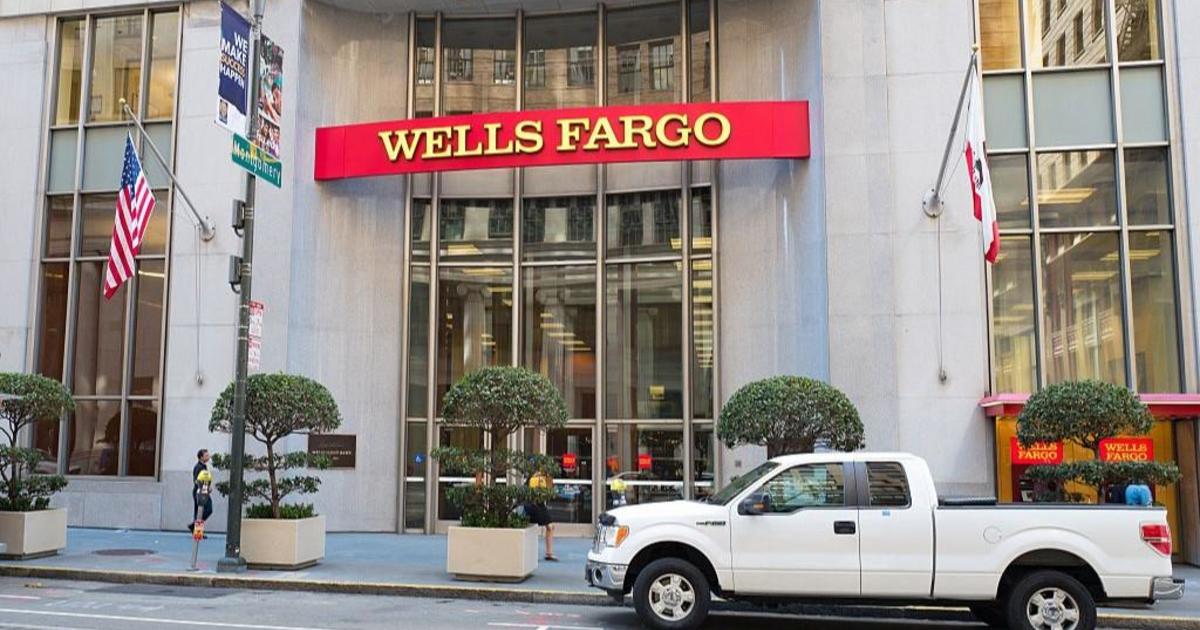
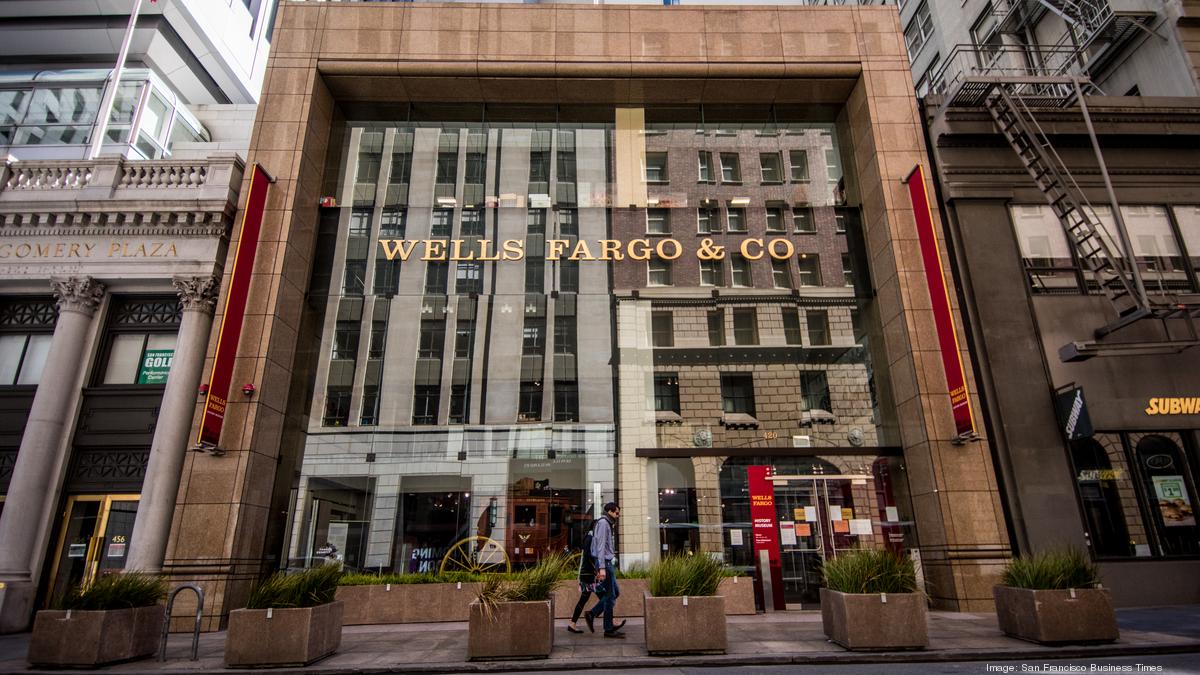
Currently, the official corporate headquarters of Wells Fargo is located at 420 Montgomery Street, San Francisco, California. However, to understand the financial machinery of this institution, one must look beyond a single GPS coordinate. The bank operates through a decentralized model that spans several major American financial hubs, reflecting its status as a diversified financial services company with a massive global footprint.
The Geographic Heart: San Francisco and the History of the American West
San Francisco is not merely a choice of convenience for Wells Fargo; it is the birthplace of the institution’s identity. Since its founding in 1852 by Henry Wells and William G. Fargo during the height of the California Gold Rush, the bank has been inextricably linked to the economic development of the American West.
The Legacy of 420 Montgomery Street
The address 420 Montgomery Street sits in the heart of San Francisco’s Financial District. Often referred to as the “Wall Street of the West,” this location has served as the bank’s symbolic home for generations. The building itself houses executive offices and the famous Wells Fargo History Museum, which features the iconic stagecoaches that once transported gold and mail across the frontier. From a business finance perspective, maintaining a presence in San Francisco allows Wells Fargo to stay connected to the venture capital and technological innovation synonymous with Northern California, even as the banking industry undergoes a digital transformation.
Why San Francisco Remains the Operational Anchor
While many financial institutions have migrated their primary operations to lower-cost regions, Wells Fargo’s commitment to San Francisco remains a strategic decision. It positions the bank at the gateway to the Pacific Rim and provides proximity to the massive wealth generated by the Silicon Valley ecosystem. For investors, the San Francisco headquarters represents stability and a link to the bank’s historic roots in commercial lending and asset management. However, as we will explore, the administrative weight of the company is distributed far more widely than this single California office suggests.
Beyond the Bay Area: The Decentralized Corporate Footprint
In modern business finance, the concept of a “headquarters” has evolved. Large-scale banks like Wells Fargo utilize a hub-and-spoke model to mitigate regional economic risks and tap into diverse talent pools. While San Francisco holds the “corporate” title, other cities serve as the actual engines for specific business lines.
Charlotte, North Carolina: The East Coast Banking Powerhouse
If San Francisco is the soul of Wells Fargo, Charlotte is arguably its operational muscle. Following the 2008 acquisition of Wachovia, Wells Fargo inherited a massive administrative and retail banking infrastructure in North Carolina. Today, Charlotte serves as the bank’s largest employment hub. Many of its key business segments, including retail banking, investment banking, and capital markets operations, are heavily concentrated in the Charlotte metro area. For financial analysts, Charlotte is often viewed as the “second headquarters,” providing the bank with a strategic foothold in the rapidly growing Sun Belt region.
Des Moines and St. Louis: Administrative and Mortgage Hubs
The scale of Wells Fargo’s financial operations requires specialized centers of excellence. Des Moines, Iowa, has long been a primary hub for the bank’s home lending and mortgage servicing divisions. Given that Wells Fargo is one of the largest mortgage originators in the United States, the Des Moines campus is a critical component of its national financial strategy. Similarly, St. Louis, Missouri, serves as a major center for the bank’s wealth and investment management services. By distributing these core functions across the Midwest, Wells Fargo optimizes its operational costs while maintaining a physical presence near its diverse customer base.
The Financial Significance of Corporate Real Estate Strategy
From a corporate finance perspective, the management of headquarters and regional hubs is a significant line item on the balance sheet. Real estate strategy is no longer just about where executives sit; it is about capital efficiency and operational resilience.
Consolidating Assets for Operational Efficiency
In recent years, Wells Fargo has undertaken a massive effort to streamline its corporate real estate portfolio. This involves exiting smaller, inefficient leases and consolidating employees into larger, owned campuses in cities like Charlotte, Phoenix, and San Antonio. This shift is a classic move in business finance to reduce overhead and improve “spend management.” By concentrating talent in a few key “hub” cities, the bank can foster better collaboration among its various divisions—from risk management to consumer lending—while significantly lowering its tax and utility liabilities.
The Shift Toward Hybrid Hubs in Post-Pandemic Finance
The “where” of a headquarters has also been challenged by the rise of remote and hybrid work. Wells Fargo has adapted by investing in “modernized workspaces” that prioritize technology and flexibility. For the bank’s financial planning and analysis (FP&A) teams, this means that the physical location of an office is increasingly secondary to the digital infrastructure that connects it. However, the bank continues to emphasize the importance of its major hubs, as they serve as critical sites for regulatory compliance and high-level decision-making that require in-person oversight.
How Headquarters Location Influences Market Perception and Investor Confidence
In the world of personal finance and institutional investing, the location and “stature” of a bank’s headquarters can influence its brand equity and perceived stability. A headquarters is a signal to the market about a company’s health and its future direction.
Maintaining the “Big Four” Status
Wells Fargo is part of the elite group of U.S. banks—alongside JPMorgan Chase, Bank of America, and Citigroup—that are deemed “Systemically Important Financial Institutions” (SIFIs). Maintaining a prominent headquarters in a global financial center like San Francisco is essential for reinforcing this status. It provides a sense of permanence and institutional gravity that is vital for attracting high-net-worth clients and institutional investors. When investors look at the “Money” aspect of Wells Fargo, they see a firm that is deeply rooted in the American economy, represented by its physical dominance in major metropolitan skylines.
Regional Influence on Lending and Business Finance
The distribution of Wells Fargo’s executive leadership across different regions also impacts its lending philosophy. By having significant “headquarters-level” operations in the Southeast (Charlotte), the West (San Francisco), and the Midwest (Des Moines), the bank can tailor its commercial and small business finance products to the specific needs of those regional economies. This geographic diversity allows the bank to hedge against localized economic downturns. If the tech sector in California faces a slump, the bank’s strong presence in the Charlotte financial sector or the Iowa agricultural mortgage market can provide the necessary balance to its earnings reports.

Conclusion: A Multi-City Strategy for a Global Giant
While the official answer to “where is Wells Fargo headquarters” is 420 Montgomery Street, San Francisco, the reality of the 21st-century financial landscape is far more complex. Wells Fargo operates as a sprawling network of strategic hubs, each serving a specific role in the bank’s mission to manage and grow the wealth of its millions of customers.
From the historic gold vaults of San Francisco to the high-frequency trading floors of Charlotte and the mortgage processing centers of Des Moines, Wells Fargo’s headquarters is less a single building and more a nationwide infrastructure. For anyone interested in the intersection of business finance and corporate strategy, the bank’s geographic footprint serves as a masterclass in how a legacy institution can adapt its physical presence to meet the demands of a modern, digital-first financial world. Understanding this layout is key to understanding how one of the world’s largest banks manages its capital, its people, and its future.
aViewFromTheCave is a participant in the Amazon Services LLC Associates Program, an affiliate advertising program designed to provide a means for sites to earn advertising fees by advertising and linking to Amazon.com. Amazon, the Amazon logo, AmazonSupply, and the AmazonSupply logo are trademarks of Amazon.com, Inc. or its affiliates. As an Amazon Associate we earn affiliate commissions from qualifying purchases.