
For decades, the physical epicenter of the technological world has been rooted in a few square miles of Northern California. While many companies have moved toward remote-first models or decentralized campuses, Nvidia has doubled down on its physical presence in Santa Clara, California. The Nvidia Headquarters (HQ) is not merely a collection of office desks and conference rooms; it is a meticulously engineered technological marvel that serves as the nerve center for the global artificial intelligence (AI) revolution. To understand where Nvidia is located is to understand the strategic heart of Silicon Valley and the physical manifestation of the company’s “compute-first” philosophy.
The Architectural Blueprint: Endeavor, Voyager, and the Geometry of Success
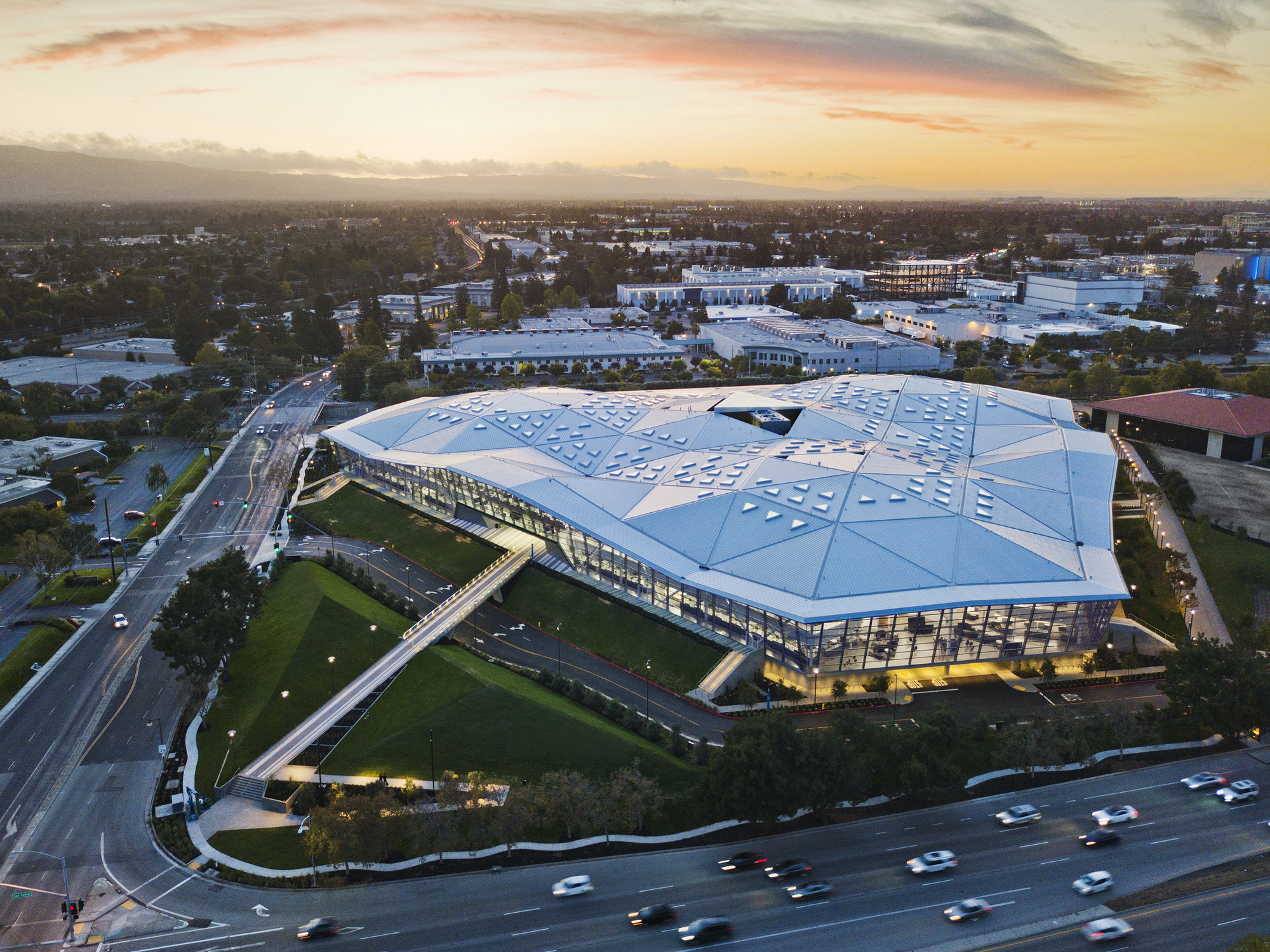
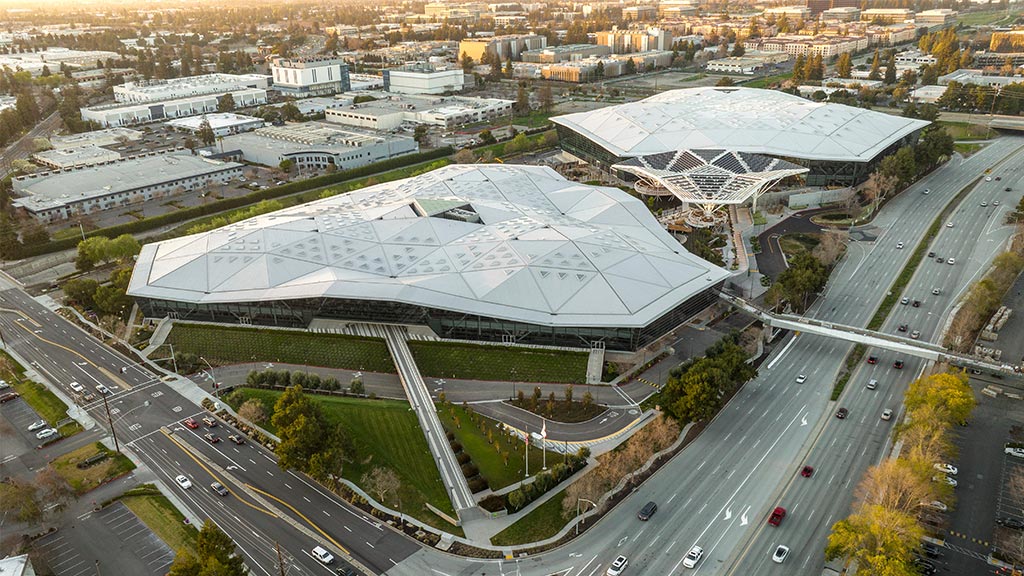
Nvidia’s headquarters, located at 2788 San Tomas Expressway, Santa Clara, CA 95051, is a landmark that reflects the company’s core identity. The campus is defined by two primary structures: “Endeavor” and “Voyager.” These names are not accidental; they represent the company’s spirit of exploration into the frontiers of computer science and deep learning.
Santa Clara: The Epicenter of Silicon Valley
Choosing Santa Clara as its permanent home places Nvidia in the most dense concentration of tech talent and hardware infrastructure in the world. Flanked by other giants of the semiconductor and software industries, Nvidia’s campus stands out as a sprawling, futuristic complex. The location provides the company with immediate access to the world’s leading engineering talent pools from Stanford and UC Berkeley, while remaining at the center of the supply chain logistics required to move massive quantities of GPU (Graphics Processing Unit) hardware across the globe.
Triangles and Topology: A Building Inspired by Pixels
One of the most striking tech-focused elements of the Nvidia HQ is its architectural design, which is heavily influenced by the fundamental building block of computer graphics: the triangle. Every image rendered by an Nvidia GPU is composed of millions of tiny triangles. Consequently, the roofs of both Endeavor and Voyager are composed of vast, undulating triangular patterns. This isn’t just an aesthetic choice; it’s a tribute to the math that built the company. These geometric shapes allow for expansive, pillar-free interior spaces that facilitate the kind of open-source collaboration necessary for developing complex AI architectures and software stacks like CUDA.
Inside the AI Foundry: How the HQ Fuels Technological Innovation
The interior of the Nvidia HQ is designed specifically to accelerate the hardware-to-software pipeline. As the world transitions from traditional computing to accelerated computing, the physical workspace has been optimized to handle the demands of designing the world’s most powerful chips, such as the H100 and the upcoming Blackwell series.
The Lab-First Design Philosophy
Unlike typical tech offices that prioritize “lifestyle” amenities like nap pods or bowling alleys, Nvidia’s HQ is built around its laboratories. A significant portion of the square footage in Endeavor and Voyager is dedicated to “bring-up” labs—high-security environments where engineers test the first silicon samples of new GPU architectures. These labs are equipped with state-of-the-art cooling systems and power grids capable of simulating the high-performance computing (HPC) environments of modern data centers. This proximity between the engineers’ desks and the physical hardware allows for a “hardware-software co-design” process that is essential for optimizing AI models.
Facilitating the Next Generation of Ray Tracing and DLSS
The HQ also houses specialized visualization centers where the company’s researchers work on cutting-edge software tools like Deep Learning Super Sampling (DLSS) and real-time ray tracing. These rooms are designed with specific lighting and acoustic properties to allow developers to scrutinize every pixel generated by their latest algorithms. By integrating these high-tech observation zones into the daily workflow, Nvidia ensures that its software tools remain the industry standard for both gamers and enterprise-level simulation experts.
Sustainability and the Digital Twin: Using Omniverse to Build Physical Space
Perhaps the most impressive technological feat of the Nvidia HQ is not the building itself, but how it was built. Nvidia utilized its own “Omniverse” platform—a suite of tools for 3D design and digital twin simulation—to plan and optimize the Voyager building before a single brick was laid.
Building a Digital Twin for Energy Efficiency
By creating a “Digital Twin” of the Voyager building, Nvidia’s architects could simulate how sunlight would hit the triangular roof at any hour of the day, in any season. This allowed them to place windows and skylights in positions that maximize natural light while minimizing heat gain, drastically reducing the energy required for cooling. In an era where AI hardware is criticized for its power consumption, Nvidia uses its HQ as a proof-of-concept for how AI and simulation tech can create more sustainable physical infrastructure.
Smart Systems and Internal Connectivity
The campus functions as a “living lab” for IoT (Internet of Things) and AI-driven building management. Sensor arrays throughout the campus monitor occupancy levels and air quality in real-time. This data is fed into an AI model that adjusts HVAC (Heating, Ventilation, and Air Conditioning) systems dynamically. For a company that produces the chips that power the world’s most energy-hungry data centers, implementing these efficiencies at the HQ level is a crucial demonstration of their commitment to “green” tech innovation.
The HQ as a Global Hub for the Developer Ecosystem
While the physical address is in Santa Clara, the Nvidia HQ serves as a digital lighthouse for millions of developers worldwide. It is the birthplace of the CUDA (Compute Unified Device Architecture) platform, which has become the gold standard for AI development.
The Nerve Center of the CUDA Revolution
Inside the walls of the HQ, thousands of software engineers work on the libraries and compilers that allow GPUs to do more than just render graphics. The work done here is what allows a researcher in London or a developer in Tokyo to train a Large Language Model (LLM). The HQ acts as the central node where feedback from the global developer community is processed and integrated into the next version of the software stack. This feedback loop is what has enabled Nvidia to maintain a “moat” in the AI space, as the physical proximity of software and hardware teams allows for rapid iteration that remote teams struggle to match.
Security and Intellectual Property in the AI Age
In the tech world, digital security is paramount, especially for a company whose intellectual property (IP) is essentially the blueprint for the modern AI economy. The Nvidia HQ is designed with “Security by Design” principles. Beyond the physical security of the chip labs, the building’s internal networks are partitioned using zero-trust architectures to ensure that the secrets of the next-generation “Superchip” are protected. This integration of physical and digital security makes the Santa Clara campus one of the most secure private-sector research facilities in the United States.

Conclusion: More Than Just a Map Point
The question “where is Nvidia HQ” can be answered with a simple set of GPS coordinates in Santa Clara, but the technological reality is much more expansive. Nvidia’s headquarters is a physical manifestation of the company’s dominance in the AI and GPU sectors. From the triangular geometry of its roof—a nod to the pixels it renders—to the “Digital Twin” simulation used in its construction, every aspect of the campus reflects a commitment to technological excellence.
As Nvidia continues to lead the charge into the generative AI era, its Silicon Valley campus remains the essential foundry where the future of computing is forged. It is here, in the heart of Santa Clara, that the hardware, software, and simulation tools of tomorrow are being integrated into a singular, cohesive vision. For tech enthusiasts and industry professionals alike, the Nvidia HQ is not just an office; it is the cockpit of the AI revolution, steering the world toward a future defined by accelerated computing and intelligent machines.
aViewFromTheCave is a participant in the Amazon Services LLC Associates Program, an affiliate advertising program designed to provide a means for sites to earn advertising fees by advertising and linking to Amazon.com. Amazon, the Amazon logo, AmazonSupply, and the AmazonSupply logo are trademarks of Amazon.com, Inc. or its affiliates. As an Amazon Associate we earn affiliate commissions from qualifying purchases.