
The question “where is American Airlines’ hub?” might seem like a simple query about geography, but for a global airline, the answer delves deep into the very core of its brand strategy. An airline’s hub system is not merely a collection of airports; it is the architectural backbone of its operational efficiency, market reach, customer experience, and ultimately, its competitive identity. For American Airlines, the design and execution of its hub network are pivotal in reinforcing its brand promise as a leader in global connectivity and a preferred choice for millions of travelers worldwide.
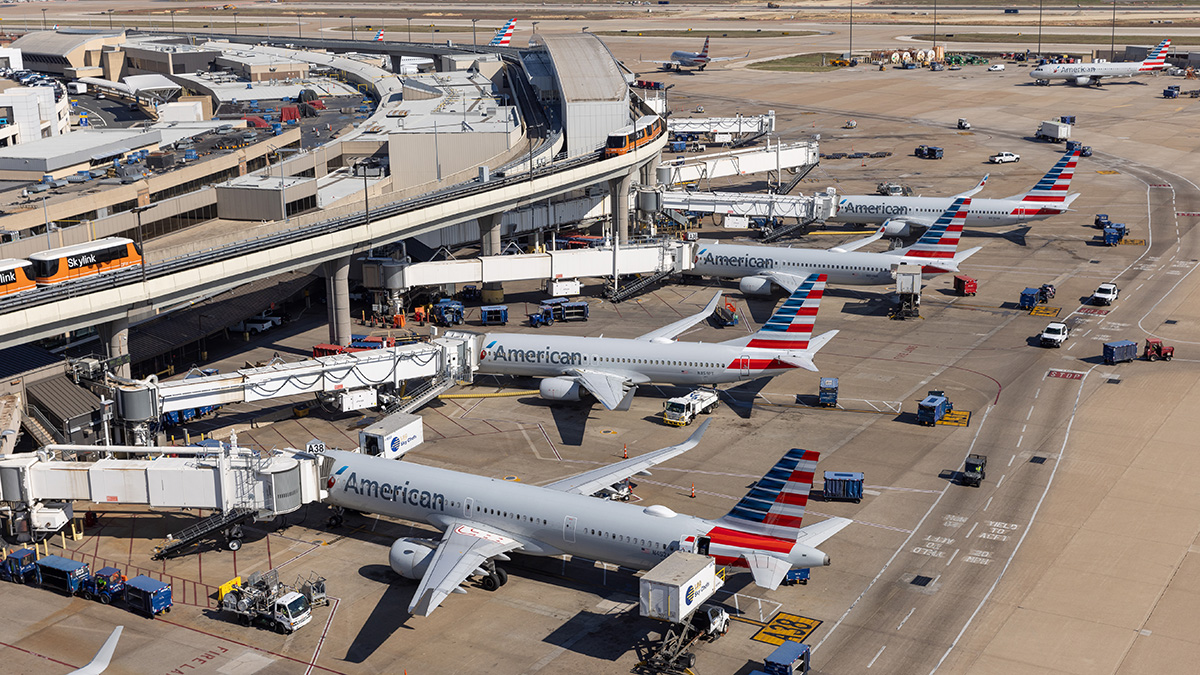
At the heart of American Airlines’ extensive network lies its principal global gateway: Dallas/Fort Worth International Airport (DFW). However, to fully understand American’s brand strength and market positioning, one must appreciate the strategic tapestry woven by its multi-hub system, each serving distinct purposes in a meticulously planned brand architecture. This article will explore how American Airlines leverages its hub strategy to solidify its brand, enhance customer loyalty, and maintain its standing as a major player in the fiercely competitive aviation industry.
The Strategic Nexus: Dallas/Fort Worth International Airport (DFW)
Dallas/Fort Worth International Airport (DFW) is unequivocally American Airlines’ largest and most critical hub. It serves as the company’s nerve center, a sprawling complex that processes a staggering volume of flights, passengers, and cargo daily. Its prominence is a testament to careful strategic planning that underpins American Airlines’ brand identity.
DFW: More Than Just a Location – A Brand Anchor
The choice of DFW as American’s primary hub is rooted in a blend of historical context, geographical advantage, and forward-thinking business strategy. Located in the south-central United States, DFW offers a unique position for connecting passengers between the East and West Coasts, as well as serving as a gateway to international destinations across the Americas, Europe, and Asia. This geographical centrality is not just a logistical convenience; it is a tangible manifestation of American Airlines’ brand promise of widespread connectivity.
DFW’s massive infrastructure allows American Airlines to operate an astonishing number of flights, creating a “fortress hub” environment where their market share is dominant. This concentration of operations translates into unparalleled frequency and destination options for passengers, fostering a perception of reliability and comprehensive service that directly enhances the American Airlines brand. The ability to offer one-stop connections to virtually anywhere in the world from DFW reinforces the airline’s image as a truly global carrier, making travel seamless for both business and leisure customers. It’s the operational heart that pumps life into the brand’s expansive network.
Operational Excellence and Customer Experience
A mega-hub like DFW is designed for efficiency and scale, enabling American Airlines to optimize its flight schedules, minimize connection times, and manage potential disruptions more effectively. This operational excellence directly impacts the customer experience, a critical component of brand perception. When passengers experience seamless transfers, timely departures, and a vast array of destination choices, their trust and loyalty to the American Airlines brand grow.
The sheer volume of flights at DFW allows for higher frequency on popular routes, providing customers with greater flexibility and convenience, which are premium brand attributes in the travel industry. Furthermore, DFW is equipped with extensive airport amenities, including numerous Admirals Club lounges, premium dining options, and streamlined check-in processes, all of which contribute to a superior passenger journey, especially for American’s most valued, premium-tier customers. These enhanced experiences at the hub directly elevate the perceived value and quality of the American Airlines brand.
The Power of a Multi-Hub Network: Expanding Brand Reach
While DFW stands as American Airlines’ flagship, its brand strength is equally amplified by a carefully curated network of secondary hubs, each strategically placed to serve specific markets and complement the primary hub’s reach. This multi-hub approach allows American to penetrate diverse geographic regions and cater to varied customer needs, solidifying its brand as an ubiquitous and versatile travel partner.
Complementary Domestic Gateways
American Airlines operates several other significant domestic hubs, each playing a vital role in its network strategy and brand positioning:
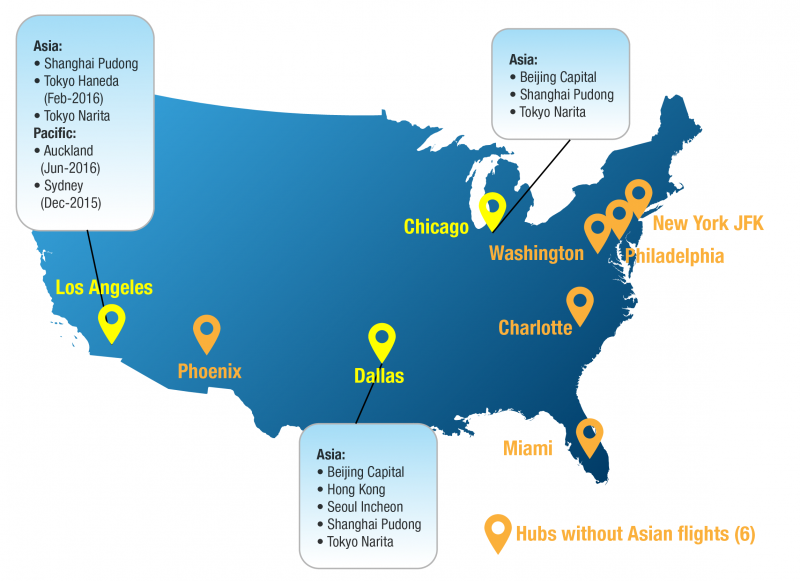
- Charlotte Douglas International Airport (CLT): A crucial East Coast hub, CLT serves as a major gateway for the Southeastern United States and provides extensive regional connectivity. Its strength lies in connecting smaller cities to American’s broader network, reinforcing the brand’s commitment to serving diverse communities.
- Chicago O’Hare International Airport (ORD): Strategically located in the Midwest, ORD acts as a transcontinental bridge, connecting flights between the East and West Coasts, and also serving as an important international gateway to Europe and Asia. Its busy operations highlight American’s prowess in managing high-volume, complex air traffic.
- Philadelphia International Airport (PHL): A key gateway to Europe and a strong presence in the Northeast, PHL offers critical connectivity for passengers traveling across the Atlantic. It underscores American’s robust international footprint and its ability to serve major global business and leisure markets.
- Phoenix Sky Harbor International Airport (PHX): Catering to the Southwestern U.S. and providing a strong link to Mexico and other Latin American destinations, PHX anchors American’s brand in a rapidly growing region, offering convenient options for cross-border travel.
- Miami International Airport (MIA): This hub is a true stronghold for American Airlines, serving as the airline’s primary gateway to Latin America and the Caribbean. MIA reinforces American’s brand as the leading carrier for travel to and from these vibrant regions, leveraging its cultural connections and extensive route network.
- Los Angeles International Airport (LAX): A critical hub for trans-Pacific travel and a major West Coast gateway, LAX connects passengers to Asia, Australia, and New Zealand, solidifying American’s brand presence in the lucrative Pacific Rim market.
- New York (JFK/LaGuardia – LGA): While not traditional fortress hubs, American Airlines maintains a significant presence at both John F. Kennedy International Airport (JFK) for international long-haul flights and LaGuardia Airport (LGA) for domestic business travel. These strategic positions in the bustling Northeast enhance American’s brand appeal to high-value corporate and international travelers.
- Washington D.C. (Reagan National – DCA): A vital hub for government and business travel, DCA allows American Airlines to serve the nation’s capital with high frequency, reinforcing its brand as a reliable choice for professional and official travel.
Collectively, these hubs form a formidable network that underscores American Airlines’ brand as a comprehensive global carrier capable of meeting varied travel demands. Each hub’s specialization contributes to a richer, more robust brand narrative.
Tailoring Services to Regional Brand Demands
The decentralized nature of American’s hub network allows the airline to tailor its services and marketing efforts to regional specificities. For instance, the marketing for flights from Miami emphasizes connections to Latin American destinations, highlighting cultural experiences and direct routes. In contrast, campaigns originating from New York might focus on premium services to European business capitals. This localized approach to hub marketing enables American Airlines to resonate more deeply with diverse customer segments, strengthening brand loyalty across different geographical and demographic profiles. The brand is perceived not just as a national carrier, but as a locally invested travel partner across its network.
Hub Strategy as a Pillar of Brand Identity and Market Positioning
American Airlines’ meticulously developed hub strategy is far more than a logistical framework; it is a fundamental pillar of its brand identity and a critical determinant of its market positioning. This strategic deployment of resources directly influences how the brand is perceived by customers, competitors, and stakeholders.
Competitive Advantage Through Network Design
The hub-and-spoke model, as executed by American Airlines, creates significant competitive advantages. By concentrating traffic at key points, the airline can offer higher flight frequencies, connect a greater number of city pairs, and achieve economies of scale that are difficult for new entrants or smaller competitors to match. This network strength translates directly into a powerful brand attribute: reliability. Customers choose American knowing they have numerous options for connecting flights and a high likelihood of reaching their destination even in the face of disruptions, cementing trust in the brand. This formidable network acts as a significant barrier to entry, protecting American’s market share and brand equity.
Brand Storytelling Through Connectivity
At its core, American Airlines’ brand promise is about connecting people and places. The hub network is the physical manifestation of this promise. Every flight, every connection, every destination offered through its hubs reinforces the brand narrative of a company dedicated to bridging distances and fostering global interaction. The ability to offer a vast array of seamless connections solidifies American’s brand as a leader in global air travel, making it the preferred choice for those seeking comprehensive and reliable travel solutions. The brand story is inherently intertwined with the story of its network.
Adapting Hub Strategy to Evolving Brand and Market Needs
The world of aviation is constantly changing, influenced by economic shifts, technological advancements, and global events. American Airlines’ hub strategy is not static; it is dynamically managed to adapt to these evolving market needs. For example, during the COVID-19 pandemic, American temporarily adjusted some hub operations and focused on more direct point-to-point flights where demand permitted. Post-pandemic, the re-establishment and re-optimization of its hubs have been crucial for its recovery and continued brand relevance. Strategic partnerships, like those within the Oneworld alliance, also leverage the hub network to expand brand reach and provide greater value to customers through codeshares and shared lounge access, showcasing a flexible yet resilient brand.
The Brand Impact: Customer Loyalty and Global Recognition
The ultimate measure of a successful brand strategy is its impact on customer loyalty and global recognition. American Airlines’ hub network plays a direct role in fostering both, solidifying its position in the global aviation landscape.
Enhancing Customer Journey and Loyalty
Efficient hubs are instrumental in delivering a superior customer journey. Smoother connections, better on-time performance (a critical brand metric), and fewer instances of lost luggage contribute significantly to customer satisfaction. Beyond the operational aspects, the quality of services within the hubs—such as premium lounges, diverse dining options, and accessible ground transportation—shapes the overall premium brand perception. For frequent travelers, the consistency and comfort offered at American Airlines’ hubs are major motivators for loyalty. The ability to accrue and redeem miles across such an extensive network further incentivizes repeat business, creating a powerful ecosystem that binds customers to the American Airlines brand.
Global Brand Reach and Partnerships
American Airlines’ extensive hub network is a cornerstone of its participation in the Oneworld alliance. By seamlessly connecting its hubs with those of partner airlines like British Airways, Cathay Pacific, and Japan Airlines, American significantly amplifies its global brand reach. This alliance allows American Airlines to offer its customers access to an even broader network of destinations worldwide, enhancing its value proposition. The collective strength of the alliance’s hub networks ensures that the American Airlines brand is recognized and trusted across continents, enabling it to compete effectively against other major global airline groups. This partnership strategy demonstrates the brand’s commitment to providing comprehensive global travel solutions.

Conclusion
The question “where is American Airlines’ hub?” transcends a simple geographical answer. It unlocks a comprehensive understanding of how a legacy carrier meticulously builds and sustains its brand. From the flagship operations at Dallas/Fort Worth to the specialized functions of its complementary hubs across the United States, American Airlines’ hub strategy is foundational to its brand identity, market positioning, and customer value proposition.
Each hub serves as a critical node in a sophisticated network designed not only for operational efficiency but also for reinforcing American’s brand promise of connectivity, reliability, and comprehensive service. This intricate system enables the airline to achieve competitive advantage, tell a compelling brand story, and adapt to the ever-evolving demands of the global travel market. Ultimately, a strong, strategically placed hub network is an irreplaceable asset, solidifying American Airlines’ brand strength and ensuring its continued success as a leading force in global aviation.
aViewFromTheCave is a participant in the Amazon Services LLC Associates Program, an affiliate advertising program designed to provide a means for sites to earn advertising fees by advertising and linking to Amazon.com. Amazon, the Amazon logo, AmazonSupply, and the AmazonSupply logo are trademarks of Amazon.com, Inc. or its affiliates. As an Amazon Associate we earn affiliate commissions from qualifying purchases.