
Every iconic brand has an origin story, a foundational narrative that underpins its identity, values, and eventual success. For Texas Roadhouse, a name synonymous with hand-cut steaks, lively atmosphere, and legendary hospitality, understanding its genesis is crucial to appreciating its enduring appeal and strategic brand building. It’s more than just a place on a map; it’s the crystallization of a vision, a testament to the power of a distinct concept executed with unwavering commitment. Delving into where Texas Roadhouse originated provides not only historical context but also invaluable insights into how a brand can carve out a unique space in a competitive market, transforming a simple idea into a sprawling empire built on a consistently delivered promise.
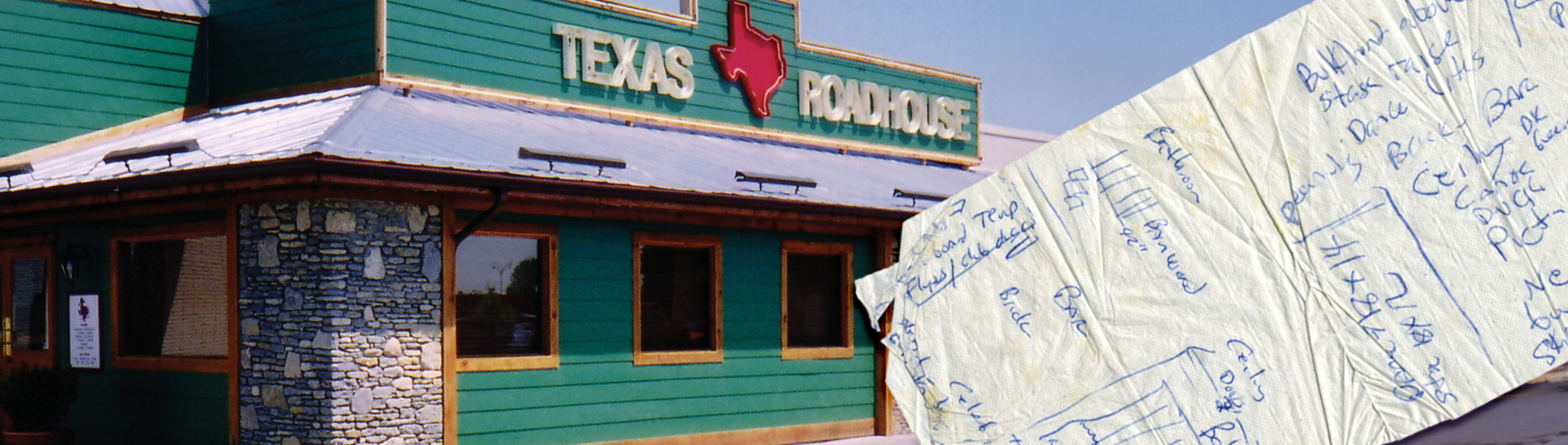
The Visionary Behind the Brand: Kent Taylor’s Dream
The story of Texas Roadhouse begins not in Texas, but in the mind of one man, Kent Taylor, whose vision for a different kind of steakhouse experience would ultimately redefine casual dining. Taylor’s journey was marked by a relentless pursuit of an idea he believed in, demonstrating the entrepreneurial spirit essential for groundbreaking brand creation.
From Humble Beginnings to a Grand Idea
Kent Taylor’s background was steeped in the restaurant industry, having worked for various chains and concepts throughout his career. This hands-on experience provided him with a comprehensive understanding of what worked, what didn’t, and, crucially, what was missing from the market. He observed that many steakhouses at the time either offered an upscale, expensive experience or a more budget-friendly, often lower-quality alternative. There was a void for a place that combined high-quality, made-from-scratch food – particularly steaks – with an energetic, family-friendly atmosphere at an affordable price point.
Taylor’s grand idea wasn’t just to open another restaurant; it was to create a concept. He envisioned a place that evoked the spirit of Texas – hearty, generous, and welcoming – regardless of its actual geographic location. This vision extended beyond the menu; it encompassed the entire sensory experience: the smell of sizzling steaks, the sound of country music, the sight of peanut shells on the floor, and the feeling of genuine warmth from the staff. He knew that for his brand to stand out, it needed a personality that was both authentic and infectious, a character that customers would remember and return for.
The Founding Principles of a “Legendary” Experience
Before the first restaurant ever opened its doors, Kent Taylor meticulously crafted the core principles that would become the DNA of the Texas Roadhouse brand. These principles were not mere operational guidelines but deeply ingrained values that shaped every aspect of the customer experience and employee culture.
Firstly, the commitment to “Legendary Food” was paramount. This meant an unwavering focus on quality: hand-cut steaks, made-from-scratch sides, freshly baked bread, and a strict avoidance of frozen ingredients whenever possible. Taylor believed that taste and quality were non-negotiable foundations for customer loyalty. This commitment became a powerful brand differentiator, setting Texas Roadhouse apart from competitors reliant on pre-packaged or mass-produced items.
Secondly, “Legendary Service” was equally critical. Taylor understood that while food brought people in, exceptional service made them return. This translated into a culture of genuine hospitality, where staff were not just servers but “Roadies” – ambassadors of the brand who were encouraged to be friendly, attentive, and engaged. The goal was to create an atmosphere where every guest felt like a valued friend, not just another transaction. This emphasis on human connection forms a significant part of the brand’s appeal and is a cornerstone of its identity.
Finally, the concept revolved around value. Taylor wanted to offer a premium steakhouse experience without the premium price tag, making quality dining accessible to a broader audience. This combination of quality, service, and affordability became the formidable triumvirate that would define the Texas Roadhouse brand and drive its initial and sustained success.
The Inaugural Steakhouse: Finding Its First Home
With a clear vision and strong foundational principles, Kent Taylor set out to bring his dream to life. The choice of location for the very first Texas Roadhouse was strategic, yet also somewhat unexpected, planting its roots far from the Lone Star State it aimed to embody.
The Genesis Point: Clarksville, Indiana (1993)
Contrary to what the name might suggest, the very first Texas Roadhouse restaurant opened its doors in Clarksville, Indiana, in 1993. This choice of location was not random but a calculated move by Taylor, who saw potential in the suburban market. It was here, in a relatively unassuming setting, that the brand’s concept was first tested and refined.
The initial restaurant was an embodiment of Taylor’s vision: a rustic, lodge-like interior, country music playing, the distinctive aroma of grilled meat, and a bucket of peanuts waiting at every table. It wasn’t just a place to eat; it was an immersive experience designed to transport diners to a different place and frame of mind. This inaugural location served as the prototype, allowing Taylor and his team to observe customer reactions, fine-tune the menu, streamline operations, and solidify the unique brand personality that would eventually be replicated across hundreds of establishments. It was the laboratory where the nascent brand identity began to take concrete form.
Early Challenges and Adaptations
Launching any new brand comes with its share of hurdles, and Texas Roadhouse was no exception. The initial days were fraught with challenges, from securing adequate funding to perfecting operational efficiencies. Kent Taylor famously lived in his car for a period during the early stages, a testament to his unwavering dedication and belief in his brand.
One significant challenge was establishing the brand’s unique identity in a crowded restaurant landscape. It wasn’t enough to just serve good food; the experience had to be consistently memorable. This required continuous iteration and adaptation. The team meticulously gathered feedback, adjusted menu items, refined service protocols, and enhanced the signature elements – like the line dancing staff and the interactive experience of choosing your own steak from a display – that resonated most with customers. These early adaptations were critical for shaping the brand into a robust and beloved concept. The ability to learn and evolve quickly during this foundational period ensured that the brand’s core offering was not only appealing but also operationally sound, setting the stage for future growth.
Crafting the Texas Roadhouse Brand Identity
The success of Texas Roadhouse extends far beyond its food; it lies in its meticulously crafted brand identity, which transforms a meal into an memorable occasion. This identity is a symphony of sensory experiences, cultural elements, and a deep-seated commitment to its people.
Atmosphere as a Core Brand Asset
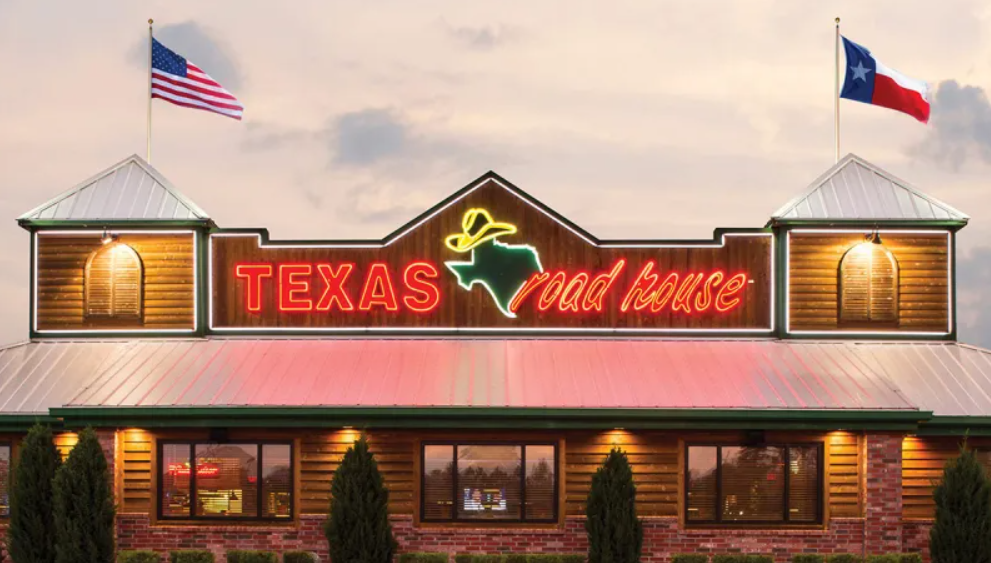
From the moment a guest steps into a Texas Roadhouse, they are enveloped in an atmosphere that is intentionally curated to be lively, welcoming, and distinctly “Texas Roadhouse.” This atmosphere is a central pillar of the brand’s asset portfolio. The décor, often featuring rustic wood, taxidermy, and local memorabilia, contributes to a down-home, unpretentious feel. The upbeat country music playlist adds an auditory layer that energizes the space. Perhaps most famously, the complimentary buckets of peanuts on every table, with shells encouraged to be dropped on the floor, create an interactive, relaxed, and almost playful dining environment that immediately sets it apart from more formal establishments.
Beyond the aesthetics, the service style further enhances this atmosphere. Servers are known for their genuine friendliness and often engage in impromptu line dances, injecting an element of fun and spontaneity that reinforces the brand’s energetic personality. This focus on creating a complete sensory and emotional experience rather than just serving food is a powerful branding strategy, cultivating a strong emotional connection with customers and fostering loyalty. It’s not just a restaurant; it’s an escape, a mini-celebration every time.
The “Legendary Food, Legendary Service” Promise
The brand’s promise, “Legendary Food, Legendary Service,” is more than a slogan; it’s a foundational commitment that permeates every aspect of the business. This promise is the cornerstone of its value proposition and a key driver of its success.
“Legendary Food” speaks to the quality and craftsmanship that define the menu. The emphasis on hand-cut steaks, fresh ingredients, and made-from-scratch dishes directly addresses a consumer desire for authentic, high-quality meals. This promise is consistently delivered through rigorous quality control, skilled chefs, and a dedication to culinary excellence. By delivering on this promise, Texas Roadhouse builds trust and reinforces its reputation as a reliable destination for a great steak.
“Legendary Service” refers to the exceptional hospitality provided by the staff. This isn’t just about efficiency; it’s about warmth, attentiveness, and a genuine desire to make guests feel at home. Training programs instill a culture of proactive service, encouraging employees to anticipate needs and engage with diners in a friendly, personable manner. This combination of top-tier food and outstanding service creates a compelling brand narrative that resonates deeply with its target audience, driving repeat business and positive word-of-mouth – one of the most powerful forms of brand advocacy.
Building a Culture: Employee Engagement and Internal Branding
A strong external brand identity is often a direct reflection of a robust internal culture. Texas Roadhouse understands this intrinsically, placing significant emphasis on employee engagement and internal branding. The company actively cultivates a fun, supportive, and rewarding work environment, which in turn fuels the “Legendary Service” experienced by customers.
Employees, affectionately known as “Roadies,” are seen as integral to the brand’s success. The company invests in comprehensive training, career development opportunities, and a recognition system that celebrates their contributions. This focus on employee well-being and satisfaction creates a highly motivated workforce who genuinely enjoy their jobs and, consequently, provide better service. When employees feel valued and are proud to be part of the brand, they become authentic ambassadors, embodying the company’s values and contributing to a positive brand perception. This internal branding strategy ensures that the brand’s promise is delivered consistently from the inside out, fostering a genuine connection between the staff and the customers.
Expansion and Brand Evolution: From Local Gem to National Powerhouse
The successful brand identity established in Clarksville paved the way for Texas Roadhouse’s remarkable expansion, transforming it from a single restaurant into a national powerhouse with hundreds of locations. This growth, however, required careful strategic planning to ensure that the core brand essence remained intact.
Strategic Growth and Franchise Model
Texas Roadhouse’s growth strategy was a masterclass in controlled expansion, blending corporate-owned stores with a thoughtful franchise model. This dual approach allowed for rapid scaling while maintaining significant control over brand standards and quality. For Kent Taylor, finding the right franchisees was paramount; they needed to be passionate about the brand’s vision and committed to upholding its core values. This selective approach ensured that each new location, whether corporate or franchised, faithfully replicated the “Legendary Food, Legendary Service” promise and the distinctive atmosphere that defined the brand. The consistency across locations became a hallmark, reinforcing the brand’s reliability and building trust with a national customer base.
Maintaining Authenticity Amidst Scale
One of the greatest challenges for any growing brand is maintaining its authenticity and unique personality as it scales. Texas Roadhouse successfully navigated this by embedding its original principles deeply into its operational DNA. Despite hundreds of locations, the commitment to hand-cut steaks, made-from-scratch sides, and freshly baked bread remained non-negotiable. This meant establishing robust supply chains, rigorous training programs, and a strong corporate culture that celebrated the brand’s roots.
The brand also ensured that its lively atmosphere and distinctive customer interactions, such as the line dancing and peanut shells, were replicated consistently. This wasn’t about rigid standardization for its own sake, but about ensuring that the emotional connection and experiential richness that defined the brand’s initial success were present in every new restaurant, regardless of its location. This unwavering commitment to its original identity allowed Texas Roadhouse to grow without diluting the very essence that made it special.
Marketing and Brand Storytelling
Throughout its evolution, Texas Roadhouse has leveraged effective marketing and brand storytelling to reinforce its origins and communicate its unique value proposition. While not always relying on large-scale national ad campaigns, the brand’s marketing efforts have focused on authenticity, community engagement, and highlighting its core differentiators.
Local store marketing, community sponsorships, and a strong emphasis on word-of-mouth have been key. The brand’s narrative consistently emphasizes its “legendary” status, the quality of its food, and the fun, family-friendly atmosphere. This storytelling isn’t just about selling steaks; it’s about selling an experience, a sense of belonging, and a consistent promise. By continuously referring back to its foundational principles and the “Roadie” culture, Texas Roadhouse ensures that its brand story remains coherent, compelling, and deeply rooted in the vision that began in Clarksville, Indiana, solidifying its place as a beloved American institution.
Conclusion
The origin story of Texas Roadhouse is a compelling case study in brand building, demonstrating that a clear vision, unwavering commitment to core principles, and meticulous execution can transform a simple idea into an industry leader. From Kent Taylor’s initial dream in Clarksville, Indiana, to the iconic brand it is today, Texas Roadhouse has consistently delivered on its promise of “Legendary Food, Legendary Service.” Its success is not merely a result of serving good steaks but of expertly crafting an entire brand experience – from the atmosphere and service culture to the tangible quality of its menu items. Understanding where Texas Roadhouse originated reveals the profound impact that a well-defined brand identity, nurtured from inception and faithfully maintained through growth, can have on achieving enduring success and cultivating a fiercely loyal customer base in the ever-competitive restaurant landscape.
aViewFromTheCave is a participant in the Amazon Services LLC Associates Program, an affiliate advertising program designed to provide a means for sites to earn advertising fees by advertising and linking to Amazon.com. Amazon, the Amazon logo, AmazonSupply, and the AmazonSupply logo are trademarks of Amazon.com, Inc. or its affiliates. As an Amazon Associate we earn affiliate commissions from qualifying purchases.