
Purchasing a used car is one of the most significant financial decisions many individuals make, second only to a home purchase for some. It’s a choice fraught with opportunities for savings but also potential pitfalls, making the “where” just as critical as the “what” you buy. In today’s diverse automotive market, the avenues for acquiring a pre-owned vehicle are more varied than ever before. From traditional brick-and-mortar dealerships to digital marketplaces and even private transactions, each option presents a unique set of financial implications, advantages, and risks. Making an informed decision requires understanding these nuances, aligning your budget with your priorities, and meticulously evaluating the financial health of both the vehicle and the purchasing process itself. This guide delves into the various places you can buy a used car, seen through the lens of personal finance, helping you navigate the options to secure not just a mode of transportation, but a financially sound investment.
Traditional Dealerships: Convenience and Structured Financing
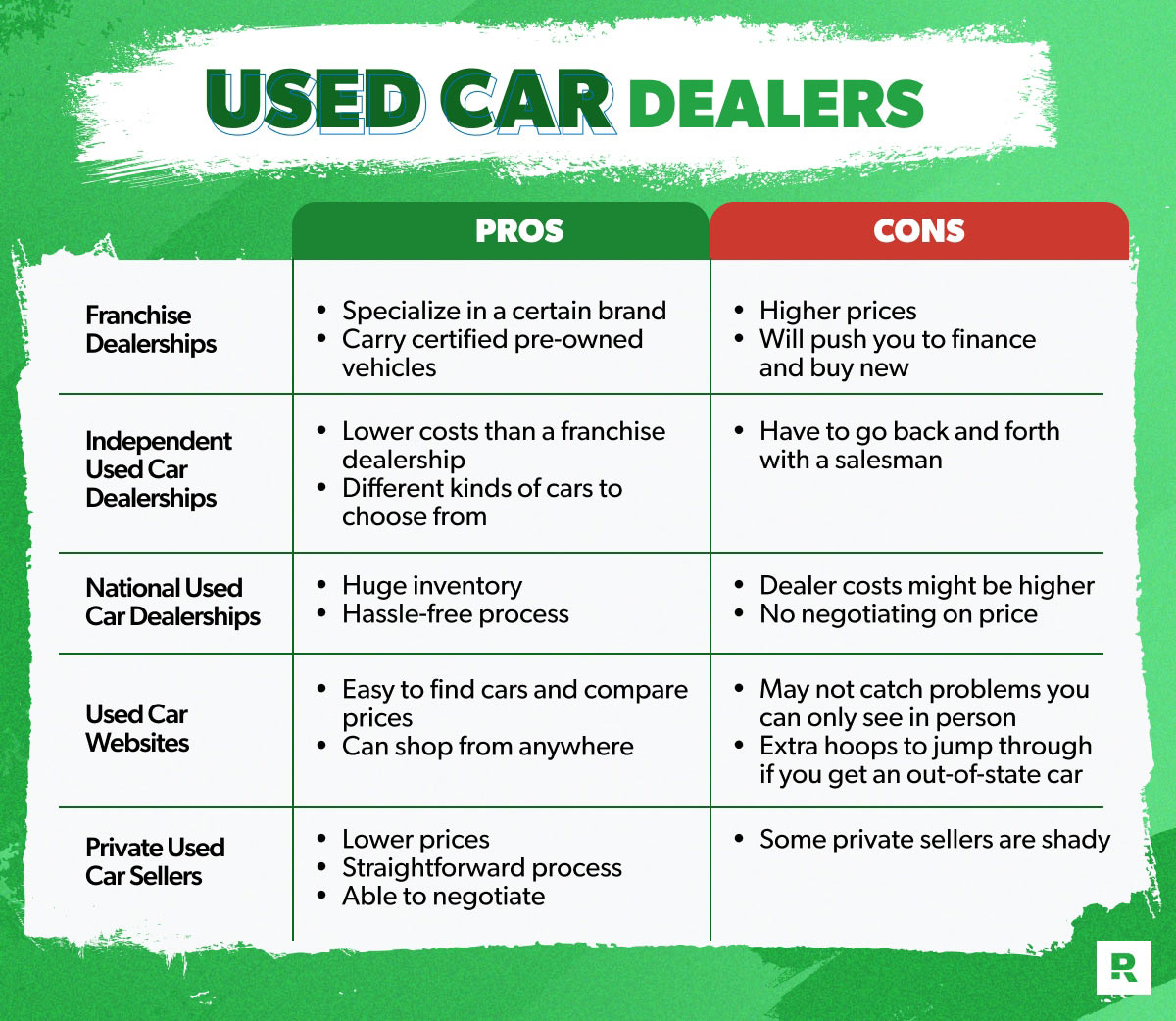
For many, the first thought when considering a used car purchase defaults to the traditional dealership. These establishments offer a familiar and often convenient experience, consolidating many aspects of the car-buying process under one roof. However, this convenience often comes with a financial premium that savvy buyers must scrutinize.
Advantages of Dealership Purchases
Dealerships excel in offering a streamlined buying experience. They typically boast a wide selection of vehicles, allowing buyers to compare multiple makes and models side-by-side without traveling to various locations. A significant draw is the professional sales assistance; trained personnel can guide buyers through options, features, and the purchase process, potentially saving time and effort.
A major financial advantage unique to dealerships, particularly franchise dealerships, is access to Certified Pre-Owned (CPO) programs. CPO vehicles undergo rigorous multi-point inspections and reconditioning processes to meet manufacturer standards. They often come with extended warranties and roadside assistance, offering a level of confidence and financial protection akin to buying a new car, but at a significantly lower depreciation curve. For buyers seeking reduced risk and a more predictable financial outlook post-purchase, CPO programs can justify their higher price point. Furthermore, dealerships can facilitate trade-ins, simplifying the process of offloading your old vehicle and potentially reducing the sales tax burden on your new purchase. They also handle all the necessary paperwork, from title transfers to registration, removing administrative complexities for the buyer.
Financial Considerations and Potential Drawbacks
While convenient, purchasing from a dealership inherently carries higher costs. These businesses have significant overheads—facilities, inventory maintenance, staffing, and marketing—all of which are factored into the vehicle’s selling price. Consequently, prices for comparable vehicles are generally higher at dealerships than through private sales.
Effective negotiation skills are paramount when dealing with dealerships. The sticker price is rarely the final price, and astute buyers can leverage market research (e.g., using Kelley Blue Book or Edmunds) to negotiate a fair deal, not just on the vehicle’s price but also on trade-in value and financing terms. Speaking of financing, dealerships often offer in-house financing options, which can be convenient but may not always be the most competitive. Buyers should always secure pre-approval from external lenders (banks, credit unions) before stepping onto the lot to ensure they have a benchmark for comparison and leverage in negotiations. This proactive step can reveal potentially lower interest rates or more favorable terms, directly impacting the total cost of ownership over the loan’s life. Finally, buyers must be wary of “add-ons” and upselling, such as extended warranties, paint protection, or service packages. While some might offer legitimate value, others can inflate the total cost significantly, eating into your budget without providing commensurate financial benefit. Each add-on should be evaluated for its necessity and cost-effectiveness.
Private Sellers: Maximizing Value and Direct Negotiation
Bypassing dealerships to buy directly from a private seller can be a highly attractive option for budget-conscious buyers seeking to maximize their purchasing power. This route often promises lower prices and a more direct, transparent transaction, but it also places a greater burden of responsibility and risk on the buyer.
The Allure of Private Party Sales
The primary financial advantage of buying from a private seller is the potentially lower price. Without the overhead costs of a dealership, private sellers can often afford to list their vehicles at more competitive prices, offering better value for money. This direct-to-consumer model means that the buyer is essentially paying for the car itself, rather than subsidizing a dealership’s operational expenses.
Another significant benefit is the opportunity for direct communication with the previous owner. This can provide invaluable insight into the vehicle’s history, maintenance schedule, typical driving conditions, and any quirks it might have. Understanding these details directly from someone who has lived with the car can offer a level of transparency that’s often unattainable from a dealership, helping buyers assess the true long-term financial commitment to maintenance and potential repairs. Furthermore, private sales typically offer more room for negotiation. Sellers are often more flexible and willing to haggle on price, especially if they are motivated to sell quickly, directly translating into potential savings for the buyer.
Mitigating Financial Risks and Ensuring Due Diligence
While attractive, private party sales come with inherent risks that demand meticulous financial and mechanical due diligence. Unlike dealerships, private sales offer no inherent warranties or consumer protections. The transaction is typically “as-is,” meaning once the money changes hands, any subsequent issues become the buyer’s sole financial responsibility. This necessitates a thorough pre-purchase inspection (PPI) by an independent, trusted mechanic. Investing a modest sum (typically $100-$200) for a PPI can uncover hidden mechanical problems, frame damage, or other issues that could lead to thousands in repair costs down the line, making it one of the smartest financial decisions a private buyer can make.
Securing financing independently before you start shopping is crucial for private sales, as sellers generally cannot offer financing. Having approved financing in hand not only solidifies your budget but also enables you to act quickly when you find the right vehicle. The process of handling title transfer, registration, and secure payment also falls squarely on the buyer and seller. Buyers must verify the seller’s ownership (matching title to ID), ensure the title is clear of liens, and use secure payment methods like a cashier’s check or an escrow service, especially for high-value transactions, to prevent fraud. Failure to properly execute these steps can lead to significant legal and financial headaches. Buyers should also be acutely aware of scams, which are unfortunately common in the private market, ranging from fraudulent titles to misrepresented vehicles or rushed sales tactics.
Online Marketplaces and Auctions: Expanding Your Reach and Finding Niche Deals
The digital age has revolutionized how we shop for everything, and used cars are no exception. Online platforms and auctions offer unparalleled access to vast inventories, catering to a broad spectrum of buyers, from those seeking convenience to those hunting for deep discounts.
Digital Platforms for Broad Selection
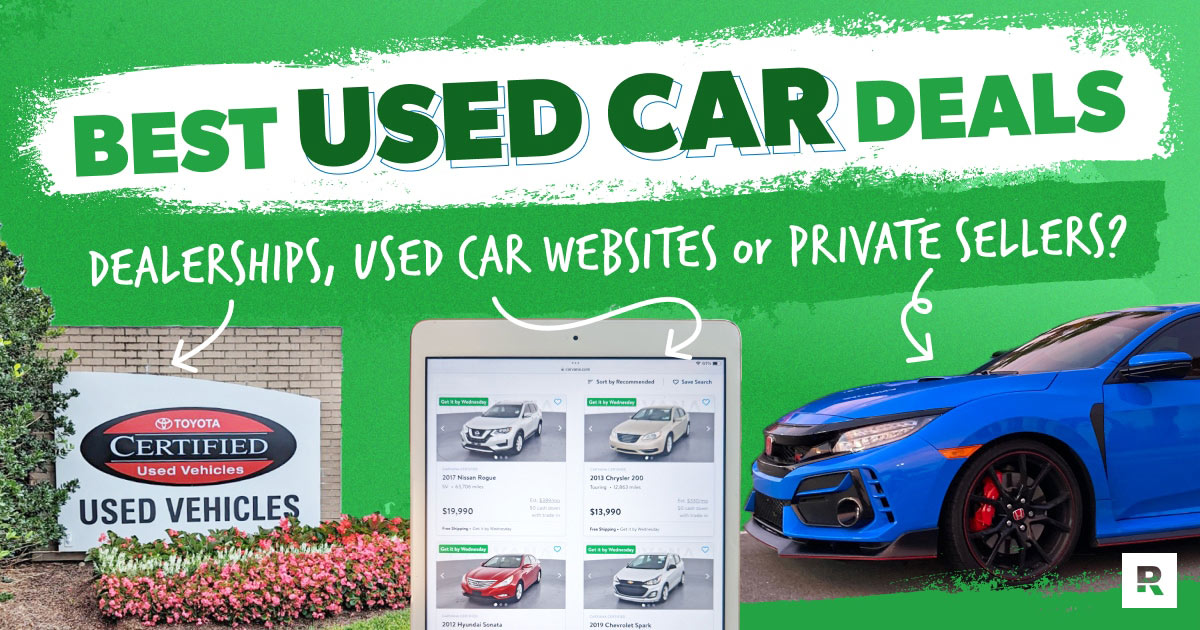
Dedicated used car websites like CarGurus, Autotrader, and Cars.com have become indispensable tools for modern car buyers. These platforms aggregate listings from both dealerships and private sellers, offering an incredibly vast inventory that transcends geographical limitations. They provide powerful search filters, comparison tools, and access to vehicle history reports (e.g., CarFax, AutoCheck) directly from the listing, empowering buyers with data to make informed financial assessments. Similarly, general classifieds like Craigslist and Facebook Marketplace, while requiring more caution, can also unearth local deals from private sellers. The sheer volume and diversity of vehicles available online mean buyers can more easily find specific makes, models, or even niche vehicles that align perfectly with their budget and needs, often at competitive prices due to increased transparency and competition.
Navigating Online Transactions and Financial Safeguards
While offering convenience, online purchases introduce unique financial considerations and risks. Verification of both the seller and the vehicle’s legitimacy is paramount. Always run a Vehicle Identification Number (VIN) check through independent services to confirm the car’s history, title status, and reported accidents. For vehicles located far away, logistics for test drives and pre-purchase inspections become more complex and potentially costly. Buyers might need to arrange for a mobile mechanic or travel, adding to the initial outlay.
Secure payment methods are critical, particularly for out-of-state or high-value online purchases. Escrow services, bank wires (with extreme caution and verification), or certified checks are generally safer than cash or personal checks. Be wary of sellers demanding unusual payment methods or rushing the transaction. Understanding buyer protections offered by specific platforms, if any, is also important; some sites offer guarantees or dispute resolution services that can provide a layer of financial security.
Public and Online Auctions
Car auctions, whether physical or online (like Copart, IAAI for salvage/insurance, or larger public auto auctions), represent another avenue for used car acquisition, often promising significant savings. These venues can be treasure troves for those with mechanical knowledge or a high tolerance for risk. However, they are typically “as-is” sales, meaning little to no opportunity for pre-purchase inspections, test drives, or negotiation. The condition of vehicles can range from pristine to salvage, and buyers often assume all financial responsibility for repairs. This makes auctions suitable primarily for experienced buyers, mechanics, or those with access to reliable repair services.
Beyond the hammer price, buyers must factor in additional costs such as a “buyer’s premium” (a percentage fee charged by the auction house), transportation costs, and potential reconditioning expenses. Without proper due diligence and a clear understanding of the risks, an auction purchase can quickly become a financial liability rather than a bargain.
Other Avenues: Exploring Niche and Specialized Options
Beyond the mainstream choices, several specialized avenues exist for purchasing used cars, each with its own financial profile and target audience.
Car Brokers and Buying Services
For buyers who value time over cost, or who lack confidence in their negotiation skills, a car broker or buying service can be a valuable resource. These professionals charge a fee (either flat or a percentage of savings) to find a vehicle that meets your specifications, negotiate the price, and often handle the paperwork. While they introduce an additional cost, they can potentially save buyers more in negotiation and by avoiding costly mistakes, making them a financially prudent choice for certain individuals.
Rental Car Companies and Fleet Sales
Major rental car companies (e.g., Enterprise, Hertz, Avis) regularly sell off portions of their fleets. These vehicles are typically well-maintained, have detailed service records, and are relatively new models, though they often come with higher mileage for their age. Buyers can find good deals on recent models that have been professionally serviced, offering a known history and a level of reliability that can be appealing. The trade-off is often higher wear and tear from multiple drivers, which warrants a thorough inspection.
Credit Unions and Bank Repossessions
Financial institutions occasionally sell repossessed vehicles. These can represent opportunities for good value, as banks are typically motivated to recover their losses rather than profit significantly. However, selection is often limited, and vehicles are sold “as-is,” meaning buyers must undertake thorough research and inspection. The history of repossession might also mean a period of neglect before the bank took possession, so caution and a keen eye for potential issues are crucial to avoid future unexpected repair costs.
Conclusion: Making an Informed Financial Choice
The journey to buying a used car is a complex financial endeavor, with the “where” influencing not just the purchase price, but the long-term cost of ownership, risk exposure, and overall satisfaction. Each avenue—from the structured environment of a traditional dealership to the direct engagement of a private seller, the expansive reach of online marketplaces, or the high-risk, high-reward nature of auctions—presents a unique set of financial trade-offs.
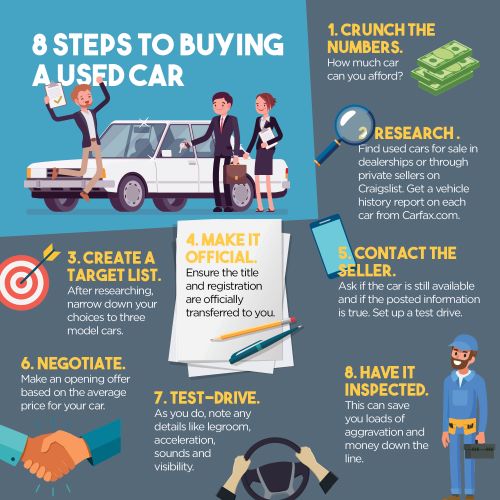
A financially savvy used car purchase hinges on thorough research, meticulous budgeting, and an unwavering commitment to due diligence. This includes understanding all costs involved: the purchase price, potential financing charges, insurance premiums, anticipated maintenance, and ongoing registration fees. Regardless of where you choose to buy, prioritizing a pre-purchase inspection by an independent mechanic is non-negotiable for mitigating financial risks.
Ultimately, the “best” place to buy a used car is subjective, aligning with individual priorities: your budget constraints, tolerance for risk, desire for convenience, and level of mechanical expertise. Whether you prioritize the peace of mind offered by a CPO program, the deep savings of a private sale, or the vast selection of online platforms, remember that a smart used car purchase is an investment—not just in mobility, but in your financial prudence and long-term economic well-being. By weighing these factors carefully and approaching the transaction with an informed mindset, you can navigate the used car market successfully and drive away with a vehicle that truly serves your financial interests.
aViewFromTheCave is a participant in the Amazon Services LLC Associates Program, an affiliate advertising program designed to provide a means for sites to earn advertising fees by advertising and linking to Amazon.com. Amazon, the Amazon logo, AmazonSupply, and the AmazonSupply logo are trademarks of Amazon.com, Inc. or its affiliates. As an Amazon Associate we earn affiliate commissions from qualifying purchases.