
In an era dominated by globalized digital finance, the search for a “loan near me” remains one of the most frequent inquiries in the personal finance sector. While the internet has made it possible to secure funding from a lender thousands of miles away, there is an enduring value in local financial relationships. Whether you are seeking a personal loan to consolidate debt, a small business loan to expand a local enterprise, or an emergency line of credit, understanding the geographic and institutional landscape of lending is crucial for securing the best terms.

The phrase “near me” encompasses both physical proximity—the ability to walk into a branch and speak with a loan officer—and regulatory proximity, referring to lenders licensed to operate within your specific state or jurisdiction. This guide explores the various avenues for securing a loan, the pros and cons of different local institutions, and the financial tools available to help you navigate your options.
Understanding the Landscape of Local Lending
When consumers search for local loans, they are typically looking for stability, personalized service, and a sense of accountability that digital-only “faceless” entities sometimes lack. Local lending is anchored by three primary types of institutions, each with its own set of advantages and entry requirements.
Traditional Banks and Credit Unions
National and regional banks are the most visible options. These institutions offer a wide array of products, from mortgages to personal lines of credit. However, for many individuals, credit unions represent a more “neighborly” approach to finance. Credit unions are member-owned cooperatives. Because they are not beholden to shareholders, they often return profits to members in the form of lower interest rates on loans and higher yields on savings. When searching for a loan “near me,” a local credit union is often the most cost-effective starting point, provided you meet their membership criteria, which are usually based on your place of residence, employer, or association.
Community Development Financial Institutions (CDFIs)
For those in underserved communities or those who may not qualify for traditional bank loans, CDFIs are a vital local resource. These are specialized financial institutions that provide credit and financial services to populations that are often overlooked by mainstream banks. CDFIs are mission-driven, focusing on community revitalization and local economic development. If you are a small business owner looking for a loan to revitalize a neighborhood storefront, a local CDFI can provide not only capital but also mentorship and technical assistance.
Private Wealth and Boutique Lenders
In many metropolitan areas, boutique lending firms cater to specific niches, such as high-net-worth individuals, real estate investors, or specific industries like medical or legal practices. These lenders offer highly customized loan structures. While their interest rates may be higher than a standard bank’s, their ability to move quickly and look beyond a standard credit score makes them a preferred choice for local entrepreneurs who need agile financing.
Specialized Short-Term and Alternative Loan Sources
Not all financial needs are long-term or substantial. Sometimes, a “loan near me” is an urgent requirement for a few hundred dollars to cover an unexpected car repair or medical bill. In these instances, alternative local lenders often fill the gap, though they require a higher degree of scrutiny from the borrower.
Payday and Title Loans: Risks and Alternatives
Payday lenders and auto title loan offices are common fixtures in many neighborhoods. They offer immediate cash with almost no credit check. However, these are among the most expensive ways to borrow money. Annual Percentage Rates (APRs) can soar into the triple digits. Before choosing a local payday lender, it is essential to look for “Payday Alternative Loans” (PALs) offered by many local credit unions. These provide the same speed and small-dollar amounts but are regulated to ensure the interest rates remain manageable and the borrower is not trapped in a cycle of debt.
Pawnshop Loans: Fast Cash Without Credit Checks
Pawnshops offer a unique form of local lending based on collateral rather than creditworthiness. By providing an item of value—such as jewelry, electronics, or tools—you can receive a fraction of the item’s value as a cash loan. The advantage is that there is no impact on your credit score if you fail to repay; the lender simply keeps and sells the item. For those who need a loan “near me” but have a damaged credit history, this is a localized, low-risk way to access liquidity without involving debt collectors.
Peer-to-Peer (P2P) Local Networks
While P2P lending is largely an online phenomenon, there are local investment clubs and private lending circles that operate on similar principles. These groups consist of local investors who pool their money to lend to individuals or businesses within their own city. This “hyper-local” lending is often based on character and community standing as much as it is on financial statements, making it a powerful tool for those with deep roots in their local area.
Leveraging Digital Tools to Find “Near Me” Opportunities
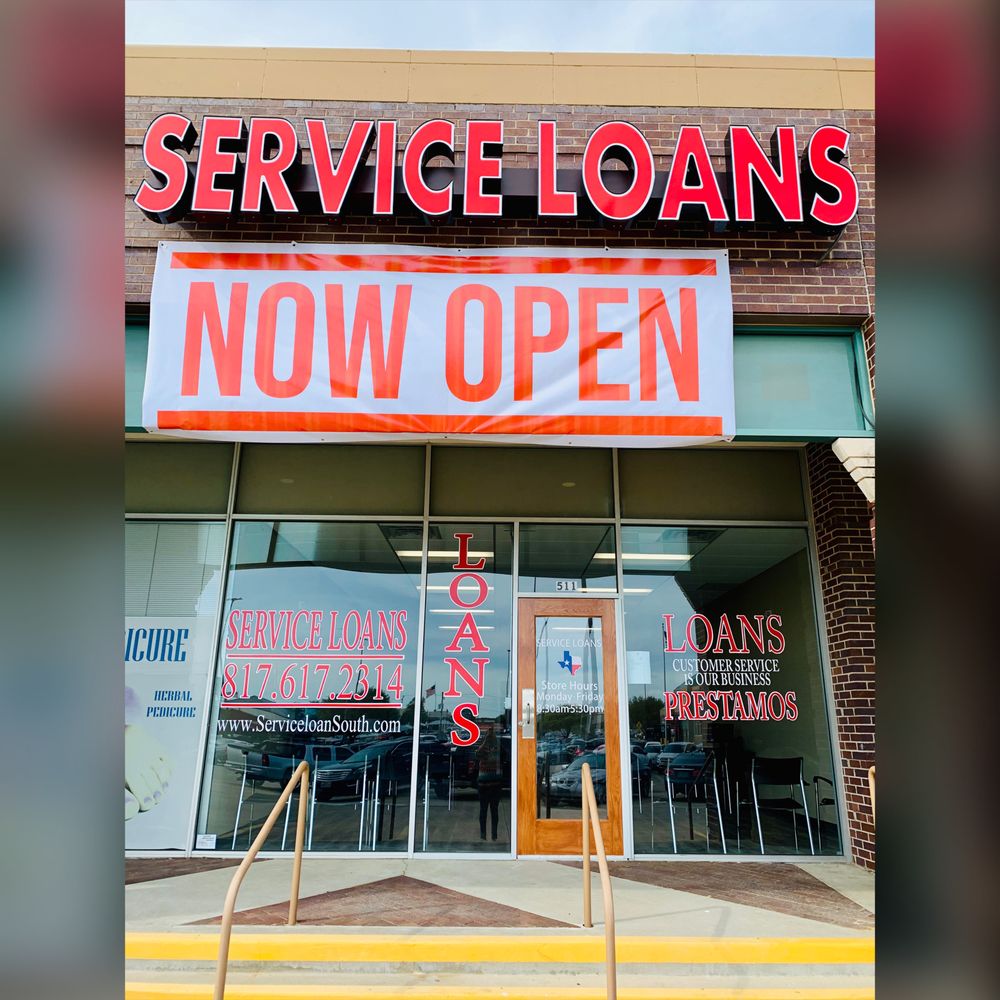
The search for a local loan today almost always begins with a digital interface. Technology has not replaced local lending; rather, it has made it more accessible. By using specific financial tools, you can filter through the noise to find the most reputable lenders in your immediate vicinity.
Geo-Targeted Search Engines and Financial Directories
When you search for a loan online, search engines utilize your IP address or GPS data to provide localized results. However, to get the most accurate information, you should utilize dedicated financial directories. Websites that aggregate local bank data allow you to compare the interest rates of banks in your specific zip code. This prevents you from being misled by national averages that might not apply to your local market.
Mobile Banking Apps and Instant Approval Tech
Most local banks and credit unions now offer sophisticated mobile apps that allow you to apply for a loan from your living room while still dealing with a local branch. These apps use automated underwriting systems to provide instant or near-instant pre-approval. This hybrid approach gives you the “near me” security of a physical branch nearby if things go wrong, combined with the efficiency of modern fintech.
Comparison Platforms for Local Interest Rates
Before visiting a physical location, use online comparison tools that focus specifically on regional lenders. These platforms allow you to input your credit score and loan amount to see which local institutions are currently offering the most competitive promotions. Often, local banks run “limited time” specials on home equity lines of credit (HELOCs) or auto loans that are only available to residents of specific counties.
Key Factors to Evaluate Before Signing
Regardless of how close a lender is to your home, the quality of the loan is defined by its terms. Proximity should never be a substitute for due diligence. There are several critical factors that every borrower must analyze to ensure the loan is a benefit rather than a burden.
Interest Rates and APR Disclosures
The most important number in any loan agreement is the Annual Percentage Rate (APR). Unlike the simple interest rate, the APR includes the interest plus any origination fees, closing costs, or administrative charges. Local lenders are legally required to disclose the APR. When comparing a loan from a local bank versus an online lender, ensure you are comparing the APR to see the true cost of the capital.
Repayment Terms and Flexibility
A loan is only as good as your ability to pay it back. Examine the term length—whether it is a 12-month personal loan or a 5-year business loan. Furthermore, ask about “pre-payment penalties.” Some local lenders make their profit on the interest accrued over the full life of the loan and may charge you a fee if you try to pay it off early. Ideally, you want a local lender that rewards early repayment, allowing you to save on interest.
Impact on Your Credit Score
A loan is a major event in your financial life. Ensure that the lender reports your on-time payments to the three major credit bureaus (Equifax, Experian, and TransUnion). Some small, “no-credit-check” local lenders do not report positive payment history, which means you gain the cash but lose the opportunity to build your credit score. Conversely, ensure the initial “quote” is a “soft pull” on your credit, which doesn’t lower your score, rather than a “hard pull.”
Preparing Your Application for Local Approval
Once you have identified a lender near you, the final step is the application process. Local lenders, particularly credit unions and community banks, often have more flexible underwriting than national giants, but they still require a professional and organized presentation of your finances.
Necessary Documentation and Financial Records
To expedite a local loan approval, arrive prepared with a “loan packet.” This should include recent pay stubs, at least two years of tax returns, and recent bank statements. If you are applying for a business loan, include a clear business plan and a profit-and-loss statement. Having these documents ready shows the local loan officer that you are a serious and low-risk borrower.
Improving Your Loan-to-Income Ratio
Local lenders look closely at your Debt-to-Income (DTI) ratio. This is the percentage of your gross monthly income that goes toward paying debts. If your DTI is too high, you may be denied even if you have a good credit score. Before applying for a loan near you, try to pay down small balances on credit cards or other lines of credit to “free up” room in your DTI, making you a much more attractive candidate for a new loan.

Professional Etiquette for In-Person Consultations
One of the distinct advantages of a local loan is the ability to advocate for yourself in person. If your credit score is less than perfect because of a specific life event (like a medical emergency or a temporary job loss), you can explain this to a local loan officer. This human element is the “X-factor” of local lending. Approaching the meeting with professional etiquette, transparency, and a clear plan for repayment can often turn a “no” into a “yes.”
In conclusion, finding a loan “near me” is a strategic blend of leveraging local institutional trust and utilizing modern financial technology. By exploring credit unions, understanding the risks of short-term lenders, and preparing a robust financial profile, you can secure the funding you need while supporting the financial ecosystem of your own community. Always prioritize the APR and repayment terms over mere convenience, ensuring that your local loan serves as a stepping stone toward greater financial health.
aViewFromTheCave is a participant in the Amazon Services LLC Associates Program, an affiliate advertising program designed to provide a means for sites to earn advertising fees by advertising and linking to Amazon.com. Amazon, the Amazon logo, AmazonSupply, and the AmazonSupply logo are trademarks of Amazon.com, Inc. or its affiliates. As an Amazon Associate we earn affiliate commissions from qualifying purchases.