
For business owners, freelancers, and accounting professionals, the arrival of January marks the beginning of “1099 season.” The 1099 form is a critical component of the United States tax system, used to report various types of income other than wages, salaries, and tips. Understanding where to obtain these forms and how to process them correctly is not just a clerical task; it is a fundamental aspect of sound business finance and regulatory compliance.
Failure to properly issue 1099s can lead to significant financial penalties from the Internal Revenue Service (IRS) and can complicate your business’s financial audits. Whether you are a solo entrepreneur hiring your first graphic designer or a growing enterprise managing a fleet of vendors, knowing the logistics of 1099 forms is essential for maintaining a healthy bottom line.
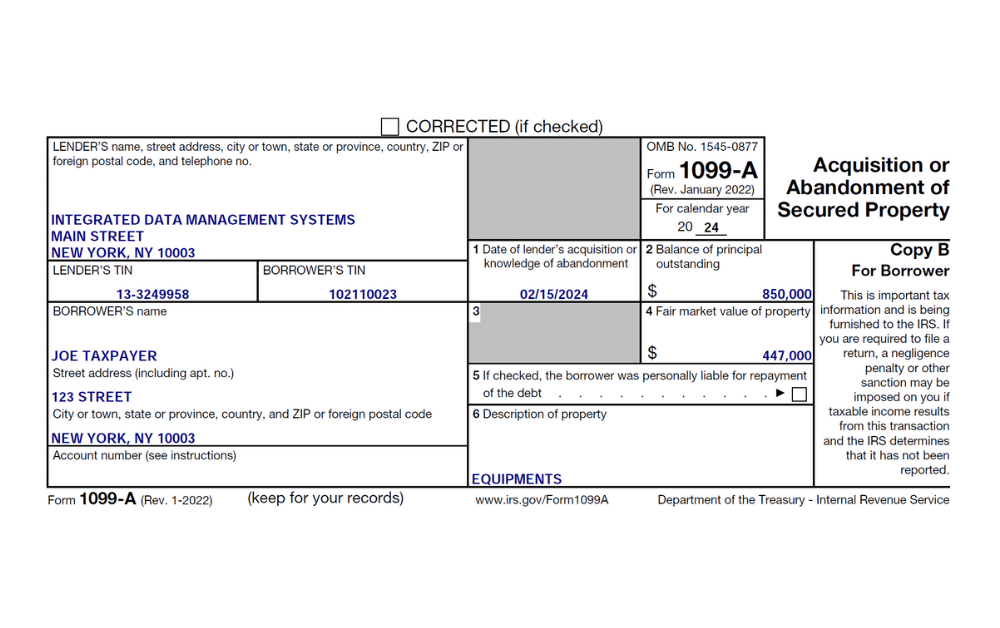
Understanding the Role of 1099 Forms in Business Finance
Before sourcing the forms, it is vital to understand what they represent in the broader context of your financial ecosystem. A 1099 form is an “information return.” While you use it to notify the IRS of payments made, it also serves as a record-keeping tool that ensures transparency in the flow of capital between businesses and independent contractors.
What is a 1099 Form and Why Does it Matter?
The 1099 series consists of several variations, but the most common goal is to report non-employee compensation. In the eyes of the IRS, if you pay an individual or an unincorporated business $600 or more during a tax year for services rendered, you are required to document that transaction. From a personal finance perspective, this ensures that the recipient is held accountable for their income tax, and from a business finance perspective, it provides a paper trail for your tax-deductible expenses.
Common Types of 1099 Forms (NEC, MISC, and K)
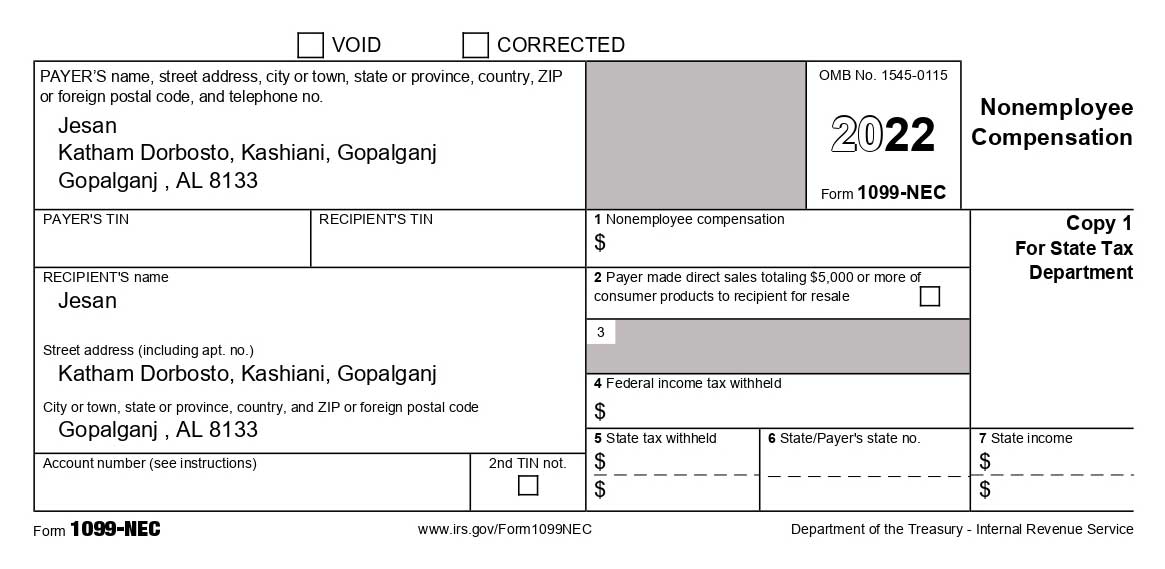
For years, the 1099-MISC was the “catch-all” form. However, recent changes in tax law have reintroduced the 1099-NEC (Non-Employee Compensation). This is now the primary form used to report payments to independent contractors, freelancers, and consultants.
- 1099-NEC: Used specifically for services performed by someone who is not your employee.
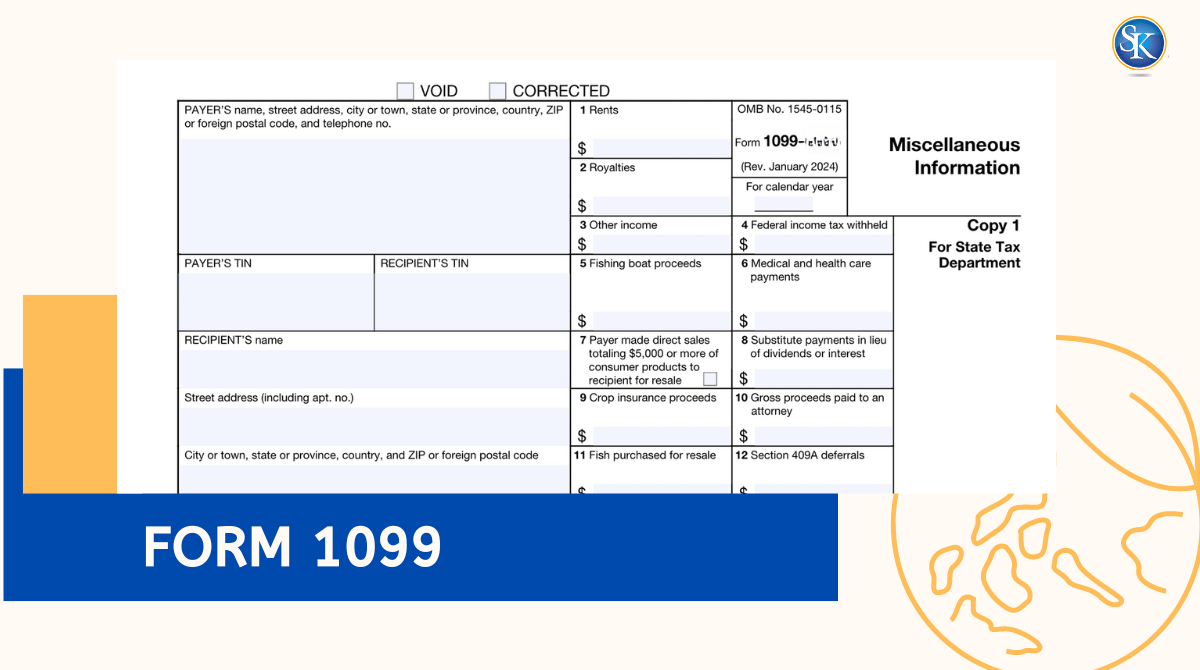
- 1099-MISC: Now used primarily for rent, royalties, prizes, and awards.
- 1099-K: Used by payment settlement entities (like PayPal or Stripe) to report credit card and third-party network transactions.
Choosing the correct form is the first step in ensuring your financial reporting is accurate and that you avoid unnecessary inquiries from tax authorities.
Physical vs. Digital: Where to Source Official 1099 Forms
One of the most common misconceptions is that you can simply download a PDF of a 1099 form from the internet, print it on standard paper, and mail it to the IRS. This is a mistake that can lead to rejected filings. The IRS uses high-speed optical scanning equipment to process paper forms, and these machines require specific “scannable” red ink on Copy A.
Ordering Directly from the IRS
The most reliable source for physical forms is the IRS itself. You can order 1099-NEC and 1099-MISC forms directly from the IRS website (IRS.gov) or by calling their toll-free number.
- Pros: The forms are free, and you are guaranteed to receive the legally compliant, scannable versions.
- Cons: Shipping can take 7 to 15 business days. If you wait until the last week of January to order your forms, you risk missing the filing deadline.
Retail Options and Office Supply Stores
If you are in a time crunch, major office supply retailers like Staples, Office Depot, and Amazon sell 1099 tax kits. These kits typically include the scannable Copy A, the copies for the recipient and state, and the necessary 1096 transmittal forms.
- Financial Tip: While these kits are convenient, they are an added business expense. For a small business with dozens of contractors, these costs can add up. Planning ahead and ordering for free from the IRS is the more cost-effective financial move.
Leveraging Financial Technology for 1099 Filing
In the modern digital economy, many businesses are moving away from paper forms entirely. Electronic filing (e-filing) is not only faster but often more accurate, as software tools can flag errors before submission.
E-Filing Platforms and Software Solutions
There are numerous third-party websites dedicated exclusively to 1099 e-filing. These platforms allow you to enter your contractor data, and for a small fee per form, they will digitally file with the IRS, mail a hard copy to the contractor, and provide you with a digital record for your files.
- IRIS (Information Returns Intake System): The IRS recently launched a free portal for businesses to e-file 1099 forms. This is a significant development for business finance management, as it reduces the overhead cost of tax compliance for small enterprises.
Accounting Software Integration
Most professional-grade accounting software, such as QuickBooks, Xero, or FreshBooks, has built-in 1099 modules. Throughout the year, as you pay vendors and contractors, the software tracks these payments. Come January, the software can automatically generate the 1099 forms based on your existing ledger.
- Efficiency Gains: This integration minimizes manual data entry, which is the leading cause of errors in tax reporting. It also allows you to see a real-time snapshot of your tax liabilities throughout the year.
Compliance Requirements and Deadlines for Business Owners
Managing 1099 forms is a time-sensitive financial obligation. The IRS is strict about deadlines, and missing them can result in tiered penalties that eat into your business’s profit margins.
Filing Deadlines You Cannot Afford to Miss
The most critical date for the 1099-NEC is January 31st. By this date, you must both:
- Furnish the 1099-NEC to the recipient (the contractor).
- File the 1099-NEC with the IRS, whether you are filing by paper or electronically.
For the 1099-MISC, the deadline to furnish the form to the recipient is also January 31st, but the filing deadline with the IRS may extend to February 28th (for paper) or March 31st (for electronic filing), depending on the specific boxes checked. However, most financial advisors recommend aiming for January 31st for all forms to maintain a clean and consistent workflow.
Penalties for Non-Compliance and Improper Filing
The IRS penalizes businesses based on how late the forms are filed. As of the current tax year, penalties can range from $60 per form (if filed within 30 days of the deadline) to $310 per form (if filed after August 1st or not at all). If the IRS determines that a business has shown “intentional disregard” for the filing requirements, the penalty can jump to $630 per form or 10% of the total amount of the items required to be reported, with no maximum limit. For a business with 20 contractors, an intentional failure to file could result in a catastrophic financial hit.
Streamlining Your 1099 Process for Better Financial Health
The key to a stress-free tax season is proactive financial management. Waiting until January to collect information from your vendors is a recipe for administrative chaos.
Best Practices for Managing Contractor Information (Form W-9)
The single most important step in your 1099 workflow happens before you even send the first payment: collecting a Form W-9. This form provides you with the contractor’s legal name, business entity type, and Taxpayer Identification Number (TIN) or Social Security Number (SSN).
- Policy Suggestion: Make it a strict company policy that no payments are issued to a vendor or contractor until a completed W-9 is on file. This ensures you have all the data necessary to source and fill out your 1099 forms when the time comes.
Automating Your Tax Workflow
To optimize your business finance operations, consider moving toward a fully digital workflow. By using a combination of digital W-9 collection tools and integrated accounting software, you can transform the 1099 process from a multi-day manual project into a few clicks of a button.
In conclusion, “where you get your 1099 forms” depends largely on your business’s scale and your preference for paper versus digital records. While the IRS and office supply stores provide the physical materials, the modern business owner is often better served by e-filing solutions and accounting integrations. Regardless of the method you choose, the goal remains the same: accurate reporting, timely filing, and the protection of your business’s financial integrity. By staying informed on the nuances of these forms, you ensure that your business remains compliant and focused on growth rather than regulatory hurdles.
aViewFromTheCave is a participant in the Amazon Services LLC Associates Program, an affiliate advertising program designed to provide a means for sites to earn advertising fees by advertising and linking to Amazon.com. Amazon, the Amazon logo, AmazonSupply, and the AmazonSupply logo are trademarks of Amazon.com, Inc. or its affiliates. As an Amazon Associate we earn affiliate commissions from qualifying purchases.