
The financial landscape has undergone a seismic shift over the last decade. What began as a niche experiment in cryptography has evolved into a multi-trillion-dollar asset class that demands the attention of every serious investor. As digital assets like Bitcoin and Ethereum move into the mainstream, the most common question for the uninitiated is no longer “what” is cryptocurrency, but “where” can it be acquired safely and efficiently.
Navigating the world of digital finance requires more than just an appetite for risk; it requires an understanding of the various “on-ramps” available to the modern investor. Choosing where to buy cryptocurrency is a foundational financial decision that impacts your transaction costs, security, and the level of control you maintain over your capital.
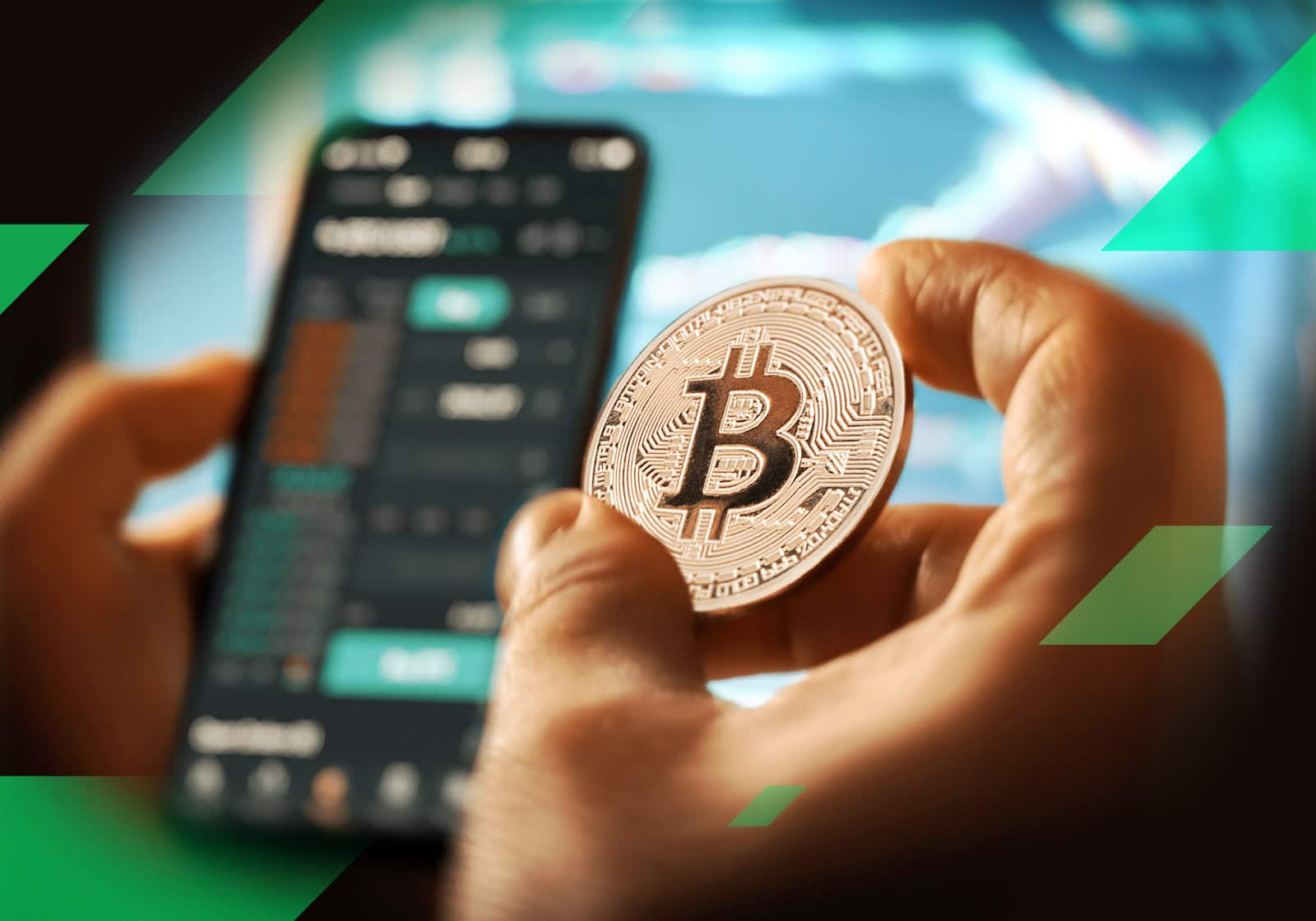
Centralized Exchanges (CEXs): The Gateway for Modern Investors
For the vast majority of individuals entering the market, Centralized Exchanges (CEXs) represent the most logical starting point. These platforms function similarly to traditional stock brokerages, acting as an intermediary between buyers and sellers. They offer high liquidity, a wide variety of assets, and a user experience designed to bridge the gap between traditional banking and the digital future.
Top-Tier Platforms: Ease of Use and Market Depth
Major platforms like Coinbase, Binance, and Kraken have become household names because they prioritize the user experience. For a beginner, the ability to link a bank account via ACH or use a debit card to purchase assets instantly is a significant advantage. These exchanges provide “market depth,” meaning there are enough buyers and sellers at any given time to ensure that you can enter or exit a position at a fair market price without significant slippage.
Factors to Consider: Liquidity, Security, and Fees
From a personal finance perspective, the cost of doing business on a CEX is a critical variable. Fees vary wildly between platforms and even within the same platform depending on the interface used. For example, “Standard” buy buttons often carry higher convenience fees compared to the “Pro” or “Advanced” trading interfaces.
Security is another paramount financial concern. While CEXs offer the convenience of holding your assets for you (custodial services), they are also targets for hackers. When choosing an exchange, look for those that utilize “cold storage” (keeping the majority of funds offline), offer Two-Factor Authentication (2FA), and have a proven track record of regulatory compliance in your specific jurisdiction.
Traditional Brokerages and Fintech Applications
As cryptocurrency has matured, the lines between “crypto companies” and “traditional financial institutions” have blurred. Many investors prefer to manage their digital assets alongside their stocks, bonds, and savings accounts. This has led to the rise of crypto integration within established fintech ecosystems.
The Rise of “Crypto-Adjacent” Investing
Platforms such as Robinhood, Revolut, and SoFi have democratized access to cryptocurrency by integrating it directly into their existing apps. For an investor who already uses these tools for stock trading or daily banking, the friction of opening a new account on a dedicated crypto exchange is removed. This “one-stop-shop” approach simplifies portfolio tracking and makes it easier to rebalance assets between traditional and digital markets.
Pros and Cons of Integrated Financial Ecosystems
The primary benefit here is convenience. You don’t have to manage multiple passwords or worry about the technicalities of transferring funds between different institutions. However, there is a financial trade-off. Many of these platforms are “closed loops,” meaning you can buy and sell the price action of the cryptocurrency, but you may not be able to withdraw the actual coins to a private wallet.
From a wealth-building perspective, this limits your ability to use your crypto in the broader “Decentralized Finance” (DeFi) ecosystem. Additionally, while these apps often advertise “zero-commission” trading, they frequently bake their profit into the “spread”—the difference between the buy and sell price—which can be more expensive than the transparent fee structures of a dedicated exchange.
Decentralized Exchanges (DEXs) and the DeFi Landscape

For the more sophisticated investor, the “where” of buying cryptocurrency often moves away from centralized entities entirely. Decentralized Exchanges (DEXs) represent the purest expression of blockchain technology, allowing for peer-to-peer trading without a central authority or intermediary.
Navigating the DeFi Landscape
Platforms like Uniswap, SushiSwap, and PancakeSwap operate using “Automated Market Makers” (AMMs). Instead of an order book, these platforms use liquidity pools—smart contracts that hold reserves of two or more tokens. When you trade on a DEX, you are trading directly against the contract. This provides access to thousands of “altcoins” and micro-cap projects that are not yet listed on major centralized exchanges.
However, the “Money” aspect of DEXs involves a steeper learning curve. You must manage your own “hot wallet” (like MetaMask or Trust Wallet) and be responsible for your own private keys. In the world of decentralized finance, there is no “Forgot Password” button; if you lose your keys, you lose your capital.
P2P Trading for Global Accessibility
Peer-to-Peer (P2P) networks, such as Paxful or the P2P sections of larger exchanges, allow individuals to buy cryptocurrency directly from one another using hundreds of different payment methods, from local bank transfers to gift cards. This is particularly vital in regions where traditional banking infrastructure is weak or where centralized exchanges face heavy restrictions. From a financial strategy standpoint, P2P trading allows for greater privacy and price negotiation, though it requires a high degree of vigilance to avoid fraudulent counterparties.
Alternative Acquisition Methods: ATMs and OTC Desks
Sometimes, the best place to buy cryptocurrency isn’t on a screen but in the physical world or through a specialized financial service provider.
Bitcoin ATMs: Convenience at a Premium
Bitcoin ATMs (BTMs) have proliferated in kiosks and convenience stores globally. They allow a user to insert fiat currency and have Bitcoin sent directly to their digital wallet. While this is arguably the fastest way to turn physical cash into digital gold, it is often the most expensive from a personal finance standpoint. Transaction fees at BTMs can range from 7% to 20%, which represents a significant “haircut” on your investment capital before you even start.
OTC Desks for High-Net-Worth Individuals
For institutional investors or high-net-worth individuals looking to move millions of dollars, buying on a standard exchange is inefficient. A large “market buy” order could move the price of the asset significantly, resulting in a poor entry price. Over-the-Counter (OTC) desks provide a personalized service where large trades are executed privately. This ensures price stability and provides a level of white-glove financial service that retail platforms cannot match.
Strategic Considerations for Your Financial Portfolio
Deciding where to buy is only half the battle; the other half is understanding how that purchase fits into your broader financial life. Cryptocurrency should not be viewed in a vacuum but as a component of a diversified investment strategy.
Assessing Risk and Diversification
Every venue discussed has a different risk profile. Centralized exchanges carry “platform risk,” while decentralized exchanges carry “smart contract risk.” From a money management perspective, it is often wise to diversify not just which coins you own, but where you keep them. Spreading your holdings across a reputable exchange and a private “cold” wallet (hardware wallet) can mitigate the risk of a single point of failure.
Compliance, Taxes, and Regulatory Frameworks
Regardless of where you buy your cryptocurrency, the tax man will eventually want his share. In most jurisdictions, cryptocurrency is treated as property, meaning every time you sell or trade one coin for another, it is a taxable event.
When choosing a platform, consider its reporting capabilities. Does the exchange provide a clear 1099-B or a CSV export of your transaction history? Modern financial tools like CoinTracker or Koinly can sync with your exchange accounts to automate this process. Choosing a platform that plays well with tax software will save you countless hours and potential legal headaches during tax season.

Final Thoughts on Market Selection
The question of “where can I buy cryptocurrency” is ultimately a question of your personal financial goals. If you value ease of use and the security of a regulated institution, a major CEX or a fintech app is your best bet. If you value privacy and access to the bleeding edge of the market, the decentralized route is more appropriate.
As with any financial endeavor, the golden rule remains: do your own research (DYOR). Compare the fee structures, evaluate the security protocols, and ensure that the platform you choose aligns with your long-term wealth preservation and growth strategy. The digital asset market is open 24/7, offering unprecedented opportunity for those who take the time to choose their entry point wisely.
aViewFromTheCave is a participant in the Amazon Services LLC Associates Program, an affiliate advertising program designed to provide a means for sites to earn advertising fees by advertising and linking to Amazon.com. Amazon, the Amazon logo, AmazonSupply, and the AmazonSupply logo are trademarks of Amazon.com, Inc. or its affiliates. As an Amazon Associate we earn affiliate commissions from qualifying purchases.