
The question “Where can I buy a car?” is more complex and nuanced than ever before. Gone are the days when a local dealership was the sole, or even primary, destination for acquiring a new or used vehicle. The digital revolution has fundamentally reshaped the automotive retail landscape, offering consumers a wider array of choices, information, and purchasing pathways. This evolution necessitates a strategic approach to car buying, moving beyond a simple transactional mindset to one of informed decision-making within a sophisticated marketplace. For today’s buyer, understanding the financial implications and leveraging available tools is paramount.

The Evolving Landscape of Car Acquisition: Beyond the Dealership Lot
The traditional image of a car dealership, with its sprawling inventory and commissioned salespeople, remains a significant part of the car-buying equation. However, it is now just one piece of a much larger puzzle. The rise of online platforms, direct-to-consumer models, and innovative financing options has democratized the car-buying process, placing more power and information into the hands of the consumer. This shift demands a re-evaluation of where and how one secures their next vehicle, with a keen eye on the financial strategies that underpin these choices.
Navigating Traditional Dealerships: A Financial Perspective
While the allure of the internet is undeniable, traditional dealerships continue to offer certain advantages, particularly for those who appreciate hands-on experience and direct negotiation. The financial aspect of purchasing from a dealership is multifaceted, involving not only the sticker price but also trade-in values, financing arrangements, and potential add-ons.
The Art of Negotiation and Deal Structuring
At the heart of the dealership experience lies negotiation. Understanding the true cost of a vehicle beyond its MSRP is crucial. This involves researching invoice prices, current market incentives, and the dealership’s profit margins. For the financially savvy buyer, this is an opportunity to secure a better deal by engaging in informed discussions about pricing. Furthermore, the structure of the deal itself can significantly impact the overall cost. Buyers should be wary of focusing solely on monthly payments, which can obscure the total amount financed and the interest accrued over the loan term. Instead, prioritizing the out-the-door price, including all fees and taxes, is a more financially sound approach.
Leveraging Financing and Trade-Ins for Optimal Value
Dealerships often present attractive financing options, and understanding these offers is key to a favorable financial outcome. It’s imperative to compare dealership financing with pre-approved loans from external lenders, such as banks or credit unions. This comparison allows buyers to identify the most competitive interest rates, which can lead to substantial savings over the life of the loan. Similarly, the trade-in of a current vehicle can significantly reduce the upfront cost of a new purchase. However, research is critical here as well. Understanding the market value of your existing car independently, through online appraisal tools or by obtaining offers from other buyers, ensures you are receiving fair value in the trade-in negotiation. Some dealerships may offer a seemingly higher trade-in value, but this can sometimes be a tactic to inflate the price of the new vehicle, thus negating the perceived benefit.
The Digital Revolution: Online Retailers and Direct-to-Consumer Models
The internet has fundamentally altered how and where we shop for almost everything, and cars are no exception. Online car retailers and direct-to-consumer manufacturers offer a streamlined, often transparent, purchasing experience that appeals to a growing segment of buyers.
Online Car Marketplaces: A Wealth of Options and Information
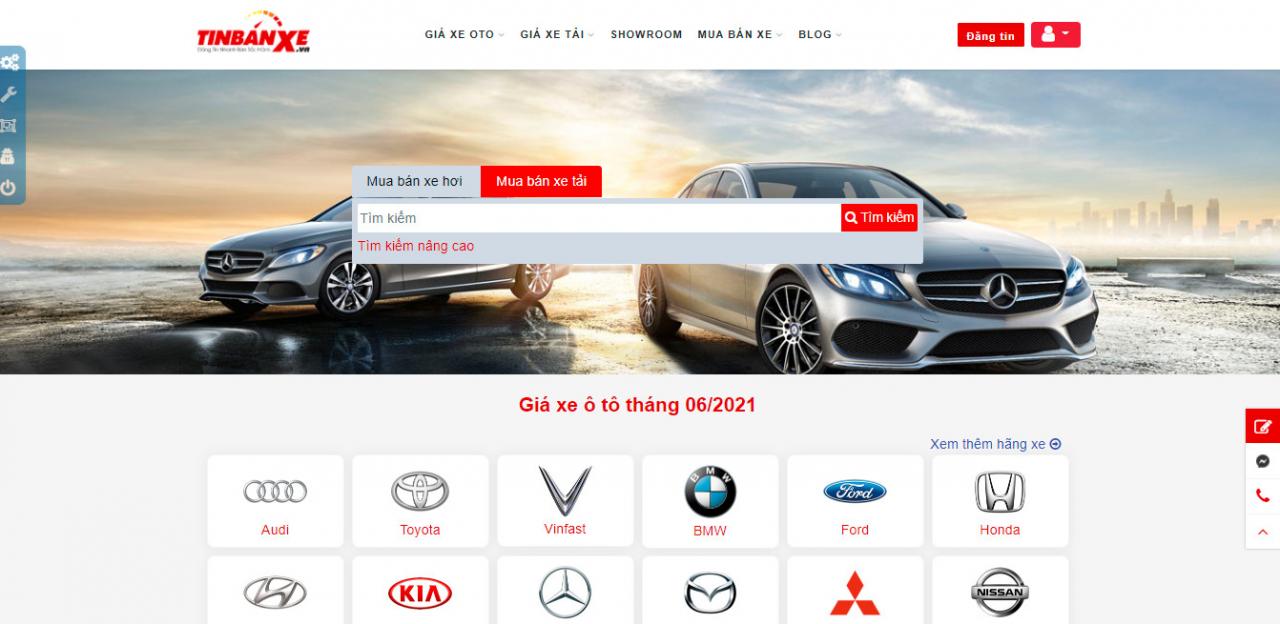
Websites like CarGurus, Cars.com, and AutoTrader serve as vast digital showrooms, aggregating inventory from dealerships across the country. These platforms are invaluable financial tools for price comparison, allowing buyers to set alerts for specific models and track price fluctuations. The sheer volume of listings provides an unparalleled opportunity to find the exact vehicle specifications at the most competitive price. Beyond mere listings, many of these sites offer detailed vehicle history reports, expert reviews, and consumer feedback, all of which contribute to making a more informed financial decision. Understanding the depreciation curves of different models, for instance, can influence the long-term financial viability of a purchase.
Direct-to-Consumer Brands: A New Paradigm in Automotive Finance

Brands like Tesla have pioneered a direct-to-consumer sales model, bypassing traditional dealerships altogether. This approach often translates to a more transparent pricing structure, with less room for haggling. While this can simplify the negotiation process, it also means buyers must be fully committed to the advertised price. The financial benefit here lies in the potential for lower overheads for the manufacturer, which can be passed on to the consumer in the form of competitive pricing or advanced features for the cost. Furthermore, these models often integrate financing and purchase directly into their online platforms, offering a seamless financial transaction from start to finish. Understanding the total cost of ownership, including maintenance and energy costs (for EVs), is crucial when evaluating these direct-to-consumer options.
Innovative Purchase Models: Subscription Services and Leasing Alternatives
Beyond outright purchase, the automotive industry is witnessing the rise of innovative ownership models that offer financial flexibility and a different approach to car acquisition. These options can be particularly appealing to individuals who prefer not to tie up large sums of capital or who anticipate changing their vehicle needs in the near future.
Car Subscriptions: Flexibility with a Predictable Financial Outlay
Car subscription services are gaining traction, offering a monthly fee that typically covers the vehicle, insurance, maintenance, and sometimes even registration. This model appeals to those who value flexibility and a predictable budget. Instead of a large down payment and ongoing loan payments, buyers pay a recurring fee. From a financial standpoint, it’s important to compare the total cost of a subscription over a desired period with the cost of purchasing and owning a similar vehicle. Factors like depreciation, insurance premiums, and repair costs need to be factored into this comparison. For individuals who use their car infrequently or are prone to changing vehicles every few years, a subscription can present a more financially advantageous solution.
Emerging Leasing Innovations and Buy-Here-Pay-Here (BHPH) Considerations
Leasing has long been an alternative to buying, offering lower monthly payments and the ability to drive a new car more frequently. However, the traditional lease structure has its own set of financial considerations, including mileage restrictions and penalties for wear and tear. Newer leasing innovations are emerging, offering more flexible terms and greater customization. On the other end of the spectrum are Buy-Here-Pay-Here (BHPH) dealerships, which offer in-house financing for buyers with poor credit. While this can be a lifeline for those struggling to secure traditional loans, it is crucial to approach these options with extreme caution. The interest rates on BHPH loans are often extraordinarily high, significantly increasing the overall cost of the vehicle and potentially trapping buyers in a cycle of debt. A thorough financial assessment and understanding of the long-term cost are absolutely vital before considering such options.
The Role of Financial Tools and Information in Your Car Purchase
The modern car-buying journey is intrinsically linked to financial literacy and the strategic use of available tools. Empowering yourself with knowledge about financing, depreciation, and total cost of ownership is no longer optional; it’s a necessity for making a sound financial decision.
Online Financial Calculators and Budgeting Tools
Before even stepping foot in a dealership or browsing online, a crucial first step is robust financial planning. Numerous online tools can help prospective car buyers determine their affordability. Loan payment calculators can estimate monthly payments based on different loan amounts, interest rates, and terms. Budgeting apps and spreadsheets can help individuals assess how a car payment, insurance, fuel, and maintenance will fit into their overall financial picture. Understanding your credit score is also paramount, as it directly impacts the interest rates you’ll qualify for. Many credit monitoring services offer free access to your credit score and reports, allowing you to identify any potential issues that might need addressing before applying for a car loan.
Understanding Total Cost of Ownership (TCO) Beyond the Sticker Price
The sticker price of a car is merely the tip of the financial iceberg. A comprehensive understanding of the Total Cost of Ownership (TCO) is essential for making a financially prudent decision. TCO includes not only the purchase price and financing costs but also:
- Depreciation: How quickly the vehicle loses value over time. Researching the expected depreciation rates of different makes and models can inform the choice of a vehicle that will hold its value better, leading to a smaller financial loss when it’s time to sell or trade.
- Insurance: Premiums vary significantly based on the vehicle’s make, model, safety features, and the driver’s profile. Obtaining insurance quotes before purchasing a car is a crucial step in accurately assessing the ongoing cost.
- Fuel Costs: The efficiency of the vehicle directly impacts your recurring expenses. For electric vehicles, consider charging costs and the potential for incentives.
- Maintenance and Repairs: Some vehicles are notoriously more expensive to maintain and repair than others. Researching reliability ratings and the average cost of common repairs for specific models can prevent unexpected financial burdens.
- Taxes and Fees: This includes sales tax, registration fees, and potential annual taxes, which vary by location.
By meticulously calculating and comparing the TCO of different vehicles, buyers can move beyond the immediate appeal of a car and make a decision that is financially sustainable and responsible in the long term. The question of “where can I buy a car” is, therefore, deeply intertwined with “how can I afford to own and operate a car responsibly and advantageously.”
aViewFromTheCave is a participant in the Amazon Services LLC Associates Program, an affiliate advertising program designed to provide a means for sites to earn advertising fees by advertising and linking to Amazon.com. Amazon, the Amazon logo, AmazonSupply, and the AmazonSupply logo are trademarks of Amazon.com, Inc. or its affiliates. As an Amazon Associate we earn affiliate commissions from qualifying purchases.