
The dream of travel often comes with a looming question: how much will the flights cost? For many, the airfare alone can be the most significant hurdle to embarking on a long-awaited adventure. The quest for the cheapest flights isn’t just about saving a few dollars; it’s about unlocking new experiences, making travel more frequent, and ensuring that wanderlust doesn’t break the bank. In an era of dynamic pricing and endless online options, finding the sweet spot between affordability and convenience requires more than just luck—it demands strategy, flexibility, and a keen understanding of the financial mechanics behind air travel. This comprehensive guide will arm you with the insights and tools necessary to consistently discover the most economical routes to your dream destinations, transforming the daunting task of flight booking into a rewarding financial endeavor.
Understanding the Dynamics of Flight Pricing
Before diving into the tactics for finding cheap flights, it’s crucial to understand the intricate ecosystem that dictates airfare costs. Airline pricing is a sophisticated algorithm-driven process, far removed from simple supply and demand. Knowing what influences these prices empowers you to make more informed decisions.
The Algorithmic Labyrinth: How Airlines Price Tickets
Airlines employ highly complex revenue management systems that constantly analyze vast datasets to determine ticket prices. These algorithms consider everything from historical booking patterns for specific routes and dates to current competitor pricing, fuel costs, and even real-time demand. The goal is to maximize revenue by selling each seat at the highest possible price the market will bear. This often means different passengers on the same flight may have paid vastly different fares. Factors like the time of booking, the passenger’s perceived willingness to pay (sometimes inferred from browsing history or device type, though this is debated), and the availability of specific fare classes all play a role. It’s a game of supply and demand, but with layers of predictive analytics and behavioral economics built in.
Key Factors Influencing Price Volatility
Flight prices are notoriously volatile, fluctuating not just daily, but sometimes hourly. Several critical factors contribute to this constant flux:
- Seasonality: Peak travel seasons (summer holidays, Christmas, spring break) inevitably drive prices up due to increased demand. Conversely, traveling during the “shoulder season” (just before or after peak) or the low season can yield significant savings.
- Day of the Week: Tuesdays, Wednesdays, and Saturdays are often cited as the cheapest days to fly, with Fridays and Sundays typically being the most expensive due to business travel and weekend getaways.
- Time of Day: Red-eye flights or very early morning departures tend to be cheaper as they are less convenient for most travelers.
- Lead Time: There’s a “goldilocks zone” for booking—neither too early nor too late. Booking too far in advance (e.g., a year out) can be expensive as airlines haven’t finalized their pricing strategies, while last-minute bookings often come with a premium, especially for popular routes.
- Route Popularity: Direct flights to major hubs are often more expensive than flights with layovers or those to less popular, alternative airports.
- Special Events: Major sporting events, festivals, or conferences in a destination can dramatically inflate prices.
The Myth of the “Cheapest Day”
While many articles proclaim that Tuesdays are universally the cheapest day to book flights, this is largely a myth in today’s dynamic pricing environment. While some patterns persist (e.g., weekend flights are often more expensive), airline algorithms are too sophisticated to be consistently outsmarted by a simple calendar hack. The truth is, the “cheapest day” to book or fly can vary wildly depending on the route, airline, and specific demand. Flexibility across multiple days, rather than rigidly adhering to a single “cheapest” day, is a far more effective strategy. Focus less on a specific day and more on the overall booking window and your travel flexibility.
Strategic Approaches to Uncovering Bargain Airfares
Finding truly cheap flights requires a strategic mindset and a willingness to explore different options. It’s about empowering your financial decisions with smart search techniques.
The Power of Flexibility: Dates, Destinations, and Airports
Flexibility is arguably the single most impactful factor in reducing flight costs. The more open you are to variations, the greater your chances of finding a bargain.
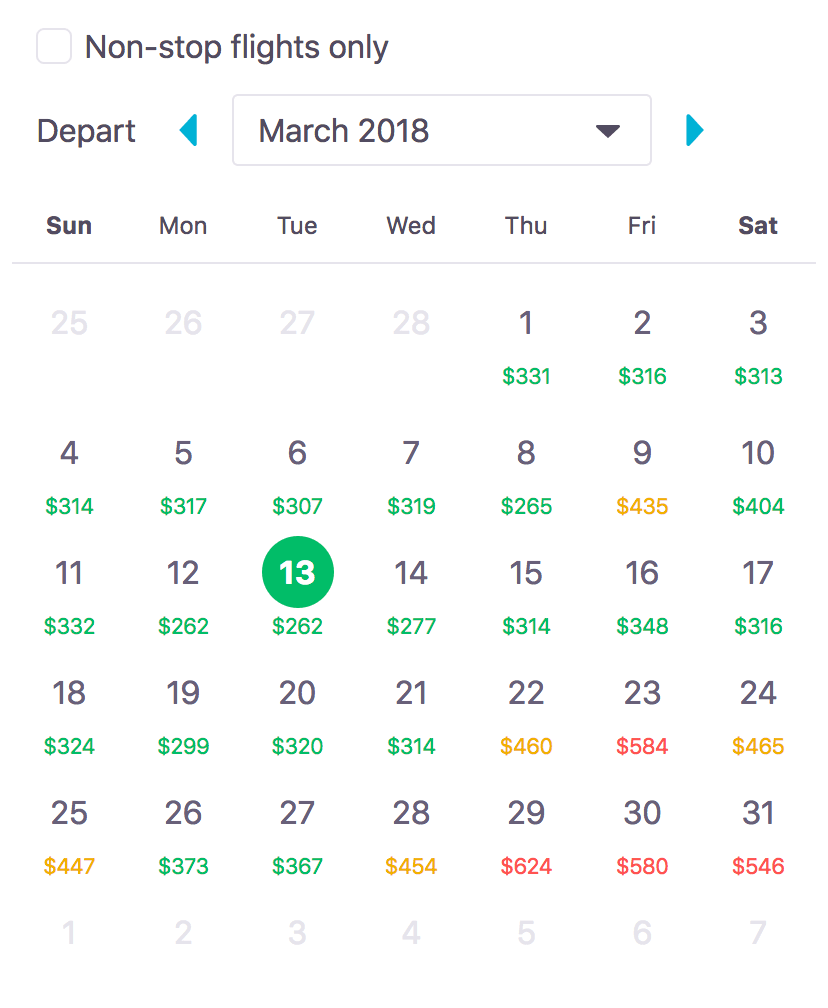
- Flexible Dates: If your schedule allows, search for flights across an entire month or even several months. Many flight comparison websites offer “flexible date” search options, which can reveal significant price drops by shifting your departure or return by just a day or two. Traveling mid-week or during off-peak seasons almost always guarantees lower fares.
- Flexible Destinations: If your primary goal is simply to travel somewhere new and experience an adventure, use the “Everywhere” or “Explore” feature offered by tools like Google Flights or Skyscanner. This allows you to see the cheapest flights from your home airport to various destinations globally, often revealing unexpected and affordable options.
- Alternative Airports: Major cities often have multiple airports. Flying into a smaller, secondary airport (e.g., London Stansted instead of Heathrow, or Chicago Midway instead of O’Hare) can sometimes offer substantial savings, even after factoring in the cost and time of ground transportation to your final destination. Always compare the total cost and convenience.
Timing is Everything: Booking Windows and Sweet Spots
There’s a widely accepted “sweet spot” for booking flights, which varies depending on whether your trip is domestic or international.
- Domestic Flights: Generally, booking 1 to 3 months in advance is considered optimal. Prices tend to rise sharply within a month of departure.
- International Flights: For long-haul international travel, the sweet spot widens to 2 to 8 months out. Airlines release their cheapest “saver” fares earliest, and these tend to be snapped up first. Booking too early (e.g., 9-12 months out) can sometimes be more expensive as airlines haven’t fully adjusted their pricing for future demand.
- Avoid Last-Minute: While sometimes a desperate traveler gets lucky with a last-minute deal, relying on this strategy is a gamble and typically leads to higher prices, especially for popular routes. Airlines know last-minute travelers are often flying for emergencies or urgent business, and they price accordingly.
Leverage Comparison Sites and Price Alerts (Strategically)
While comparison sites are essential tools, using them effectively is key to maximizing your financial advantage.
- Google Flights: Excellent for its intuitive calendar view showing price fluctuations across dates and its “Explore” feature for flexible destinations. It also allows you to track prices for specific routes.
- Skyscanner: Renowned for its “Everywhere” search and its ability to search for flights across an entire month or even the cheapest month. It’s great for inspiration if you’re flexible on your destination.
- Kayak, Expedia, Momondo, etc.: These aggregators pull data from various airlines and online travel agencies (OTAs). Always cross-reference prices across a few different sites, as no single site always has the absolute cheapest fare.
- Set Price Alerts: Almost all major flight search engines allow you to set up email alerts for specific routes. This is a passive but powerful way to monitor price drops and snatch up deals when they appear.
- Incognito Browsing/Clear Cookies: While the impact is debated, some believe airlines and OTAs track your searches and may subtly increase prices if you repeatedly view the same flight. Using incognito mode or clearing your browser’s cookies might help prevent this, ensuring you always see the freshest, potentially lowest prices.
Advanced Tactics for Maximizing Savings
Beyond the fundamental strategies, several advanced techniques can further reduce your flight expenditure, turning significant savings into more travel opportunities.
The Art of Hidden City Ticketing and Layover Exploitation (with caveats)
These tactics are more advanced and come with risks, but can offer substantial financial savings if executed correctly.
- Hidden City Ticketing: This involves booking a flight with a layover in your desired destination and simply getting off the plane there, rather than continuing to the final destination on the ticket. For example, if a flight from New York to San Francisco with a layover in Chicago is cheaper than a direct flight from New York to Chicago, you book the longer flight and disembark in Chicago.
- Financial Benefits: Can save significant money on specific routes where indirect flights are disproportionately cheaper.
- Risks: You cannot check luggage (it will go to the final destination on the ticket). If the airline changes the flight schedule or cancels a segment, your entire ticket might be affected. Airlines generally frown upon this practice and it can violate their terms of service, potentially leading to issues with loyalty programs. Use with caution and only for carry-on travel.
- Layover Exploitation: Sometimes, a flight with a very long layover can be significantly cheaper. If the layover is in a city you’d like to visit, you can strategically plan to spend a day or two exploring that city before continuing your journey, effectively getting two destinations for the price of one flight. This requires planning but can be a financially rewarding way to maximize your travel experience.
Capitalizing on Airline Sales and Error Fares
Be vigilant for opportunities that arise from promotions and occasional pricing glitches.
- Airline Sales: Subscribe to newsletters from major airlines and follow their social media channels. Airlines frequently announce flash sales, seasonal discounts, or promotions on specific routes. Being on their mailing lists ensures you’re among the first to know.
- Deal Websites: Websites like The Flight Deal, Scott’s Cheap Flights, Secret Flying, and Airfarewatchdog specialize in finding exceptionally low fares, including rare “error fares” (mistakes in pricing). These deals often require quick booking, as they can disappear within hours. Joining their email lists or paid premium services can be a worthwhile investment for frequent travelers, providing direct financial gains.
- Error Fares: These are rare but glorious occurrences where an airline accidentally publishes a ticket price that is far below market value (e.g., a transatlantic flight for $200 round trip). They usually last only a few hours before the airline corrects the mistake. If you spot one, book immediately and directly with the airline, but wait a few days before making non-refundable plans, as airlines occasionally (though rarely) cancel error fare tickets.
Loyalty Programs, Credit Card Points, and Miles
Leveraging loyalty programs and travel credit cards is a powerful long-term financial strategy for reducing flight costs.
- Airline Loyalty Programs: Sign up for frequent flyer programs with airlines you regularly use or anticipate using. Even if you don’t fly often, accumulating miles from occasional flights, rental cars, or hotel stays can eventually lead to free flights or upgrades.
- Travel Credit Cards: Many credit cards offer substantial sign-up bonuses in the form of points or miles, often enough for a free domestic or even international flight. Look for cards with travel benefits, no foreign transaction fees, and robust points earning rates on travel or everyday spending. Understand their annual fees and ensure you can meet the spending requirements to unlock bonuses responsibly.
- Transfer Partners: Some credit card points (e.g., Chase Ultimate Rewards, American Express Membership Rewards) can be transferred to various airline loyalty programs, often yielding greater value than redeeming directly for cash back or through the credit card’s own travel portal. Learn about transfer bonuses and strategic redemption to maximize the financial utility of your points. This is pure financial arbitrage for travel.
Bundling vs. Unbundling: When to Buy a Package
The decision to buy a flight-only ticket versus a flight-and-hotel package can have significant financial implications.
- Bundling (Packages): Sometimes, combining your flight and hotel through an online travel agency (OTA) can result in substantial savings compared to booking each component separately. This is because OTAs often have bulk deals with hotels and airlines. Always compare the package price against the individual costs.
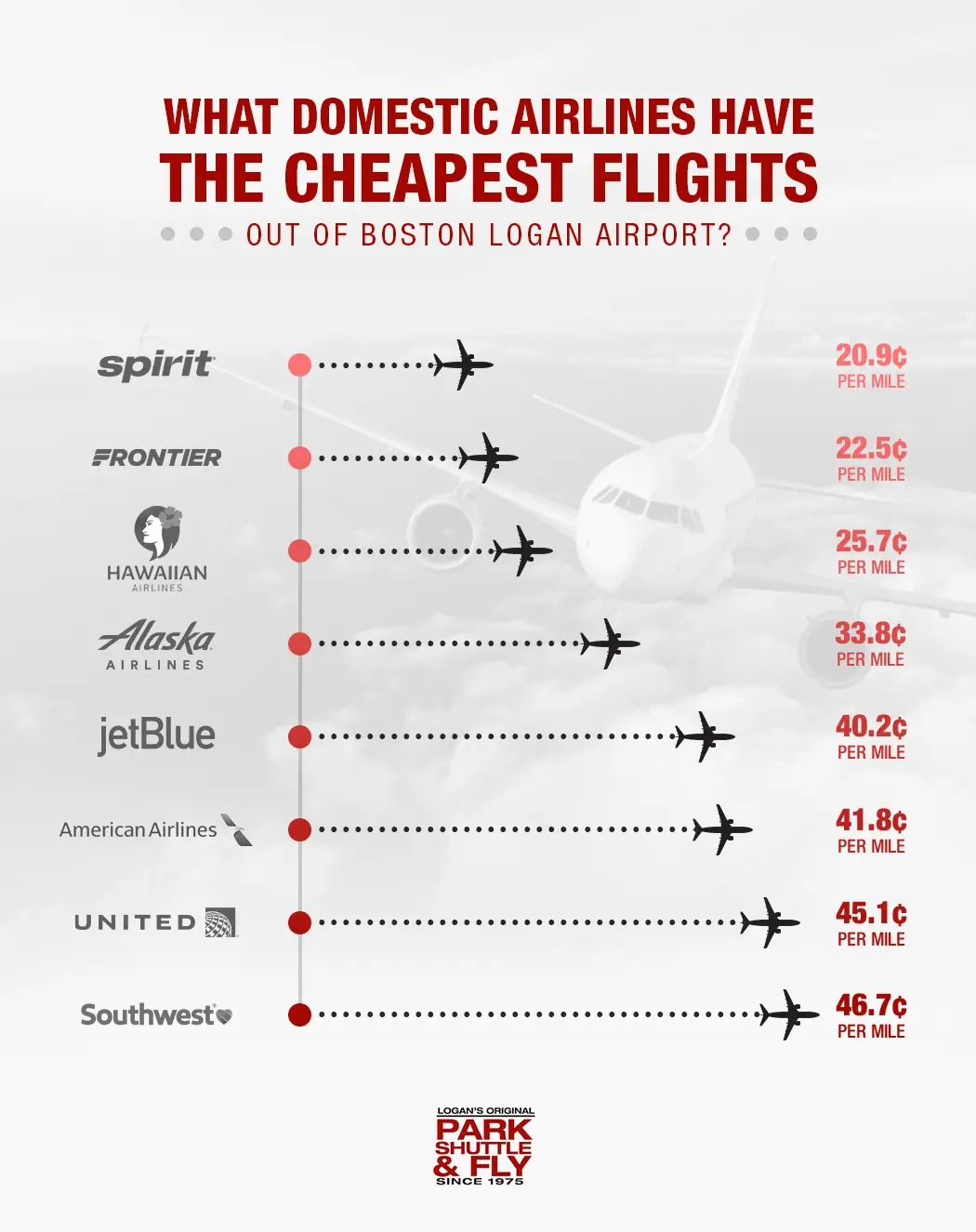
- Unbundling (Budget Airlines): Budget airlines (e.g., Spirit, Frontier, Ryanair, EasyJet) often advertise incredibly low base fares. However, their business model relies heavily on ancillary fees for everything from checked baggage and carry-on bags to seat selection, priority boarding, and even printing your boarding pass at the airport. Always calculate the total cost of flying a budget airline, including all potential fees, before assuming it’s the cheapest option. Sometimes, a full-service airline with a slightly higher base fare can end up being cheaper overall.
Beyond the Ticket Price: Holistic Financial Planning for Travel
The cost of the flight is just one piece of the travel finance puzzle. A truly savvy traveler considers the broader financial implications of their choices.
Budget Airlines: Friend or Foe?
Budget airlines are a double-edged sword from a financial perspective. They can be incredibly cheap for short hauls, enabling travel that might otherwise be unaffordable. However, their unbundled service model means you must be meticulously aware of all potential extra costs.
- Pros: Often the lowest base fares, opening up new destinations for budget-conscious travelers.
- Cons: Stringent baggage rules (size and weight limits), fees for almost everything, less comfortable seats, fewer amenities, and often operate from secondary airports requiring more ground transport.
- Financial Strategy: Fly budget airlines with minimal luggage (carry-on only), be aware of all fees in advance, and factor in ground transportation costs from often more remote airports. If you can conform to their strict rules, they can be a financial ally. If you need flexibility or comfort, the added costs can quickly erode any initial savings.
Off-Peak Travel: The Ultimate Cost-Cutting Hack
Avoiding peak tourist seasons is a universally effective financial strategy, not just for flights, but for almost every aspect of travel.
- Flight Savings: As discussed, flights are significantly cheaper during off-peak times due to lower demand.
- Accommodation Savings: Hotels, hostels, and rental properties are also much more affordable.
- Activity Savings: Tours and attractions may offer discounts, and you’ll find fewer crowds, enhancing the overall experience.
- Shoulder Seasons: Consider the “shoulder seasons” – just before or after peak season. You often get decent weather, fewer crowds, and prices that are much lower than peak, but not as low as the absolute off-season. This represents an excellent balance of financial savings and travel enjoyment.
The Opportunity Cost of “Saving”
While the pursuit of the cheapest flight is noble, it’s important to consider the opportunity cost of your time and comfort.
- Time vs. Money: Is spending an extra 6 hours researching for a $20 saving really worth it? At some point, the value of your time might outweigh the potential financial gain.
- Convenience vs. Cost: Sometimes, a slightly more expensive direct flight, a more convenient airport, or a full-service airline is worth the premium to avoid multiple layovers, inconvenient flight times, or excessive baggage fees. Calculate the total cost (monetary + time + stress) before making a final decision.
- Hidden Costs: Always factor in potential hidden costs like transportation to and from inconveniently located airports, the cost of meals during long layovers, or the lost productivity from arriving exhausted. A seemingly cheap flight might not be the most economical choice once all variables are considered.
Conclusion
The hunt for the cheapest flights is a dynamic, ongoing process that rewards patience, flexibility, and strategic financial thinking. It’s not about finding a magic bullet, but rather employing a multi-faceted approach that leverages market dynamics, sophisticated search tools, and savvy booking tactics. By understanding how airlines price their tickets, embracing flexibility in your travel plans, utilizing comparison sites effectively, and exploring advanced financial strategies like points and strategic booking windows, you can dramatically reduce your air travel expenses. Remember to look beyond the initial fare and consider the holistic financial implications of your choices, from baggage fees on budget airlines to the opportunity cost of excessive layovers. With these insights, you’re not just finding a flight; you’re mastering the art of financially intelligent travel, making your dreams of exploring the world a more frequent and affordable reality.
aViewFromTheCave is a participant in the Amazon Services LLC Associates Program, an affiliate advertising program designed to provide a means for sites to earn advertising fees by advertising and linking to Amazon.com. Amazon, the Amazon logo, AmazonSupply, and the AmazonSupply logo are trademarks of Amazon.com, Inc. or its affiliates. As an Amazon Associate we earn affiliate commissions from qualifying purchases.