
The question of “when was Amazon made” carries more weight than a simple calendar date. While the official paperwork was filed on July 5, 1994, the birth of Amazon represents a pivotal moment in the history of corporate identity and brand strategy. It wasn’t just the creation of a website; it was the birth of a philosophy that would eventually redefine the relationship between brands and consumers. To understand when Amazon was made is to understand the meticulous construction of a brand that sought to be the most customer-centric company on Earth.
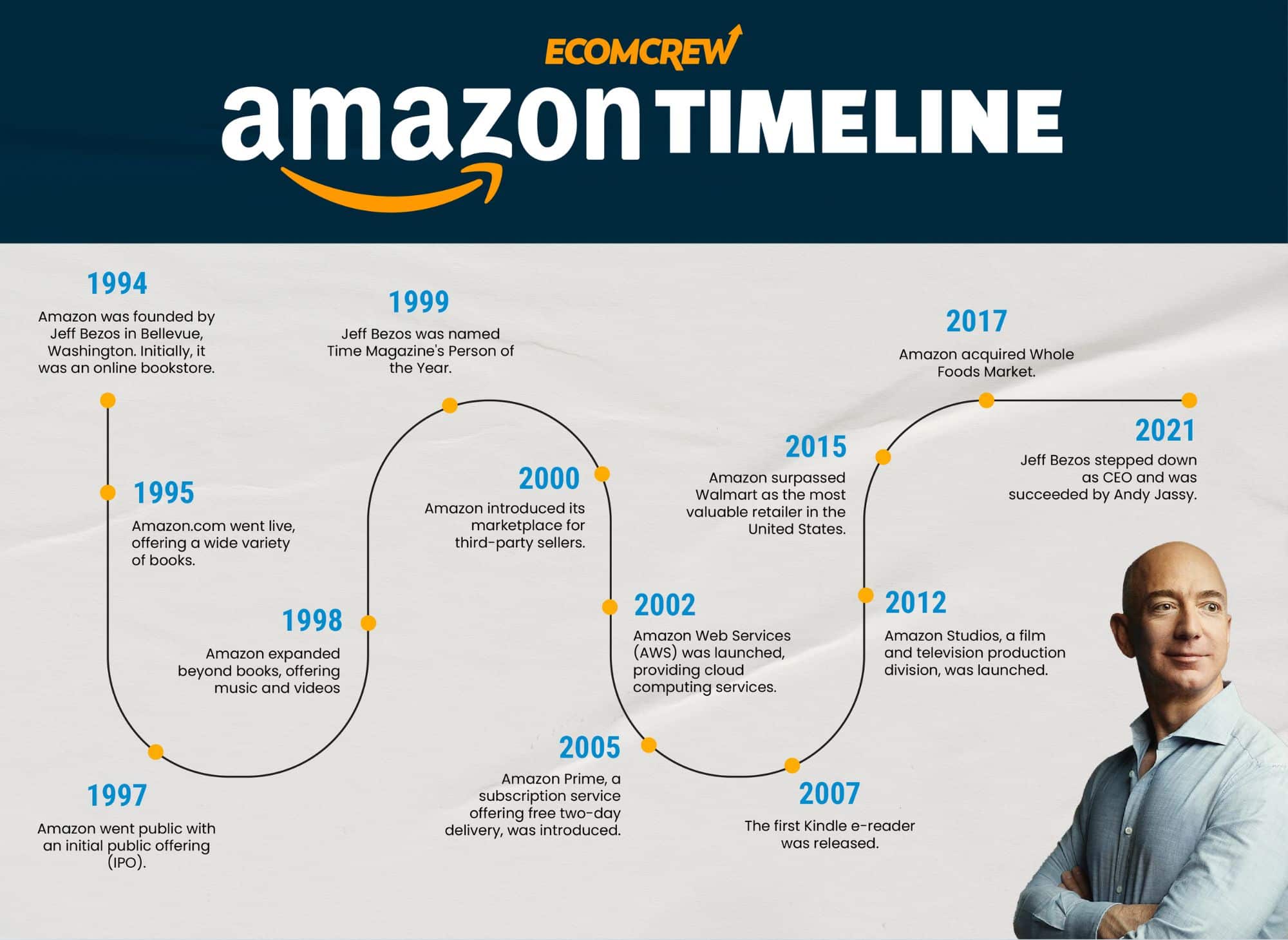
In the mid-1990s, the internet was a digital frontier, largely misunderstood by established corporate entities. Jeff Bezos, however, saw a branding opportunity that transcended mere retail. By examining the origins of Amazon through a branding lens, we can uncover the strategic decisions—from the naming process to the visual identity—that transformed a garage startup into a global powerhouse.
The Architectural Foundation: July 5, 1994
When Amazon was made in 1994, it didn’t even go by the name we know today. Bezos originally incorporated the company as “Cadabra,” short for “Abracadabra.” However, a brand is only as good as its resonance with the audience. When a lawyer misheard the name as “Cadaver,” Bezos realized his first branding misstep. This realization led to one of the most significant naming exercises in business history.
From Cadabra to Amazon: The Power of a Name
The transition to the name “Amazon” was a calculated branding move. Bezos scoured a dictionary for inspiration and landed on the name of the world’s largest river. The strategy was twofold. First, the name suggested scale—a critical component of the brand’s long-term identity. If the river was the largest in the world, the store would be the largest in the world. Second, in the early days of the internet, website listings were often alphabetical. Starting with “A” ensured the brand would appear at the top of search directories, an early iteration of brand visibility optimization.
The Garage Brand Identity
The “made in a garage” narrative is a classic trope in brand storytelling, but for Amazon, it served a strategic purpose. It established a brand archetype of the “Underdog” and the “Innovator.” By leaning into its humble beginnings in Bellevue, Washington, Amazon crafted an identity centered on frugality and obsession with the product rather than corporate fluff. This origin story remains a core part of the Amazon corporate identity, reinforcing the “Day 1” mentality that governs the brand to this day.
The Brand Evolution: From Books to the “Everything Store”
A common misconception is that Amazon was made to be a bookstore. In reality, books were merely the tactical entry point for a much larger brand strategy. Bezos identified books as the ideal category for a burgeoning e-commerce brand because they were easy to ship, difficult to break, and had a universal appeal.
Dominating the Niche to Build Authority
Brand authority is built through consistency and expertise. By focusing exclusively on books in its first few years, Amazon established itself as a reliable specialist. This period was crucial for building brand trust. In the mid-90s, consumers were skeptical about entering credit card information online. By delivering books reliably, Amazon was not just selling literature; it was “selling” the safety and convenience of its brand platform.
The Strategic Pivot to “Everything”
By the late 1990s, the brand began its transition toward the “Everything Store.” This was a risky move in terms of brand positioning. Usually, brands that try to be everything to everyone end up standing for nothing. Amazon avoided this trap by shifting its brand core from the product (books) to the service (convenience and customer obsession). This shift allowed the brand to expand into music, electronics, and beyond without losing its identity, as the brand promise remained “the Earth’s most customer-centric company.”
The Visual Identity: Engineering the Smile
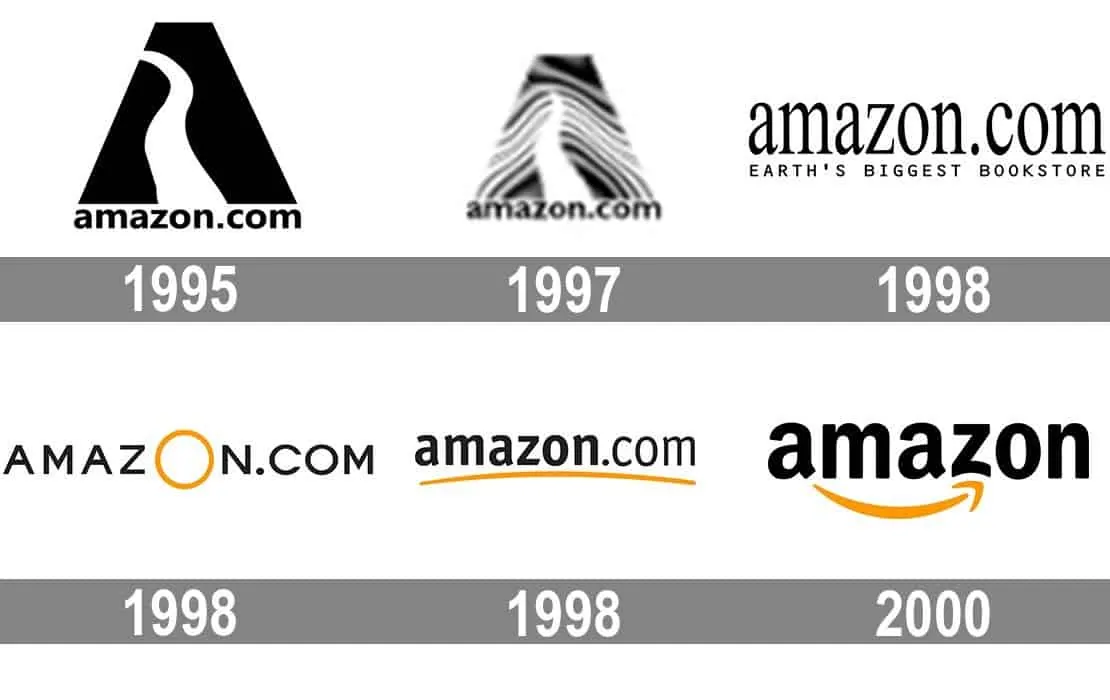
As Amazon grew, its visual branding needed to evolve to reflect its global ambitions. The most iconic element of the Amazon brand—the current logo—was introduced in 2000, marking a sophisticated turn in its corporate identity.
The A-to-Z Smile
The Amazon logo is a masterclass in minimalist brand communication. Designed by the agency Turner Duckworth, the logo features an arrow that doubles as a smile. Strategically, the arrow starts at the letter ‘A’ and ends at ‘Z.’ This visual shorthand communicates the brand’s expansive inventory: they have everything from A to Z. Furthermore, the “smile” evokes the emotional response the brand aims to elicit from its customers. In a world of cold, digital transactions, the smile humanized the brand.
Visual Consistency and Scalability
A key component of brand strategy is scalability. The Amazon logo was designed to work as effectively on a favicon as it does on the side of a massive cargo plane or a brown cardboard box. The “Amazon Brown” of its packaging has become a brand asset in its own right. When a customer sees a brown box with that specific arrow on their doorstep, the brand experience is completed. This physical touchpoint is a vital extension of the digital brand made in 1994.
Corporate Culture as Brand Equity: The “Day 1” Philosophy
One cannot discuss when Amazon was made without discussing the internal branding that drives its external success. Jeff Bezos famously treated every year as “Day 1,” a philosophy that has become the bedrock of the Amazon brand identity.
The “Day 1” Mentality
In brand strategy, stagnation is the enemy. By codifying the “Day 1” mentality, Amazon ensured that its brand would remain synonymous with innovation. “Day 2 is stasis,” Bezos once wrote. “Followed by irrelevance. Followed by excruciating, painful decline.” This internal branding keeps the organization’s identity focused on growth and prevents the bureaucratic bloat that often dilutes the power of legacy brands.
Customer Obsession as a Competitive Advantage
While many brands focus on “competitor obsession,” Amazon’s brand is built on “customer obsession.” This isn’t just a marketing slogan; it is a strategic framework. Every brand decision—from the development of Prime to the invention of 1-Click ordering—is filtered through the lens of how it benefits the end-user. This radical consistency has built a level of brand loyalty that is rare in the retail sector, where price is often the only differentiator.
Modern Brand Architecture: Diversification and Infrastructure
Today, the Amazon brand is no longer a single entity but a complex architecture of sub-brands and services. How the brand managed this expansion without diluting its core identity is a significant case study in brand management.
Amazon Web Services (AWS) and Brand Reliability
When Amazon made the move into cloud computing with AWS, it was a departure from consumer retail. However, it leaned on the established brand pillars of scale and reliability. AWS didn’t need to be “friendly” like the retail site, but it did need to be “indispensable.” By leveraging the technical prowess of the parent brand, AWS became the backbone of the modern internet, further cementing Amazon as a foundational brand of the 21st century.
The Challenge of Brand Perception and Sustainability
As Amazon has moved from a garage startup to a global titan, its brand faces new challenges. Modern brand strategy requires more than just convenience; it requires social responsibility. In recent years, Amazon has had to evolve its brand identity once again to address sustainability and labor practices. Initiatives like “The Climate Pledge” are attempts to align the brand with the values of a younger, more socially conscious consumer base. Whether these efforts will successfully shift the brand’s narrative remains a central question for its future identity.
Conclusion: A Brand That is Always Being “Made”
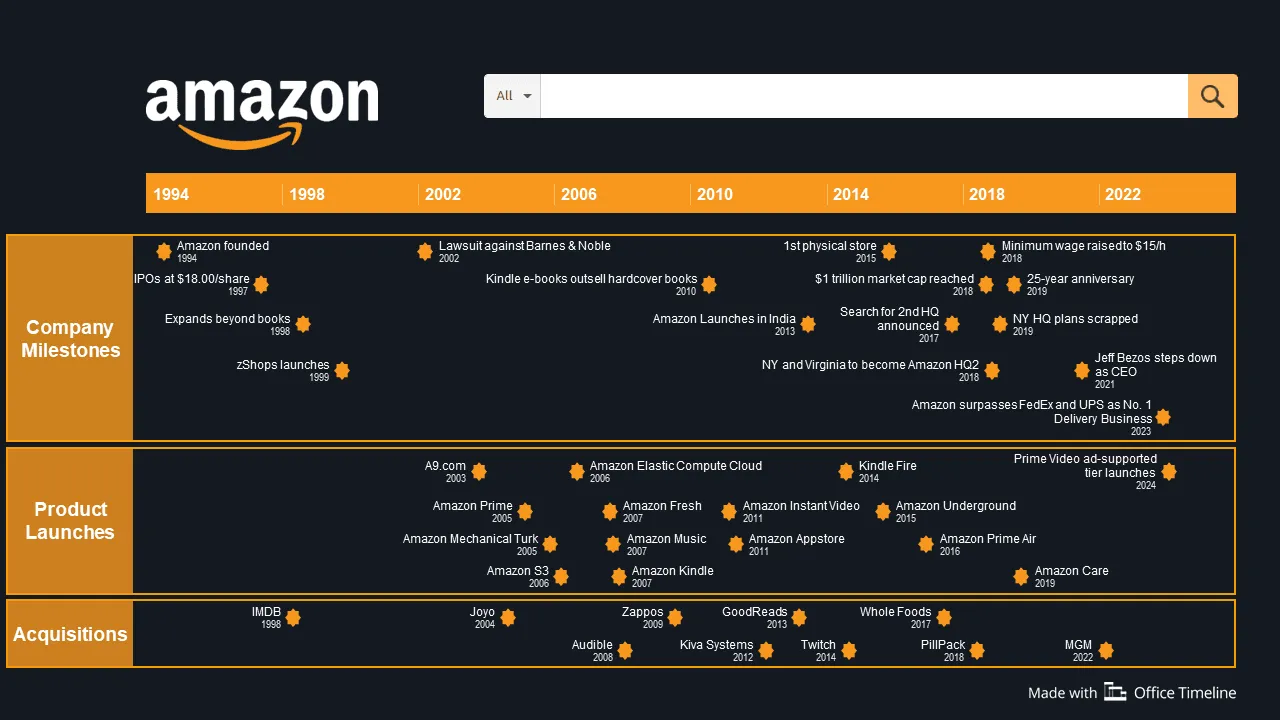
When was Amazon made? While 1994 marks the legal start, the Amazon brand is in a state of constant creation. From a niche bookstore to a global logistics and technology infrastructure, the brand has remained relevant because it was built on a foundation of flexible, customer-centric principles rather than rigid product categories.
The success of Amazon is a testament to the power of visionary branding. By choosing a name that implied scale, creating a visual identity that promised variety and happiness, and fostering an internal culture of perpetual innovation, Jeff Bezos didn’t just make a company—he made a blueprint for the modern corporate brand. As the company continues to expand into healthcare, entertainment, and space, the core identity established in that Washington garage continues to serve as its North Star, proving that a well-defined brand can truly span from A to Z.
aViewFromTheCave is a participant in the Amazon Services LLC Associates Program, an affiliate advertising program designed to provide a means for sites to earn advertising fees by advertising and linking to Amazon.com. Amazon, the Amazon logo, AmazonSupply, and the AmazonSupply logo are trademarks of Amazon.com, Inc. or its affiliates. As an Amazon Associate we earn affiliate commissions from qualifying purchases.