
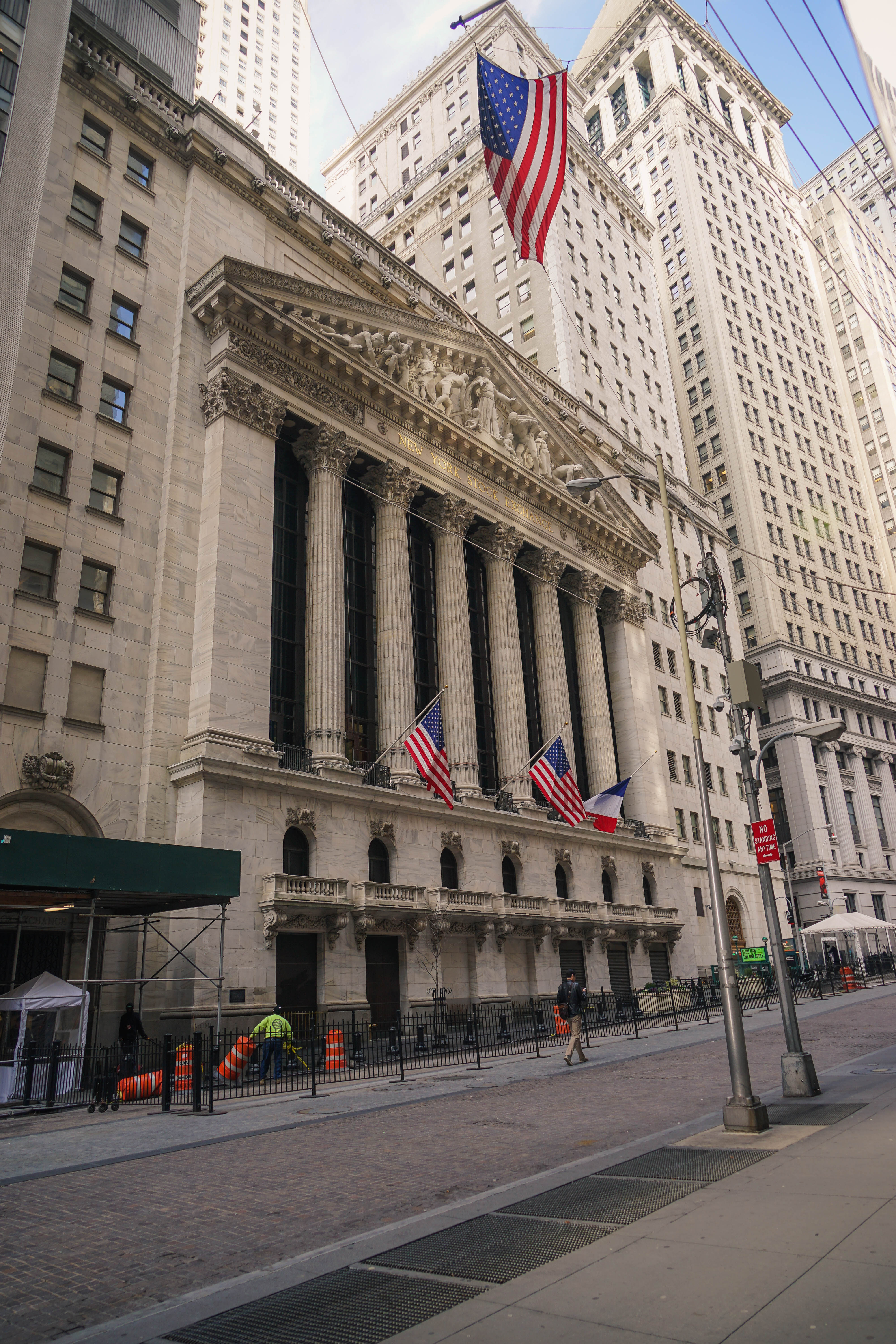
In the world of global finance, the New York Stock Exchange (NYSE) stands as the preeminent symbol of capitalism. Located at 11 Wall Street in Lower Manhattan, it is the world’s largest stock exchange by market capitalization. For investors, traders, and financial enthusiasts, understanding exactly when the NYSE closes—and the mechanics of what happens during those final minutes—is fundamental to managing a portfolio successfully.
While the short answer is that the NYSE closes at 4:00 PM Eastern Time (ET) on business days, the reality of market hours is far more nuanced. From pre-market sessions to the complexities of the “Closing Auction,” the timing of the market dictates liquidity, volatility, and price discovery. This guide explores the intricate schedule of the NYSE, the strategic importance of the closing bell, and how global market participants navigate these temporal boundaries.
Standard Trading Hours: The Core of the NYSE Schedule
The NYSE operates on a strict schedule designed to provide a concentrated period of high liquidity. For the vast majority of retail investors, these “regular” hours are the only window that truly matters for executing standard trades at stable prices.
The Regular Session (9:30 AM – 4:00 PM ET)
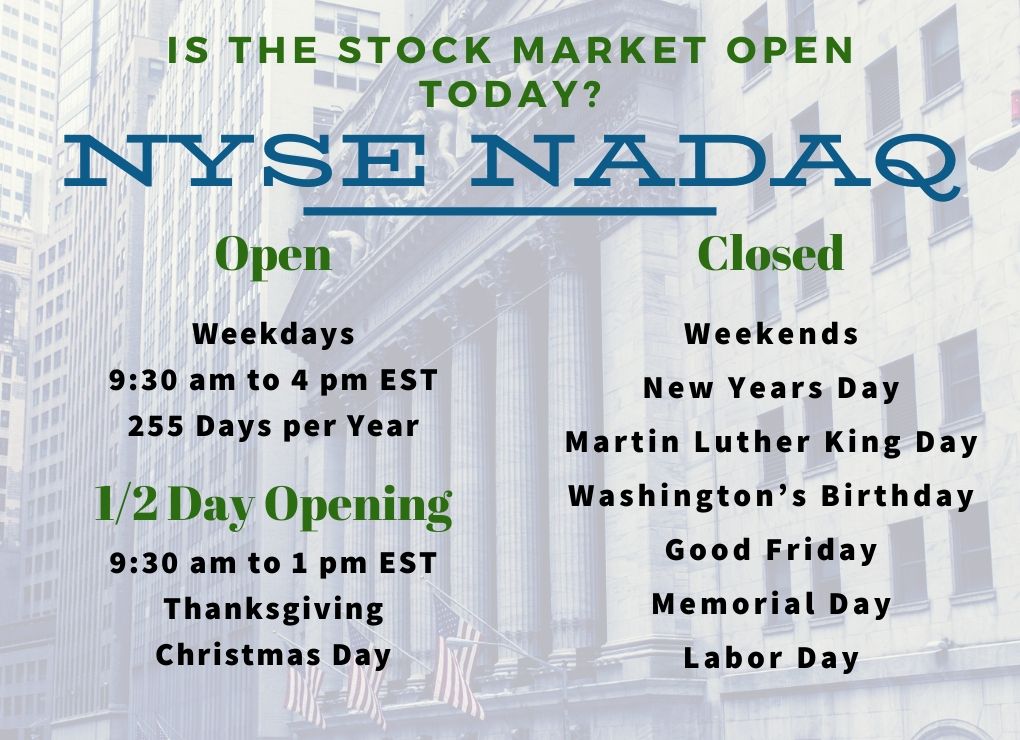
The NYSE is open Monday through Friday, starting with the opening bell at 9:30 AM ET and ending with the closing bell at 4:00 PM ET. These six and a half hours represent the period of maximum participation. During this window, institutional investors, mutual funds, and retail traders are all active, ensuring that the “bid-ask spread”—the difference between the highest price a buyer is willing to pay and the lowest price a seller is willing to accept—is at its narrowest.
The Significance of the Opening and Closing Bells
The bells are more than just a tradition; they signify the start and end of the continuous trading session. The closing bell at 4:00 PM is particularly critical because it marks the point at which the “closing price” for the day is established. This price is used to calculate the Net Asset Value (NAV) of mutual funds and is the benchmark used by financial media and historical databases to record the day’s performance.
Time Zone Considerations for Global Investors
Because the NYSE is located in New York, all official times are in Eastern Time. For investors located in other parts of the world, this requires careful coordination:
- Pacific Time (PT): 6:30 AM to 1:00 PM
- London (GMT/BST): 2:30 PM to 9:00 PM
- Hong Kong (HKT): 9:30 PM to 4:00 AM (the following day)
Understanding these shifts is vital for international investors who need to ensure their orders are placed during the window of highest liquidity to avoid “slippage,” which is the difference between the expected price of a trade and the price at which the trade is actually executed.
Beyond the Bell: Pre-Market and After-Hours Trading
The 4:00 PM close does not mean that trading stops entirely. In the modern digital age, electronic communication networks (ECNs) allow for trading outside of the traditional floor hours. This is known as extended-hours trading.
How Extended Hours Trading Works
The NYSE offers extended trading sessions for those who need to react to news that breaks outside of regular hours.
- Pre-Market Session: Runs from as early as 4:00 AM to 9:30 AM ET.
- After-Hours Session: Runs from 4:00 PM to 8:00 PM ET.
While these sessions provide flexibility, they operate differently than the regular session. Most notably, they are entirely electronic and do not involve the human “Designated Market Makers” (DMMs) who help maintain order on the NYSE floor during the day.
Risks and Opportunities in After-Hours Markets
The primary reason investors trade after the 4:00 PM close is to react to corporate earnings reports or major geopolitical events. Most public companies release their quarterly earnings immediately after the closing bell to ensure that all investors have time to process the information before the next day’s open.
However, trading after the close carries significant risks:
- Lower Liquidity: Far fewer people are trading, which means it can be harder to buy or sell shares without significantly moving the price.
- Wide Spreads: Because there are fewer participants, the gap between the buy and sell price often widens, increasing the cost of the trade.
- High Volatility: Prices can swing wildly on small volumes of shares, which can lead to “fake-outs” where a stock moves 5% after hours only to return to its original price when the market opens the next morning.
Electronic Communication Networks (ECNs) and Liquidity
Extended trading is facilitated by ECNs, which automatically match buy and sell orders. For a retail investor to participate in trading after the 4:00 PM close, their brokerage must offer extended-hours access. Not all brokers allow this, and those that do often require the use of “limit orders” to protect the investor from the aforementioned volatility.
Holiday Schedules and Early Closures: Planning Your Trading Year
The NYSE does not operate every day of the week. To be a successful investor, one must be aware of the federal holidays and specific “early close” days that can disrupt trading strategies.
Official NYSE Holiday Calendar
The exchange is closed on the following holidays (or the observed weekday if the holiday falls on a weekend):
- New Year’s Day
- Martin Luther King, Jr. Day
- Washington’s Birthday (Presidents’ Day)
- Good Friday
- Memorial Day
- Juneteenth National Independence Day
- Independence Day (July 4th)
- Labor Day
- Thanksgiving Day
- Christmas Day
Early Close Protocols (1:00 PM ET)
In addition to full closures, the NYSE frequently observes “early hours” on days preceding or following major holidays. Most notably:
- The day after Thanksgiving (Black Friday): The market closes at 1:00 PM ET.
- Christmas Eve: If it falls on a business day, the market typically closes at 1:00 PM ET.
- July 3rd: If July 4th falls on a Tuesday through Saturday, the market often closes early on July 3rd.
Trading volume during these shortened sessions is typically very light, leading to “quiet” markets where prices may drift without much conviction.
Market “Circuit Breakers” and Emergency Halts
It is also important to note that the NYSE can close unexpectedly. Following the “Black Monday” crash of 1987, the SEC implemented “circuit breakers.” These are temporary trading halts triggered by sharp declines in the S&P 500 Index:
- Level 1 (7% drop): 15-minute halt.
- Level 2 (13% drop): 15-minute halt.
- Level 3 (20% drop): Trading is suspended for the remainder of the day.
While rare, these emergency closures are designed to prevent panic selling and allow investors to digest information.
Strategic Implications: Why the Closing Time Matters for Your Portfolio
For the savvy investor, the 4:00 PM close is not just an end-point; it is a strategic window. The final hour of trading, often referred to as the “Power Hour,” is frequently the most active time of the day.
The “Closing Auction” and Price Discovery
The NYSE uses a unique “Closing Auction” to determine the final price of a stock. Between 3:50 PM and 4:00 PM, the exchange aggregates all “Market on Close” (MOC) and “Limit on Close” (LOC) orders. This process ensures that the closing price is the most representative price based on the maximum amount of supply and demand. For institutional investors managing billions of dollars, the closing auction is the most important liquidity event of the day.
Day Trading vs. Swing Trading Exit Strategies
If you are a day trader, the 4:00 PM close is your hard deadline. Holding a position overnight (“carrying overnight risk”) exposes you to “gaps”—where a stock opens the next day at a significantly different price than it closed. Swing traders, conversely, look at the closing price to confirm “breakouts” or “breakdowns” on technical charts. A stock closing at its daily high at 4:00 PM is often seen as a “bullish” signal for the following day.
Impact of Late-Day Economic Reports
While most government economic data (like CPI or Unemployment reports) is released at 8:30 AM ET, certain Treasury statements or Federal Reserve “Beige Book” releases occur in the afternoon. When these occur near the 4:00 PM close, they can trigger a flurry of activity as traders rush to rebalance their portfolios before the market locks for the night.
Global Market Synergy: How the NYSE Closing Affects Other Markets
The closing of the New York Stock Exchange acts as a relay baton in the 24-hour cycle of global finance. Because of the size of the U.S. economy, the NYSE close sets the tone for the rest of the world.
The Transition to Asian and European Markets
When the NYSE closes at 4:00 PM ET (which is 5:00 AM in Tokyo), the “hand-off” begins. Traders in Tokyo, Hong Kong, and Sydney look at how the S&P 500 and Dow Jones Industrial Average finished their sessions. If the NYSE closes with a sharp sell-off, it often triggers a “gap down” in the opening of the Asian markets a few hours later.

Correlation Between Late-Day NYSE Moves and Global Sentiment
In the era of interconnected finance, the “closing sentiment” in New York is a barometer for global risk appetite. If the NYSE closes strong, it often provides a “tailwind” for European markets (London, Frankfurt, Paris) when they open the following morning. For investors, this means that even if you aren’t trading U.S. stocks, the NYSE closing time remains a pivotal moment in your financial daily routine.
In conclusion, knowing that the New York Stock Exchange closes at 4:00 PM ET is merely the starting point. To truly master your personal finances and investment strategy, you must understand the mechanics of the closing auction, the risks of extended-hours trading, and the global ripple effects of the closing bell. By aligning your trading activities with these market cycles, you can optimize your entries and exits, minimize costs, and better navigate the complexities of the modern financial landscape.
aViewFromTheCave is a participant in the Amazon Services LLC Associates Program, an affiliate advertising program designed to provide a means for sites to earn advertising fees by advertising and linking to Amazon.com. Amazon, the Amazon logo, AmazonSupply, and the AmazonSupply logo are trademarks of Amazon.com, Inc. or its affiliates. As an Amazon Associate we earn affiliate commissions from qualifying purchases.