
In the contemporary landscape of global finance, few tickers command as much attention as NVDA. As the primary beneficiary of the generative artificial intelligence explosion, NVIDIA Corporation has transitioned from a niche hardware manufacturer for gamers into a systemic cornerstone of the global equity markets. For investors, traders, and financial analysts, the question “When does NVDA report?” is no longer a matter of routine bookkeeping; it is a pivotal event that can shift billions of dollars in market capitalization in a single afternoon.
Understanding the timing, the structure, and the financial implications of NVIDIA’s earnings reports is essential for anyone looking to navigate the “Money” niche of the modern economy. This article explores the specifics of NVIDIA’s fiscal calendar, why these reports carry such immense weight, and how investors should interpret the data released during these high-stakes announcements.

Understanding NVIDIA’s Unique Fiscal Cycle
To answer the question of when NVIDIA reports, one must first understand that the company does not follow the standard Gregorian calendar for its financial reporting. This is a common practice among large corporations, yet it often confuses retail investors who expect quarterly reports to align perfectly with the ends of March, June, September, and December.
The Fiscal Year vs. the Calendar Year
NVIDIA operates on a fiscal year that typically ends on the last Sunday of January. For example, NVIDIA’s “Fiscal Year 2025” actually covers the majority of the calendar year 2024. This offset means that their quarterly “earnings seasons” fall roughly one month later than the majority of other “Magnificent Seven” companies like Microsoft or Apple. While most tech giants report in January, April, July, and October, NVIDIA typically reports in February, May, August, and November.
The Quarterly Cadence
Typically, NVIDIA releases its quarterly results approximately three to four weeks after the close of its fiscal quarter.
- Q1 Reports: Usually occur in late May.
- Q2 Reports: Usually occur in late August.
- Q3 Reports: Usually occur in late November.
- Q4 and Full Year Reports: Usually occur in late February.
The specific date is generally announced by NVIDIA’s Investor Relations department about two weeks prior to the event. The reports are almost always released after the market closes (4:00 PM ET), followed by a highly anticipated conference call at 5:00 PM ET.
Why the Market Treats NVDA Reports as Macroeconomic Events
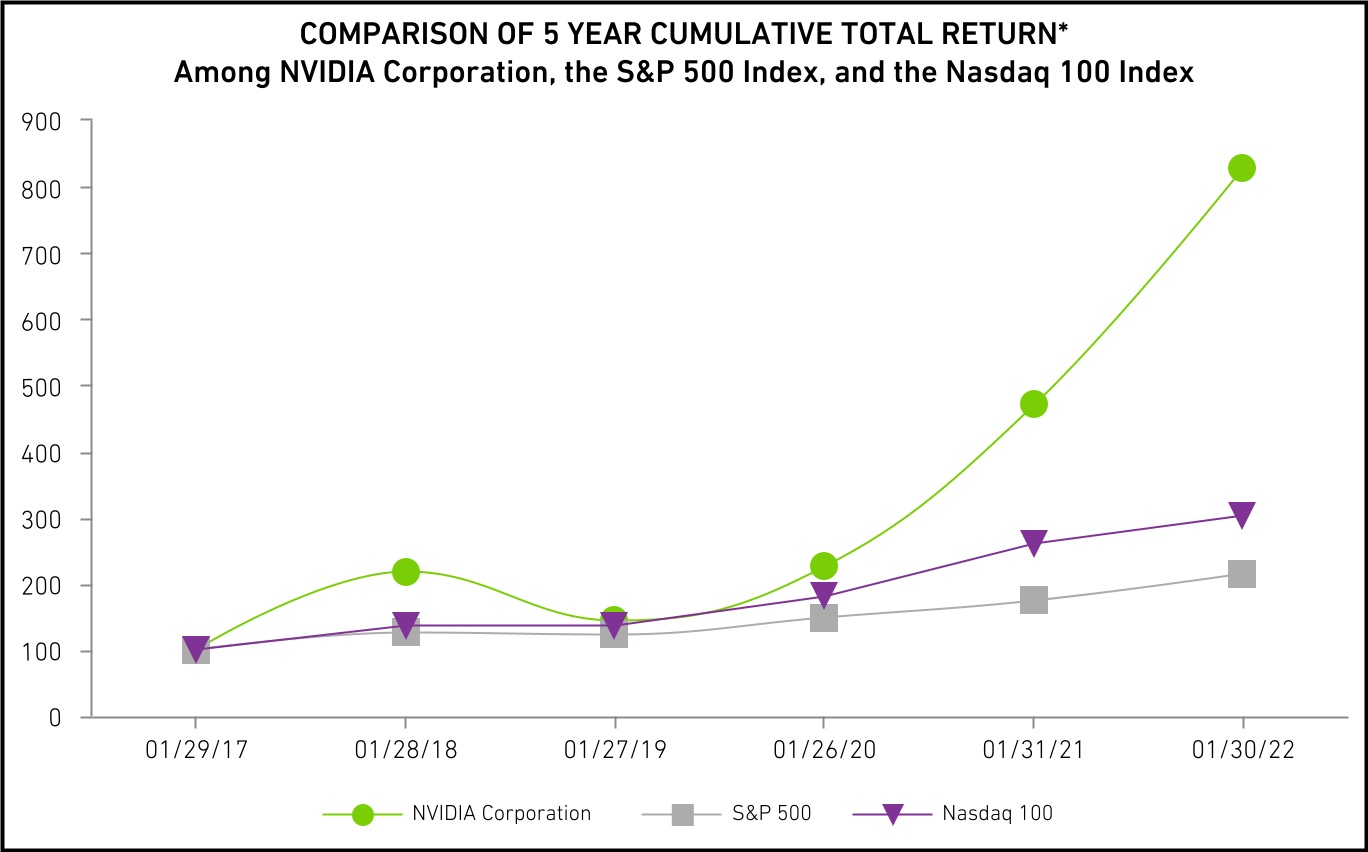
In previous decades, a single company’s earnings rarely moved the entire market unless it was a titan like General Electric or IBM. Today, NVIDIA has achieved a level of concentration in major indices—such as the S&P 500 and the Nasdaq-100—that makes its reporting date a “de facto” holiday for Wall Street.
The AI Sentiment Proxy
NVIDIA is currently viewed as the “arms dealer” of the AI revolution. Because their H100 and Blackwell chips are the foundational infrastructure for Large Language Models (LLMs), their earnings report serves as a health check for the entire technology sector. If NVIDIA reports a “beat and raise” (exceeding expectations and raising future guidance), it signals that capital expenditure among big tech firms like Alphabet, Meta, and Amazon remains robust. Conversely, a miss can trigger a sector-wide sell-off, as it suggests the AI “hype cycle” may be cooling.
Impact on ETFs and Index Funds
Because NVDA makes up a significant percentage of the weight in popular ETFs like the SPY (S&P 500) and QQQ (Nasdaq-100), its price action post-report directly influences the retirement accounts of millions of passive investors. On reporting days, it is common to see the “implied move”—the amount the market expects the stock to swing—reach 8% to 10%. For a company with a multi-trillion-dollar valuation, a 10% move represents hundreds of billions of dollars in value created or erased in hours.
Key Financial Metrics to Watch During a Report

When the PDF of the earnings release hits the wires, professional investors look far beyond the “headline” numbers. To understand the true value of the company, one must dissect the specific financial drivers that NVIDIA highlights.
Revenue Segmentation: Data Center Growth
While NVIDIA still sells GeForce GPUs for gaming, the “Data Center” segment is now the crown jewel of their balance sheet. This segment includes sales of AI chips to cloud service providers and sovereign nations. Investors look for the percentage of growth in this category specifically. If Data Center revenue grows at a triple-digit pace year-over-year, the market generally forgives stagnation in smaller segments like Professional Visualization or Automotive.
Gross Margins and Pricing Power
One of the most impressive aspects of NVIDIA’s financial profile is its gross margin, which has recently hovered near 70-75%. In the world of hardware, these are astronomical figures, more akin to software companies. During the report, analysts scrutinize these margins to see if NVIDIA maintains its pricing power or if competitors like AMD or bespoke in-house chips from Google and Amazon are beginning to erode NVIDIA’s dominance.
Forward Guidance: The “Whisper Number”
In the “Money” niche, the past is already priced in. What moves the stock during an earnings report is the “Guidance”—NVIDIA’s own forecast for the coming quarter. If the market expects $30 billion in revenue for the next quarter, but NVIDIA guides for $32 billion, the stock will likely climb. If they merely meet expectations, the stock may actually fall—a phenomenon known as “priced to perfection.”
Strategic Considerations for Investors and Traders
Navigating an NVDA reporting date requires a clear strategy, as the volatility can be punishing for the unprepared.
Managing “Earnings Volatility”
For short-term traders, the days leading up to an NVDA report are characterized by high Implied Volatility (IV). Options contracts become expensive because the market anticipates a large move. Often, even if the stock moves in the direction a trader predicted, they may lose money due to “IV Crush”—the rapid decline in option premiums once the uncertainty of the report is resolved. Conservative investors often choose to “wait and see,” preferring to buy into the post-earnings trend rather than gambling on the immediate reaction.
The “Post-Earnings Drift”
Empirical financial studies often point to a “post-earnings announcement drift,” where a company that delivers a significant positive surprise continues to outperform the market for the following weeks. For long-term investors, the reporting date is less about the 4:00 PM price spike and more about confirming the long-term thesis: Is the company still growing? Is the moat still wide? If the fundamentals remain strong, the “reporting day” is simply another data point in a multi-year growth story.
How to Stay Informed on NVIDIA Reporting Dates
Since the exact date of an earnings report can change slightly from year to year based on the calendar, investors must use reliable tools to stay updated.
Official Investor Relations Channels
The most accurate source is the NVIDIA Investor Relations website. NVIDIA typically issues a press release titled “NVIDIA Announces Financial Results Date” roughly two weeks before the call. Subscribing to their email alerts ensures you receive the official announcement the moment it is public.
Utilizing Financial Calendars and Tools
Modern financial platforms such as Bloomberg, Reuters, and Yahoo Finance provide “Earnings Calendars” that allow users to filter by ticker. Many brokerage apps (like Charles Schwab, Fidelity, or Robinhood) also provide push notifications for “Earnings Events” for any stocks held in a user’s watchlist.
In the high-octane world of AI investing, timing is everything. By understanding NVIDIA’s fiscal schedule and the specific metrics that drive its valuation, investors can move beyond the “hype” and make informed, data-driven decisions. Whether you are a day trader looking for a volatility play or a long-term investor building a retirement portfolio, the day NVIDIA reports is arguably the most important day on the financial calendar.
aViewFromTheCave is a participant in the Amazon Services LLC Associates Program, an affiliate advertising program designed to provide a means for sites to earn advertising fees by advertising and linking to Amazon.com. Amazon, the Amazon logo, AmazonSupply, and the AmazonSupply logo are trademarks of Amazon.com, Inc. or its affiliates. As an Amazon Associate we earn affiliate commissions from qualifying purchases.