
Understanding the operational hours of financial markets is not merely a logistical detail; it’s a foundational element of effective investing, trading, and financial planning. For newcomers, the concept of a market “opening” and “closing” might seem straightforward, but beneath the surface lies a complex interplay of regulations, liquidity, geographical nuances, and technological infrastructure that shapes global finance. This article will delve into the intricacies of market timings, exploring not just the standard hours but also the strategic implications for participants across various financial instruments.
The Rhythm of the Stock Market: Standard Trading Hours
At the heart of the investment world are stock exchanges, the arenas where shares of publicly traded companies are bought and sold. While the image of a bustling trading floor might evoke a sense of continuous action, these markets adhere to strict schedules, designed to ensure fairness, transparency, and operational efficiency.
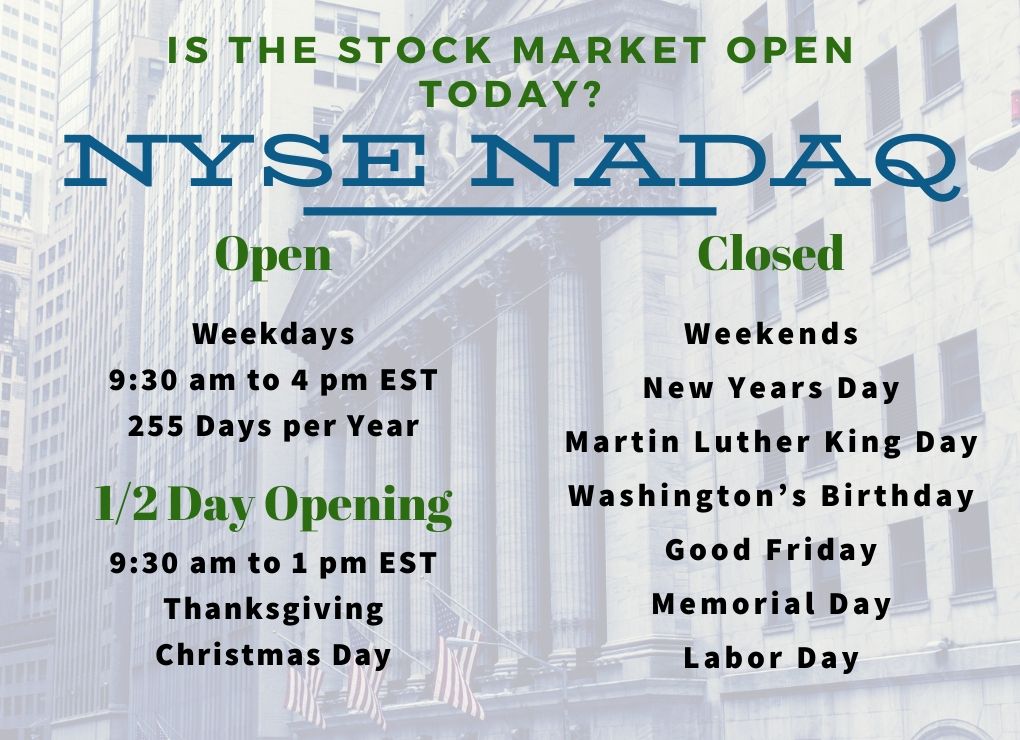
The Standard Trading Day: NYSE and NASDAQ
In the United States, the two primary stock exchanges, the New York Stock Exchange (NYSE) and the Nasdaq Stock Market, operate under a well-defined schedule. The core trading session runs from 9:30 AM to 4:00 PM Eastern Time (ET), Monday through Friday. This 6.5-hour window is often referred to as “regular market hours” or the “cash session.” During this period, the vast majority of trading activity occurs, characterized by high liquidity and tight bid-ask spreads.
The rationale behind these specific hours is multi-faceted. Historically, they allowed for the physical exchange of information and processing of orders, a legacy that persists even in today’s highly digitized environment. More importantly, these hours centralize trading activity, concentrating buyers and sellers to ensure robust liquidity. High liquidity means that large orders can be executed without significantly impacting the price, and it reduces the spread between the highest price a buyer is willing to pay (bid) and the lowest price a seller is willing to accept (ask), leading to more efficient price discovery.
Beyond the Bell: Pre-Market and After-Hours Trading
The financial markets, however, don’t go completely dormant outside of the standard 9:30 AM to 4:00 PM window. Modern electronic communication networks (ECNs) and alternative trading systems (ATS) facilitate trading before the opening bell and after the closing bell.
Pre-market trading typically begins as early as 4:00 AM ET and extends until the market opens at 9:30 AM ET. After-hours trading commences shortly after 4:00 PM ET and can continue until 8:00 PM ET. These extended hours allow investors and institutions to react quickly to news events that break outside of regular market hours, such as earnings announcements, economic data releases, or geopolitical developments.
While these sessions offer flexibility, they come with inherent caveats. Trading volume is significantly lower during pre-market and after-hours sessions, leading to reduced liquidity. This lower liquidity can result in wider bid-ask spreads and increased price volatility, meaning that even smaller orders can have a disproportionate impact on stock prices. Consequently, execution prices might be less favorable, and it can be challenging to execute large orders without significant slippage. Investors participating in extended hours trading need to be acutely aware of these risks.
Impact of Time Zones and Geographic Location
The concept of “market hours” becomes more complex when considering the global nature of finance. While the NYSE and Nasdaq adhere to Eastern Time, other major U.S. exchanges, such as the Chicago Mercantile Exchange (CME) which handles futures and options, operate on their own distinct schedules, often beginning earlier or ending later than stock markets. Furthermore, traders in different time zones must adjust their schedules to participate in U.S. market hours. A trader in London, for example, would begin their trading day in the afternoon to align with the U.S. market open, while an investor in Tokyo would be active late into the night. This highlights the constant, interconnected nature of global finance, even as individual markets observe their own defined periods.
Navigating Global Market Schedules
The world of finance is a continuous loop, with major markets opening and closing across different time zones, creating a near 24-hour trading environment if one considers all global exchanges. Understanding these diverse schedules is crucial for global investors, multinational corporations, and currency traders.
Key International Stock Exchanges
Just as the U.S. has its primary exchanges, every major economy hosts its own stock market, each with its unique operating hours.
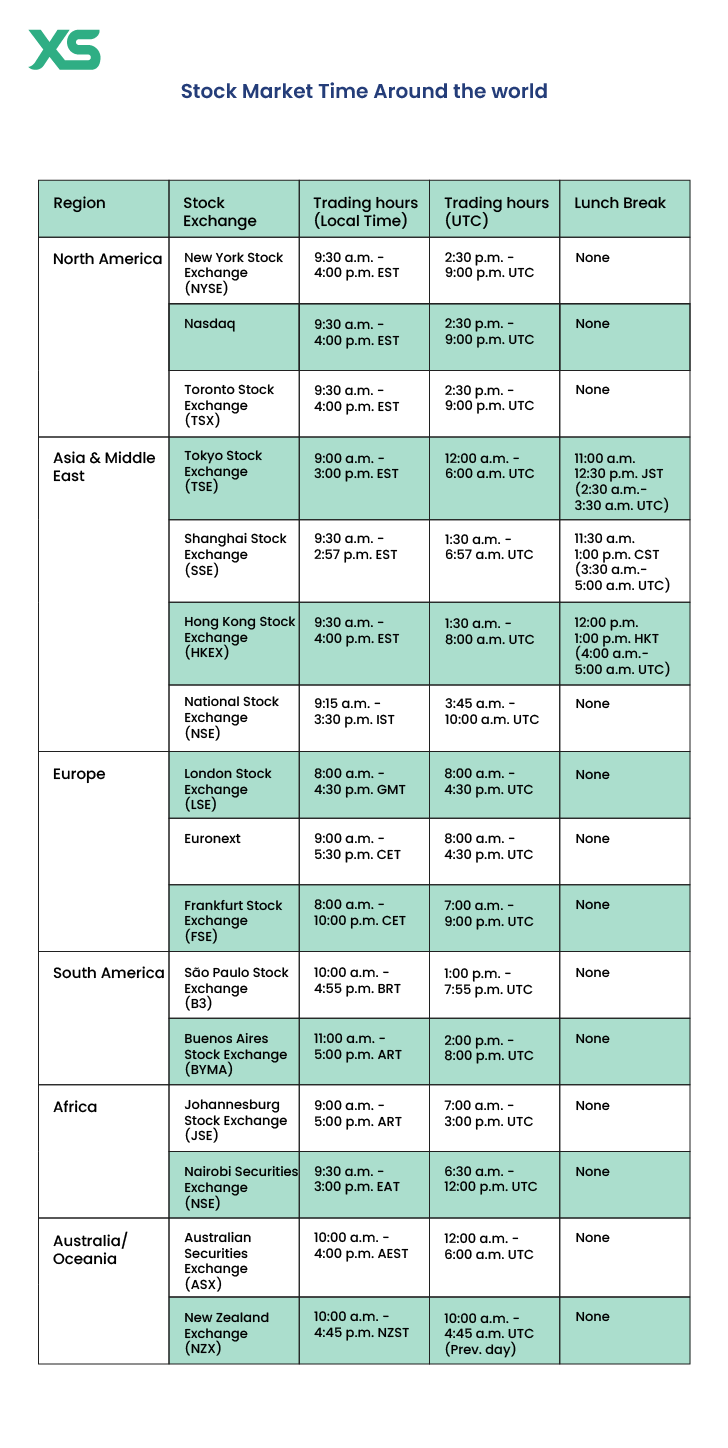
- Europe: The London Stock Exchange (LSE) operates from 8:00 AM to 4:30 PM GMT. The Euronext exchanges (Paris, Amsterdam, Brussels, Lisbon) typically run from 9:00 AM to 5:30 PM CET. The Frankfurt Stock Exchange (Xetra) operates from 9:00 AM to 5:30 PM CET. These European markets typically open before the U.S. market and close while the U.S. market is still active, creating an overlap that facilitates cross-continental trading.
- Asia-Pacific: The Tokyo Stock Exchange (TSE) operates in two sessions: 9:00 AM to 11:30 AM JST and 12:30 PM to 3:00 PM JST. The Shanghai Stock Exchange (SSE) and Shenzhen Stock Exchange (SZSE) in China also have split sessions: 9:30 AM to 11:30 AM CST and 1:00 PM to 3:00 PM CST. The Hong Kong Stock Exchange (HKEX) follows a similar pattern: 9:30 AM to 12:00 PM HKT and 1:00 PM to 4:00 PM HKT. These Asian markets are typically the first to open the trading week and close before European markets begin, creating a sequential flow of global activity.
- Australia: The Australian Securities Exchange (ASX) operates from 10:00 AM to 4:00 PM AEDT.
These varied schedules mean that news impacting one region can ripple through subsequent markets as they open, providing different trading opportunities and risks throughout the global day.
The Concept of a “Continuous Global Market”
While individual stock exchanges have defined hours, the interconnectedness of modern finance creates an illusion of a “continuous global market” for many assets, especially those with high international participation. As one major market closes, another is often opening, ensuring that trading opportunities are almost always available somewhere in the world. This phenomenon is particularly pronounced in the case of large, globally traded companies whose shares may be listed on multiple exchanges, allowing trading to effectively occur across different time zones. For sophisticated investors and institutions, this 24-hour accessibility, through various venues, is critical for managing risk and capturing opportunities arising from global events.
Currency Markets (Forex) – A 24/5 Operation
Perhaps the most significant example of a continuously operating market is the Foreign Exchange (Forex) market. Unlike stock exchanges, which are centralized entities, Forex trading is decentralized, occurring “over-the-counter” (OTC) between banks, institutions, and individual traders globally. This decentralization, coupled with the constant need for currency exchange in international trade and investment, allows the Forex market to operate 24 hours a day, five days a week, typically opening Sunday evening ET and closing Friday evening ET.
Major financial centers like London, New York, Tokyo, Sydney, and Frankfurt sequentially take the lead in trading volume, ensuring liquidity around the clock. This continuous operation means that currency traders can react immediately to news at any time, day or night, without having to wait for a market to open. The only significant breaks are over the weekend, from Friday evening to Sunday evening, when most banks and financial institutions are closed. This unique characteristic makes Forex a distinct domain from equity markets, requiring different strategies and risk management approaches.
The Rationale Behind Market Hours
The specific timing of market opens and closes isn’t arbitrary. It’s a carefully considered framework designed to balance various objectives, ranging from operational logistics to market integrity and investor protection.
Ensuring Liquidity and Orderliness
As mentioned earlier, concentrated trading hours serve to pool liquidity. By having a defined period when most participants are active, the market ensures a deeper pool of buyers and sellers for securities. This reduces volatility caused by thin trading and allows for more accurate and stable price discovery. Without concentrated hours, trading could become sporadic and illiquid, leading to wild price swings and making it difficult for investors to buy or sell at fair prices. The structured opening and closing procedures also help manage volatility, with “opening auctions” and “closing auctions” often used to set initial and final prices based on aggregated orders, promoting an orderly transition.
Facilitating Information Dissemination
Standard market hours also play a crucial role in managing the flow of information. Public companies are often required to release material information, such as earnings reports or significant corporate news, outside of regular trading hours. This “information embargo” allows all market participants an equal opportunity to process the new data before trading commences. When the market opens, all investors have had time to digest the news, theoretically leading to more informed and less chaotic trading. If information were released during continuous trading, some participants might gain an unfair advantage, or the market could react erratically to partial information.
Managing Operational Logistics
Despite the rise of electronic trading, significant operational and regulatory infrastructure underpins market operations. Brokerages, clearinghouses, and regulatory bodies all have staff and systems that need to process trades, settle accounts, and monitor market activity. Defined hours allow for necessary “down time” for maintenance, system upgrades, data reconciliation, and regulatory oversight. This period ensures that the complex machinery of the financial markets can be reset, updated, and validated for the next trading day, maintaining the integrity and security of the entire ecosystem. It also allows time for banks and clearing houses to complete the enormous task of settling millions of transactions executed each day.
Implications for Investors and Traders
The timing of market operations has profound implications for how investors and traders approach their strategies, manage risk, and make decisions. Ignoring these timings can lead to missed opportunities or, worse, significant losses.
Strategic Trading During Market Hours
Most retail and institutional trading strategies are optimized for regular market hours due to the superior liquidity and tighter spreads. Day traders, for example, rely heavily on the high volume and predictable patterns often seen between 9:30 AM and 4:00 PM ET. Longer-term investors also benefit, as their buy and sell orders are more likely to be filled at favorable prices during peak hours. Understanding the “power hours” – often the first and last hour of the trading day, which typically see heightened volatility and volume – can be particularly important for tactical trading decisions. During these periods, market participants react to overnight news or position themselves for the next session, creating significant price movements.
Risks and Opportunities in Extended Hours
While riskier, pre-market and after-hours trading present unique opportunities for those willing to accept the increased volatility and reduced liquidity. Investors can react to breaking news instantaneously, potentially profiting from early price movements before the broader market opens. For example, a positive earnings surprise announced after market close might allow an investor to buy shares in the after-hours session before a likely upward gap at the next day’s open. Conversely, adverse news could be acted upon swiftly to mitigate losses. However, the perils are equally significant. Thin trading can lead to exaggerated price movements, and orders placed might be filled at prices far from what was expected due to wide spreads or a lack of opposing orders. It’s crucial for those trading in extended hours to use limit orders, which specify the maximum or minimum price at which one is willing to buy or sell, rather than market orders, which simply execute at the best available price.
Impact on Portfolio Management and Decision-Making
For portfolio managers and long-term investors, market hours influence when they rebalance portfolios, execute large block trades, or make significant investment decisions. The “closed” periods allow for careful analysis, research, and strategy formulation without the pressure of live market fluctuations. Institutional investors often use these off-hours to prepare for the next day’s activity, absorbing news and adjusting their game plans. The sequential opening of global markets also provides an early indicator of sentiment. For instance, a strong performance in Asian markets might set a positive tone for European and then U.S. markets later in the day, influencing sentiment and trading strategies. Understanding these interdependencies is a key part of sophisticated portfolio management.
Beyond Stocks: Other Financial Market Timings
While stock markets are perhaps the most commonly discussed, other financial instruments operate on their own distinct schedules, each with implications for different types of investors and financial strategies.
Bond Markets
Unlike stock exchanges, the bond market in the U.S. generally operates on a more flexible schedule, often closing earlier than stock markets. The standard hours for the U.S. Treasury and corporate bond markets are typically from 8:00 AM to 5:00 PM ET, though institutional trading can extend beyond these hours. The bond market often closes early on days preceding holidays or in response to specific economic events. Its decentralized, over-the-counter nature means that trading is less confined to a single exchange’s opening and closing bells. These differing hours reflect the institutional nature of bond trading, where large block trades between banks and other financial institutions dominate, often settling through different clearing mechanisms than equities.
Commodity Markets (Futures)
Commodity markets, which trade futures contracts on assets like oil, gold, agricultural products, and natural gas, operate on distinct schedules, often linked to the specific commodity being traded. Many commodity futures are traded on exchanges like the Chicago Mercantile Exchange (CME Group) and the Intercontinental Exchange (ICE). These exchanges often have electronic trading platforms that operate almost 24 hours a day, five or six days a week, with short breaks for maintenance. For example, crude oil futures on the NYMEX (part of CME Group) might trade from Sunday evening through Friday afternoon with short daily breaks. Agricultural commodities might have more restricted hours, aligning with the growing season or specific physical market operations. The extended hours for many commodities reflect their global nature and the continuous demand for these underlying assets.

Cryptocurrency Markets (24/7)
In stark contrast to traditional markets, cryptocurrency markets operate truly 24 hours a day, seven days a week, 365 days a year. There are no official “open” or “close” times, no weekend breaks, and no holiday stoppages. This continuous operation is a fundamental characteristic of decentralized digital assets like Bitcoin and Ethereum, which are traded on a multitude of global exchanges and peer-to-peer platforms. This constant availability means that prices can fluctuate at any time, reacting to news, technological developments, or sentiment shifts around the globe. While this offers unparalleled flexibility for traders, it also demands continuous vigilance and poses unique challenges for risk management, as there’s no “breather” period for reflection or adjustment. The always-on nature also means that market participants are exposed to overnight and weekend volatility without the benefit of traditional market liquidity consolidation or regulatory oversight that comes with defined hours.
In conclusion, understanding when and how financial markets open and close is fundamental for anyone participating in the investment landscape. From the structured rhythms of stock exchanges to the continuous flow of Forex and crypto markets, each timing regime presents unique opportunities and challenges. By grasping these schedules and their underlying rationales, investors and traders can make more informed decisions, manage risks effectively, and navigate the complex, interconnected world of global finance with greater confidence.
aViewFromTheCave is a participant in the Amazon Services LLC Associates Program, an affiliate advertising program designed to provide a means for sites to earn advertising fees by advertising and linking to Amazon.com. Amazon, the Amazon logo, AmazonSupply, and the AmazonSupply logo are trademarks of Amazon.com, Inc. or its affiliates. As an Amazon Associate we earn affiliate commissions from qualifying purchases.