
When we ask, “When did Tesla start?” the chronological answer is July 1, 2003. However, from a brand strategy perspective, Tesla didn’t just start as a company; it started as a challenge to a century-old industry narrative. While most automotive giants were founded on the principles of mechanical engineering and mass-market assembly, Tesla was forged in the fires of Silicon Valley venture culture.
Understanding Tesla’s inception requires looking past the hardware to the sophisticated corporate identity and brand positioning that allowed a startup to survive in an industry that notoriously swallows newcomers. This is the story of how a brand was built on the premise that sustainability could—and should—be synonymous with luxury and status.

The Founding Pillars: Beyond the Elon Musk Mythos (2003–2004)
A common misconception in the world of personal branding and corporate history is that Elon Musk was the sole architect of Tesla. In reality, the brand’s identity was crystallized by Martin Eberhard and Marc Tarpenning. Their vision was not merely to build an electric car, but to solve a specific branding problem: the “golf cart” perception of electric vehicles (EVs).
Martin Eberhard and Marc Tarpenning: The Original Vision
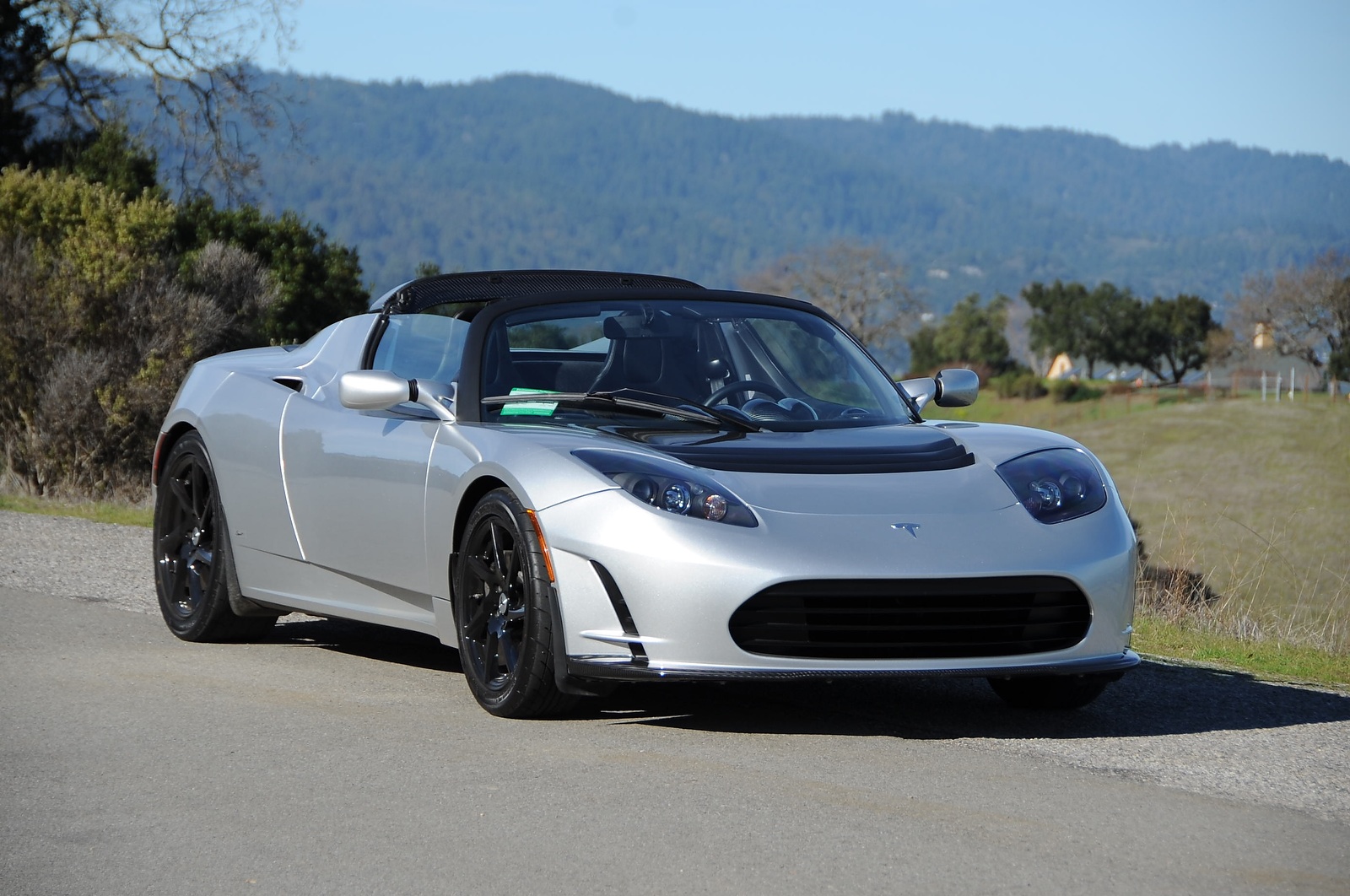
Before the first Model Roadster ever touched asphalt, the founders identified a gap in the market. At the time, electric vehicles like the General Motors EV1 were seen as utilitarian, slow, and aesthetically uninspired. Eberhard and Tarpenning realized that for a new brand to succeed, it needed to be aspirational. By incorporating the company in July 2003, they set out to create a car that people wanted to drive not because it was “green,” but because it was better than its gasoline counterparts. This pivot from “environmental duty” to “superior performance” remains the cornerstone of Tesla’s brand strategy.
The Master Plan: Creating a Premium Entry Point
Elon Musk joined as the primary series-A investor in 2004 and eventually took the helm as CEO, but his greatest contribution was the “Master Plan.” This wasn’t just a business plan; it was a brand roadmap. The strategy was simple but counterintuitive:
- Build a high-priced, low-volume car (The Roadster).
- Use that money to build a mid-priced, mid-volume car (Model S/X).
- Use that money to build a low-priced, high-volume car (Model 3/Y).
From a marketing perspective, this was genius. It allowed Tesla to establish its brand identity at the luxury tier, where margins are high and the “cool factor” is easily cultivated, before cascading down to the mass market.
Building a Lifestyle Brand: The Roadster and the Power of Exclusivity
In the early 2000s, the automotive industry relied heavily on traditional television and print advertising. Tesla, under Musk’s growing influence, chose a different path. They didn’t sell a car; they sold a membership to an exclusive club of early adopters and tech visionaries.
The “Top-Down” Marketing Strategy
By launching with the Roadster, Tesla effectively used the “Halo Effect.” When celebrities like George Clooney and Leonardo DiCaprio were seen in a Tesla, the brand identity shifted overnight. It became the vehicle of the future. This top-down approach meant that when Tesla eventually released more affordable models, the brand already carried the prestige of a six-figure supercar. This is a classic brand strategy: build the dream at the top to sell the reality at the bottom.
Redefining the EV Aesthetic
The design language of the early Tesla era was a crucial part of its corporate identity. Unlike other manufacturers who tried to make EVs look “futuristic” (often resulting in odd, boxy shapes), Tesla chose a sleek, aerodynamic, and classically beautiful aesthetic. By making the Roadster look like a traditional high-end sports car, they lowered the psychological barrier for entry. They proved that a brand could be revolutionary on the inside while remaining sophisticated and familiar on the outside.
Scaling the Identity: From Niche Manufacturer to Global Powerhouse
As the brand moved into the 2010s, the challenge shifted from proving a concept to scaling a global identity. The launch of the Model S in 2012 was the moment Tesla transitioned from a niche hobbyist brand to a legitimate threat to the German luxury triarchy of BMW, Mercedes-Benz, and Audi.
The Model S and the Birth of “Tech-First” Luxury
With the Model S, Tesla introduced a new element to its brand identity: the software-defined vehicle. This was a radical departure from traditional branding. While Mercedes marketed leather quality and engine displacement, Tesla marketed “Over-the-Air” (OTA) updates and large touchscreens. They positioned themselves as a tech company that happened to make cars, rather than a car company trying to use tech. This distinction is vital; it allowed Tesla to command the valuation of a software firm rather than the lower multiples of a traditional manufacturer.
Vertical Integration as a Brand Promise
A significant part of Tesla’s brand identity is the concept of the “ecosystem.” By building the Supercharger network, Tesla addressed “range anxiety” not just through hardware, but through infrastructure. This created a unique brand promise: “We don’t just sell you the car; we provide the fuel and the lifestyle.” For a consumer, the brand became synonymous with a seamless experience, a feat that no other manufacturer has successfully replicated at scale. This vertical integration reinforces the brand’s image as a self-reliant, innovative leader that doesn’t need to play by the rules of traditional dealerships or supply chains.
The Cult of Personality and Community Governance
One of the most fascinating aspects of the Tesla brand is its reliance on non-traditional marketing. Tesla famously spends $0 on traditional advertising. Instead, the brand identity is fueled by social media, community advocacy, and the personal brand of Elon Musk.
The Role of Social Media in Corporate Identity
Elon Musk’s Twitter (now X) presence has functioned as the company’s de facto PR department. While this carries significant risks, it has fostered a sense of transparency and directness that traditional corporate brands lack. When a customer tweets a suggestion to Musk and sees it implemented in a software update weeks later, it creates a level of brand loyalty that is almost religious in its fervor. The brand isn’t a faceless corporation; it is a living, breathing entity that engages with its audience in real-time.
Customer Advocacy and the Absence of Traditional Advertising
Tesla’s marketing strategy relies on the “Net Promoter Score” taken to the extreme. Owners are not just customers; they are evangelists. This organic growth is a testament to a strong brand identity. When the product is so distinct that it creates its own “word-of-mouth” momentum, the need for billion-dollar ad campaigns vanishes. This efficiency in brand building has become a case study for modern startups, proving that a clear mission and a superior product can outweigh the loudest marketing budget.

Future-Proofing the Tesla Brand: Challenges of Mass Market Expansion
As Tesla moves further away from its 2003 origins and deeper into the mass-market territory with the Model 3 and Model Y, the brand faces a new set of challenges. How does a brand maintain its “exclusive” and “innovative” identity when its cars are on every street corner?
The strategy has pivoted toward “The Mission”: accelerating the world’s transition to sustainable energy. Tesla is no longer just an automotive brand; it is an energy brand. By expanding into solar roofs and Powerwalls, the company is diversifying its identity. The brand is now anchored in the idea of a sustainable future, ensuring that even as the “newness” of EVs wears off, the brand’s core purpose remains relevant.
In conclusion, “when did Tesla start” is a question with two answers. It started in 2003 as a legal entity, but it started in the minds of the public as a symbol of the future. Through a masterfully executed brand strategy that prioritized performance over environmental preaching, leveraged high-end exclusivity to fund mass-market accessibility, and utilized a tech-first identity to disrupt a stagnant industry, Tesla has become more than just a car company. It is a blueprint for how a brand can change the world by changing the narrative.
aViewFromTheCave is a participant in the Amazon Services LLC Associates Program, an affiliate advertising program designed to provide a means for sites to earn advertising fees by advertising and linking to Amazon.com. Amazon, the Amazon logo, AmazonSupply, and the AmazonSupply logo are trademarks of Amazon.com, Inc. or its affiliates. As an Amazon Associate we earn affiliate commissions from qualifying purchases.