
In the mid-1990s, the concept of a “digital storefront” was a novelty, often met with skepticism by traditional retailers and consumers alike. When Jeff Bezos incorporated Amazon in 1994, it was famously positioned as “Earth’s Biggest Bookstore.” However, for those watching the brand’s strategic maneuvers closely, the focus on books was never the endgame. It was a calculated entry point—a beachhead for a brand designed to eventually encompass the entire spectrum of human consumption. To understand when Amazon started “selling everything,” one must look beyond a single date and instead examine the strategic pivot points that transformed a niche bookseller into a global synonym for commerce.

From Bookseller to Universal Disrupter: The Strategic Foundation
The transition from a specialized retailer to a generalist powerhouse was built on a foundation of specific brand values: selection, convenience, and low prices. Bezos chose books not because he was particularly passionate about literature, but because they were the perfect commodity for a fledgling e-commerce brand.
Identifying the “Low-Hanging Fruit”
In 1994, there were more individual titles in print for books than there were products in any other category. This allowed Amazon to offer a “long tail” of inventory that no physical bookstore could match. By branding themselves as “Earth’s Biggest Bookstore,” Amazon established a reputation for infinite selection. This brand equity was portable; once customers trusted Amazon to deliver an obscure paperback, they were psychologically primed to trust them with other categories. The brand strategy was to master the logistics and trust-building of one category before leveraging that credibility to colonize others.
The Philosophy of Customer Obsession
From its inception, Amazon’s brand identity was tethered to “Customer Obsession” rather than competitor obsession. This nuance is critical to understanding their expansion. While competitors were focused on protecting their specific niches (like electronics or home goods), Amazon’s brand was built on the idea that the platform should be the starting point for any purchase journey. By focusing on the customer’s desire for a friction-free experience, the brand naturally expanded into any category where friction existed.
Scaling the Catalog: The Pivot Points of 1998 and 1999
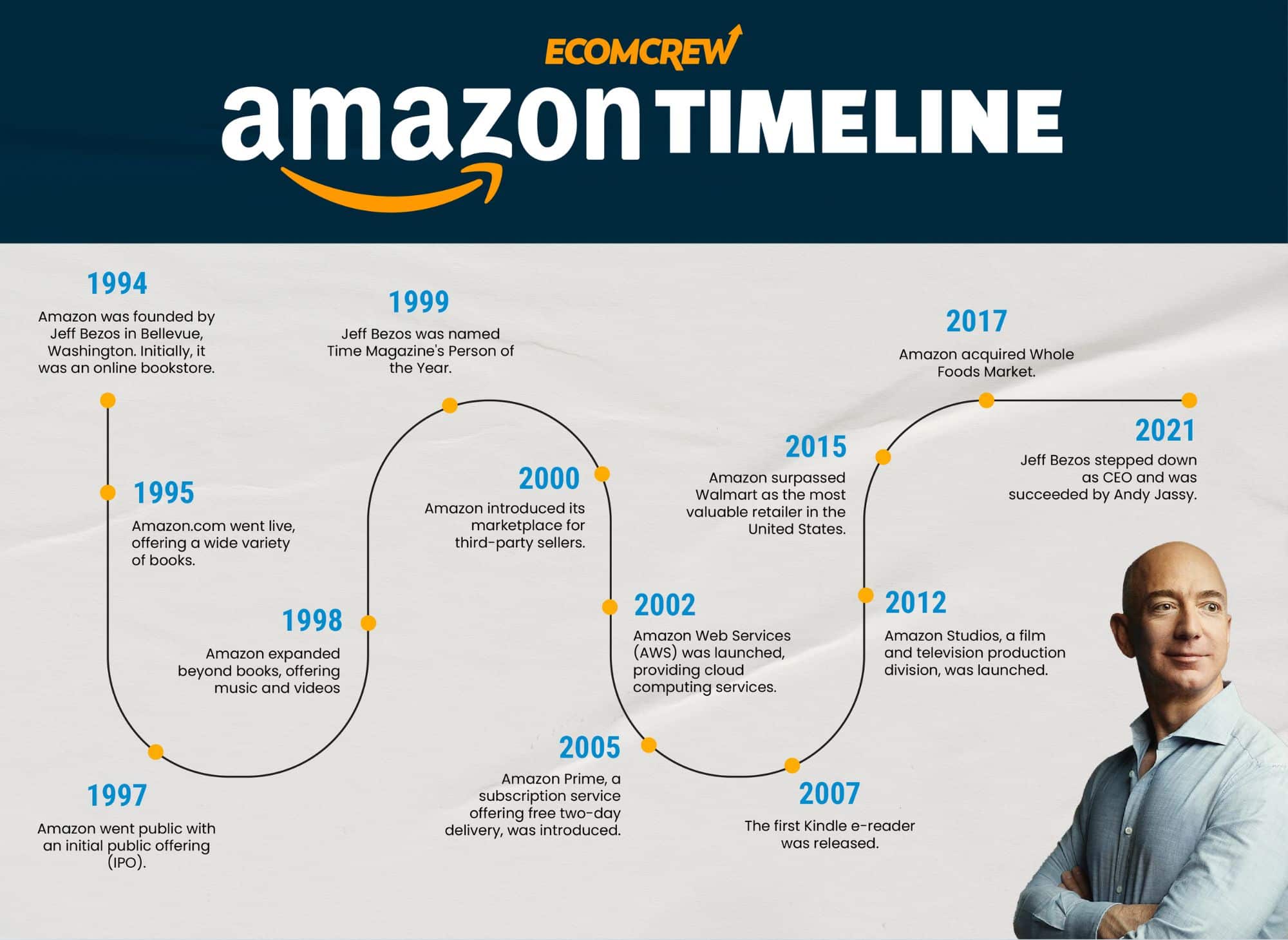
If we are looking for the specific moment when the “Everything Store” vision became a public reality, the years 1998 and 1999 stand as the definitive era of expansion. This was the period when Amazon’s brand identity shifted from “the book people” to “the internet people.”
Music and Video as the First Frontier
In June 1998, Amazon made its first major leap outside of the printed word by opening its Music and Video stores. The strategy remained consistent: offer a catalog significantly larger than what a physical Tower Records or Blockbuster could provide. By the end of 1998, Amazon had successfully signaled to the market that its infrastructure—its website interface, its recommendation engine, and its distribution centers—was category-agnostic. The brand was no longer defined by the product, but by the platform.
Opening the Gates to Third-Party Sellers
Perhaps the most significant milestone in becoming the “Everything Store” occurred in November 1999 with the launch of Amazon Marketplace. This allowed third-party sellers to list their products alongside Amazon’s own inventory. This was a masterstroke of brand strategy. It allowed Amazon to scale its selection exponentially without the risk of owning the inventory. Overnight, the “Everything” in “The Everything Store” became a reality, as thousands of small businesses brought niche products—from vintage collectibles to specialized hardware—under the Amazon umbrella. This move solidified Amazon’s identity as a gatekeeper of global commerce.
The Branding of Convenience: Prime and the Ecosystem Effect
Selling everything is only half the battle; the other half is ensuring that customers choose to buy everything from you. As the 2000s progressed, Amazon’s brand strategy shifted from merely offering selection to dominating the consumer’s lifestyle through the “Amazon Prime” ecosystem.
Selling Time, Not Just Products
Launched in 2005, Amazon Prime was a revolutionary branding tool. By charging an upfront fee for “free” two-day shipping, Amazon changed the consumer’s psychological calculation. Once a customer was a Prime member, the “sunk cost fallacy” kicked in: they felt they needed to shop at Amazon to get their money’s worth. This effectively ended the era of price-shopping across the web. The brand became synonymous with “fast and free,” a value proposition that applied whether a customer was buying a bag of cat food or a high-end camera.
Building the “A to Z” Promise
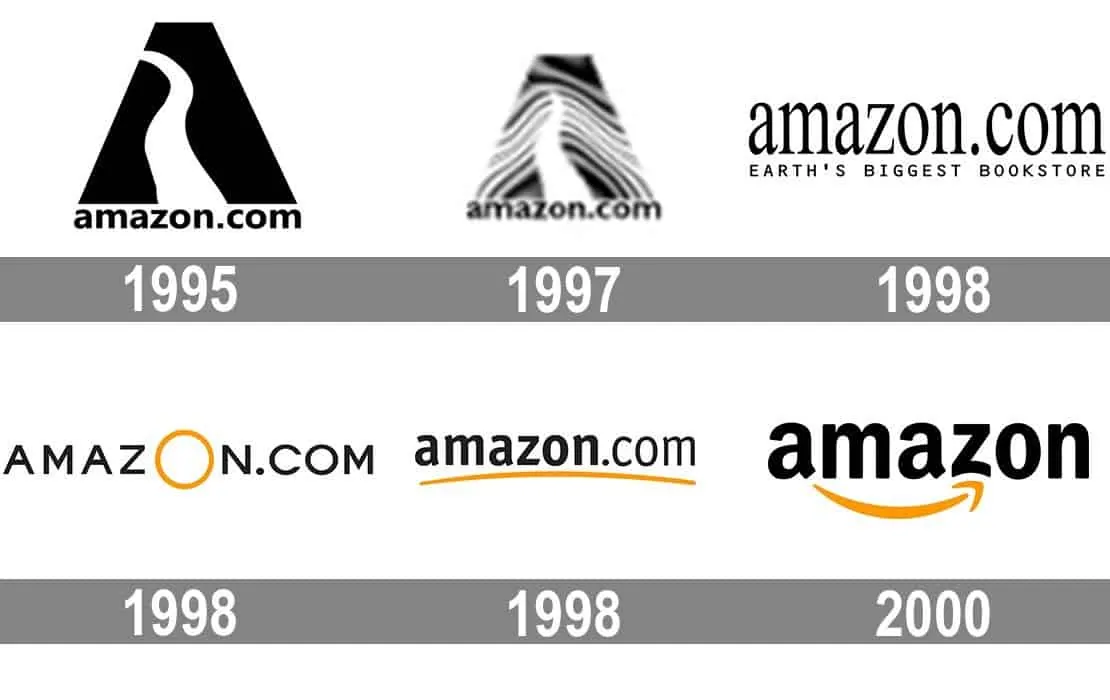
It was during this era of aggressive expansion that Amazon’s visual identity caught up with its corporate ambition. The famous “arrow” logo, introduced in 2000, features a smile that stretches from the letter ‘A’ to the letter ‘Z’. This was a literal and figurative representation of the brand promise: they sell everything from A to Z. For a brand, this clarity of purpose is invaluable. It told the consumer that no matter what they needed, Amazon was the definitive source. The logo served as a constant reinforcement of the brand’s omnivorous nature.
Redefining Retail Identity through Data and Personalization
By the 2010s, Amazon had moved beyond being a store and had become a sophisticated data engine. The “Everything Store” was no longer just about the number of SKUs (Stock Keeping Units) available; it was about the brand’s ability to predict what a customer wanted before they even realized it.
The Algorithm as a Brand Asset
Amazon’s recommendation engine became a core part of its brand identity. Unlike traditional retail, where a store’s brand is curated by a human buyer, Amazon’s brand is curated by the customer’s own data. This personalized “storefront for one” reinforced the idea that Amazon was the only place a consumer needed to go. The brand transitioned from being a destination for specific items to being a personal assistant that facilitated a modern lifestyle.
Leveraging Trust to Enter High-End Categories
One of the final hurdles for the “Everything” strategy was the luxury and grocery markets. For years, Amazon struggled to move its brand into the high-end fashion and fresh food spaces because its identity was rooted in utility and low cost. To solve this, the brand utilized strategic acquisitions, most notably Whole Foods Market in 2017. This allowed Amazon to “borrow” the premium brand equity of Whole Foods while applying its own logistical DNA. This move signaled that Amazon was now ready to own the “physical” everything, not just the digital everything.
Conclusion: The Legacy of a Boundless Brand
When did Amazon start selling everything? While the expansion began in earnest in 1998, the transformation was only completed when the brand successfully repositioned itself as an essential utility rather than a mere retailer. Today, the Amazon brand occupies a unique space in the corporate world. It is a logistics company, a cloud provider, a film studio, and a grocer—all unified under a single brand identity of relentless efficiency.
The story of Amazon’s growth is a masterclass in brand elasticity. By starting with a narrow focus and building a foundation of trust through superior customer service and logistical excellence, the brand earned the right to expand into every facet of the consumer’s life. Amazon didn’t just start selling everything; it reimagined what a brand could be—moving from a merchant of goods to an architect of the modern economy. For the modern consumer, the question is no longer “What does Amazon sell?” but rather “What is left for them to conquer?” The “Everything Store” is no longer just a nickname; it is a permanent fixture of global culture.
aViewFromTheCave is a participant in the Amazon Services LLC Associates Program, an affiliate advertising program designed to provide a means for sites to earn advertising fees by advertising and linking to Amazon.com. Amazon, the Amazon logo, AmazonSupply, and the AmazonSupply logo are trademarks of Amazon.com, Inc. or its affiliates. As an Amazon Associate we earn affiliate commissions from qualifying purchases.