
In an increasingly interconnected world, the quest for immediate, accurate, and localized information has become paramount. Among the myriad data points we seek, understanding the wind speed at our precise location stands out as particularly relevant, impacting everything from daily comfort to critical safety decisions and various industrial applications. What was once a question answered by a simple anemometer or a glance at a flag now involves a complex interplay of advanced technology, vast data networks, and sophisticated predictive models. This article delves into the technological landscape that allows us to answer this seemingly simple question with unprecedented precision and explores the tools, applications, and underlying infrastructure making it all possible.
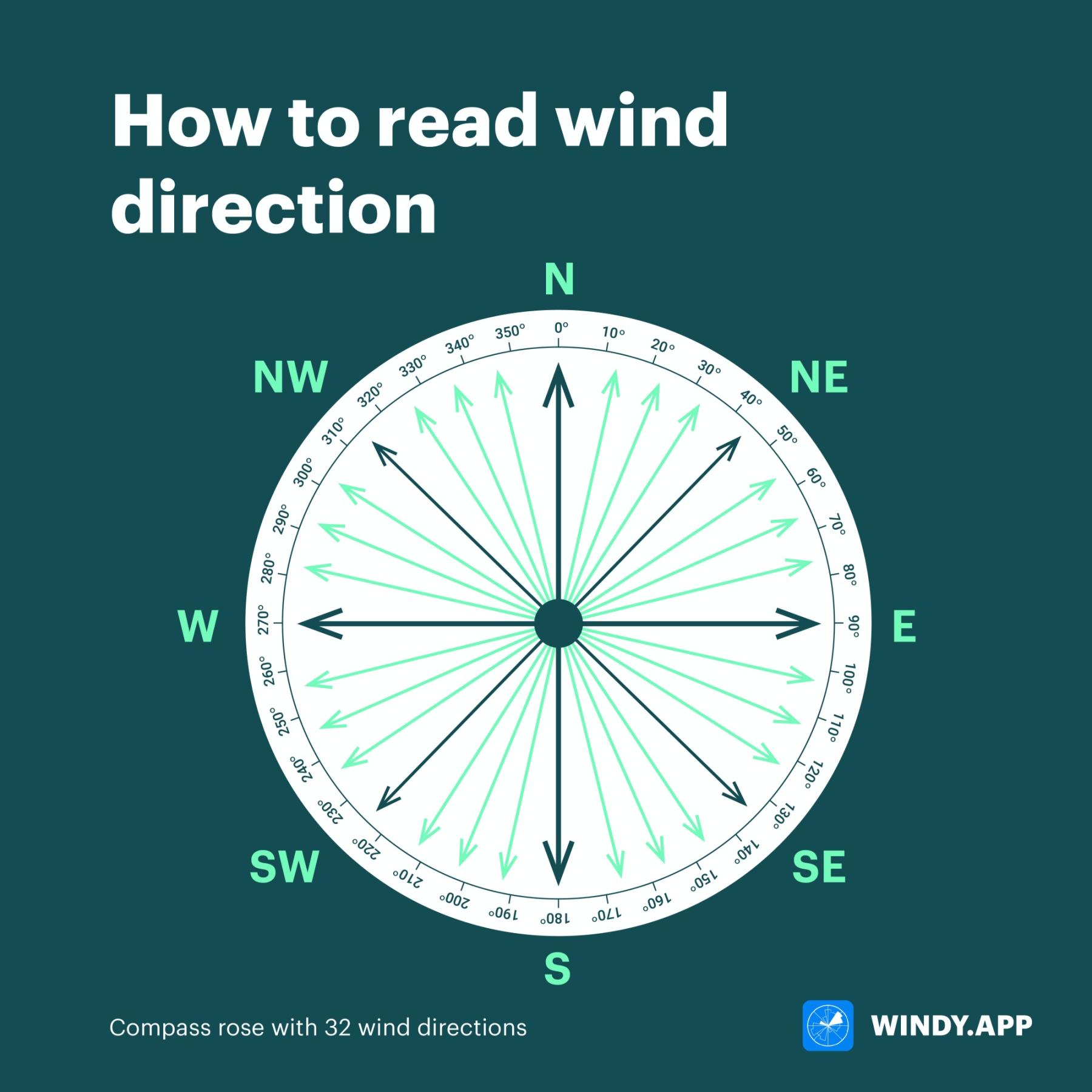
The Evolving Quest for Hyperlocal Weather Data
For centuries, humans have sought to understand and predict the weather. Wind, an invisible yet powerful force, has always been a key component of this understanding. From early mariners relying on observation to modern meteorologists employing supercomputers, the journey to pinpointing wind speed at any given location is a testament to technological progress.
From Anemometers to Advanced Sensors
The most fundamental tool for measuring wind speed is the anemometer, invented in the 15th century. Early versions, like Leonardo da Vinci’s design or Hooke’s pressure plate anemometer, were rudimentary but revolutionary for their time. The cup anemometer, developed in the 19th century, became the standard, providing a reliable mechanical method to gauge wind velocity. These devices, however, were static, offering data only for their immediate vicinity.
The 20th century brought significant advancements. Ultrasonic anemometers, which measure the time it takes for sound waves to travel between transducers, offered greater accuracy and no moving parts, making them ideal for harsh environments. Lidar (Light Detection and Ranging) systems, initially developed for military applications, adapted to measure wind speed and direction by analyzing scattered light from aerosols in the atmosphere, providing capabilities for remote sensing over larger areas and altitudes.
Today, advanced sensors are integrated into a vast network, often leveraging micro-electro-mechanical systems (MEMS) technology for compact, low-power solutions. These sophisticated devices are not only more accurate and durable but also capable of transmitting data wirelessly, forming the bedrock of modern hyperlocal weather monitoring.
The Rise of Real-Time Global Weather Networks
The ability to collect data locally is only one part of the equation; the true power lies in aggregating and distributing this information globally, in real-time. Meteorological organizations worldwide, such as the World Meteorological Organization (WMO), coordinate efforts to collect data from a myriad of sources: ground-based weather stations, weather balloons, radar systems, satellites, and even commercial aircraft and ships.
This data is then fed into powerful supercomputers running complex numerical weather prediction (NWP) models. These models ingest billions of data points, apply atmospheric physics equations, and simulate future weather conditions, including wind patterns. The output is a highly detailed, constantly updated picture of the atmosphere, forming the basis for forecasts and current conditions across the globe. The advent of high-speed internet and cloud computing has dramatically improved the speed and accessibility of this data, allowing individuals and businesses to tap into sophisticated weather insights instantaneously.
Leveraging Technology for Instant Wind Insights
Gone are the days when you needed specialized equipment or a meteorology degree to understand local wind conditions. Today, a plethora of technological tools puts real-time wind speed data directly into our hands, making it accessible, understandable, and actionable.
Essential Weather Apps and Platforms
The most common way for individuals to check wind speed is through dedicated weather applications on smartphones or web platforms. These apps aggregate data from national meteorological services, private weather companies, and often, crowdsourced information, presenting it in an intuitive, user-friendly format.
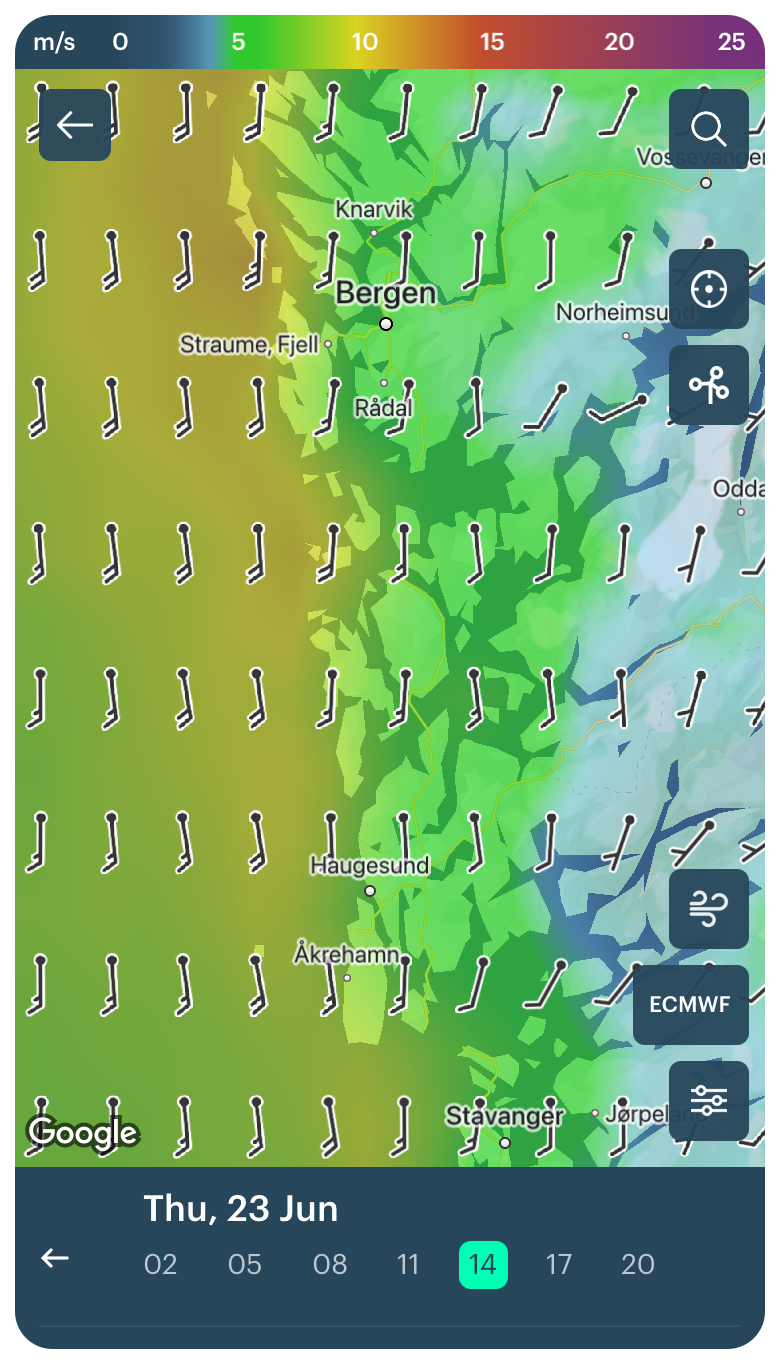
Prominent examples include apps like AccuWeather, The Weather Channel, and Windy.com. While most offer basic wind speed and direction, some, like Windy.com, specialize in visualizing wind patterns globally with stunning graphical representations, offering layers for wind gusts, waves, and even air quality. These platforms often leverage location services on your device to provide hyper-localized data, pulling from the nearest available weather station or interpolating data from surrounding stations using advanced algorithms. Many also offer hourly or daily forecasts for wind, crucial for planning outdoor activities or understanding potential impacts.
Smart Devices and Personal Weather Stations (PWS)
For those requiring even more granular or personalized data, smart devices and personal weather stations (PWS) offer an advanced solution. A PWS is a compact, internet-connected array of sensors that measures various weather parameters, including wind speed and direction, temperature, humidity, and rainfall, directly from your backyard or rooftop.
Companies like Ambient Weather, Netatmo, and Davis Instruments produce sophisticated PWS that connect to your home Wi-Fi, upload data to cloud servers, and allow you to monitor your specific microclimate via dedicated apps or web portals. Many PWS also contribute their data to global networks like Weather Underground, which then makes this crowdsourced information available to other users, enhancing the density and accuracy of hyperlocal reporting. This creates a powerful feedback loop where individuals contribute to and benefit from a broader data ecosystem. Smart home assistants and IoT devices are also increasingly integrating weather sensors, offering voice-activated access to immediate environmental conditions, including wind speed.
Harnessing API Data for Custom Solutions
Beyond consumer-facing applications, the true power of modern weather data lies in its accessibility through Application Programming Interfaces (APIs). Weather APIs allow developers, businesses, and researchers to programmatically access vast datasets of current conditions, historical data, and forecasts.
Companies like OpenWeatherMap, AccuWeather, and Tomorrow.io offer APIs that provide endpoints for retrieving wind speed, direction, gusts, and other parameters for any specified geographic coordinate. This capability is invaluable for building custom applications:
- Logistics companies can integrate wind data to optimize delivery routes and manage fuel consumption.
- Renewable energy firms can monitor wind patterns for turbine efficiency and site selection.
- Smart city initiatives can use real-time wind data for air quality management or structural integrity monitoring.
- Agricultural tech companies can advise farmers on optimal times for spraying pesticides or planting.
The availability of robust and well-documented weather APIs democratizes access to sophisticated meteorological data, enabling innovation across countless sectors that benefit from precise environmental intelligence.
Beyond Casual Curiosity: Practical Applications of Wind Speed Data
While many might simply check wind speed out of curiosity, its accurate measurement and forecasting are critical for a vast array of practical applications, significantly impacting safety, economic activity, and environmental management.
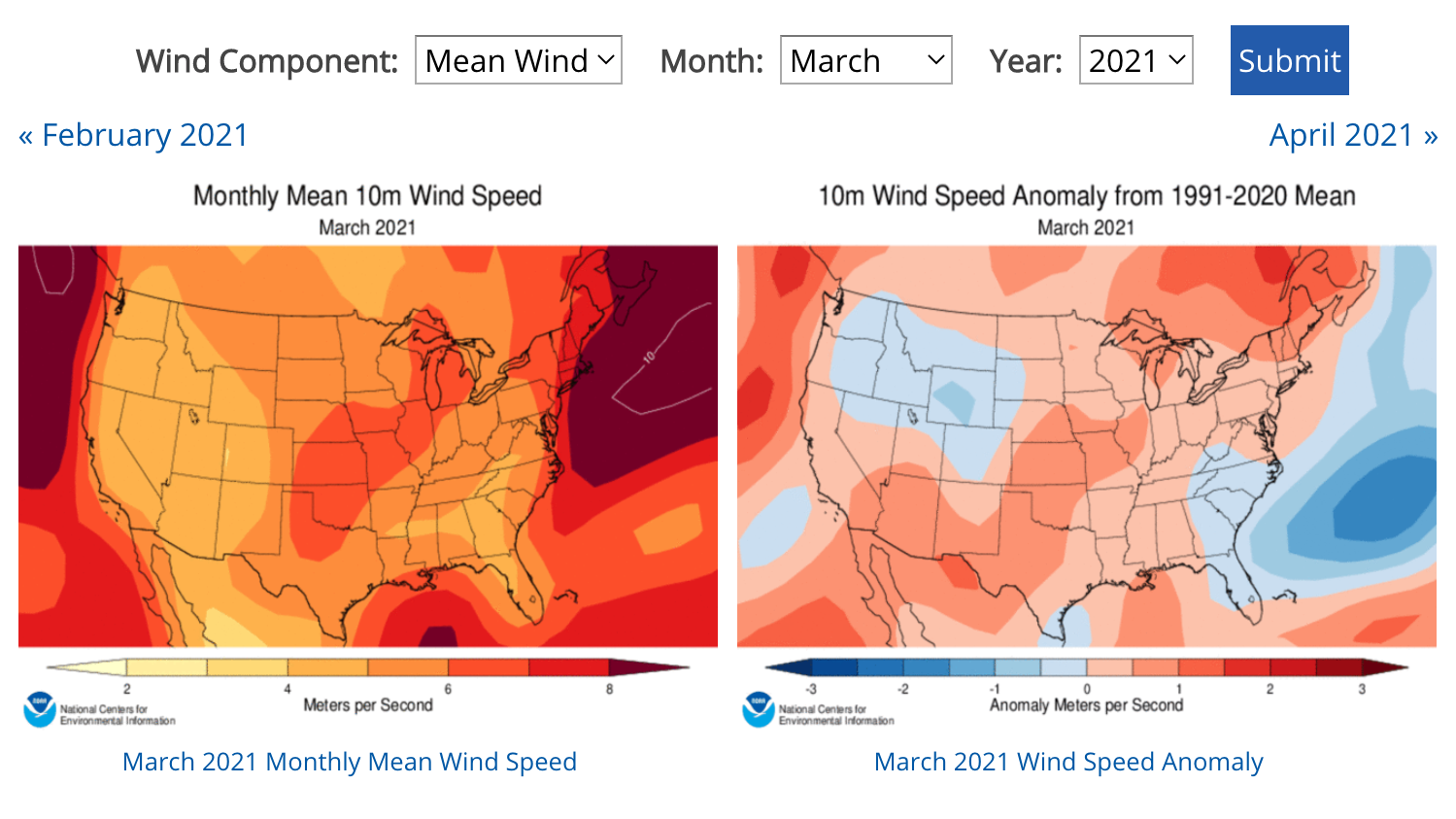
Safety and Preparedness (Outdoor Activities, Aviation, Marine)
For anyone venturing outdoors, understanding wind speed is fundamental to safety.
- Outdoor enthusiasts: Hikers, climbers, and campers need to know wind conditions to prevent hypothermia, manage equipment stability (e.g., tents), and avoid dangerous gusts on exposed ridges.
- Aviation: Wind speed and direction are paramount for pilots during takeoff, landing, and en-route navigation. Crosswinds can make landings challenging and dangerous, while tailwinds can reduce flight times and fuel consumption. Air traffic control systems rely heavily on precise wind data to ensure safe and efficient operations.
- Marine activities: Sailors, surfers, kiteboarders, and fishermen depend on accurate wind forecasts to plan their trips, understand wave conditions, and avoid hazardous weather. High winds can quickly turn calm waters into treacherous seas, posing significant risks.
- Emergency services: Fire departments use wind speed data to predict the spread of wildfires, while disaster response teams utilize it to assess potential damage from storms and guide rescue operations.
Energy and Agriculture (Renewable Energy, Crop Protection)
The economic impact of wind data is particularly evident in the renewable energy and agricultural sectors.
- Renewable Energy: Wind energy is a cornerstone of the global shift towards sustainable power. Wind farm developers meticulously analyze wind speed data to identify optimal sites for turbines, estimate energy production, and manage grid integration. Once operational, real-time wind data is crucial for optimizing turbine performance, scheduling maintenance, and predicting output.
- Agriculture: Farmers use wind speed data to make critical decisions. For instance, knowing wind conditions is essential for effective and safe application of pesticides and herbicides, preventing drift that could harm neighboring crops or ecosystems. It also influences irrigation scheduling, protects vulnerable crops from strong winds, and helps in managing greenhouse ventilation.
Construction and Infrastructure Management
In the urban and industrial landscape, wind speed data plays a vital role in ensuring structural integrity and operational efficiency.
- Construction: During the construction of tall buildings, bridges, or other large structures, wind speed monitoring is critical for worker safety and the stability of cranes and scaffolding. High winds can pose a significant hazard to equipment and personnel. Engineers also use long-term wind data to design structures that can withstand expected maximum wind loads over their lifespan.
- Infrastructure: Managing existing infrastructure, such as bridges, power lines, and telecommunication towers, requires ongoing consideration of wind forces. Strong winds can cause swaying, material fatigue, and even structural failure. Real-time monitoring helps in assessing risks and initiating preventative measures or emergency responses.
The Underlying Tech: Data Collection, Processing, and Prediction
The seamless delivery of wind speed information to your device is underpinned by an intricate technological ecosystem involving massive data collection, sophisticated processing, and advanced predictive analytics.
IoT and Sensor Networks: The Backbone of Modern Weather Monitoring
The internet of things (IoT) revolutionizes how environmental data, including wind speed, is collected. Thousands of connected sensors form dense networks, providing unprecedented spatial and temporal resolution. These aren’t just traditional weather stations; they include:
- Connected consumer devices: Personal weather stations, smart home devices, and even smart vehicles can contribute data.
- Industrial sensors: Integrated into wind turbines, agricultural equipment, and infrastructure.
- Drones and unmanned aerial vehicles (UAVs): Equipped with compact anemometers, drones can provide highly localized and mobile wind profiles in complex terrains or during specific events.
These IoT devices constantly stream data over various communication protocols (Wi-Fi, cellular, LoRaWAN, satellite) to centralized cloud platforms. The sheer volume and velocity of this data necessitate robust and scalable cloud infrastructure to ingest, store, and process it efficiently.
Big Data Analytics and Machine Learning in Meteorology
The petabytes of weather data collected daily from global networks and IoT sensors demand advanced analytical capabilities. Big Data analytics frameworks (like Hadoop and Spark) are essential for managing and extracting insights from this torrent of information.
- Data Fusion: Algorithms combine data from diverse sources – satellites, radar, ground stations, PWS – to create a comprehensive and consistent picture, filling gaps and improving accuracy.
- Quality Control: Machine learning algorithms are employed to detect anomalies, correct sensor errors, and identify unreliable data points, ensuring the integrity of the dataset.
- Pattern Recognition: ML models can identify complex atmospheric patterns that might be missed by traditional methods, leading to more accurate short-term forecasts and nowcasting (predicting conditions for the next few hours).
- Bias Correction: AI helps in correcting biases inherent in numerical weather models or sensor readings, refining predictions to better match real-world observations.
These analytical capabilities transform raw sensor data into actionable intelligence, significantly improving the precision of wind speed predictions and current condition reports.
Overcoming Challenges: Accuracy, Granularity, and Latency
Despite these advancements, delivering perfect hyperlocal wind speed data presents significant technical challenges:
- Accuracy: Wind is highly variable, influenced by topography, urban structures, and local heating/cooling. Ensuring a sensor reading accurately represents the broader local environment is difficult. Advanced interpolation techniques and microscale models are continuously being developed to address this.
- Granularity: While global models provide broad coverage, delivering truly “hyperlocal” data down to a street level remains challenging. Increasing sensor density helps, but also introduces data management complexities.
- Latency: For real-time applications (e.g., aviation, drone operations), data needs to be processed and transmitted with minimal delay. Optimizing data pipelines and leveraging edge computing can help reduce latency.
- Cost: Deploying and maintaining extensive sensor networks and powerful computing infrastructure is expensive, requiring significant investment from public and private sectors.
Addressing these challenges requires continuous innovation in sensor technology, data science, and computational meteorology.
The Future of Wind Speed Monitoring: Smarter, Faster, More Granular
The trajectory of technological advancement suggests an even more integrated, intelligent, and personalized future for wind speed monitoring.
AI-Driven Predictive Models
The next generation of weather prediction will increasingly rely on sophisticated AI and deep learning models. These models can learn from vast historical datasets and real-time observations to identify subtle atmospheric dynamics that influence wind patterns, potentially offering unprecedented accuracy for short-term and hyperlocal forecasts.
- Physics-informed AI: Hybrid models combining traditional atmospheric physics with AI’s pattern recognition capabilities can offer the best of both worlds, improving both accuracy and interpretability.
- Ensemble Forecasting with AI: Rather than just running one model, AI can synthesize outputs from multiple models to provide probabilistic forecasts, giving users a better understanding of forecast uncertainty.
- Nowcasting with High Resolution: AI will enable near-instantaneous predictions for the immediate hours ahead, crucial for activities like drone delivery, precision agriculture, and emergency response, by rapidly analyzing real-time sensor data and satellite imagery.
Integrating Wind Data into Smart Cities and Autonomous Systems
As cities become “smarter” and autonomous technologies proliferate, wind data will be a critical input for their intelligent operations.
- Smart City Infrastructure: Wind sensors integrated into streetlights, buildings, and public transport can inform traffic management (e.g., strong winds affecting bridges), optimize energy consumption in buildings (e.g., HVAC systems responding to wind chill), and even guide drone delivery services.
- Autonomous Vehicles: Self-driving cars and delivery robots will need real-time wind data to navigate safely, especially in crosswinds or gusts that could affect vehicle stability or cargo.
- Urban Air Mobility (UAM): The emerging sector of flying taxis and urban drones will be heavily reliant on precise, hyperlocal 3D wind profiles to ensure safe and efficient flight paths within complex urban canyons.
The Democratization of Weather Information
The trend towards more accessible and granular weather data will continue, empowering individuals and small businesses with information previously reserved for large corporations or government agencies. Open data initiatives, affordable sensor technology, and user-friendly API platforms will further democratize access to sophisticated wind data. This will foster innovation, enabling a new generation of applications and services that leverage hyper-localized environmental intelligence for everything from personal safety to specialized business operations.
In conclusion, answering “what’s the wind speed at my location?” has evolved from a simple observation to a complex technological endeavor. The journey from basic anemometers to global sensor networks, powered by IoT, big data, and AI, demonstrates humanity’s relentless pursuit of understanding and harnessing its environment. As technology continues to advance, we can expect even more accurate, timely, and accessible wind data, further integrating it into the fabric of our daily lives and the operational intelligence of our increasingly automated world.
aViewFromTheCave is a participant in the Amazon Services LLC Associates Program, an affiliate advertising program designed to provide a means for sites to earn advertising fees by advertising and linking to Amazon.com. Amazon, the Amazon logo, AmazonSupply, and the AmazonSupply logo are trademarks of Amazon.com, Inc. or its affiliates. As an Amazon Associate we earn affiliate commissions from qualifying purchases.